

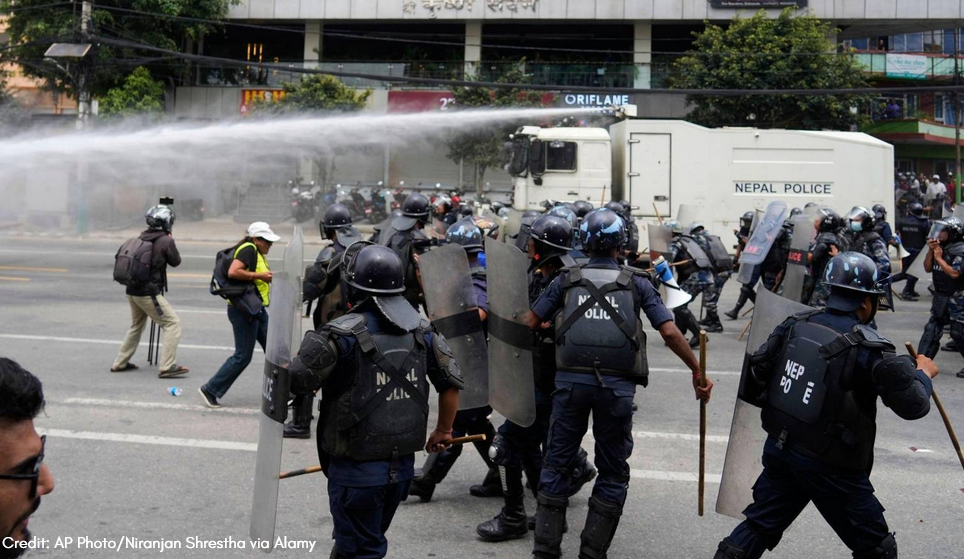
The Manipur clashes in Bishnupur have raised significant concerns among residents and authorities alike. Recent turmoil in the region was sparked by a tragic bomb blast, which claimed the lives of two innocent children, leading to widespread protests. As tensions mounted, security forces resorted to tear gas usage to disperse the escalating mob, marking a concerning moment in Manipur news. The authorities swiftly imposed prohibitory orders to restore order and prevent further violence, especially in the volatile Thingungei area. The situation remains tense as local communities demand accountability and justice amid these distressing events.
Recent violent confrontations in the northeastern state have highlighted ongoing unrest in Manipur’s Bishnupur district. The upheaval was ignited by a bomb explosion that resulted in the loss of young lives, prompting locals to take to the streets in protest. Reports of suspicious individuals allegedly armed have only intensified the conflict, leading to significant actions by security forces, including the deployment of tear gas to manage the gatherings. The clashes underscore a deep-seated tension within the community, further complicating the dynamic in Manipur, particularly in the wake of the Thingungei violence. As the situation develops, many are left seeking clarity and resolution in a region riddled with anguish and uncertainty.
Understanding the Bishnupur Incident
The Bishnupur incident marks a significant escalation of tensions in Manipur, arising from local grievances rooted in community safety and dissatisfaction with law enforcement. Reports indicate that protesters gathered to voice their outrage following a tragic bomb blast in the nearby Tronglaobi village that resulted in the loss of two innocent lives. The incident has not only provoked fear in the community but also exacerbated existing animosities, highlighting concerns over security and the preventative measures taken by local authorities.
In response to the escalating situation, the imposition of prohibitory orders signifies the government’s attempt to regain control and prevent further violence. Security forces were deployed to ensure peace, yet their use of tear gas to disperse crowds indicates the level of unrest that has permeated the district. The challenges of managing public dissent in a complex socio-political environment like Manipur underscore the urgent need for effective dialogue between the authorities and community leaders.
The Role of Security Forces in Recent Protests
In light of the clashes in Manipur, the actions of security forces have come under intense scrutiny, especially their deployment during protests. The violent confrontations raise questions about the methods used to maintain order, with many communities feeling that their grievances are not being adequately addressed. Onlookers witnessed the utilization of tear gas during the protests, demonstrating a more aggressive stance taken by law enforcement in an attempt to de-escalate the situation, albeit with mixed results.
Critics argue that while the need for security is paramount, the approach adopted by authorities can sometimes lead to further alienation of the public. Trust between local communities and security personnel tends to diminish when heavy-handed tactics are employed. It is essential for security forces to prioritize engagement and dialogue over confrontation, particularly in districts like Bishnupur where emotions run high and underlying issues remain unaddressed.
Current Manipur News Highlights Key Community Tensions: The Bishnupur unrest is not an isolated incident but rather part of a broader narrative in Manipur’s struggle for peace and stability. With heavy police presence becoming commonplace in response to protests, communities often feel squeezed between governmental authority and the right to free expression.
Ensuring safety must be approached thoughtfully, with strategic frameworks in place that respect civil rights while safeguarding citizens. Ongoing training and community outreach programs for security forces could prove beneficial in reforming public perception and fostering cooperative relations moving forward.
Describing the Thingungei Violence
The recent violence in Thingungei against the backdrop of the Bishnupur incident paints a dire picture of social unrest in the Manipur region. Residents emerged to protest against what they perceived as grave injustices leading to the tragic bombing that claimed innocent lives. As news turned to action, the collective outrage transformed peacefully intended demonstrations into violent clashes, highlighting the fragile state of civil order within the community.
As details unfold, the complexities of the Thingungei violence reflect deeper societal issues, including fears surrounding security and the presence of armed groups, which local residents suspect may be influencing unrest in the area. The incident signals a need for substantive reforms that address not merely the symptoms of civic discontent but the root causes driving such frustrations.
Public Sentiment and Media Coverage of Manipur Clashes
The media’s portrayal of the ongoing clashes in Manipur has a significant bearing on public perception and national dialogue. Reports detailing the Bishnupur clashes, including the usage of tear gas and the point of view of local protesters, serve to inform audiences, yet they can also amplify tensions when discourse is not handled sensitively. It is crucial for journalism to strike a balance between responsible reporting and sensationalism that can exacerbate divisions within the community.
An accurate representation of events surrounding the Thingungei violence is essential, as it sheds light on the genuine concerns of the populace. Through careful coverage, media can also play a pivotal role in promoting reconciliation efforts by highlighting stories of resilience and community solidarity amidst chaos. Re-engaging with the public on these critical issues can foster a more informed citizenry capable of addressing grievances through peaceful means.
The Aftermath of Discontent in Manipur: A Call for Change
In the aftermath of the violent clashes in Manipur, particularly in Bishnupur, there has been a lasting impact on community relations and trust in governance. The visible anger from protests reflects not only immediate responses to tragic events but also long-term frustrations with socio-political dynamics that many feel inadequately addressed by their leaders. This confrontation serves as an urgent call for meaningful dialogue and reform.
In the face of unrest, it is imperative for government and community leaders to engage in discussions aimed at understanding and mitigating these tensions. Building trust with the community might invoke a more collaborative approach to security and law enforcement that reflects the needs and voices of those affected. Moving towards a more inclusive framework will be essential in preventing further violence and ensuring peace and stability in the region.
Negotiating Peace: The Future of Manipur’s Communities
The path towards resolving the conflict in Manipur requires negotiation and an earnest commitment to peacebuilding among all stakeholders. As seen in the recent clashes, the repercussions of unresolved grievances can spiral into violence, proving to be counterproductive for both the authorities and the community. Thus, developing platforms for dialogue where citizens can articulate their concerns without fear of reprisal is crucial.
Moreover, peace initiatives that actively involve civil society, local organizations, and grassroots movements can empower communities and promote cooperative solutions. Collaborative efforts can help identify shared goals and foster an atmosphere conducive to healing, overcoming past grievances, and nurturing long-term stability in a region marked by diversity and complexity.
Evaluating the Impact of Violence on Children’s Safety in Manipur
The heartbreaking loss of two children in the tragic bomb blast at Tronglaobi has raised critical concerns over child safety amidst the cycle of violence in Manipur. The emotional distress and fear within the communities profoundly affect the younger generation, leaving lasting scars that can hinder their development. Moreover, incidents of violence create an environment where children are at risk and may become desensitized to aggression.
Addressing these concerns requires immediate initiatives aimed at protecting children and providing mental health support for those affected by violence. Schools and local organizations must work together to create programs that foster resilience among youth, equipping them with the tools to confront fear and trauma in constructive ways. These preventative measures are essential to safeguard the future of the children while promoting a more peaceful communal atmosphere.
Government Responses and Reactions to the Clashes in Manipur
The government’s reaction to the clashes in Bishnupur and the waves of protests that ensued reveals much about its approach to handling civil unrest. Imposing prohibitory orders signifies an aim to preemptively curtail unrest; however, such measures can be perceived by the public as authoritarian, potentially inflaming discontent rather than quelling it. Authorities must tread carefully to not stifle legitimate concerns that prompted protests.
Furthermore, transparent communication regarding the strategies to enhance security and facilitate dialogue will be key in gaining the trust of the community. Frequent updates about judicial actions and measures taken to investigate incidents like the Tronglaobi bombing will signal commitment to accountability and justice, which may contribute positively towards restoring public trust in governance.
The Influence of Local Politics on Community Relations
The violent incidents in Manipur are often deeply intertwined with local political dynamics that can play a significant role in shaping community relations. Political factions, vying for power and influence, may exploit existing tensions for their gain, exacerbating division and distrust. Understanding the political landscape is crucial in dissecting the causes of unrest, enabling stakeholders to address and mediate these deeply-rooted conflicts.
Fostering constructive political dialogue among various factions can serve as a catalyst for change, promoting unity over division. This requires a shift from adversarial positions towards collaborative governance that seeks to accommodate diverse perspectives within the community. Such efforts will lay the groundwork for a more inclusive and peaceful society, conducive to fostering dialogue and resolving conflicts.
Frequently Asked Questions
What caused the Manipur clashes in Bishnupur district?
The Manipur clashes in Bishnupur district were triggered by a protest in response to a recent bomb blast in Tronglaobi, which resulted in the death of two children. Locals took to the streets, leading to violent confrontations with security forces.
What measures did authorities take during the Manipur clashes?
In response to the Manipur clashes, authorities imposed prohibitory orders in Bishnupur district to prevent further escalation of violence and ensure public safety. This was deemed necessary after protests turned violent in the Thingungei area.
How did security forces respond to the protests in Manipur?
During the protests in Manipur, security forces deployed tear gas to disperse the mob in Bishnupur district. This use of crowd control measures was part of efforts to manage the escalating situation amid fears of violence.
What are the recent happenings in Manipur related to the clashes?
The recent happenings in Manipur include ongoing tensions following the clashes in Bishnupur district. Increased unrest has been noted due to fears of violence and the rising number of protests stemming from incidents such as the bomb blast in Tronglaobi.
What sparked the protests leading to violence in Manipur’s Thingungei area?
The protests that escalated into violence in Manipur’s Thingungei area were sparked by unverified reports of suspicious individuals allegedly carrying arms, coupled with the community’s outrage over the tragic bomb blast that claimed the lives of two children.
What is the role of security forces in managing the Manipur clashes?
The role of security forces in managing the Manipur clashes includes monitoring protests, enforcing prohibitory orders, and using measures such as tear gas to control crowds in Bishnupur and other affected areas.
Are there ongoing protests related to the Bishnupur incident in Manipur?
Yes, ongoing protests related to the Bishnupur incident continue in Manipur, as locals express their grievances and fears regarding safety and security following recent violent events.
| Key Points | Details |
|---|---|
| Location | Bishnupur, Manipur |
| Recent Incident | Clashes between protesters and security forces following a bomb blast. |
| Nature of Protest | Locals protested against a bomb blast that killed two children. |
| Government Response | Prohibitory orders imposed to control the situation. |
| Escalating Tensions | Reports of suspicious individuals allegedly carrying arms increased fears. |
Summary
The recent clashes in Manipur highlight a troubling escalation in violence amid rising tensions in the region. Following a tragic bomb blast that resulted in the deaths of two children, protests erupted in Bishnupur, leading security forces to deploy tear gas to disperse demonstrators. The situation was exacerbated by unverified reports of armed individuals, prompting authorities to implement prohibitory orders to restore calm. The Manipur clashes are a troubling reminder of the underlying issues in the area that need to be addressed.



























