

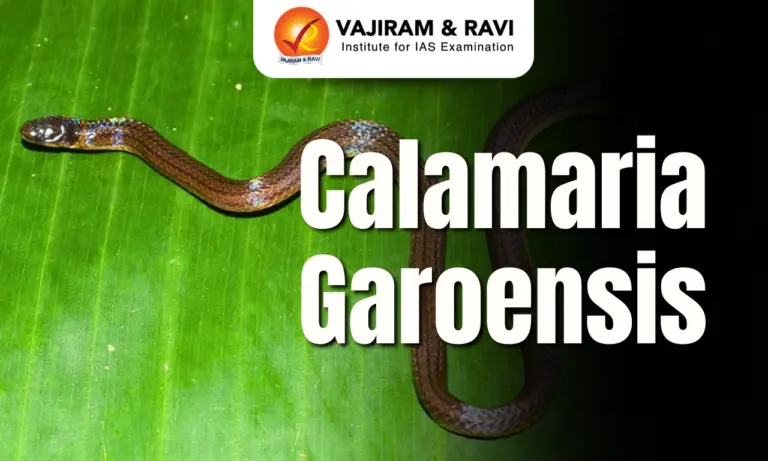
The newly identified Meghalaya burrowing reed snake, scientifically named _Calamaria garoensis_, has captured the attention of herpetologists and nature enthusiasts alike. Found in the lush forests of the West Garo Hills district, this newly discovered species of reed snake showcases the rich biodiversity of Meghalaya. Once mistakenly categorized under _Calamaria pavimentata_, the Meghalaya burrowing reed snake embodies the ongoing revelations in the snake discovery in Meghalaya, a region known for its remarkable ecological significance. As one of the unique burrowing snakes in India, _Calamaria garoensis_ adds to our understanding of Garo Hills snake species and underlines the importance of continued research in these biodiverse habitats. This exciting find not only highlights the region’s hidden treasures but also emphasizes the critical need for conservation efforts to protect such unique reptiles.
The enchanting forests of Meghalaya continue to surprise researchers with their undiscovered fauna, revealing the recently characterized Garo Hills reed snake. Formerly grouped under a different category, this new species, _Calamaria garoensis_, offers an exciting glimpse into the diversity of burrowing snakes within India’s ecosystem. The significance of this snake lies not just in its classification but also in the broader implications for biodiversity conservation in the Garo Hills region. Understanding and documenting these unique reptiles is crucial for promoting awareness and protecting their natural habitats. As the scientific community dives deeper into the flora and fauna of Meghalaya, more startling discoveries like the Meghalaya burrowing reed snake are sure to emerge.
Discovery of Calamaria garoensis in Meghalaya
The recent discovery of the _Calamaria garoensis_, a new species of burrowing reed snake, highlights the rich biodiversity present in Meghalaya’s West Garo Hills district. This area, noted for its dense forests and diverse habitats, serves as a vital ecological zone, making it an ideal location for wildlife research. The species was identified by a team of researchers who were conducting extensive field surveys, aimed at cataloging the unique flora and fauna that thrive in this mountainous region.
This new identification is particularly significant as _Calamaria garoensis_ was previously thought to be a variant of the already known _Calamaria pavimentata_. Distinguishing between these species sheds light on the complexity of the ecological landscape in Meghalaya, emphasizing the need for continued research in the area to uncover more hidden species in India’s biodiverse ecosystems.
The Garo Hills snake, as _Calamaria garoensis_ is commonly dubbed, adds to the fascinating array of burrowing snakes found in the region. These snakes are characterized by their elongated bodies and are known for their fossorial lifestyle, which allows them to navigate through the forest soil with ease. Such adaptations make them sometimes elusive to researchers, yet their discovery is a testament to the ecological richness of the Garo Hills and the importance of habitat conservation.
Understanding the Ecology of Burrowing Snakes in India
Burrowing snakes, including the newly discovered _Calamaria garoensis_, play a crucial role in maintaining the ecological balance within their habitats. Adapted to a life underground, these snakes contribute to soil aeration and nutrient cycling, which are essential processes in healthy ecosystems. The substrate where these snakes make their homes supports a myriad of life forms, from microorganisms to larger predators, illustrating the interconnectedness of species in these ecosystems.
India hosts several species of burrowing snakes, yet much remains to be explored regarding their behaviors and ecological contributions. Researchers are now focusing on the identification of specific burrowing habitats, prey availability, and the impact of environmental changes on these hidden species. Understanding these dynamics is essential not only for snake conservation but also for the overall health of the ecosystems in which they dwell.
The discovery of new species like _Calamaria garoensis_ within the diverse landscapes of India emphasizes the importance of conducting regular biodiversity assessments. Such initiatives can help identify hidden species of ecological importance and support conservation efforts aimed at protecting their natural habitats. Moreover, increased awareness about these burrowing snakes can foster local and national conservation initiatives, ensuring the longevity of India’s unique wildlife.
Significance of Biodiversity Research in Meghalaya
The biodiversity of Meghalaya is of utmost significance, as it is home to many endemic species that are yet to be fully documented. The identification of _Calamaria garoensis_ is just one example of the countless species that may still remain undiscovered in this region. Research teams working in Meghalaya undertake extensive fieldwork and ecological surveys to understand better the distribution and behavior of various reptiles, amphibians, and other wildlife. By increasing our understanding of these species, researchers can also shed light on the ecological health of these mountainous regions.
Moreover, the recognition of new species can have broader implications for biodiversity conservation policies. Documenting the existence of _Calamaria garoensis_ can lead to targeted conservation efforts and policy interventions aimed at safeguarding the habitats where these reptiles thrive, ensuring that environmental pressures cannot jeopardize their survival.
The discovery of unique species in Meghalaya also attracts attention from both national and international biodiversity advocates, raising awareness about the critical need to protect these fragile ecosystems. As more research highlights the unparalleled variety of life in the Garo Hills, it is essential to promote sustainable practices among local communities to mitigate habitat destruction and promote wildlife coexistence. Engaging local populations in conservation efforts can help foster a sense of stewardship for the incredible biodiversity that Meghalaya represents.
Biodiversity Challenges Facing the Garo Hills
While the discovery of the _Calamaria garoensis_ reveals the extraordinary wildlife of the Garo Hills, the region faces significant challenges that threaten its ecological integrity. Deforestation, habitat fragmentation, and climate change pose ongoing risks to the habitats where these burrowing snakes and other species live. As more land is converted for agricultural and urban development, the natural landscape becomes increasingly disrupted, leading to potential declines in biodiversity.
Conservationists warn that without immediate and effective intervention strategies, species like the Garo Hills snake may face extinction in their natural habitats. Protecting these species requires collaboration among multiple stakeholders, including government bodies, conservation organizations, and local communities, to develop and implement sustainable practices.
Additionally, education and raising awareness about the biodiversity challenges facing the Garo Hills is crucial. Local communities must understand the importance of preserving their natural heritage not only for wildlife but for their livelihoods and overall ecological health. By fostering a culture of conservation, initiatives can be put in place to protect endangered species and maintain the ecological balance in this biodiversity hotspot.
Future Research Directions for Meghalaya’s Wildlife
With the recent discoveries, including the _Calamaria garoensis_, the future of research in Meghalaya’s wildlife looks promising. There is a clear need for increased field surveys and taxonomic studies to uncover more unknown species residing in this biodiverse region. Understanding their ecology, behaviors, and interactions with the environment can provide critical insights into conservation strategies that are uniquely suited for Meghalaya’s unique habitat.
Researchers are also encouraged to focus on technology integration in biodiversity assessments, such as using remote sensing and bioacoustics to monitor animal populations and their habitat usage. This approach can provide more comprehensive data sets that inform conservation planning and habitat management for species like the Garo Hills snake and others that inhabit these rich ecosystems.
Future research should not only aim at discovering more species but also at understanding the impact of human activities on biodiversity in Meghalaya. Studies that delve into the effects of habitat loss, pollution, and climate change will be essential in addressing these challenges effectively. By combining traditional knowledge with innovative scientific approaches, researchers can devise ways to mitigate these impacts, fostering a collaborative effort to preserve the remarkable biodiversity found within the Garo Hills.
Frequently Asked Questions
What is the Meghalaya burrowing reed snake?
The Meghalaya burrowing reed snake, scientifically known as _Calamaria garoensis_, is a newly identified species of reed snake found in the West Garo Hills district of Meghalaya, India. Previously misidentified as _Calamaria pavimentata_, it has been recognized for its unique characteristics and ecological significance in the region.
Where was the Meghalaya burrowing reed snake discovered?
The _Calamaria garoensis_, or Meghalaya burrowing reed snake, was discovered during field surveys in the rich forested habitats of Oragitok, located in the Garo Hills of Meghalaya. This area is noted for its ecological diversity and is crucial for biodiversity conservation.
Why is the discovery of the Meghalaya burrowing reed snake significant?
The discovery of the Meghalaya burrowing reed snake, _Calamaria garoensis_, is significant because it highlights the biodiversity of the Garo Hills and contributes to our understanding of burrowing snakes in India. This finding underscores the importance of protecting their habitat for future research and conservation efforts.
What characteristics distinguish the Meghalaya burrowing reed snake from other snakes?
The Meghalaya burrowing reed snake (_Calamaria garoensis_) is distinguished by its unique morphological traits which separate it from other burrowing snakes in India, including its specific coloration, size, and burrowing behavior which allow it to thrive in its forested habitat.
How does the Meghalaya burrowing reed snake fit into the ecosystem of Garo Hills?
The Meghalaya burrowing reed snake plays a vital role in the Garo Hills ecosystem by contributing to the balance of the food web. As a burrowing snake, it aids in soil aeration and pest control, further highlighting the ecological importance of preserving its habitat.
What research has been published regarding the Meghalaya burrowing reed snake?
Research detailing the Meghalaya burrowing reed snake, _Calamaria garoensis_, was published in the journal _Taprobanica_. The article encompasses its identification and classification as a distinct species, marking an important advancement in herpetology in the region.
Are there any conservation efforts in place for the Meghalaya burrowing reed snake?
While specific conservation efforts for the Meghalaya burrowing reed snake (_Calamaria garoensis_) may be limited, its discovery has drawn attention to the rich biodiversity in the Garo Hills, potentially fostering conservation initiatives aimed at protecting this newly recognized species and its habitat.
What challenges do burrowing snakes like the Meghalaya burrowing reed snake face?
Burrowing snakes, including the Meghalaya burrowing reed snake, face challenges such as habitat destruction due to deforestation, climate change, and human encroachment. These threats can significantly impact their populations and the ecosystems they inhabit.
| Key Point | Description |
|---|---|
| New Species Identified | The snake, named _Calamaria garoensis_, is a distinct species from the previously identified _Calamaria pavimentata_. |
| Location of Discovery | The snake was collected in Oragitok, Meghalaya, known for its rich forested habitats. |
| Research Team | Multiple institutions collaborated in the research and identification of this new species. |
| Publication | The findings were published in the peer-reviewed journal _Taprobanica_. |
Summary
The Meghalaya burrowing reed snake, scientifically known as _Calamaria garoensis_, represents a significant discovery in the biodiversity of the West Garo Hills district of Meghalaya. Identified as a distinct species separate from _Calamaria pavimentata_, this new reed snake contributes to the understanding of the region’s ecological significance. Its discovery highlights the importance of ongoing field research in documenting and conserving unique species found in rich forest habitats.



























