

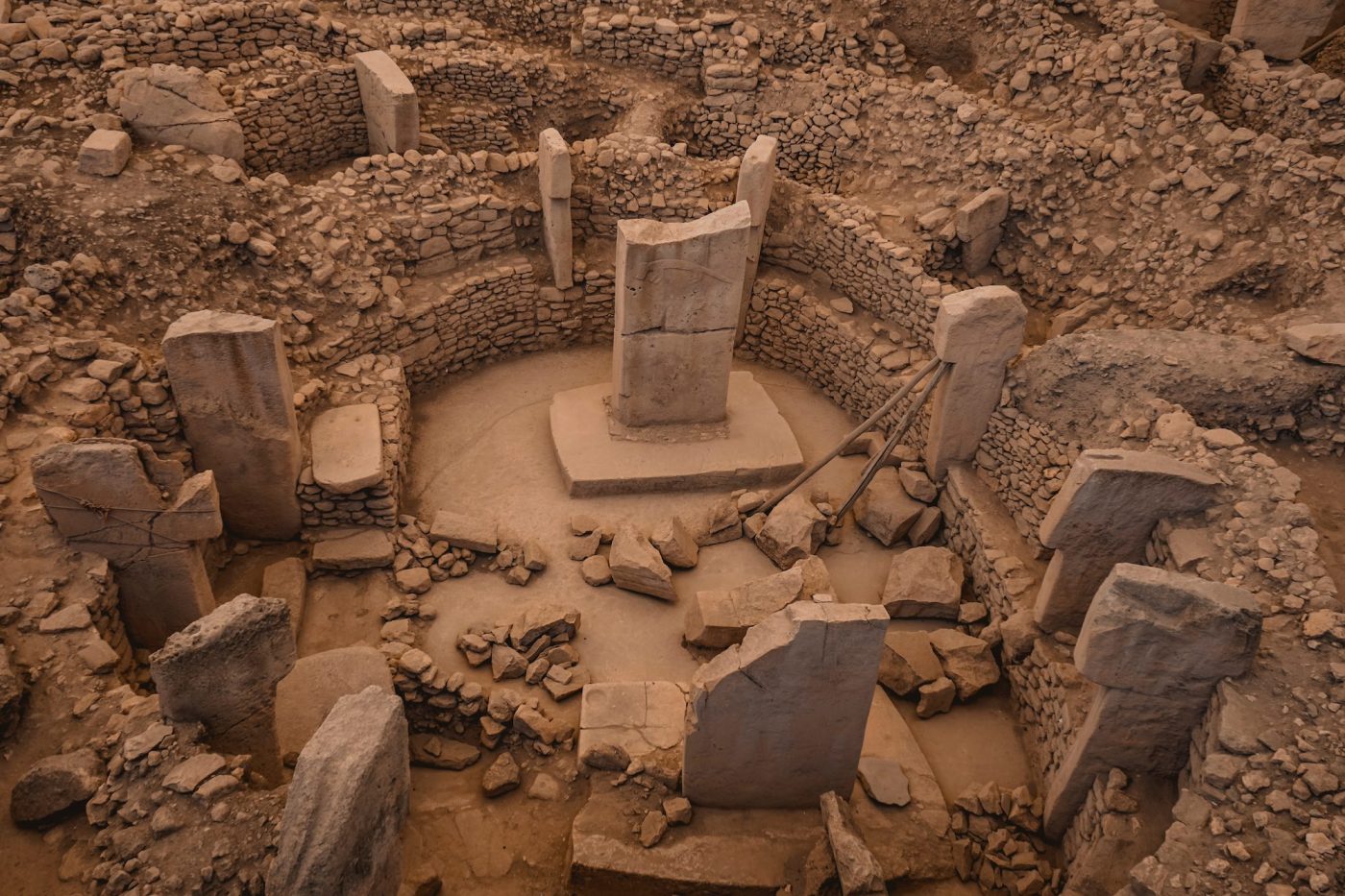
The recent discovery of a Neolithic structure at Atatürk Dam in Turkey has opened a fascinating window into ancient civilization, revealing insights into the lives and rituals of the people 11,000 years ago. As water levels in the dam’s reservoir recede, a significant archaeological site has emerged, further illuminating the rich tapestry of Neolithic archaeology and the remarkable Taş Tepeler culture. Researchers have unearthed ritualistic edifices and iconic T-shaped stone pillars, which reflect a time before urban civilization took shape in the region. This groundbreaking Atatürk Dam discovery not only sheds light on the architectural sophistication of early communities but also highlights the profound historical significance of the lands surrounding the Euphrates River. Consequently, the archaeological site Neolithic unearthed at Atatürk Dam stands as a testament to the enduring legacy of early human advancement in Turkey.
This recent revelation at the Atatürk Dam site showcases an extraordinary Neolithic period structure that has been hidden for millennia, now gaining attention from archaeologists and history enthusiasts alike. With the exposure of these ancient remains, we are drawn back to the Pre-Pottery Neolithic era, inviting us to explore the cultural richness embedded within the Taş Tepeler phenomenon. The newly accessible artifacts not only underline the architectural styles of this ancient civilization in Turkey but also emphasize a critical point in the transition from nomadic lifestyles to more settled communities. As excavations continue, we stand at the cusp of uncovering more details about the daily lives, beliefs, and practices of these early peoples, further enriching our understanding of human history.
Neolithic Structure at Atatürk Dam: A Historical Breakthrough
The recent discovery of an 11,000-year-old Neolithic structure at the Atatürk Dam in Turkey marks a profound advancement in our understanding of early civilizations. This monumental site has emerged due to decreasing water levels at the dam, unveiling significant aspects of Neolithic archaeology. The site exhibits a range of artifacts, including the famous T-shaped stone pillars, which reveal much about the societal and ceremonial practices of ancient civilizations in Turkey. The findings are a testament to the rich cultural tapestry of the Taş Tepeler landscape, indicating that these structures were likely used for ritualistic purposes long before urban settlements flourished.
Archaeologists from Adıyaman University have identified these constructions as typical of the Pre-Pottery Neolithic period, emphasizing their importance in the broader context of human history. This discovery suggests the existence of complex social structures and cultural practices in what is now modern Turkey, where people gathered to partake in communal activities. The Atatürk Dam discovery acts as a crucial link to our past, shedding light on the location’s deep history and its significance in the narrative of ancient civilization.
Exploring the Architectural Significance of the Taş Tepeler Culture
The architectural features of the Taş Tepeler culture are intricately detailed in the recent archaeological findings at Atatürk Dam. Characterized by their shallow, hole-shaped structures and flat rectangular stones, these designs highlight advanced engineering skills among prehistoric inhabitants. The prominent T-shaped pillars discovered at the site serve as focal points within the architectural layout, suggesting that they were not merely structural elements but also played a critical role in religious or communal practices. This aligns with similar structures identified in nearby Şanlıurfa, indicating a shared cultural heritage across the region.
These architectural hallmarks profoundly influence our understanding of the social dynamics in ancient Turkey. The similarities found in the construction styles across various sites in the region suggest a network of cultural exchange and influence that could change the narrative of archaeological history in the area. Such findings reinforce the importance of these sites in Neolithic studies, offering more substantial evidence of the rich cultural identity that thrived along the Euphrates River and beyond.
The Role of Archaeological Sites in Preserving Ancient Civilizations
The recent unearthing at the Atatürk Dam highlights the critical role that archaeological sites play in preserving ancient civilizations. With the continuing drop in water levels, areas that were once submerged have provided a rare glimpse into the lives of Neolithic peoples. The rescue operations initiated by local archaeologists are crucial for documenting and safeguarding these findings before they are permanently lost beneath rising waters. This active engagement with the site not only preserves artifacts but also ensures that the stories behind them are told and understood by future generations.
Additionally, these archaeological efforts underscore the challenges of modern development impacting our historical sites. As civilization progresses, the delicate balance between growth and preservation is increasingly called into question. The findings at Atatürk Dam remind us of the importance of archaeology as a discipline that advocates for the protection of our shared human heritage, ensuring that the lessons from ancient cultures are not forgotten amid contemporary advancements. This preservation is vital not only for academic pursuits but also for the cultural identity of modern communities.
Implications of Discoveries on Neolithic Archaeology in Turkey
The discoveries revealed by the Atatürk Dam excavation have profound implications for Neolithic archaeology in Turkey. This site, revealing structures over 11,000 years old, represents one of the oldest known settlements in the region, extending our understanding of human habitation and cultural evolution. It places Turkey at the heart of early civilization studies, drawing interest from scholars and archaeologists globally. The Atatürk Dam discovery, associated with the Taş Tepeler culture, serves as a compelling case study for understanding the transition from nomadic lifestyles to more settled communities.
Moreover, the architectural innovations displayed at this site challenge previously held notions regarding the development timelines of ancient civilizations. The complexities of the structures found indicate advanced socioeconomic structures much earlier than traditionally believed. Insights gleaned from the site encourage the reevaluation of other archaeological findings across Turkey, potentially leading to a redefinition of the timeline and narrative surrounding the emergence of civilization in the region. This makes the Atatürk Dam a landmark in Neolithic studies, inviting ongoing research into the rich tapestry of Turkey’s ancient history.
Archaeological Rescue Operations: Strategies and Challenges
The ongoing archaeological rescue operations at the Atatürk Dam illustrate both the urgency and complexity of preserving archaeological sites at risk. With the encroaching water levels threatening to submerge vital discoveries, archaeologists are faced with the challenge of documenting and conserving artifacts swiftly and effectively. Techniques such as meticulous excavation, digital mapping, and artifact cataloging are being employed to ensure that these historical treasures are preserved for future study. Each day brings new findings, accentuating the necessity for prompt action to safeguard these invaluable pieces of history.
However, rescue operations are not without their challenges. Time constraints often dictate how thoroughly archaeologists can document a site before it is lost, pushing teams to work under immense pressure. This can lead to difficult decisions about which areas to excavate and what artifacts to prioritize. Additionally, the often precarious environmental conditions at the dam can hinder excavation efforts. Despite these challenges, the dedicated efforts of the local archaeologists at the Atatürk Dam reflect a commitment to preserving the ancient narratives of the Neolithic past, demonstrating the resilience of the archaeological community in the face of imminent loss.
Significance of the Pre-Pottery Neolithic Period in Ancient Civilizations
The Pre-Pottery Neolithic period marks a significant transition in the history of human civilization, representing a time when societal structures began to form prior to the introduction of pottery. Findings from the Atatürk Dam’s archaeological site exemplify this period’s importance, showcasing how early humans adapted to their environments and established ritualistic practices. The T-shaped pillars and associated structures found at this site provide insights into the cultural and religious norms that may have guided early human communities, indicating the emergence of societal organization and communal life long before urban planning took shape.
Understanding the dynamics of the Pre-Pottery Neolithic period is crucial for contextualizing the progress towards more complex civilizations. The discoveries at the Atatürk Dam not only illuminate the lives of the Neolithic people but also highlight the interconnections between different ancient societies across Turkey and the broader Middle East. This period is pivotal in establishing patterns of agricultural development and societal interaction that would later lead to more urbanized and sophisticated ways of life, thus shaping the trajectory of human history as we know it.
Cultural Impacts of Archaeological Discoveries on Modern Society
The archaeological discoveries at the Atatürk Dam have far-reaching implications, not just for historians and archaeologists, but also for contemporary society. These findings not only enrich our understanding of Neolithic cultures but also reinforce the importance of cultural heritage and archaeological preservation in modern times. As people increasingly advocate for the recognition of historical significance, such discoveries can enhance national pride and identity, especially in regions like Turkey, which boast a rich tapestry of ancient heritage.
Moreover, these discoveries can foster tourism and educational initiatives that promote awareness of ancient civilizations. By highlighting the archaeological contributions of the Taş Tepeler culture through educational programs and museum exhibitions, communities can develop a deeper appreciation for their historical context. This cultural engagement helps bridge the gap between the past and present, encouraging public interest in archaeology and the stories of our ancestors, fostering a sense of continuity in cultural identity and historical consciousness.
Future Research Directions in Ancient Turkish Civilizations
The recent findings at the Atatürk Dam have opened new avenues for future research into ancient civilizations in Turkey. The robust data gathered from this Neolithic structure offers a fresh perspective on how societies evolved in the region, prompting researchers to extend their investigations into adjacent areas that share similar cultural markers. The significance of the Taş Tepeler culture, reflected in these architectural discoveries, underscores the need for comprehensive studies that could enhance our understanding of the broader Neolithic landscape within Turkey.
Furthermore, ongoing analysis of artifacts and architectural features may lead to advanced techniques in archaeology, including the use of geospatial technology and scientific methodologies to examine sites that are difficult to access or are at risk of being lost. By leveraging interdisciplinary approaches, future research can paint a more detailed picture of the evolution of human settlement and cultural development in ancient Turkey. The Atatürk Dam serves as a catalyst for this research, embodying the promise of significant archaeological discoveries yet to come.
Preserving the Legacy of Neolithic Sites in the Face of Development
The emergence of the Neolithic structure at the Atatürk Dam underscores the ongoing tension between modern development and the preservation of ancient sites. As infrastructure projects expand, crucial archaeological locations are often at risk of being destroyed or submerged, making proactive preservation efforts paramount. The rapid changes in water levels at the dam have temporarily exposed these artifacts, triggering a race against time for archaeologists to document and recover these elements of our human history before they are irrevocably lost.
Efforts must be made to raise awareness about the value of preserving archaeological sites amidst development pressures. Engaging local communities in the conversation about the importance of these sites can foster a culture of conservation. As seen at the Atatürk Dam, community involvement can lead to successful rescue operations and maintain a balance between progress and heritage. The preservation of sites like Atatürk is essential not only for academic research but also for maintaining our connection to the past, allowing future generations to experience the narratives of their ancestors.
Frequently Asked Questions
What archaeological discoveries at the Atatürk Dam reveal about Neolithic culture?
The Atatürk Dam has recently unveiled significant Neolithic structures, including T-shaped stone pillars and ritualistic constructions, which are part of the Taş Tepeler culture. This discovery offers crucial insights into ancient civilization in Turkey, particularly the Pre-Pottery Neolithic period, which dates back approximately 11,000 years.
| Key Point | Details |
|---|---|
| Discovery of Neolithic Structure | An 11,000-year-old neolithic site was uncovered due to lower water levels at the Atatürk Dam reservoir in Turkey. |
| Significance of Findings | The site includes T-shaped stone pillars and ritualistic structures indicating early civilization development. |
| Historical Context | The findings are linked to the Taş Tepeler culture, revealing architectural styles typical of the Pre-Pottery Neolithic period. |
| Rescue Operations | Archaeologists from Adıyaman University are conducting rescue operations to document artifacts before they are submerged again. |
| Cultural Impact | The archaeological evidence suggests that the cultural influence of the ‘Stone Hills’ extended into the Euphrates River corridor. |
Summary
The Neolithic structure at Atatürk Dam represents a remarkable archaeological discovery that sheds light on early civilization. Unearthed due to a significant drop in water levels, this ancient site reveals the existence of monumental Pre-Pottery Neolithic structures thought to be over 11,000 years old. The findings, including ritualistic constructions and distinctive T-shaped pillars, provide insights into the cultural and architectural practices of the ‘Taş Tepeler’ or Stone Hills culture. Ongoing rescue operations by archaeologists aim to preserve these invaluable artifacts before they are once again submerged. This significant discovery not only enhances our understanding of human history but also emphasizes the importance of archaeological preservation in the face of environmental changes.



























