

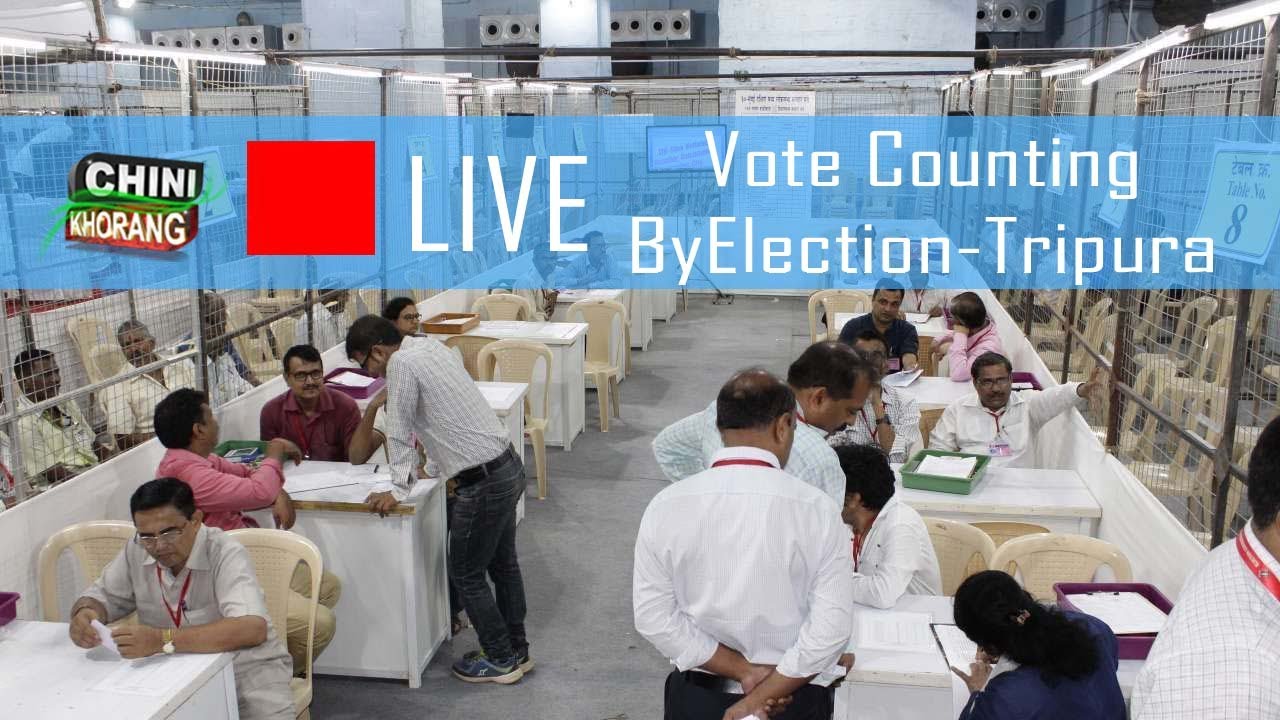
Tripura vote counting is set to kick off on April 17, creating a buzz among citizens as the fate of candidates awaits revelation. This significant event follows a peaceful re-polling process in the Tripura Tribal Areas Autonomous District Council (TTAADC) that recorded an impressive voter turnout of 86.83 percent. With a preliminary voter turnout of approximately 83 percent during the recent elections, anticipation builds as election results in Tripura will determine the political landscape for the coming term. Counting of votes will be conducted at around 17 locations starting at 8 am, where officials will first tally VVPAT slips before moving to Electronic Voting Machine (EVM) counts. To ensure the safety and security of this crucial procedure, prohibitory orders have been implemented around counting centers, aiming for a smooth and orderly process as the community waits for the outcome.
The tallying of ballots in Tripura’s electoral landscape will begin soon, as the state prepares for crucial results from the recent elections. Following incidents that called for TTAADC re-polling, citizens were engaged, resulting in a strong voter turnout that underscores the community’s dedication to democratic participation. As the counting unfolds on April 17, expectations rise, particularly after a noteworthy electoral turnout that reflects the people’s voice. Election officials will methodically verify votes cast, starting the process in multiple locations to ensure efficiency and transparency in the electoral results. As authorities emphasize the importance of a secure environment, all necessary precautions are in place to facilitate an uninterrupted counting process.
Understanding the Vote Counting Process in Tripura
The counting of votes in the Tripura elections is a meticulous process, managed by the State Election Commission (SEC). Starting at 8 am on April 17, officials will commence counting at approximately 17 designated locations across the state. The process typically begins with the counting of the Voter Verified Paper Audit Trail (VVPAT) slips, which is crucial for ensuring the accuracy of the election results. Following this initial stage, the counting of Electronic Voting Machines (EVMs) will take place, providing a comprehensive view of voter preferences across all 28 council seats.
With effective planning and stringent security measures in place, the counting is conducted in a highly organized manner. Alongside standard protocols, the SEC has implemented prohibitory orders to maintain law and order within and around the counting centers. This is particularly important amidst heightened political tensions and expectations surrounding the tripura vote counting, especially following the re-polling in four stations that recorded an impressive voter turnout of 86.83 percent.
Impact of Voter Turnout on Tripura Election Results
Voter turnout plays a critical role in determining the outcome of elections, and this is evident in the recent Tripura elections. The overall turnout recorded was approximately 83 percent, with re-polling at specific locations achieving an even higher turnout of 86.83 percent. Such figures signify an engaged electorate and are crucial indicators of public sentiment towards the candidates and the political climate in Tripura. A robust turnout often translates to a mandate for the winning parties, reflecting strong community support and advocacy for change or continuity.
The SEC’s efforts in conducting a transparent and efficient electoral process have been reflected in these turnout statistics. High voter engagement not only enhances the legitimacy of the electoral process but also indicates voter trust in the mechanisms of democracy. However, it is essential to analyze how these turnout figures will affect the election results in Tripura, particularly with regards to the expected shifts in political power and representation in the council following the counting on April 17.
The Role of TTAADC in Tripura’s Political Landscape
The Tripura Tribal Areas Autonomous District Council (TTAADC) serves an essential function in the state’s governance, especially for tribal communities. The recent elections for the TTAADC demonstrate the council’s role in addressing the specific needs and aspirations of these communities. With a defined budget and authority over local governance, the TTAADC has been crucial in implementing policies that directly impact the socio-economic development of tribal populations. The electoral results obtained following the counting of votes on April 17 will significantly influence the council’s composition and its ability to effect change.
Understanding the implications of the TTAADC elections also requires observing how local issues resonate with voter turnout and choices. Political candidates must navigate these dynamics skillfully to address grassroots concerns effectively, particularly in areas previously affected by irregularities. The SEC has responded to these challenges by facilitating re-polling in certain areas, indicating a commitment to ensuring fair representation. The focus on transparency and accountability is expected to shape the council’s future endeavors significantly.
Security Measures for Counting Day in Tripura
On counting day, April 17, the security of counting centers in Tripura is paramount to ensure a peaceful and orderly process. The State Election Commission has coordinated with local authorities to implement strict security arrangements, including the deployment of adequate law enforcement personnel. Prohibitory orders under Section 163 of the Bharatiya Nyaya Sanhita (BNS) are enforced to prevent any disturbances that could disrupt the counting process, illustrating a proactive approach to managing potential unrest.
Although requests for the deployment of Central Armed Police Forces (CAPF) have been made, local officials emphasize that the state administration is sufficiently prepared to maintain security without external assistance. This level of preparedness reflects the administration’s confidence in managing the electoral atmosphere effectively. Ensuring peace on counting day is critical, as it not only protects the integrity of the election results but also fosters public confidence in the electoral process.
The Significance of Re-Polling in Tripura Elections
Re-polling is an important aspect of the electoral process that upholds the integrity of democracy. In Tripura, the SEC ordered re-polling in four polling stations due to reported irregularities that occurred during the initial elections held on April 12. This decision underscores the commitment of the electoral authorities to ensure that every eligible vote is counted fairly. With a notable turnout of 86.83 percent during re-polling, it demonstrates the public’s willingness to participate in the democratic process, even under contested circumstances.
The implications of re-polling extend beyond just rectifying mistakes; they serve to reinforce the trust of the electorate in the democratic process. Ensuring that all electoral processes are conducted smoothly and transparently fosters confidence among voters and contributes to a more robust democratic framework. As we look forward to the counting of votes on April 17, the results from these re-polling efforts will be closely analyzed to gauge public sentiment and the potential shifts in political representation within Tripura.
Analyzing Election Results: What to Expect
The anticipation surrounding election results in Tripura is palpable, especially following a well-participated voting session. With vote counting set to begin on April 17, many political experts and analysts are eager to dissect the outcomes and their implications on the political landscape of the state. Early indications from voter turnout suggest a competitive atmosphere, and the results are expected to reflect significant sentiments within the constituencies. Political parties are already strategizing based on voter feedback, which may influence their future campaigns and policies.
As votes are counted, the SEC’s commitment to transparency will play a crucial role in the public perception of the electoral process. Analyzing the data from the counting, including the breakdown of votes from both the regular election and re-polling, will provide insights into voter preferences and trends. Moreover, it will help assess the effectiveness of campaign strategies employed by various parties during the Tripura elections, ultimately shaping the future discourse in the state’s governance.
The Importance of VVPAT in Ensuring Electoral Integrity
The Voter Verified Paper Audit Trail (VVPAT) system is a critical component in the electoral process, ensuring the integrity and transparency of voting in Tripura. As officials prepare for the counting of votes on April 17, the initial step involves verifying VVPAT slips to confirm the accuracy of EVMs. This practice not only bolsters confidence among voters but also safeguards against potential electoral fraud, as any discrepancies can be addressed before the final results are declared.
VVPAT systems enhance the accountability of the electoral process, allowing voters to confirm their choices and ensuring that their votes are accurately counted. The focus on technological solutions such as VVPAT reflects a broader trend towards improving electoral processes across India, with Tripura being a prime example. With the election results hanging in the balance, the emphasis on VVPAT verification will be crucial in upholding the legitimacy of the vote counting process and reassuring the electorate of the fairness of the elections.
Voter Engagement Strategies in Tripura
Voter engagement is a vital aspect of any democratic process, and in Tripura, various strategies have been employed to encourage participation in the elections. The recent elections saw significant turnout figures that indicate public interest and engagement facilitated by grassroots awareness campaigns. Initiatives led by local organizations, along with efforts from the SEC, have highlighted the importance of voting, particularly for historically underrepresented groups in the region, such as tribal communities.
As the counting of votes approaches, understanding how these engagement strategies have influenced voter turnout can offer insights into the political dynamics within Tripura. The increased participation may reshape how political parties approach future campaigns, emphasizing the need for deeper connections with constituents. Effective communication, outreach, and education about the electoral process will continue to be crucial as the state navigates its evolving political landscape post-counting.
Preparing for Future Elections in Tripura
As Tripura awaits the results of the recent elections, it is imperative to reflect on the lessons learned throughout this electoral cycle. The processes in place for the counting of votes on April 17 will pave the way for future elections, highlighting areas that require enhancement. Stakeholder feedback, public outreach, and electoral integrity measures must continuously evolve to ensure that Tripura’s electoral framework remains robust and adaptive.
Future elections will benefit from active participation in the democratic process, enhanced voter education, and the ongoing implementation of secure voting technologies. As the state looks forward, analyzing the success of recent strategies—such as VVPAT usage and heightened voter engagement efforts—will be essential in shaping the trajectory of electoral politics in Tripura. This proactive approach not only furthers the democratic ideals but also instills confidence in the populace about the electoral process.
Frequently Asked Questions
What is the schedule for Tripura vote counting for the recent elections?
The counting of votes for all 28 seats in the Tripura elections will commence at 8 am on April 17. The process will take place at approximately 17 locations across the state, starting with the counting of VVPAT slips followed by EVM counting.
| Key Points |
|---|
| Counting of votes for 28 seats to begin at 8 am on April 17 |
| Re-polling concluded in four polling stations with 86.83% turnout |
| Re-poll order was due to irregularities during the April 12 elections |
| Voting for re-poll conducted peacefully from 7 am to 4 pm |
| Counting will start with VVPAT slips, followed by EVM counting |
| Prohibitory orders enforced at counting centers for security |
| State administration assures measures are in place for smooth counting |
Summary
Tripura vote counting is set to commence at 8 am on April 17, with the counting of votes for all 28 council seats taking place across approximately 17 locations throughout the state. The anticipation surrounding the counting process follows a peaceful re-polling in four stations, where an impressive voter turnout of 86.83 percent was recorded. This re-polling was conducted in response to allegations of irregularities from the earlier elections held on April 12, where the overall turnout was about 83 percent. Authorities are ensuring a secure environment as they begin the counting with VVPAT slips, followed by electronic voting machine (EVM) counts. Security measures, including prohibitory orders, have been enacted to maintain law and order at all counting centers, showcasing a commitment to a fair and orderly electoral process.



























