

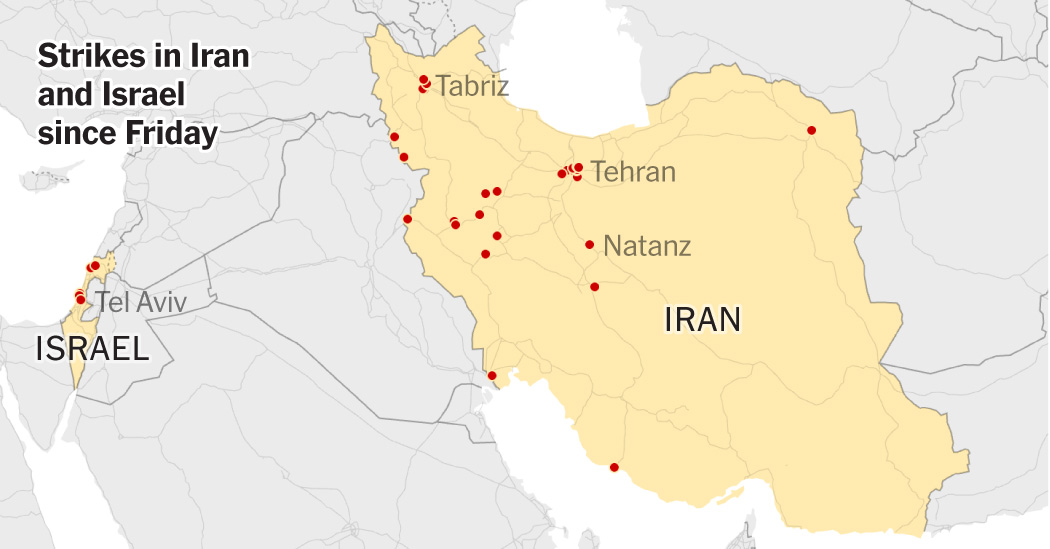
Trump’s war with Iran is emerging as a pivotal chapter in Middle East tensions, with the recent developments painting a complex picture of diplomacy and military strategy. As tensions simmer, Donald Trump recently declared that the conflict he ignited alongside Israel against Iran is nearly concluded, despite the deployment of an additional 10,000 US troops to the region. This strategic military maneuver highlights the intricate dynamics of the Iran-Israel conflict and poses questions about the future of US involvement. Furthermore, Pakistan’s army chief, Asim Munir, has arrived in Tehran with a mediation team, underscoring the global efforts to de-escalate potential hostilities and facilitate dialogue. With the potential for renewed conflict hanging in the balance, the international community watches closely as these developments unfold, hoping for a peaceful resolution amidst the complexities of regional politics.
The ongoing conflict involving Trump and Iran can be viewed through the lens of geopolitical strategy and regional cooperation, particularly when considering its implications for Middle Eastern stability. As tensions persist, Trump’s engagement in hostilities has resulted in significant military deployments, shaping the landscape of US troops in the area. Notably, the conflict’s potential impacts extend beyond Iran, entwining with the broader scope of the Iran-Israel conundrum and drawing in external actors such as Pakistan, which is now seeking to mediate with its intervention team in Tehran. As nations grapple with the stakes of this international crisis, the delicate balance of power in the Middle East becomes ever more crucial. Understanding these multifaceted issues enhances our grasp of not only the immediate conflict but also the broader implications for future relations in the region.
Trump’s War with Iran: A Tipping Point
In recent developments, Donald Trump has claimed that the ongoing war he orchestrated against Iran, alongside Israel, is nearing its conclusion. This assertion comes amid escalating Middle East tensions and a significant increase in US troop deployment to West Asia. The strategic positioning of an additional 10,000 US troops indicates a calculated move aimed at bolstering defense and supporting allied operations in a volatile region. Trump’s comments reflect a blend of confidence in US military capabilities and a desire to shift the narrative surrounding his administration’s foreign policy decisions in the Middle East.
However, the war’s alleged impending conclusion might be more complex than Trump’s assertion suggests. Iranian forces have continued to demonstrate resilience in the face of external pressures, and the geopolitical landscape remains fraught with unpredictability. The Iran-Israel conflict has not only drawn the direct engagement of these nations but also implicates global powers, raising concerns about a broader confrontation. Trump’s strategy appears to attempt to create a semblance of stability while dealing with the realities of a protracted conflict that shows no signs of an easy resolution.
Frequently Asked Questions
What were the key developments in Trump’s war with Iran recently?
Recently, Donald Trump announced that the war he initiated with Israel against Iran was nearing its end. However, in a show of military strength, an additional 10,000 US troops were deployed to West Asia. This move highlights ongoing Middle East tensions, even as Pakistan’s army chief, Asim Munir, arrived in Tehran with a mediation team aimed at diffusing the situation and preventing a resurgence of the conflict.
| Key Point |
|---|
| Donald Trump announced the war initiated with Israel against Iran is nearly concluded. |
| 10,000 additional US troops have been deployed to West Asia. |
| Pakistan’s army chief Asim Munir is in Tehran to mediate and prevent further conflict. |
| Munir previously facilitated the last round of discussions aimed at peace. |
| The goal of ongoing efforts is to bridge gaps between Iran and the involved parties. |
Summary
Trump’s war with Iran is reaching a pivotal point as recent statements reveal that the conflict he initiated alongside Israel is nearly at an end. However, the deployment of an additional 10,000 US troops underscores the ongoing tensions in the region. With the arrival of Pakistan’s army chief, Asim Munir, in Tehran for mediation, there are renewed efforts to facilitate dialogue between Iran and the involved parties. This ongoing diplomatic mission aims to prevent a resurgence of conflict, highlighting the complexity and volatility of the situation. As the U.S. balances military presence and diplomatic negotiation, the future of Trump’s war with Iran remains uncertain, contingent on the success of mediation efforts and the geopolitical dynamics at play.



























