

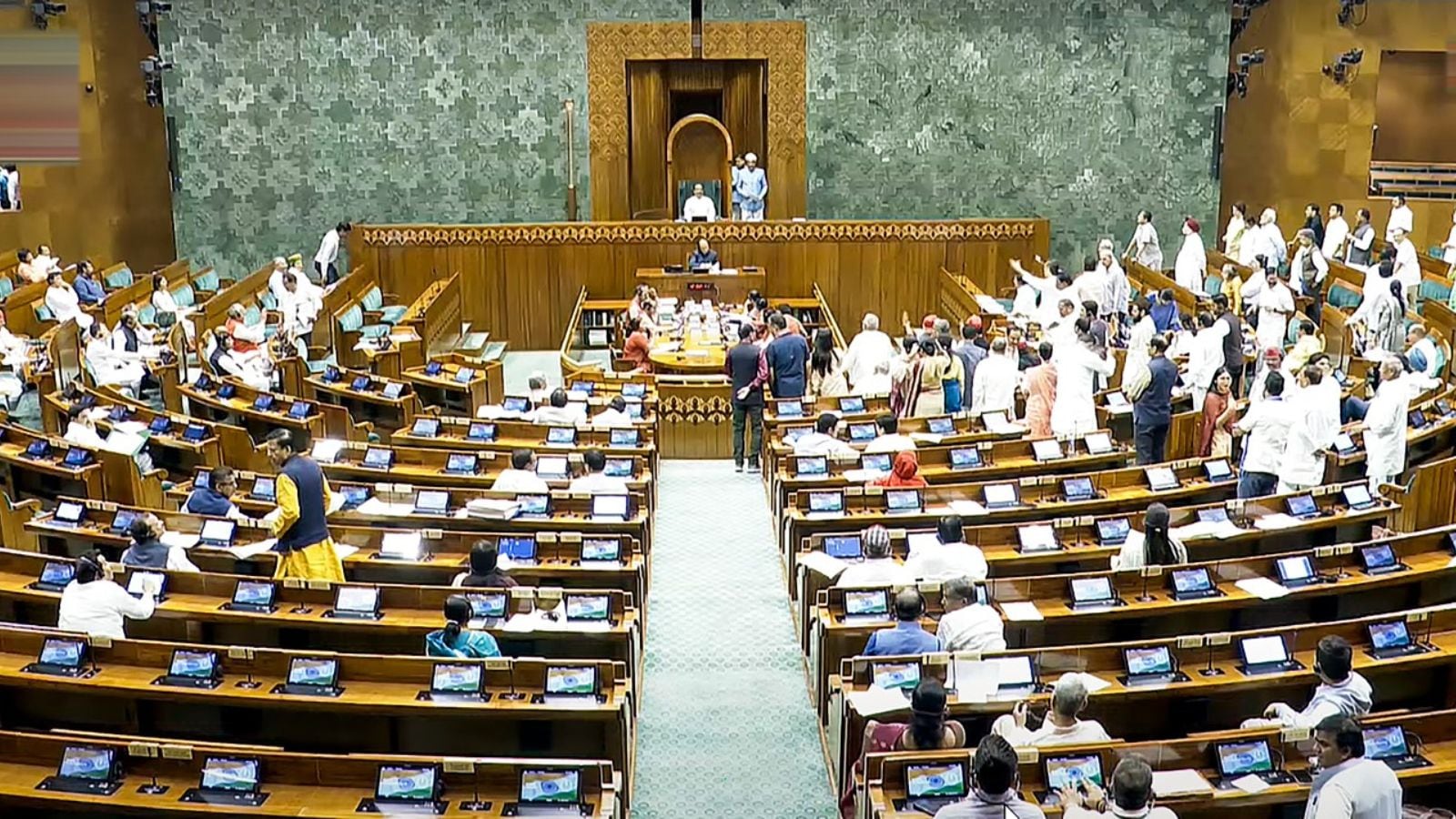
Women’s empowerment is crucial for fostering equality and promoting societal growth in India. Recently, Prime Minister Narendra Modi emphasized this vital issue on social media, coinciding with significant Parliament session news about the women’s reservation bill. This pivotal piece of legislation aims to enhance women’s rights in India by ensuring their adequate representation in decision-making processes. Empowering women not only uplifts individuals but also transforms communities and economies, leading to wider social progress. As discussions continue around this topic, the need for collective action in addressing women’s issues remains pressing across various platforms.
The advancement of female rights and advocacy for gender equality are increasingly becoming focal points of discussion across various channels. As the government rallies support for legislative measures like the women’s reservation bill, many are hopeful for tangible results during the upcoming Parliament sessions. Activists and leaders are utilizing social media to spotlight pressing women’s issues and mobilize public support toward creating an inclusive society. This growing movement for gender parity emphasizes the importance of empowering women to improve not only their lives but the fabric of the nation. By highlighting narratives of strength and resilience, society can create greater awareness and action toward equitable representation.
Focus on Women’s Reservation Bill
The Women’s Reservation Bill has emerged as a pivotal piece of legislation aimed at bolstering women’s representation in India’s political landscape. This bill seeks to reserve one-third of the seats for women in the Lok Sabha and state legislative assemblies, thereby paving the way for increased participation of women in decision-making processes. By bringing more women into parliament, the government envisions a more equitable representation, which is vital for addressing the unique challenges faced by women in India. Prime Minister Narendra Modi’s recent social media post about women’s empowerment underscores the necessity of such legislative measures, especially as discussions on the bill gain momentum during the ongoing Parliament session.
The significance of the Women’s Reservation Bill cannot be overstated, as it symbolizes progress towards achieving women’s rights in India. Advocates argue that without legislative backing, the dreams of countless women to serve in public office remain hindered. Furthermore, this bill aligns with broader global movements advocating gender equality and empowerment. Social media platforms have become explosive spaces where women’s issues are amplified, and the sentiment surrounding the Women’s Reservation Bill is one such example where supporters are rallying together to promote political inclusivity. In this context, Prime Minister Modi’s active engagement on this topic signifies an acknowledgment of the growing demand for reforms that enhance women’s participation in political arenas.
Opposition Raises Concerns Over Delimitation
The topic of delimitation has emerged as a contentious issue within the context of the Women’s Reservation Bill, especially with some opposition parties expressing their apprehensions. They argue that the process of redrawing electoral boundaries must be approached with caution, particularly considering the implications this may have on women’s representation. Concerns have been raised that any changes to constituency boundaries could disproportionately affect women candidates, who may already face significant barriers to entering politics. This conversation brings forth the importance of ensuring that as the Women’s Reservation Bill is debated, the approach towards delimitation is inclusive and equitable.
Additionally, the discussions surrounding delimitation reflect broader themes of fairness and inclusivity in the electoral process. While some leaders emphasize that delimitation is necessary for fair representation, critics point out that it could complicate the aims of the Women’s Reservation Bill. As the ruling party navigates through Parliament session news updates, the dialogue between the government and opposition will be crucial in ensuring that the rights of women are upheld. Social media platforms have also become vital arenas for these discussions, enabling activists and concerned citizens to voice their opinions and influence the broader narrative surrounding women’s empowerment in India.
Frequently Asked Questions
What is the significance of the women’s reservation bill in India’s women’s empowerment agenda?
The women’s reservation bill aims to enhance women’s empowerment by reserving a certain percentage of seats for women in legislative bodies. This legislative change is crucial for improving women’s rights in India, as it promotes greater participation of women in governance. Prime Minister Narendra Modi recently highlighted this issue on social media during the Parliament session, emphasizing the government’s commitment to empowering women. By addressing concerns about representation and ensuring a voice for women in decision-making, the bill is a significant step towards gender equality and empowerment.
| Key Point | Details |
|---|---|
| Women’s Empowerment | Prime Minister Narendra Modi emphasized the importance of women’s empowerment in a recent post on social media. |
| Women’s Reservation Bill | The focus was particularly on the Women’s Reservation Bill, which aims to enhance women’s representation in Parliament. |
| Opposition Concerns | Opposition parties have raised concerns regarding delimitation, questioning the implications for the Women’s Reservation Bill. |
Summary
Women’s empowerment remains a crucial topic in today’s world, highlighting the need for gender equality and increased representation in decision-making processes. This recent discourse led by Prime Minister Narendra Modi not only underscores the significance of legislative efforts like the Women’s Reservation Bill but also draws attention to the challenges posed by opposition concerns. Through such discussions, we gain insight into the ongoing struggle for women’s rights and the essential role that legislation plays in facilitating a more equitable society. Engaging in dialogue about women’s empowerment fosters awareness and encourages active participation in the push for systemic change towards equality.



























