

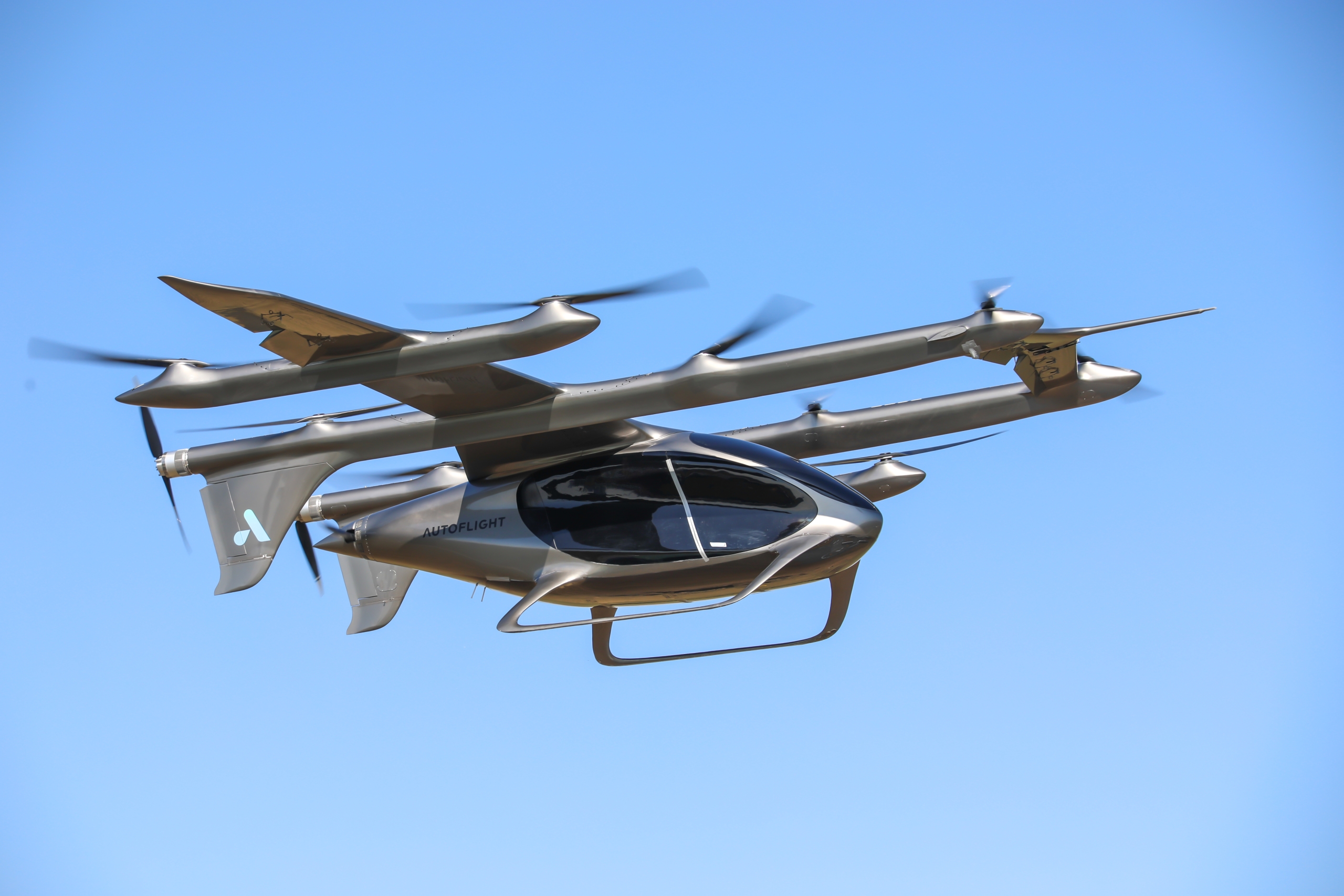
Flying taxis are set to revolutionize urban mobility, bringing the future of travel closer than ever. These innovative eVTOL aircraft promise to transform how we navigate busy cityscapes, dramatically reducing commute times and enhancing overall convenience. In Dubai, the Roads and Transport Authority (RTA) is at the forefront of this movement, paving the way for commercial air taxi operations expected to launch by the end of 2026. The introduction of vertiport facilities throughout the city will integrate aerial and terrestrial transport, shaping a new era of transportation efficiency. As these air taxis take to the skies, they will not only elevate the travel experience but also redefine urban connectivity in a remarkably short time.
These advanced aerial transportation solutions, often referred to as air taxis, represent a significant leap in how we think about commuting and urban travel. With the rapid development of electric vertical take-off and landing (eVTOL) technology, cities like Dubai are embracing this innovative means of getting from one place to another. Known for their ability to navigate congested areas swiftly, these flying vehicles will play a crucial role in enhancing urban infrastructure with strategically placed vertiport facilities. As we move towards a future where such air mobility options become commonplace, the landscape of transportation will be reshaped, making long-awaited travel improvements a reality for everyone. The convergence of aerial transport and existing urban systems marks an exciting chapter in our transport evolution.
The Rise of Flying Taxis in Urban Mobility
Flying taxis, or air taxis, represent a revolutionary breakthrough in urban mobility solutions. This innovative mode of transportation involves electric vertical take-off and landing (eVTOL) aircraft that seamlessly integrate into the existing urban infrastructure. Such advancements enable cities like Dubai to embrace a more futuristic approach to daily commutes. With the potential to significantly reduce travel times, flying taxis promise to reshape the urban landscape and enhance accessibility for residents and tourists alike.
Companies like Joby Aviation are at the forefront of developing these eVTOL aircraft, showcasing their commitment to revolutionizing transportation in cities worldwide. In collaboration with Dubai’s Roads and Transport Authority (RTA), this initiative underscores a strategic effort to evolve urban mobility. As flying taxis prepare for commercial rollout by 2026, residents can anticipate a new era where congested roads become a relic of the past, promoting a cleaner, faster, and more efficient means of traveling.
Vertiport Facilities: The Groundwork for Future Travel
The introduction of vertiport facilities is essential for the success of flying taxis and eVTOL aircraft. These specialized locations are strategically designed to support the take-off, landing, and servicing of air taxis, making them a cornerstone of urban mobility. Positioned conveniently near high-traffic areas, vertiports will enable easy connections between aerial and terrestrial transportation, facilitating smoother transitions for passengers. In Dubai, the proximity of these facilities to major landmarks further enhances their efficacy in urban travel.
The establishment of vertiport facilities throughout Dubai, including key locations like Downtown Dubai and Dubai Marina, marks a significant advancement in the city’s infrastructure. Not only do these facilities prepare the groundwork for the commercial operation of flying taxis, but they also align with global trends towards sustainable and innovative travel solutions. By integrating vertiports into the urban fabric, Dubai is paving the way for enhanced commuter experiences and setting a benchmark for other cities exploring the potential of air taxis.
Transforming Daily Commutes with Air Taxis
The transformation of daily commutes through air taxis is nothing short of revolutionary. Currently, a journey that takes approximately 45-50 minutes by road could shrink to just 10 minutes via air taxi services. This significant reduction in travel time holds the promise of not only enhancing personal convenience but also revitalizing the urban landscape. Commuters will have more time to engage in other activities, potentially leading to increased productivity and improved quality of life.
Moreover, the efficiency brought by air taxis aligns perfectly with the global movement towards sustainable travel. With electric engines and innovative design, eVTOL aircraft are set to minimize carbon footprints, contributing to cleaner cities. As this transportation model gains traction, it stands to attract a diverse range of users, from daily commuters to tourists looking to explore Dubai’s attractions swiftly. The shift towards such futuristic travel solutions signifies a monumental leap towards the future of urban mobility.
The Collaboration Behind Dubai Air Taxis
The launch of air taxis in Dubai is greatly attributed to a robust collaboration between public and private sectors. The Roads and Transport Authority (RTA) has been pivotal in fostering partnerships with pioneering companies like Joby Aviation to ensure the successful development and implementation of eVTOL aircraft. This collaborative effort highlights a vision where technological innovation meets public service, aiming to enhance urban transportation.
By working together, various stakeholders are aligned in their goal to bring the futuristic concept of air taxis from a mere idea to reality. Such partnerships not only facilitate technological advancements but also set a precedent for other cities considering similar projects. The synergy between industry leaders and government bodies is vital for realizing the full potential of urban aviation and ensuring that air taxis become a viable travel option by the designated timeline.
Benefits of eVTOL Aircraft in Urban Transportation
The deployment of eVTOL aircraft for urban transportation presents numerous benefits that extend beyond mere convenience. Firstly, these aircraft are designed for efficiency; they can operate in varied environments, making them ideal for city landscapes. Their vertical take-off and landing capabilities eliminate the need for extensive runway space, allowing them to be integrated into urban settings without disrupting existing infrastructure.
Additionally, eVTOL aircraft offer a reliable alternative to traditional vehicles that contribute to road congestion. The ability to bypass traffic not only saves time but also encourages a shift towards more sustainable travel modes. As cities like Dubai invest in these high-tech solutions, they are ultimately contributing to a cleaner environment, reduced noise pollution, and a reimagined future of travel that aligns with the goals of modern urban living.
Air Taxi Tourism: A New Frontier in Travel Experiences
The introduction of air taxis opens up exciting new avenues for tourism. Visitors to Dubai will soon have the opportunity to explore the city from above, enjoying aerial views of iconic landmarks like the Burj Khalifa and Palm Jumeirah in a fraction of the time it would take by land. This unique travel experience is set to attract not only tourists looking for adventure but also contribute significantly to the local economy, enhancing Dubai’s reputation as a leading global tourist destination.
Moreover, the convenience of air taxis reassures tourists who may be unfamiliar with the city’s transport systems, making their visits more enjoyable and less stressful. The promise of quick and scenic travel routes enhances the overall experience and encourages greater exploration of less accessible areas. As air taxis become a staple of urban tourism, they will redefine travel expectations and provide memorable experiences that elevate the concept of luxury travel in Dubai.
Challenges Facing the Implementation of Flying Taxis
While the vision of flying taxis is promising, several challenges must be addressed to ensure their successful implementation. Regulatory frameworks surrounding aviation safety, air traffic management, and urban density need to be developed and fine-tuned. Governments and industry leaders must work collaboratively to establish guidelines that prioritize public safety while embracing innovation. Addressing these regulatory hurdles will be crucial in gaining public trust and confidence in this new mode of transportation.
Additionally, infrastructure investment is required to build the necessary vertiports and supporting facilities for eVTOL aircraft. This includes ensuring adequate ground connectivity and streamlined integration with existing transport systems. Failing to address these infrastructure needs could undermine the potential benefits of air taxis, making it essential for stakeholders to work proactively to create a seamless transportation ecosystem that effectively supports this new era of urban mobility.
The Future of Travel with Flying Taxis
The future of travel is undeniably linked to the proliferation of flying taxis and eVTOL aircraft. With the rapid growth of urban populations and the corresponding rise in traffic congestion, air taxis represent a viable solution that can alleviate many logistical challenges faced by contemporary cities. As more cities follow Dubai’s lead and explore the integration of aerial vehicles into their transportation networks, we can expect to see a transformative shift in urban mobility paradigms.
Furthermore, as technology continues to advance and public acceptance grows, flying taxis will likely become a regular feature of everyday travel. The continuous development of infrastructure, enhanced safety measures, and collaborative efforts between technology providers and city planners will create a robust framework for these air taxis. Ultimately, the vision of a future filled with efficient, eco-friendly travel options is becoming a reality, marking a significant milestone in global transportation.
Preparing Cities for Air Taxi Operations
Preparing cities for air taxi operations involves a comprehensive approach to urban planning and infrastructure development. Cities like Dubai are already taking steps to ensure that they are equipped to handle the demands of air mobility. This includes designing vertiport facilities and ensuring suitable routes for eVTOL aircraft to minimize disruptions to existing transport systems. Integrating air taxis into the public transport landscape requires forward-thinking policy-making and collaboration among multiple sectors.
As cities evolve to accommodate this new form of transportation, stakeholders must consider factors such as noise pollution, safety regulations, and community acceptance. Public engagement is essential to foster trust and address any concerns potential users may have. By investing in education and showcasing the benefits of flying taxis, urban planners can enhance the overall acceptance of air mobility solutions, thus paving the way for smoother operations in the near future.
Frequently Asked Questions
What are flying taxis and how will eVTOL aircraft revolutionize urban mobility?
Flying taxis, powered by eVTOL (electric vertical take-off and landing) technology, are set to transform urban mobility by providing quick, efficient transport options above congested city streets. Developed in cities like Dubai, these air taxis utilize specialized vertiport facilities for seamless integration with terrestrial transportation. Commencing commercial operations by the end of 2026, flying taxis will drastically reduce travel time; a journey that currently takes 45-50 minutes by road could decrease to just 10 minutes. This innovation promises to redefine the future of travel, offering a groundbreaking solution to urban traffic challenges.
| Feature | Details |
|---|---|
| Concept | Flying taxis, or air taxis, are designed to be a practical everyday mode of transport. |
| Technology | Utilizes electric vertical take-off and landing (eVTOL) aircraft. |
| Key Players | Developed by companies like Joby Aviation and Dubai’s RTA. |
| Operational Start | Expected to commence commercial operations by the end of 2026. |
| Milestone | Significant step in Dubai’s urban mobility vision. |
| Location | Located near Dubai International Airport with links to terrestrial and aerial mobility. |
| Travel Time Reduction | Reduces commuting time significantly from 45-50 minutes by road to just 10 minutes. |
| Capacity | Each aircraft can accommodate about four passengers and a pilot. |
Summary
Flying taxis represent a revolutionary shift in urban transportation, paving the way for a future where daily commutes are not only efficient but also time-saving. With air taxis set to begin operations in 2026 in Dubai, this innovative mode of transportation promises to reduce travel times dramatically, connecting key locations throughout the city in as little as 10 minutes. This groundbreaking initiative, anchored by key collaborations between industry leaders and local authorities, signifies a transformative leap towards modern urban mobility. As the world anticipates the launch of flying taxis, the potential for convenience and seamless travel remains unparalleled, marking the dawn of a new era in how we navigate our cities.



























