

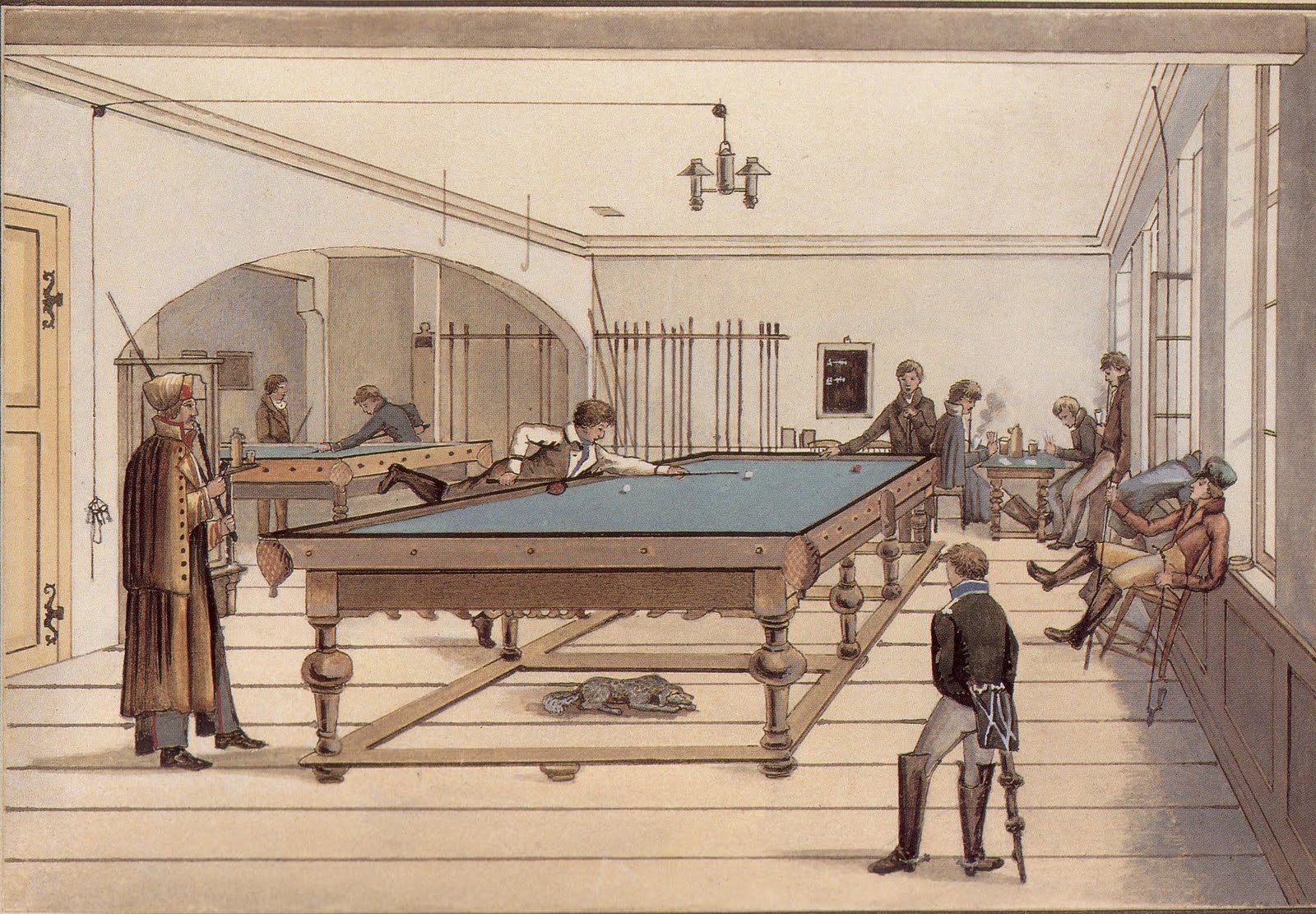
The history of snooker is a fascinating chronicle that traces its roots back to the officers’ mess of a British Army regiment in Jabalpur, India, during the 19th century. Originally conceived as a leisurely pastime for British officers, the sport has undergone significant transformation, evolving into a highly competitive global phenomenon. Over the decades, snooker has garnered immense popularity, culminating in a rich tradition marked by legendary players who have left an indelible mark on modern snooker. From the gripping matches of Ray Reardon to the explosive style of Ronnie O’Sullivan, the snooker sport evolution reflects a captivating journey that highlights its origins and the impact of television on its widespread appeal. Today, snooker is not only celebrated in Britain but also enjoys a vibrant following worldwide, particularly in countries like India, where it has become deeply ingrained in the cultural fabric.
The captivating lineage of cue sports like billiards and snooker can be traced to colonial pastimes, which transformed over time into an acclaimed international craft. This evolution of cue sports saw the rise of popular figures and televised tournaments, drawing in audiences and spurring a new generation of competitive players. The interplay between tradition and contemporary styles defines how modern cue sports, particularly snooker, have reshaped their own narratives and embraced a diverse fanbase globally. As enthusiasts engage with the intricate strategies and breathtaking skills on display, the growth of snooker reflects its adaptability and the universal appeal of competitive sports. The resonance of this sport today echoes the passion that first ignited its creation in India, bridging cultures and generations.
The Origins of Snooker: Tracing Its Historical Roots
Snooker has a rich history that traces its roots to the mid-19th century, specifically in the colonial era of India. The game is believed to have been created in 1875 by British Army officers stationed in Jabalpur. Initially a variant of billiards, it quickly evolved into a distinct game as players began to establish rules and scoring systems that would define snooker as we know it today. This period marked the transformation of a casual pastime into a structured sport, establishing the groundwork for its future popularity.
The significance of snooker’s origins cannot be overstated, as it reflects not only the cultural interactions of the time but also the competitive spirit that characterized British colonial society. This once-niche activity gradually began to garner interest back in Britain, where it would flourish, leading to the development of professional leagues and tournaments. Over time, the growing enthusiasm for snooker in the UK played a pivotal role in shaping the sport’s evolution into a global phenomenon.
The Evolution of Snooker as a Global Sport
Since its inception, snooker has undergone considerable evolution. What started as a leisurely activity in a remote colonial outpost soon gained traction across the British Isles and eventually worldwide. The advent of televised snooker in the late 20th century heralded a new era for the sport, introducing it to a broader audience and significantly increasing its popularity. Landmark events, particularly the Pot Black series in 1969, brought snooker into living rooms, making it more accessible and appealing to fans who had never before witnessed the game in action.
As snooker gained global appeal, it attracted talents from various countries, transforming the competitive landscape. Modern snooker players such as Stephen Hendry, Ronnie O’Sullivan, and others emerged as household names, embodying the spirit and skill that drew fans to the sport. Today, snooker is celebrated not only in the U.K. but increasingly in regions such as Asia and Europe, reflecting its robust international footprint and cementing its status as a premier cue sport in the global sports arena.
Influential Players Who Shaped Modern Snooker
The modern era of snooker has been characterized by remarkable players who have not only displayed extraordinary skill but have also contributed to the sport’s evolution and global reach. Figures like Ray Reardon and Steve Davis became synonymous with snooker in the 1980s, showcasing their prowess in numerous televised matches. Their charisma and competitive spirit captivated audiences, leading to a surge in snooker’s popularity, which was essential for its recognition as a legitimate sport beyond the traditional billiards framework.
More recent players like Ronnie O’Sullivan have continued this trend, bringing their unique flair to the game and significantly contributing to its narrative. O’Sullivan’s exceptional talent and charismatic personality have not only endured his three-decade-long career but also attracted younger audiences to snooker. His presence has been pivotal in maintaining the sport’s relevance in a rapidly changing entertainment landscape, ensuring that snooker continues to thrive on the international stage.
Snooker in India: A Growing Influence
India’s connection to snooker goes back to its creation in the 19th century, and the sport has seen a significant rise in popularity within the country in recent decades. Snooker’s establishment as a competitive sport in India reflects the country’s rich history with cue sports, which also include billiards and other variants. Local players have started making waves on the international stage, showcasing the skill and talent nurtured by snooker’s growing infrastructure in India.
Promoting snooker has become a priority for Indian sporting institutions, with initiatives to develop training academies and host professional tournaments that attract international competitors. This will not only elevate the profile of Indian snooker but also inspire a new generation of players to take up the sport, maintaining the historical connection established over a century ago. As a result, snooker continues to enjoy a rejuvenated legacy in India, with potential for further growth and international recognition.
The Global Popularity of Snooker Today
In recent years, snooker has witnessed an incredible surge in global popularity, with millions of viewers tuning in to watch tournaments around the world. This growth can be attributed to advancements in broadcasting technology, extensive media coverage, and the sport’s appeal as both a competitive and entertaining spectacle. Major tournaments, such as the World Snooker Championship, draw extensive international participation and media attention, further cementing its status as a major sporting event.
Moreover, the increasing engagement of fans and players from diverse backgrounds has led to a richer competitive tapestry, enhancing the appeal of snooker on a global scale. With governing bodies striving to promote the sport through various outreach programs and digital platforms, snooker is poised to maintain its upward trajectory. As it continues to incorporate diverse players and audiences, the sport’s worldwide footprint will only expand, ensuring snooker’s place in the pantheon of globally loved sports.
Frequently Asked Questions
What are the origins of snooker and how did it evolve into a global sport?
Snooker originated in 1875 in India, where it was developed by British Army officers stationed in Jabalpur. The game was initially a leisure activity but quickly evolved into a structured sport as it made its way back to Britain. The ‘Pot Black’ series in 1969 helped to propel snooker into popular culture, showcasing the sport in color and dramatically increasing its visibility. Over the years, snooker has gained global popularity, with legendary players like Ronnie O’Sullivan and Stephen Hendry further elevating its status.
| Key Points | Details |
|---|---|
| Origins | Snooker originated in 1875 in India among British Army officers. |
| Development into a sport | The game evolved from a colonial pastime to a structured competitive sport. |
| Television and Popularity | The introduction of color television with the Pot Black series in 1969 made snooker more accessible and popular. |
| Key Players | Notable players include Ray Reardon, Alex Higgins, Steve Davis, Dennis Taylor, Stephen Hendry, and Ronnie O’Sullivan. |
| Current Status | Snooker is now a global sport, still connected to its early roots. |
Summary
Snooker history has evolved from its humble beginnings in the officers’ mess of British Army barracks in India to become a celebrated global sport. The journey of snooker history reflects not only the transformation of a men’s pastime but also how it has embraced modernity through television and iconic players. Throughout the decades, figures like Stephen Hendry and Ronnie O’Sullivan have propelled the sport into international prominence, while significant milestones such as the Pot Black series have enhanced its accessibility. Today, snooker continues to honor its rich heritage while expanding its reach and influence worldwide.



























