

Wi-Fi dead zones are the bane of many internet users, causing frustration during important online tasks. These areas, bereft of reliable wireless connectivity, can disrupt everything from streaming movies to virtual meetings. Thankfully, there are practical solutions available to boost Wi-Fi signal and eliminate these troublesome black spots. One clever hack involves utilizing curved aluminum foil to enhance your Wi-Fi strength by reflecting signals toward your router’s weak spots. By simply placing aluminum foil behind your router, you can improve Wi-Fi signal reflection and ensure a more seamless online experience.
Many individuals encounter persistent connectivity issues in their homes or offices, often referred to as Wi-Fi black spots or weak zones. These areas can hinder access to online content and diminish productivity, particularly when streaming services or important video calls are interrupted. To combat this, a frugal yet effective remedy can be employed to enhance wireless connection quality. By utilizing everyday materials such as curved aluminum foil, you can create an improvised reflector to direct your network signals better. This simple modification not only amplifies your internet coverage but also optimizes your overall digital experience.
Understanding Wi-Fi Dead Zones and Their Impact
Wi-Fi dead zones are frustrating barriers in our homes, often emerging in areas farthest from the router. These zones can significantly diminish internet experience during vital online activities like video conferencing or streaming. Being in a dead zone usually translates to slow speeds and frequent interruptions, prompting many users to contemplate expensive solutions such as a mesh network or extending their current router’s range. However, understanding the nature of these dead zones can help identify simple yet effective solutions to boost Wi-Fi signals without breaking the bank.
The impact of Wi-Fi dead zones extends beyond mere inconvenience; they can disrupt work-from-home setups, hinder productivity, and affect overall satisfaction with an internet service. Common causes for these dead zones include structural barriers, such as thick walls and appliances that may obstruct communication signals. Recognizing that these problems can often be resolved through strategic adjustments or DIY hacks empowers users to reclaim their connectivity and enhances their online experience.
How Aluminum Foil Can Boost Your Wi-Fi Signal
Aluminum foil is not just a kitchen staple; it doubles as an ingenious solution to enhancing your Wi-Fi signal strength. By using aluminum foil behind your router, you can effectively reorient wireless signals that may otherwise drift away or become weak due to obstructions. This kitchen hack harnesses the principles of signal reflection, where the foil redirects the Wi-Fi waves towards dead zones, thereby bolstering your connection. According to findings, this method can significantly enhance your signal, receiving up to six additional decibels.
To implement this method, position a curved piece of aluminum foil behind your Wi-Fi router. The curvature plays a pivotal role in the effectiveness of this aluminum foil hack; a flat piece won’t create the desired effect of focusing signals. Adjusting the angle of the foil can also help it bypass common obstacles like large furniture that interferes with the direct path of the waves, ensuring a stronger Wi-Fi connection throughout your home.
Crafting Your Own Wi-Fi Signal Reflector
Creating an effective Wi-Fi signal reflector is a straightforward DIY project that can be accomplished with just a few materials, primarily aluminum foil and a piece of cardboard. The cardboard serves as a sturdy base while the aluminum foil is the reflective surface that amplifies and directs your Wi-Fi signals. By curving the cardboard slightly, you can focus the signals effectively instead of merely bouncing them in random directions. This curvature makes the signals travel farther and reach areas that typically experience poor connectivity.
Once you’ve created your custom Wi-Fi reflector, positioning it correctly is critical. To maximize the benefits of this setup, place your router in an optimal location—ideally, a central point in your home—while ensuring the curved reflector angles away from potential obstructions. Frequent adjustments to both the angle of the reflector and the router can reveal the configuration that produces the best signal strength. This simple and low-cost hack not only enhances your internet connection but also adds an extra layer of data security by limiting external interference.
Exploring Other Practical Solutions to Improve Wi-Fi Strength
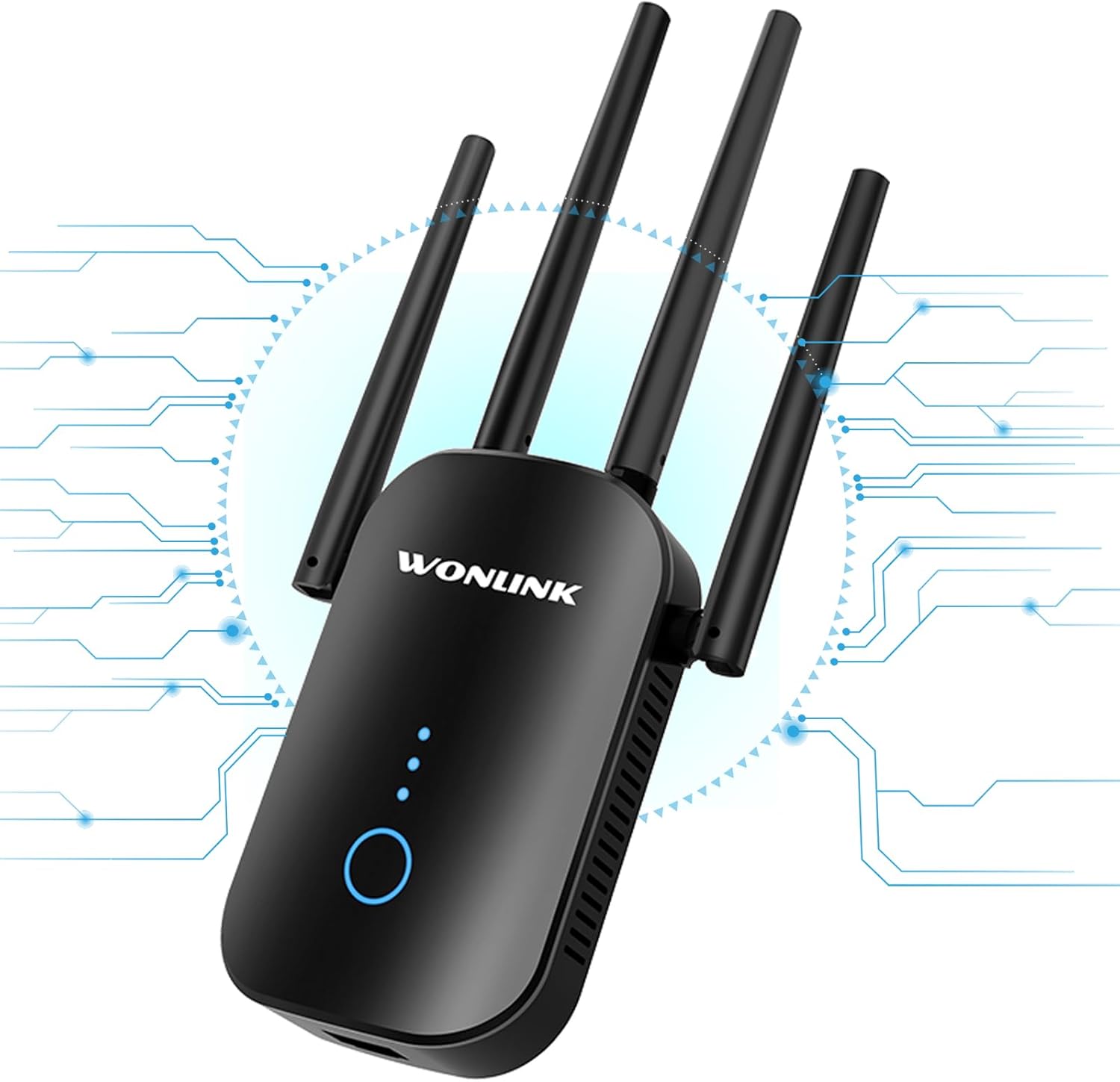
While the aluminum foil hack is effective, there are several other practical solutions to improve your Wi-Fi strength. Ensuring that your router is positioned at an elevated height and away from walls and obstructions can help maximize the effective range of your Wi-Fi. Additionally, replacing outdated hardware or updating firmware can provide a significant boost in performance. Investing in high-gain antennas or Wi-Fi extenders can also help bridge those annoying gaps caused by dead zones.
Another helpful tip involves changing the channel of your Wi-Fi band. Most routers operate over medium frequencies, which can become overcrowded, especially in densely populated areas. By switching to less congested channels, you can reduce interference from neighboring networks and improve your overall Wi-Fi experience. Combining these methods with our aluminum foil hack can lead to a considerably enhanced internet experience in every corner of your home.
The Science Behind Wi-Fi Signal Reflection
The science of Wi-Fi signal reflection revolves around the idea of radio waves, which propagate through space. Wi-Fi certification ensures that devices communicate using standard frequencies, primarily 2.4 GHz and 5 GHz. These frequencies typically have varying propagation patterns affected by walls, materials, and even the layout of your home. By using aluminum foil to reflect these signals, you can effectively redirect large expanses of the radio waves, channeling them into areas suffering from dead zones.
Research has shown that aluminum foil acts as a highly efficient reflector due to its metallic properties. When shaped correctly, it can enhance the distribution of the Wi-Fi signals across your indoor environment. This understanding allows users to capitalize on both practical and cost-effective solutions to improve their home connectivity, emphasizing that simple household materials can play a pivotal role in modern internet use.
Safe Practices While Adjusting Your Wi-Fi Setup
While undertaking modifications to your Wi-Fi setup, especially when employing hacks like the aluminum foil reflector, it’s essential to adhere to safe practices. Avoid placing your router near metal objects or in enclosed spaces to prevent signal loss. Additionally, ensure that the placement of materials like aluminum foil does not interfere with the router’s vents or cause overheating, which could shorten its lifespan.
Furthermore, while experimenting with different configurations can yield great results, monitoring the quality of your connection is crucial. Regularly testing your signal strength using apps or built-in diagnostics can inform you of the effectiveness of your adjustments. By combining systematic approaches to optimizing your Wi-Fi strength with necessary safety practices, you can significantly improve your digital experience.
The Cost-Effectiveness of DIY Wi-Fi Enhancements
One of the prime advantages of using household items such as aluminum foil for Wi-Fi enhancement is their cost-effectiveness. Instead of investing hundreds of dollars in new routers or mesh network systems, utilizing common kitchen supplies offers a low-risk alternative for families looking to improve their internet performance. This method costs little, considering most homes already possess aluminum foil, making it an accessible option for everyone.
In addition to the monetary savings, creating your own Wi-Fi reflector helps minimize environmental waste, promoting sustainable practices. By adopting DIY solutions, users can not only save money but also contribute to a more eco-friendly household. Thus, these homemade hacks combine affordability and efficiency, providing any method to rectify Wi-Fi dead zones significantly.
Leveraging Positioning for Optimal Wi-Fi Coverage
Understanding the importance of router positioning can dramatically affect the effectiveness of your Wi-Fi signal. Most experts recommend placing your router in a central location, elevated from the ground, and with minimal obstructions from walls and furniture. This strategic placement allows for an even distribution of Wi-Fi signals throughout your environment, minimizing the impact of dead zones in your home.
Additionally, adjusting the orientation of your router can further enhance coverage. By experimenting with the direction the antennas point or the height they sit at, users can maximize the signal’s reach. When combined with the aluminum foil reflector method, proper positioning lays a solid foundation for achieving excellent Wi-Fi connectivity in every room, ensuring a seamless digital experience.
The Future of Wi-Fi Solutions: Innovation and Technology
As technology continues advancing, solutions to improve Wi-Fi strength and overcome dead zones are getting more sophisticated and accessible. Future developments might include smarter routing devices that learn user behaviors and adjust signals accordingly or even the utilization of Artificial Intelligence to manage home networks more effectively. The push towards smart home integrations will likely lead to better connected environments, where maintaining strong Wi-Fi coverage becomes effortless.
However, even with these advancements, practical hacks like using aluminum foil serve as a reminder that effective solutions often lie in familiar, everyday items. By blending innovative technologies with time-tested methods, users can navigate their digital landscapes more easily, question the need for extensive upgrades, and focus on optimizing their current setups.
Frequently Asked Questions
How can I boost Wi-Fi signal in dead zones with aluminum foil?
You can improve Wi-Fi strength in dead zones by utilizing the aluminum foil hack. By creating a curved reflector with aluminum foil and positioning it behind your router, you can effectively redirect Wi-Fi signal reflection towards areas with weak connections. This cost-effective method can enhance your signal strength significantly, providing a better online experience.
| Key Point | Details |
|---|---|
| Wi-Fi Dead Zones | Frustration arises from weak signals during important online activities. |
| DIY Aluminum Foil Hack | Using aluminum foil behind your router can redirect signals and improve connectivity. |
| Cost-Effectiveness | This method is much cheaper compared to purchasing mesh network systems. |
| Scientific Support | Research indicates aluminum foil can boost signal strength by up to six decibels. |
| Reflector Construction | A curved aluminum foil reflector can focus Wi-Fi signals effectively. |
| Optimal Positioning | Adjust the angle of the reflector to avoid obstructions for better performance. |
Summary
Wi-Fi dead zones are a common issue faced by many internet users, often leading to frustration during critical online moments. However, by employing a simple kitchen hack using aluminum foil, you can significantly improve your Wi-Fi connectivity without incurring high costs. This method involves creating a curved reflector that directs wireless signals effectively, enhancing signal strength and providing a cost-efficient solution. With just a few materials, you can transform your Wi-Fi experience, ensuring smoother streaming and video conferencing.



























