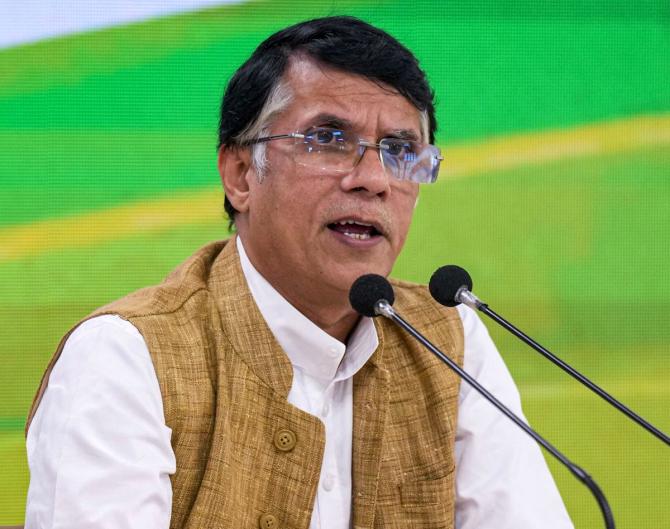
The recent Guwahati court ruling has sparked significant attention in both local and national news, particularly related to the high-profile Pawan Khera case. This decision marked a pivotal moment as the court dismissed the Assam Police’s request for a non-bailable warrant against the Congress leader, which was rooted in allegations stemming from claims made by Chief Minister Himanta Biswa Sarma’s wife. The case revolves around controversial assertions regarding Khera’s alleged multiple passports and foreign properties, raising questions about the credibility of the accusations. On April 19, the Chief Judicial Magistrate’s order pointed out the lack of material evidence supporting the warrant’s issuance, emphasizing that the officer’s grounds were merely presumptive. This ruling not only highlights the tensions within Assam’s political landscape but also affects ongoing discussions surrounding the multiple passports controversy, positioning Guwahati news at the forefront of a complex legal battle.
In the context of ongoing political disputes, the Guwahati court’s decision sheds light on the legal issues surrounding the Pawan Khera affair, where accusations made by political figures have ignited a firestorm. The ruling highlights the court’s challenges in balancing the requests of law enforcement, specifically concerning an Assam Police warrant aimed at investigating allegations of fraudulent behavior regarding identity documents. This case, which includes contentious claims about multiple passports, reflects broader themes of trust and transparency in politics. Furthermore, it raises vital questions about the power dynamics between local authorities and prominent politicians, particularly in light of the allegations brought forth by Himanta Biswa Sarma’s spouse. As this story unfolds, it poses significant implications for how legal standards are applied in politically charged environments.
Overview of the Guwahati Court Ruling on Pawan Khera
The recent ruling from the Guwahati court regarding Congress leader Pawan Khera has garnered significant attention across various news outlets. The Chief Judicial Magistrate dismissed the Assam Police’s request for a non-bailable warrant against Khera, which was sought following allegations made by Riniki Bhuyan Sharma, the wife of Chief Minister Himanta Biswa Sarma. This decision came amidst swirling controversies surrounding Khera’s statements about multiple passports and allegations involving foreign properties. The court’s order, issued on April 7 and made public on April 19, emphasized that the investigating officer’s reasoning was deeply flawed, being merely founded on assumptions rather than solid evidence.
The dismissal not only highlights issues concerning the validity of the claims against Khera but also raises questions about the legal processes involved in such high-profile cases. The court pointed out that the nature of the offenses involved are cognizable, and thus the police already had the authority to effectuate an arrest if warranted. This ruling is pivotal as it illustrates the balance the judiciary aims to maintain between allowing law enforcement to do its job while also safeguarding individual rights against unfounded legal actions.
Implications of the Assam Police Warrant Request
The implications of the Assam Police’s request for a non-bailable warrant against Pawan Khera are far-reaching, particularly in the context of political dynamics in Assam. With allegations of forging documents and making false statements during election campaigning, this case touches upon the integrity of political discourse in India. The Guwahati court’s decision reflects a commitment to due process, asserting that mere conjecture is not enough to warrant serious legal consequences like imprisonment. This ruling may serve as a precedent in future cases where political leaders are accused of misinformation or disinformation, particularly during elections.
Moreover, the public perception of law enforcement and political leaders can be significantly affected by such events. The controversy surrounding Khera’s statements about multiple passports may lead to a deeper investigation into the claims made by both parties. As this case continues to unfold, it will be interesting to witness how the involved parties respond, and how it influences voter sentiment leading up to future elections in Assam and beyond.
Political Context of the Pawan Khera Case
The case against Pawan Khera is set against a backdrop of increasing scrutiny over political accountability in India. As political tensions escalate in Assam, particularly with figures like Chief Minister Himanta Biswa Sarma involved, the allegations of Khera regarding multiple passports and foreign property seem to reflect broader issues of trust and transparency in governance. With the rise of social media and immediate public discourse, Khera’s allegations during press conferences may have been perceived not just as a personal attack against Sharma’s integrity but as part of a larger strategy in the political arena.
The involvement of law enforcement in political disputes, as seen with the allegations leading to the Assam Police’s warrant request, raises concerns about the politicization of legal tools in contemporary governance. The Guwahati news surrounding this case draws attention to the role of the judiciary in navigating these politically charged waters while attempting to preserve justice and uphold democratic principles. It also emphasizes a critical period in Indian politics where the credibility of leaders and their responses to accusations is under constant public examination.
Legal Framework Surrounding the Case
The legal framework governing the case against Pawan Khera—including the provisions from the Bharatiya Nyaya Sanhita—provides a critical contextual backdrop for understanding the court’s ruling. The sections under which Khera was accused, notably those involving false statements and cheating, highlight the serious nature of the allegations. However, the court’s rejection of the non-bailable warrant underscores the necessity for substantiated evidence in pursuing legal action, especially regarding cases intertwined with political allegations. By emphasizing that the police conducted their inquiry based on unproven assumptions, the judiciary reinforced a key principle in criminal law: that accusations must be supported by clear, factual evidence.
Furthermore, the court’s decision impacts the procedural propriety expected in such serious cases. The ruling not only sets a tone for how allegations should be handled within the political sphere but also illustrates the role of the judiciary as a guardian of civil liberties. With the potential for appeals and further legal maneuvers, this case will likely serve as a reference point for future situations where political statements lead to legal disputes, influencing how similar cases are managed moving forward.
Reaction to the Court’s Decision in Guwahati
The court’s decision in Guwahati has sparked diverse reactions among politicians, legal experts, and the general public. Many see the ruling as a protective measure for freedom of speech, particularly amidst the heightened tensions of an electoral atmosphere. The dismissal of the warrant against Pawan Khera is perceived as a stand against what some perceive to be political harassment fueled by the state’s leadership. On the other hand, supporters of the Chief Minister and those aligned with the ruling party express disappointment, arguing that accountability should be enforced rigorously, especially during election cycles.
In the realm of political commentary, the Guwahati news cycle has been buzzing with opinions on the repercussions of the courts’ stance on such sensitive allegations. Activists and legal scholars are urging for a thorough investigation into the claims made by both Khera and Sharma, advocating for a fair resolution that promotes truth rather than partisan narratives. This case’s ability to stir public discourse reflects the complexities surrounding political communications and the legal consequences that can arise from them.
The Broader Multi-passport Controversy in India
The multi-passport controversy extends beyond the Pawan Khera case, as it shines a light on broader issues of identity, legality, and governance in India. With numerous incidents reported regarding individuals allegedly holding multiple passports, this situation raises questions about the regulatory frameworks that govern citizenship and identity documents. While possessing multiple passports is legal under certain circumstances, misuse can have significant legal ramifications, prompting calls for stricter regulations and more robust verification processes by the relevant authorities.
As the discussions surrounding Khera and the allegations grow, they indicate a crucial need for clarity and transparency in how passport regulations are enforced in India. The public’s awareness and interest in the legality of multiple passports can only escalate, especially when related allegations are made during election cycles, leading to discussions about ethics and governance at high levels. Sustaining a robust dialogue about these matters could potentially lead to enhancements in policies governing citizenship documentation in the future.
Judicial Oversight in Political Allegations
Judicial oversight plays a critical role in the backdrop of politically charged allegations, such as those surrounding the Pawan Khera case. The court’s careful scrutiny in dismissing the Assam Police’s non-bailable warrant request reflects an essential principle: that legal actions must be grounded in substantive evidence rather than mere speculation. Such judicial vigilance is crucial in ensuring that the legal system remains impartial, shielding it from potential political influence or misuse as a tool of oppression against dissenting voices.
The process by which courts evaluate requests for warrants illuminates the necessary checks and balances ingrained in the Indian legal system. The perceived threat of preemptive legal actions to suppress political opposition can tarnish public trust in governance, making the court’s role as an impartial arbiter even more vital. As public and political scrutiny continues to grow in light of the Khera case, the judiciary’s decisions will undoubtedly influence how political leaders operate within the legal framework, potentially affecting their actions in future political climates.
Future Legal Challenges for Pawan Khera and Implications
As Pawan Khera navigates the legal landscape following the Guwahati court ruling, he faces a complex web of ongoing challenges. With the Assam Police’s earlier allegations and the suspension of his bail by the Supreme Court, the potential for future legal battles looms. Given the serious nature of the charges and the political context from which they arise, Khera may need to prepare for both legal proceedings and their subsequent impact on his political career. This case serves as a reminder of how legal entanglements can significantly shape the trajectories of public figures.
The implications of legal challenges extend beyond Khera as they contribute to the larger dialogue about political accountability and the power dynamics within Assam’s political landscape. As the case develops, it may set precedents for how allegations are treated in the future—especially regarding the balance between political freedom and accountability. Moreover, the attention garnered by this controversy might prompt advocates for stronger regulatory measures regarding political disclosures and statements during electoral campaigns, thus shaping public expectations of transparency moving forward.
Conclusion and Future of Political Accountability in Assam
In conclusion, the Pawan Khera case encapsulates the ongoing struggle for political accountability within Assam and highlights the interaction between law and politics. The Guwahati court’s ruling, dismissing the warrant request, establishes an important legal precedent that underscores the necessity of tangible evidence in pursuing charges against public figures. As public interest continues to swell in this case, it accentuates the critical role that the judiciary plays in maintaining fairness amidst the politically charged atmosphere leading up to elections.
Looking forward, the implications of this case are likely to ripple through future political narratives in Assam and beyond. The conversations spurred by Khera’s allegations will invigorate discussions on ethics, governance, and legal accountability among political figures. Ultimately, this case serves as a pivotal moment in shaping the future of political discourse in India, influencing the standards of transparency expected from all public leaders.
Frequently Asked Questions
What was the Guwahati court ruling regarding the Pawan Khera case involving the Assam Police warrant?
The Guwahati court ruled against issuing a non-bailable warrant for Congress leader Pawan Khera, dismissing the Assam Police’s request. Chief Judicial Magistrate (CJM) noted that the claims presented by the investigating officer were based on presumptions without supporting evidence. The court affirmed that since the case involves non-bailable offenses, the police have the authority to arrest Khera if necessary, as per the provisions of the Bharatiya Nyaya Sanhita.
| Key Points |
|---|
| The Guwahati court dismissed the Assam Police’s request for a non-bailable warrant against Congress leader Pawan Khera. |
| The ruling was delivered by the Chief Judicial Magistrate of Kamrup (Metro) on April 7 and was made public on April 19. |
| The court criticized the investigation, stating it relied on presumptions and lacked material evidence. |
| The court noted that the investigating officer has the authority to arrest under existing provisions due to the cognizable nature of the offenses. |
| The case involved allegations made by Riniki Bhuyan Sharma regarding Khera’s statements about multiple passports and foreign property. |
| Khera’s previous anticipatory bail from the Telangana High Court was suspended later by the Supreme Court of India. |
Summary
The Guwahati court ruling represents a significant legal decision regarding the allegations against Congress leader Pawan Khera. The dismissal of the non-bailable warrant request illustrates the court’s reliance on evidence-based reasoning, as it rejected claims that lacked substantial proof. By upholding the principles of justice, the Guwahati court emphasizes the importance of due process, particularly in politically charged cases. This ruling not only affects Khera but also highlights the judicial system’s role in scrutinizing law enforcement actions and maintaining integrity during election periods.