

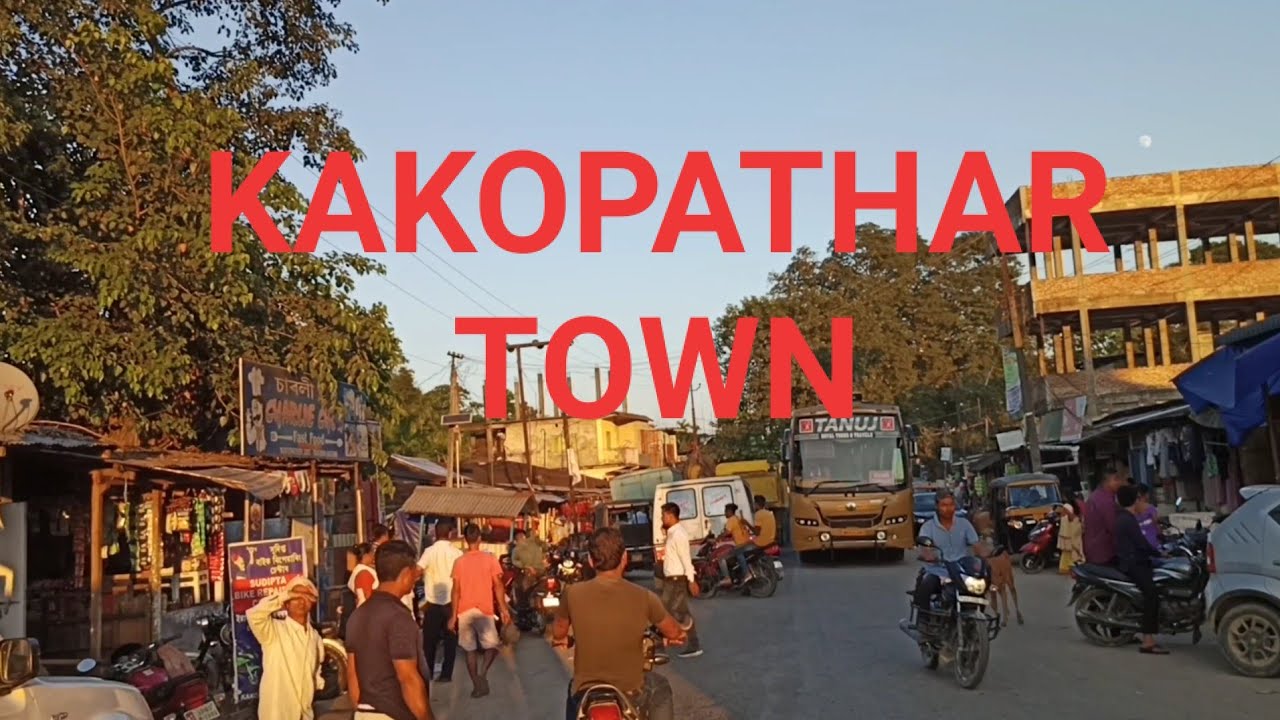
Kakopathar traffic station has become a focal point of concern and urgency for local residents grappling with the rising number of accidents on National Highway-15. The tragic loss of two young lives, including Pranjit Das, a promising goalkeeper from Kakopathar, has spotlighted the dire need for effective traffic safety measures in Assam. In light of frequent incidents, including a recent fatal accident and the haunting memory of a hit-and-run case involving journalist Parag Bhuyan, the community is increasingly vocal about their demands. The establishment of a dedicated traffic police station, coupled with a modern Kakopathar hospital, is essential to mitigate road dangers and enhance medical response capabilities. With heightened traffic and inadequate safety infrastructure, local voices are calling for action to address the urgent needs for improved road safety and accident prevention.
The Kakopathar traffic station represents a pivotal step towards enhancing road safety in the region, as community members advocate for better oversight and traffic management along NH-15. Recent tragedies have underscored the importance of efficient traffic regulation and emergency healthcare accessibility. The local population is not just mourning but is actively seeking solutions to prevent future accidents. By investing in traffic oversight and healthcare facilities, the residents aim to not only protect their community but also boost awareness about road safety measures in Assam. As the flow of vehicles increases due to proximity to major crossroads, prioritizing traffic regulations has never been more critical.
The Importance of Establishing Kakopathar Traffic Station
The establishment of a dedicated Kakopathar traffic station is crucial for enhancing road safety along National Highway-15, a route that has witnessed a distressing number of accidents in recent years. With the volume of traffic increasing significantly due to the opening of the Makum bypass, it has become imperative for the local authorities to take proactive measures. Residents have reported multiple serious incidents resulting in fatalities, highlighting the urgent need for a traffic police presence to monitor, control, and respond to the chaotic conditions that prevail in the area. The traffic station could serve as a focal point for enforcing traffic regulations and ensuring compliance among motorists.
Moreover, having a Kakopathar traffic station would facilitate the implementation of effective road safety measures, such as the installation of traffic signals at critical junctures. This becomes even more pressing given local sentiments expressed by community members, like Muskan Moran, who advocate for timely intervention to prevent future tragedies. The presence of trained traffic personnel could also lead to better traffic management and public safety awareness campaigns, further reinforcing the importance of responsible driving behaviors. With rising concerns over NH-15 accidents, the establishment of this station would represent a vital step toward safeguarding lives in Kakopathar.
Addressing Healthcare Needs: The Call for Kakopathar Hospital
In addition to advocating for a traffic station, residents of Kakopathar are also stressing the dire need for a modern, fully-equipped hospital equipped to handle emergencies. The tragic accidents along NH-15 underscore the inadequacy of current healthcare facilities in addressing sudden medical crises resulting from road traffic incidents. Access to timely medical intervention is critical, as witnessed in previous accidents where victims faced fatal outcomes due to delays in receiving adequate treatment. A dedicated Kakopathar hospital would provide essential services and emergency care tailored to the needs of the community, saving lives and reducing suffering.
With a rising population and a surge of commercial activities in Kakopathar, the demand for immediate healthcare services is at an all-time high. Residents, concerned about losing more young lives due to preventable accidents, have amplified calls for improved healthcare infrastructure. While the Kakopathar traffic station aims to mitigate accidents, it must be complemented by healthcare measures that ensure quick responses from trained medical personnel. This dual approach not only addresses traffic safety in Assam but also aims to alleviate public concern surrounding road injuries and fatalities, ultimately fostering a safer environment for all.
Current State of Traffic Safety in Assam: A Growing Concern
The alarming rates of road accidents in Assam, particularly along National Highway-15, reflect a broader issue of traffic safety that needs urgent attention. With countless fatalities and injuries reported, the situation is exacerbated by the lack of effective traffic management systems. The tragic deaths of local youths, like Pranjit Das and Shashank Moran, underscore the urgency of implementing comprehensive road safety measures. Residents believe that without addressing underlying factors such as poorly designed roadways and inadequate signage, these incidents will continue to escalate, placing more lives at risk.
Furthermore, these concerns extend beyond individual accidents; they highlight the need for a coordinated effort involving local governance, law enforcement, and community advocacy groups. Engaging local stakeholders in the conversation about road safety is essential to develop tailored strategies that meet the unique needs of the area. The challenges faced by Kakopathar are symptomatic of a larger pattern seen across Assam and underscore the importance of prioritizing traffic safety as a community-wide concern. Enhanced safety education, improved infrastructure, and the establishment of traffic regulatory bodies are critical components that can collectively help reduce the occurrence of accidents in the region.
Community Response to NH-15 Accidents
The community response to the recent NH-15 accidents emphasizes a collective call for change and accountability among local authorities. As fatalities continue to rise, residents have mobilized to demand not only the establishment of the Kakopathar traffic station but also better road safety measures that prioritize the lives of those who travel this route daily. Local voices have emerged, articulating frustrations and hopes that local governance will invest in solutions that reflect the gravity of the situation. Community forums, petitions, and public demonstrations have become common methods for rallying support and expressing the urgent need for responsive action.
Moreover, individuals like Muskan Moran have become prominent spokespeople for the cause, driven by personal losses and a community’s shared grief. This grassroots advocacy is pivotal in raising awareness about specific safety measures, including speed monitoring systems and the necessity of immediate medical care for accident victims. The intensified public dialogue and media coverage, including local Kakopathar news reports, play a crucial role in maintaining pressure on the district administration to acknowledge and address these pressing safety concerns. The momentum generated from these community efforts reflects a growing demand for systemic change, prioritizing safety and health in Kakopathar.
The Role of Technology in Improving Traffic Safety
Technology has the potential to be a transformative force in enhancing traffic safety measures along NH-15 in Assam, particularly in Kakopathar. By adopting advanced traffic monitoring systems, including speed cameras and real-time traffic updates, authorities can effectively manage and mitigate chaotic driving behavior that leads to accidents. Incorporating technology into traffic management strategies not only aids enforcement but also provides critical data that can be used to analyze accident patterns and implement targeted improvements to road safety infrastructure.
Furthermore, mobile applications that inform drivers about current road conditions, speed limits, and accident hotspots can empower individuals to make informed decisions while on the road. As Kakopathar grows both residentially and commercially, the integration of technology into traffic safety initiatives must be prioritized. This proactive approach will help address the increasing traffic volume while ensuring that road safety measures keep pace with infrastructural developments, ultimately safeguarding the community and reducing the toll of NH-15 accidents.
Educational Programs for Traffic Safety Awareness
In order to create a long-term impact on traffic safety in Kakopathar, educational programs aimed at raising awareness about responsible driving and road safety measures are essential. These initiatives should target not just drivers but also pedestrians, emphasizing the importance of mutual respect and responsibility on the roads. Workshops, community meetings, and school programs can play an instrumental role in educating residents about the dangers associated with reckless driving behaviors and the potential consequences of traffic violations. The involvement of local law enforcement can further reinforce the message and demonstrate the community’s collective commitment to safer road practices.
In addition to formal education, awareness campaigns can utilize social media and local news platforms to reach a broader audience, ensuring widespread dissemination of critical safety information. By fostering a culture of awareness and caution, the community can empower individuals to take ownership of their safety while promoting a sense of shared responsibility for the well-being of all road users. Such proactive measures are key to reducing accidents on NH-15 and establishing a safer Kakopathar for future generations.
Collaborative Efforts for Traffic Safety Improvement
Addressing the persistent issues of traffic safety and healthcare in Kakopathar requires collaborative efforts involving various stakeholders, including local government, community leaders, and non-profit organizations. By working together, these groups can pool resources, knowledge, and expertise to develop effective solutions tailored to the unique challenges faced by their community. Initiatives such as forming a traffic safety committee can enable residents to participate actively in decision-making processes, ensuring that their voices are heard and their needs are met regarding road safety and emergency services.
Moreover, collaboration could extend to public-private partnerships that facilitate investment in infrastructure improvements and technology adoption. Engaging local businesses and educational institutions in these initiatives can lead to innovative approaches to improve traffic safety, while also fostering community pride and investment in shared resources. By creating a united front, Kakopathar can develop a robust framework for tackling road safety concerns and enhancing overall community well-being, paving the way for a safer future along NH-15.
The Economic Implications of NH-15 Accidents
The economic implications of frequent accidents along National Highway-15 cannot be understated, particularly for a growing community like Kakopathar. With increasing traffic accidents often leading to fatalities and severe injuries, local businesses and economy stand to suffer as families grapple with the repercussions of road mishaps. Aside from the direct loss of life and health, the Impact extends to potential costs associated with medical care, legal repercussions, and loss of productivity among those involved in accidents. Such disruptions can stall economic progress, subsequently affecting employment opportunities and the vitality of local businesses.
Furthermore, the negative perception of NH-15 as a dangerous route may discourage new investments or deter visitors from exploring or doing business in Kakopathar. Establishing a safer driving environment through proactive measures, such as the implementation of a traffic station and enhanced road safety protocols, can play a pivotal role in restoring confidence, attracting investments, and invigorating economic growth in the region. By addressing the safety concerns head-on, Kakopathar can create a sustainable economic landscape that encourages both commercial growth and public safety.
The Future of Kakopathar’s Infrastructure Development
Looking ahead, the future of infrastructure development in Kakopathar hinges on a comprehensive assessment of current needs and proactive planning to meet the demands of a growing population and traffic volume. The community’s calls for a dedicated traffic police station and an equipped hospital signify a collective desire for improvements that reflect the town’s changing dynamics. As Kakopathar transitions from primarily agricultural roots to a more commercially vibrant economy, addressing infrastructural gaps is essential to accommodate this evolution while ensuring the safety of its residents.
Innovative planning that includes sustainable development principles and community input will be critical in shaping Kakopathar’s infrastructure. By prioritizing safety measures, traffic management, and emergency healthcare, local leaders can lay the groundwork for long-term improvements that benefit both the community and its visitors. Investments in infrastructure must align with the needs of a thriving community, combining technology with human-centered design to ultimately create a safe, accessible, and efficient Kakopathar for the future.
Frequently Asked Questions
What are residents of Kakopathar saying about traffic safety on NH-15?
Residents of Kakopathar are increasingly concerned about traffic safety on NH-15 due to frequent accidents, including a recent tragedy that claimed the lives of two young locals. They are demanding the establishment of a dedicated Kakopathar traffic station and better road safety measures to protect lives.
| Key Point | Details |
|---|---|
| Accident Overview | Two young lives were lost in a recent accident on NH-15. |
| Victims Profile | Pranjit Das (21, Kakopathar) and Shashank Moran (22, Teji village) died in the crash. |
| Previous Incidents | The recent accident raises concern over road safety following a 2020 hit-and-run case. |
| Calls for Action | Residents demand a traffic police station and a hospital to prevent further tragedies. |
| Increasing Traffic | Traffic has surged post-Makum bypass opening, leading to more accidents. |
| Infrastructure Deficiencies | Lack of proper traffic management and emergency services is a major concern. |
| Community Response | Local communities are urging the administration for urgent reforms. |
Summary
The Kakopathar traffic station has become a focal point for community safety discussions following tragic accidents on NH-15, as residents demand immediate interventions to prevent future losses. Situated in Tinsukia district, Kakopathar is grappling with increased road traffic, which has led to repeated accidents, including the deaths of two young locals. Community members are now actively seeking the establishment of a traffic police station and an emergency hospital, emphasizing the need for improved road safety measures. Their heartfelt concerns reflect the urgent need for strategic planning to enhance traffic management, ensuring that Kakopathar does not continue to witness unnecessary fatalities and injuries.



























