

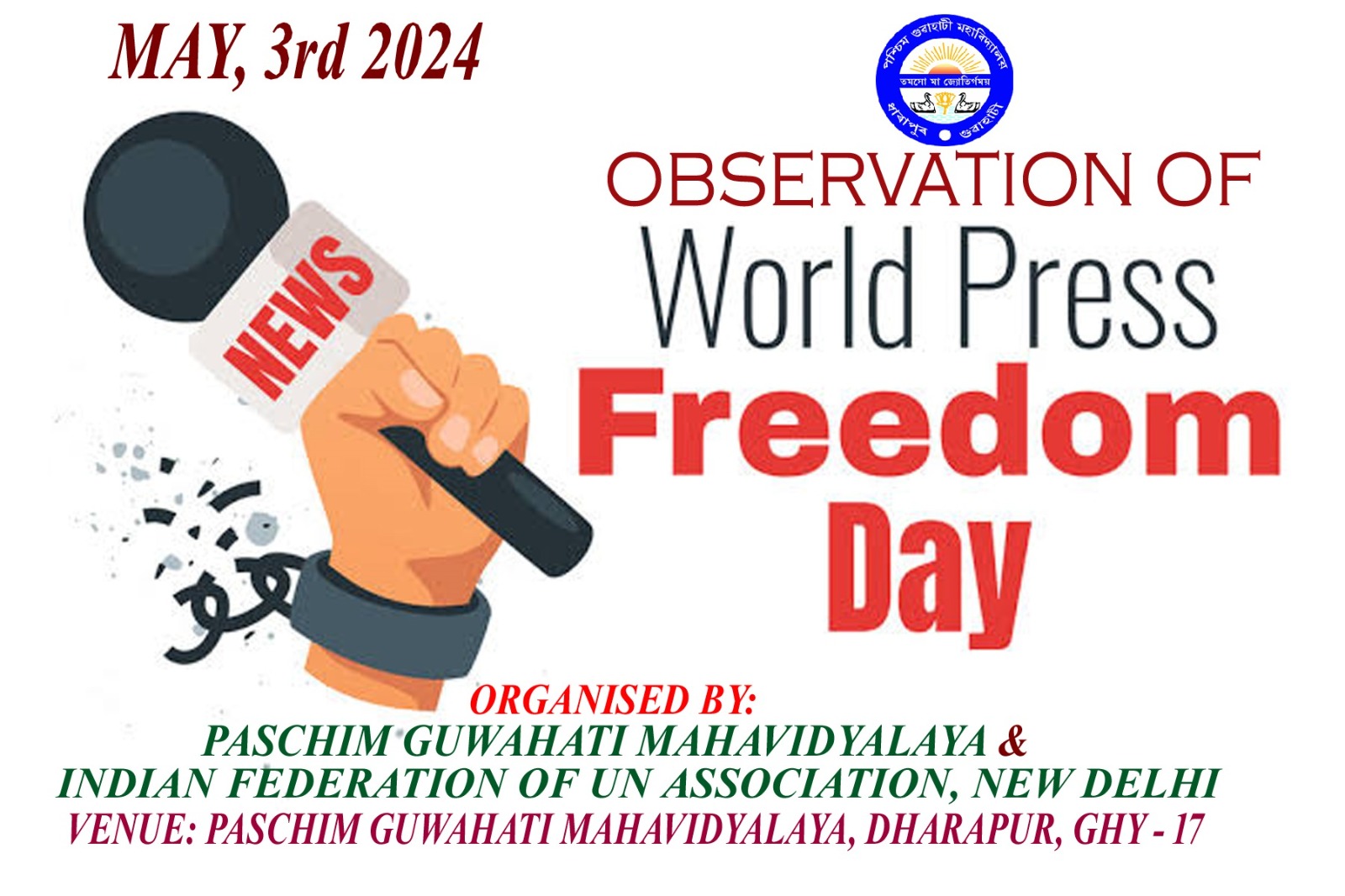
Press freedom in Guwahati is facing significant challenges as concerns regarding the intimidation of journalists intensify amidst a heated political climate. Recent discussions at the Guwahati Press Club highlighted the alarming erosion of media rights in India, with participants citing increased aggression against reporters and threats to their safety. The GPC president underscored that in a true democracy, the media must operate without fear of retribution or silencing. Incidents of media infrastructure attacks, including the vandalism of offices and the burning of newspapers, further exacerbate the situation, raising public alarm. The collaborative efforts of journalists, civil society, and legal experts are crucial in fostering an environment where journalist safety in Assam and the principles of democracy and media can flourish.
The landscape of media freedom in Guwahati presents a complex image, marked by rising tensions and threats faced by those in the journalistic field. In recent gatherings, voices from various sectors have come together to shed light on the ongoing intimidation experienced by reporters, which poses a serious risk to democracy. The urgent call to safeguard media personnel and uphold their rights is echoed across regional platforms, emphasizing the pivotal role of the press in society. As discussions deepen, the emphasis on creating support structures and citizen forums aims to fortify protections for journalists engaging in their vital work. The health of democracy in Assam relies heavily on the freedom of the media to report unfettered, challenging authority when necessary.
The Erosion of Press Freedom in Guwahati
In recent years, Guwahati has witnessed alarming trends regarding the erosion of press freedom. The Guwahati Press Club (GPC) has taken significant steps to address the rising concerns over the intimidation faced by journalists. This worrying phenomenon not only damages the integrity of media institutions but also raises serious questions about the survival of democratic ideals in the region. Intimidation tactics against journalists, including harassment and threats, undermine their ability to report fairly and without fear, which is a cornerstone of a healthy democracy.
The recent meeting organized by the GPC highlighted the stark reality that journalists in Guwahati operate under a climate of fear. Attendees, including legal experts and civil society members, expressed that when journalists are coerced or intimidated, the very essence of media rights in India is compromised. By challenging the media’s critical role in democracy, the community’s trust in journalism is eroded, stifling public discourse and transparency. The calls from various participants for stronger protections for journalists underline a collective responsibility to safeguard press freedoms.
Intimidation of Journalists and the Impact on Democracy
The systemic intimidation of journalists in Guwahati poses a direct threat to the democratic fabric of society. GPC president Khagen Kalita articulated this concern during the recent citizens’ meeting, emphasizing that without the freedom to report objectively, a nation’s democracy falters. The increasing incidents where the safety of journalists is jeopardized signify a troubling trend that not only endangers media professionals but also impacts public awareness and accountability, essential features of a vibrant democracy.
Moreover, the discussions at the meeting showcased a collective unease regarding the political environment’s hostility towards media freedoms. The alarming trend of attacking media infrastructure, coupled with hostile rhetoric from political leaders, underscores an urgent need for interventions to safeguard journalist safety in Assam. It is critical that the government engages constructively with the media to restore confidence and uphold democratic norms. The solidarity expressed by participants at the meeting underscores the role of civil society in demanding accountability and protecting press rights.
Guwahati Press Club’s Role in Advocating for Media Rights
The Guwahati Press Club has emerged as a pivotal player in advocating for media rights amid growing concerns about journalist safety in Assam. By organizing forums such as the citizens’ meeting, GPC seeks to not only unify journalists but also amplify their voices in the face of intimidation. The platform allows diverse stakeholders to address issues surrounding press freedom and mobilize community support to counteract oppressive forces targeting the media. Such initiatives are crucial for fostering a resilient and empowered journalistic community.
Furthermore, the GPC’s proactive stance in proposing the formation of a citizens’ forum signifies a strategic approach to redefining media rights advocacy in the region. By involving legal experts and political figures alongside civil society members, the GPC aims to create a comprehensive support system for journalists. This collaborative effort emphasizes the need for establishing institutional mechanisms that will effectively protect journalistic freedoms—vital for ensuring continued democratic discourse and safeguarding against further erosions of press rights.
Media Solidarity and Future Directions
Solidarity among media professionals and civil engagements is essential in reversing the trend of intimidation against journalists in Guwahati. The messages of support from notable figures like Sangeeta Barooah Pisharoty and Hiren Gohain highlight the collective responsibility within the community to champion press freedoms. Such acts of solidarity not only provide moral support but also foster a sense of unity among journalists, reminding them that their fight is one shared with many who value democracy and the integrity of the media.
Looking ahead, it is imperative for the journalism community to collaborate with all stakeholders—be it legal entities, civil leaders, or political actors—to formulate strategic mechanisms that prioritize the safety of journalists. By engaging in roundtable discussions, as suggested by legislator Akhil Gogoi, media professionals can articulate their challenges and develop actionable strategies to sustain a free press. This proactive approach will fortify the media’s role in society while ensuring that democracy thrives in Guwahati and beyond.
Addressing Institutional Pressures on Journalists
The meeting organized by the Guwahati Press Club underscored the urgent need to address the institutional pressures faced by journalists in Assam. Senior advocate Arup Borbora’s call to resist the forces that seek to silence media voices reflects a broader concern within the industry regarding the implications of corruption and manipulation in the political sphere. Journalists are not only tasked with reporting news but also with challenging power and ensuring accountability, and the institutional forces that seek to curtail this function pose a significant threat to the core principles of journalism.
As media professionals navigate this landscape of intimidation and pressure, there is a pressing need for resilience and bravery. The atmosphere of fear should not deter journalists from unveiling the truth; rather, it should galvanize them to push for reforms that protect their rights. Encouragingly, meetings like that of the GPC serve as platforms for cultivating mutual support and strategies that can help journalists operate freely and safely, ultimately contributing to a healthier democracy in Assam.
The Future of Democracy and Media in Guwahati
The future of democracy in Guwahati hinges significantly on the safeguarding of media freedoms. The unsettling pattern of intimidation has instigated a dialogue surrounding the proper balance between authority and press operations. Discussions led by the Guwahati Press Club have opened a vital discussion about the essential role the media plays as a watchdog in upholding democratic values and ensuring governmental accountability. The stakes are high, as a compromised media landscape risks eroding public trust and transparency, essential components of any democracy.
Looking forward, it is crucial to develop frameworks that reinforce the protection of journalists, ensuring they can fulfill their roles without fear of retribution. This entails not only legal safeguards but also a cultural shift within society that embraces and champions press freedom. By advocating for a supportive environment for journalists, the community can cultivate a strong foundation for democracy, allowing media to flourish as a pillar of discourse and public enlightenment in Guwahati.
Legal Mechanisms Supporting Journalists’ Rights
Strengthening legal mechanisms to support journalists’ rights is critical in mitigating intimidation and enhancing media freedoms in Guwahati. Experts at the recent GPC meeting emphasized the necessity of drafting robust laws that can effectively protect media practitioners from harassment and violence. The principle of press freedom is enshrined in several democratic constitutions, including India’s, and it is paramount that these principles are reflected in concrete legal frameworks that hold perpetrators accountable for acts of aggression against journalists.
Additionally, the establishment of bodies that monitor media rights violations can serve as a deterrent against intimidation tactics. The involvement of legal experts and civil society in shaping these protective measures is essential. Collective advocacy for journalist rights can lead to public awareness campaigns that highlight the significance of a free press in maintaining democracy and encouraging a culture of respect and support for media personnel across all sectors.
Public Engagement and Civil Society’s Role in Press Freedom
Public engagement is a fundamental element in promoting and protecting press freedom in Guwahati. Civil society organizations can play a crucial role in raising awareness about the importance of a free and independent media. The discussions spearheaded by the Guwahati Press Club serve as a model for how community involvement can bring light to the challenges journalists face. By mobilizing citizens to advocate for media rights, civil society can amplify the call for accountability and democratic transparency, reinforcing the idea that press freedom is a collective responsibility.
Moreover, fostering a culture of dialogue and collaboration between journalists and the public is vital. Initiatives that educate the community on the role of journalism in democracy can encourage greater support for media professionals, helping to shield them from intimidation. By creating a network of allies who recognize the significance of media rights in nurturing a democratic society, Guwahati can cultivate an environment where journalists are empowered and protected, ensuring that the truth continues to prevail.
Strengthening Community Support for Journalistic Integrity
Strengthening community support for journalistic integrity is essential in the fight against media intimidation in Guwahati. The solidarity demonstrated at the GPC meeting showcases the power of collective action in advocating for press issues. By rallying citizens around the cause of media freedom, a robust support network can be established that uplifts and protects journalists when they face threats. When the community actively stands by their journalists, it sends a clear message to those attempting to silence the media: that the public will not tolerate attacks on freedom of the press.
Furthermore, fostering relationships between media outlets and local communities can significantly enhance the credibility and safety of journalists. Initiatives that encourage community members to engage with journalists can bridge the gap between reporters and the audience. A well-informed public that values journalists’ contributions to democracy is more likely to speak out against attempts to intimidate or silence them. This symbiotic relationship is crucial in fortifying journalistic integrity, ensuring that media professionals can report truthfully and without fear in Guwahati.
Frequently Asked Questions
What are the current challenges to press freedom in Guwahati?
Press freedom in Guwahati faces significant challenges, particularly concerning the intimidation of journalists. Recent discussions at the Guwahati Press Club highlighted a growing climate of fear, where journalists report increased scrutiny regarding their professional affiliations. Attacks on media infrastructure, including vandalism and instances of newspaper burning, have further exacerbated concerns regarding journalist safety in Assam. These issues undermine democracy and media rights in India, necessitating immediate action and solidarity among civil society and media organizations to protect press freedom.
| Key Points | Details |
|---|---|
| Concerns about Press Freedom | Participants expressed worries about the erosion of press freedom and a pattern of intimidation against journalists. |
| Meeting Organization | The meeting was organized by the Guwahati Press Club (GPC) and included journalists, legal experts, political figures, and civil society members. |
| Atmosphere of Intimidation | GPC President Khagen Kalita highlighted that media functioning without fear is essential for democracy. |
| Incidents of Attack | Examples of violence against media, including newspaper burning and workplace vandalism, were cited. |
| Need for Citizens’ Forum | Senior advocate Arup Borbora called for a citizens’ forum to protect media personnel. |
| Call for Cooperation | Legislator Akhil Gogoi suggested organizing a roundtable for long-term strategies to safeguard press freedom. |
| Expressions of Solidarity | Messages of support from absent members demonstrated solidarity with journalists facing intimidation. |
| Future Directions | The meeting concluded with calls for suggestions on strengthening protections for journalists. |
Summary
Press freedom in Guwahati has become a pressing issue, as recent meetings have underscored the growing concerns of journalists against a backdrop of intimidation. The Guwahati Press Club organized a vital conference that highlighted the erosion of press freedom in the region, with various stakeholders including journalists and legal experts discussing alarming instances of violence against media. The sentiment that media should operate freely without fear of reprisal is fundamental to a functioning democracy. Participants called for a citizens’ forum aimed at shielding journalists from institutional pressures and proposed collaborative efforts to formulate strategies for tackling these challenges. The expressions of solidarity from absent intellectuals illustrated the community’s commitment to safeguarding press freedom, emphasizing the urgent need for systemic changes to ensure the protection of journalists in Guwahati.



























