

Aronyak Ghosh, recognized as India’s 95th Grandmaster, embodies the tireless spirit of dedication and ambition. From a young boy captivated by the strategy of chess to a formidable competitor with an impressive FIDE chess rating, Aronyak’s chess champion story is one of remarkable transformation and perseverance. His journey is not just about personal glory; it highlights the challenges faced by youth chess players striving for success in a highly competitive arena. With a rigorous chess training regimen that often sees him practicing for eight to nine hours daily, Aronyak has redefined what it means to pursue excellence. This narrative sheds light on the sacrifices he and his family made, all to fulfill a dream that began with a simple box of chess pieces and has culminated in achieving a prestigious title.
The exploration of Aronyak Ghosh’s journey to becoming a Grandmaster serves as an inspiring tale for aspiring chess enthusiasts. His experience reflects the broader narrative of young chess prodigies in India, facing immense pressure yet showing incredible resilience. This discussion will delve into the rigorous preparation and strategic mindset that shapes successful chess players, emphasizing the importance of both mental fortitude and a well-structured training program. Within the realm of competitive chess, Ghosh’s story resonates with many who share the dream of claiming a GM title and highlights the evolving landscape of chess in India. Ultimately, it sheds light on the richness of dedication and hard work inherent in the chess community.
Understanding Aronyak Ghosh’s Journey to Becoming India’s 95th Grandmaster
Aronyak Ghosh’s journey to becoming India’s 95th Grandmaster is an inspiring story of determination and passion for chess. From an early age, Aronyak was introduced to the game through a box of vintage chess pieces discovered by his mother. This initial spark ignited a lifelong love for chess, transforming into a serious endeavor as he grew older. As he progressed, Aronyak’s understanding of the game evolved, propelled by long hours of dedicated practice and strategic learning that are essential for any aspiring chess champion. His story exemplifies the sacrifices many young players make to climb the ranks in the complicated world of chess tournaments, where standing out requires both talent and tenacity. The chess community in India has recognized these challenges, especially for youth chess players like Aronyak, who often face financial constraints while pursuing their dreams.
Moreover, Aronyak’s journey reflects the intricate web of supportive relationships that are integral to a chess player’s success. His father’s involvement, moving from a spectator to a competitive player himself, shows how familial support can bolster a young player’s ambitions. As Aronyak undertook high-pressure tournaments, he learned not just the mechanics of chess but also resilience in the face of financial worries that came with competitive play. The chess training regimen he followed was not just about improving skills but also about dealing with the psychological weight that accompanies the quest for prestigious titles.
In addition, Aronyak’s story highlights the broader landscape of chess in India, particularly in contrast to international standards. While he had to navigate the expectations and pressures of competing for prize money, many players often rely heavily on support systems that differ from the affluent chess spheres seen in prominent chess nations. This situation drives the determination to excel and secure a better FIDE chess rating, which is essential for a player’s ranking within the international chess community. The hurdles faced by Aronyak and peers serve as stark reminders of the challenges Indian chess players must overcome to attain global recognition, such as participating in fewer international tournaments due to financial limitations.
These realities hone skills that are crucial in tight tournament settings while also nurturing attributes like patience, persistence, and strategic foresight. His ability to thrive amid these pressures is a testament to his character and commitment to chess, making his recent title achievement all the more significant in the context of India’s chess history.
The Role of Rigorous Training in Developing Future Chess Champions
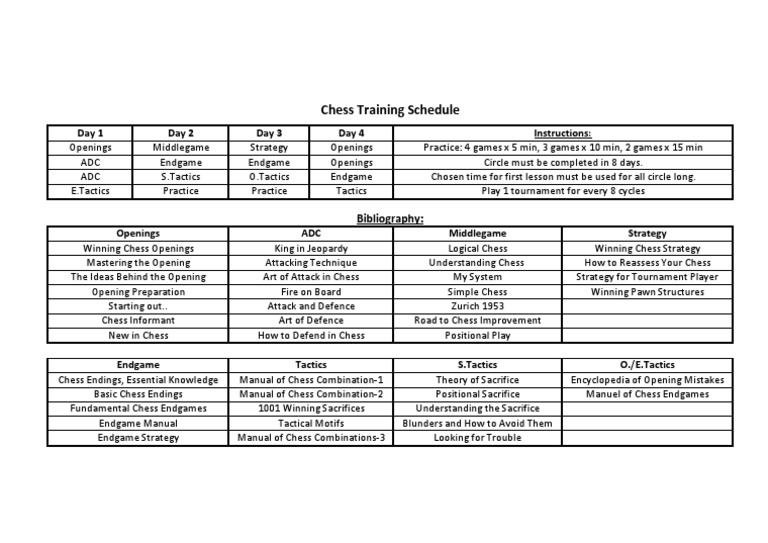
Training is a crucial aspect of any chess player’s path to greatness, as seen in Aronyak Ghosh’s disciplined approach. With daily practices lasting up to eight to nine hours, he adopted a training regime that mimicked the intensive focus and rigor associated with top-tier chess academies, particularly those in South India. This kind of dedication not only enhances a player’s skill set but also builds mental endurance necessary for high-stakes competitions. The grind often includes elaborate strategies, extensive study of opponents, and analysis of past games, reflecting the intricate journey toward reaching milestones such as becoming a Grandmaster. It’s a demanding path, but for Aronyak and his peers, the pressure to continually improve is matched by the goal of achieving a superior FIDE chess rating, which will open more doors to international chess events.
Furthermore, the culture of chess training in India emphasizes the importance of both physical and mental conditioning. As players like Aronyak emerge through structured training programs, they not only master the game but also learn the significance of balancing mental acuity with physical well-being. Understanding the emotional aspects of chess — such as dealing with setbacks or managing victories — forms a significant part of their education. Institutions that focus on nurturing youth chess players are incorporating mental resilience training complementing traditional methods, ensuring that young talents are well-equipped to face the challenges of competitive chess on both national and international stages.
The impact of rigorous training regimens is also exhibited in the camaraderie among chess players, which fosters an environment of collective growth and encouragement. Aronyak’s experience illustrates the role of competitive spirit in training sessions, where players learn not just from formal lessons, but also through friendly matches with peers. This competitive edge often translates well into tournament scenarios, enhancing the players’ capability to adapt under pressure. As Aronyak shares insights derived from his own journey, it is clear that each victory is not merely a personal achievement but also serves as inspiration for upcoming generations. The robust structure provided by coaches and mentors allows young players to realize their potential, instilling the necessary skills and strategies demanded by high-stakes competitions.
Frequently Asked Questions
Who is Aronyak Ghosh, India’s 95th GM?
Aronyak Ghosh is a renowned chess player from India, celebrated for becoming the country’s 95th Grandmaster (GM). He began his chess journey at a young age, inspired by his father’s chess pieces. Ghosh has overcome numerous challenges, including financial pressures, to develop a rigorous training regimen, often practicing eight to nine hours daily. His perseverance has made him a source of inspiration for many youth chess players in India.
| Key Points | Details |
|---|---|
| Early Beginnings | Aronyak Ghosh discovered chess at the age of four through his father’s old chess pieces. |
| Parental Influence | His father’s support helped Aronyak develop his chess talents, inspiring Mrinal Ghosh to compete in chess himself. |
| GM Title Achievement | Achieving the Grandmaster title was a significant milestone for Aronyak and brought relief to his parents who sacrificed a lot for his chess career. |
| Financial Pressure | Due to limited resources, Aronyak understood the importance of winning prize money to fund his chess journey. |
| Training Regimen | He practiced extensively, training eight to nine hours a day under a rigorous schedule typical of South India’s chess culture. |
| Mental and Emotional Toll | His mother noted the stress he experienced from inquiring about opponents’ ratings and states after every round. |
Summary
Aronyak Ghosh’s journey to becoming India’s 95th Grandmaster is not just a tale of personal achievement but also a profound story of passion, sacrifice, and parental support. It encapsulates the transformative power of chess in shaping a young boy’s life, from discovering old chess pieces to enduring rigorous training and the pressures of financial constraints. Throughout this journey, Aronyak’s commitment to mastering the game while balancing the inevitable stresses showcases his resilience. The victory is not merely about attaining a title; it is a testament to the hard work and emotional sacrifices made by Aronyak and his family, ultimately bringing relief and joy as they celebrate this significant milestone.



























