

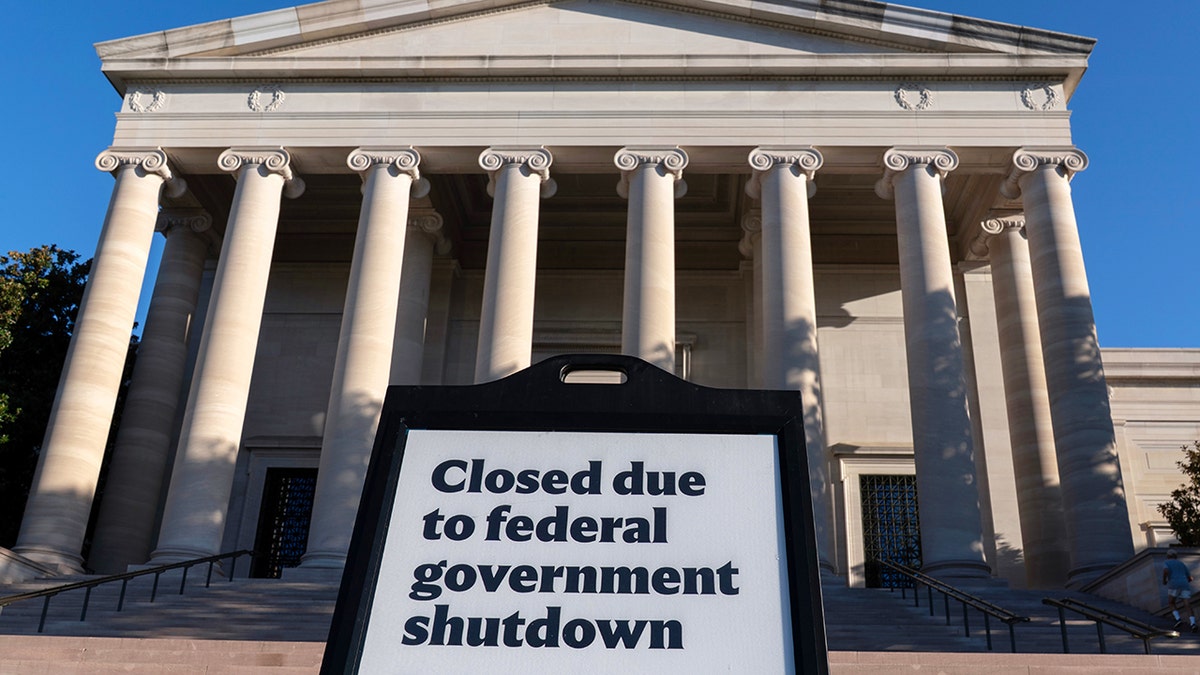
The Manipur Chief Minister’s recent statements reflect a strong commitment to addressing pressing community concerns amidst ongoing tensions. As the state grapples with the impacts of a five-day shutdown called by various civil society groups, the Chief Minister has urged citizens to consider the shutdown’s impact on public welfare. He has taken note of the demands raised by the Joint Action Committee, particularly in relation to the tragic Tronglaobi incident, affirming that the government is taking these issues seriously. In his appeal for calm, the Chief Minister emphasized the urgency of restoring normalcy, highlighting how shutdowns disproportionately affect daily wage earners and disrupt vital services. By fostering an atmosphere of peace and cooperation, he aims to unite the community and ensure that necessary changes are implemented efficiently.
In recent developments within Manipur, the state’s leadership is encountering significant challenges as it navigates public protests and community unrest. The Chief Executive, also known as the Chief Minister, is actively engaged in discussions aimed at addressing the critical demands put forth by local groups in connection with recent civil disturbances. With the unrest stemming from incidents like the unfortunate Tronglaobi case, there is a growing concern amongst citizens regarding the government’s response to the protests. The call for a cessation of disruptive activities highlights the balance needed between civic action and public welfare. As various stakeholders, including the Joint Action Committee, present their grievances, the administration seeks to quell tensions while upholding the collective responsibility to maintain peace within the region.
Impact of Shutdown on Public Welfare
The recent five-day shutdown in Manipur has raised significant concerns regarding its implications on public welfare. Local markets, transportation services, and essential facilities have come to a standstill, adversely affecting daily wage earners and the wider population that relies on these services. Civil society groups have rallied behind this shutdown, but the Chief Minister’s appeal highlights the pressing need to consider the economic repercussions on normal life. A sustained shutdown not only disrupts regular activities but can also exacerbate existing social tensions, inhibiting the ability of communities to cohesively respond to crises.
Moreover, the withdrawal of the shutdown is essential for restoring a sense of normalcy within the community. The Chief Minister has pointed out that ongoing discussions with the Joint Action Committee to address the demands linked to the Tronglaobi incident are steps in the right direction. He underlined the government’s commitment to reassess strategies that prioritize the welfare of its constituents during these challenging times. By addressing public concerns responsibly, the state can mitigate the adverse effects of such shutdowns, thereby reinforcing trust between the government and the people.
Manipur Chief Minister’s Response to Protests
In light of the ongoing protests led by various civil society groups, the Manipur Chief Minister’s response has been one of constructive engagement rather than confrontation. Acknowledging the demands put forth by the Joint Action Committee concerning the Tronglaobi incident, he emphasized that the government is taking their concerns seriously. This dialogue-oriented approach is not only pivotal in addressing immediate grievances but also fosters a more collaborative atmosphere between the state and its citizens. The commitment to propose state jobs for the bereaved family members is a testament to the government’s responsiveness to the community’s needs.
The Chief Minister’s proactive stance includes multiple discussions with protest leaders to ensure that their voices are heard. In times of unrest, maintaining open channels of communication is crucial in diffusing tensions and mitigating frustration among the populace. By emphasizing the importance of peace and unity, the Chief Minister aims to create an environment conducive for dialogue and resolution. The government’s ability to navigate these challenging dynamics could very well determine the overall stability in Manipur as it strives to address both immediate issues and long-term public welfare.
Concerns Raised by Civil Society Groups in Manipur
Civil society groups in Manipur have emerged as key players in advocating for community needs, particularly in response to incidents like the Tronglaobi case. These organizations have articulated widespread public concerns, catalyzing protests that have garnered significant attention. Through their efforts, they highlight not only specific grievances but also broader issues that affect the welfare of the community, prompting urgent discussions with state authorities. Their engagement is crucial in shaping policies that reflect the priorities of citizens, thus reaffirming the importance of civic participation in governance.
The Chief Minister’s acknowledgment of these groups illustrates a recognition of their role in a democratic society. By addressing their demands, he signals a willingness to consider alternative perspectives while working with these entities to forge solutions. This collaborative approach aids in enhancing public trust and mitigates the risk of escalation during protests. The sincere engagement with civil society groups can lead to meaningful reforms that enhance social justice and fulfill the expectations of the citizens of Manipur.
Addressing the Joint Action Committee’s Demands
The Joint Action Committee (JAC) plays a pivotal role in articulating the community’s concerns, especially in the wake of the Tronglaobi incident. Their demands, which cover a spectrum of social issues ranging from accountability to compensation, resonate with broader public sentiments regarding governance and responsibility. The Chief Minister’s acknowledgment of these demands and his commitment to address them signifies a positive shift towards engaging with advocacy groups. This engagement is critical in ensuring that the issues are tackled in a comprehensive manner, addressing both immediate needs and long-standing grievances.
Following through on JAC’s demands requires a multi-faceted approach by the government. The Chief Minister’s proposal to provide jobs to the families of the deceased children is a significant step in acknowledging the loss sustained by the community. It is essential that the state not only assures action but also follows up with tangible steps that demonstrate genuine interest in remedying the situation. Bringing these discussions into the public domain aids in building a transparent relationship with citizens, culminating in a more engaged populace that feels heard and valued.
The Role of Government in Civic Protests
In the face of civic protests, the government plays a crucial role in maintaining order while also addressing the concerns raised by citizens. The Chief Minister’s decision to engage with the protesters rather than dismiss them reflects a progressive approach towards governance. By acknowledging the right to protest and the reasons behind it, the government can create space for constructive dialogue that respects the voices of its constituents. A responsive government is more likely to cultivate an environment where conflict can be resolved peacefully, and where citizens feel empowered to express their concerns.
The successful navigation of protests often hinges on the government’s ability to offer solutions that address fundamental grievances. The Chief Minister’s initiatives to hold discussions and publicly acknowledge the demands of civil society groups set a precedent for transparency and responsiveness. Such actions not only quell immediate unrest but also build trust in governmental processes. A government that engages openly with its community can facilitate collaborations that yield progressive policies, ultimately enhancing the stability and well-being of the state.
Discussion After the Tronglaobi Incident
The Tronglaobi incident has undoubtedly shaken the community of Manipur, prompting numerous discussions around justice, accountability, and governance. In the aftermath, the Chief Minister’s calls for dialogue highlight an essential strategy in overcoming the inherent tensions resulting from such events. By fostering discussions with both the families affected and the Joint Action Committee, the government is undertaking significant steps to address public unrest and restore faith in its institutions. Ensuring that voices from all sides are heard can help mitigate further friction between the government and civil society.
Furthermore, the importance of transparent communication post-incident cannot be overstated. The Chief Minister has recognized that addressing grievances in real-time is pivotal in quelling public discontent and facilitating healing within the community. By approaching the aftermath of the Tronglaobi incident with sensitivity and urgency, the government can cultivate an atmosphere of collaboration that is essential for long-term conflict resolution. This commitment to dialogue not only enhances public relations but also lays the groundwork for more effective governance in the future.
The Urgency of Restoring Normalcy in Manipur
The urgency to restore normalcy in Manipur is underscored by the recent shutdown’s deep economic impact on daily life. The Chief Minister’s appeal for cooperation reflects an understanding that returning to regular operations is vital for the well-being of the citizens. Essential services, including healthcare and transportation, have been severely disrupted, urging immediate action to mitigate these effects. Normalizing the situation enables not only economic activities to resume but also fosters a sense of community resilience in the face of adversity.
Restoring normalcy involves significant governmental interventions that reassure the populace. The Chief Minister’s ongoing discussions with civil society and the Joint Action Committee are critical steps towards regaining public trust and ensuring that the necessary support systems are in place. By addressing the ongoing challenges with urgency and empathy, the government demonstrates its commitment to the welfare of those it serves. Such proactive measures serve to reunite the community and affirm the responsibilities shared between the state and its citizens.
Building Community Trust Through Government Actions
Building trust within the community is essential, especially following highly charged incidents that lead to unrest. The Manipur Chief Minister’s initiatives to address the needs and demands arising from the Tronglaobi incident reflect an understanding of the necessity for restorative measures. By actively engaging with civil society groups and taking their concerns seriously, the state government can demonstrate accountability, thus fostering a more trustworthy environment. This building of trust can empower citizens to voice their concerns without fear of reprisal, laying the groundwork for a more constructive civic engagement.
The proactive approach by the Chief Minister establishes a precedent for future interactions with the public, as it highlights the importance of transparency and responsiveness in governance. When the government takes genuine steps to address grievances—such as promising job opportunities for affected families—it solidifies public confidence in its intentions. Such measures not only placate immediate unrest but nurture a long-term relationship built on mutual respect and understanding between the government and its people, ultimately strengthening the social fabric of Manipur.
Frequently Asked Questions
What is the stance of the Manipur Chief Minister on the impact of the recent shutdown on public welfare?
The Manipur Chief Minister has expressed serious concern regarding the impact of the recent five-day shutdown on public welfare and normal life. He has urged for its withdrawal, noting that such actions disrupt essential services and create hardship for daily wage earners. The government acknowledges the concerns raised by civil society groups and is actively addressing the demands presented by the Joint Action Committee following the Tronglaobi incident.
| Key Points | Details |
|---|---|
| Shutdown Appeal | The Chief Minister called for the withdrawal of a five-day shutdown due to its negative impact on public welfare. |
| Government Response | The state government is taking the demands seriously and has accepted most requests from the Joint Action Committee regarding the Tronglaobi incident. |
| Community Cooperation | The Chief Minister urged the community to maintain calm and cooperate, emphasizing the hardships caused by shutdowns to daily wage earners and essential services. |
| Focus on Peace and Responsibility | He stressed the importance of peace, unity, and collective responsibility within the community. |
| Support for Bereaved Families | Initiatives have been started to assist bereaved families, including proposals for state government jobs for the parents of deceased children. |
Summary
The Manipur Chief Minister is actively addressing the concerns raised by citizens regarding the recent shutdown, showcasing the state government’s commitment to public welfare. By appealing for the withdrawal of the shutdown, he acknowledges the adverse effects it has on daily lives, particularly on wage earners and essential services. Moreover, by accepting many of the Joint Action Committee’s demands related to the Tronglaobi incident, the Chief Minister demonstrates an understanding of the community’s grievances. His calls for peace, unity, and collective responsibility highlight a desire to foster an environment where the public can thrive. Additionally, the initiatives aimed at providing support to bereaved families further illustrate a compassionate approach by the state government, ensuring that the needs of the community are met with empathy and action.



























