The measles threat in Meghalaya has escalated in light of a significant outbreak reported in neighboring Bangladesh. Health officials in the East Khasi Hills district have swiftly implemented enhanced monitoring and precautionary measures to avert a potential crisis. With a recent surge in measles cases across the border, including alarming fatalities among children, authorities are on high alert. They have mandated local schools and anganwadi centers to remain vigilant and promptly report any suspected cases consistent with measles symptoms. This proactive stance underscores the seriousness of the situation and the collaborative effort between the health department and the World Health Organization to safeguard the community from this infectious disease.
As the situation unfolds, the looming risk of measles infection has prompted swift action from the authorities in Meghalaya. Following alarming reports of measles outbreaks in Bangladesh, local health officials are intensifying surveillance to protect the region, particularly in the East Khasi Hills. Recognizing the early signs of the disease, characterized by symptoms such as fever and rash, is critical for effective management. The focus is not only on immediate response but also on educating the community about prevention tactics and recognizing potential cases. This concerted effort is essential to ensure the health and safety of children and families in the region amid the rising concerns of cross-border disease transmission.
Measles Threat in Meghalaya: A Call for Vigilance
The recent uptick in measles cases in neighboring Bangladesh has triggered alarm bells in the East Khasi Hills district of Meghalaya. Health officials are on heightened alert, understanding that the rapid spread of this highly contagious disease poses a significant risk to local communities. The situation necessitates systematic monitoring and preemptive measures to safeguard the population. Recognizing the potential for a spillover, authorities have initiated protocols to enhance disease detection and reporting, ensuring that any suspected case is flagged timely to prevent an outbreak.
In direct response to this health crisis, local education bodies and health services have been mobilized to work in tandem. Schools and Anganwadi centers play a crucial role in reporting suspected cases, particularly as children return to these institutions. Health officials are advocating for stringent observation of symptoms, where any instances of fever accompanied by a rash should be deemed serious and acted upon without delay. This collaborative effort aims to establish a robust safety net for children’s health in Meghalaya amid the looming threat.
Understanding Measles Symptoms and Response Protocols
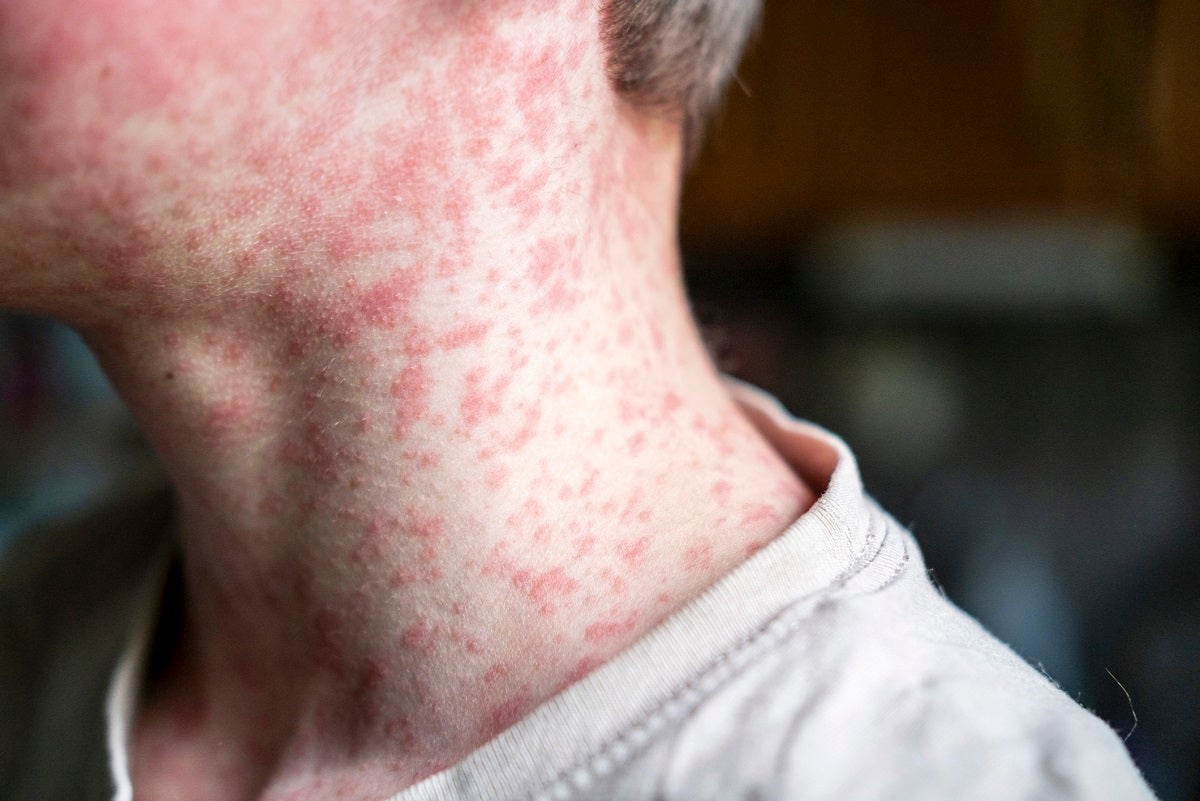
Measles is a viral infection characterized by its distinctive symptoms, primarily a high fever followed by a red, blotchy rash that typically appears a few days after the initial fever. With the current measles outbreak in Bangladesh and its proximity to Meghalaya, being informed about the symptoms is critical for early detection. Parents and caregivers are urged to recognize these signs and act swiftly by keeping symptomatic children isolated and reporting them to health services as soon as possible.
To support the community’s effort against the measles threat, health education initiatives are being implemented in schools and childcare centers. Teachers and Anganwadi workers have been trained to spot early symptoms consistent with measles, ensuring that cases are reported without delays. This proactive approach not only aids in curbing the spread within educational establishments but also promotes a culture of health awareness among families. Timely intervention can prevent outbreaks, and protecting children from this serious illness is paramount amid external threats.
Collaboration Between Health Officials and Educational Institutions
In light of the rising measles cases in Bangladesh, collaborative efforts have been amplified between health officials and educational institutions in Meghalaya. Schools and Anganwadi centers are crucial checkpoints for health monitoring as they serve a massive population of children. By empowering these institutions to act swiftly upon the identification of potential measles symptoms, health officials aim to create a cohesive response framework that can effectively mitigate the risk of an outbreak.
The coordinated actions include regular training sessions for school staff to enhance their ability to detect symptoms early and act according to established health protocols. This collaboration not only reinforces the importance of immediate reporting but also fosters a sense of community responsibility. By equipping educators with the tools and knowledge necessary for reporting suspected cases, Meghalaya can better prepare to respond to the measles threat and protect the health of its younger population.
Enhancing Surveillance and Response in East Khasi Hills
With the alarming reports of measles infections spilling over from Bangladesh, health officials in East Khasi Hills are stepping up surveillance activities to preemptively address the health risks posed by this contagious disease. This enhanced surveillance is vital for early detection, which can significantly alter the progression of an outbreak. Authorities have mobilized additional resources to ensure comprehensive monitoring in vulnerable areas close to the border.
Regular meetings among health agencies, district administrations, and educational institutions have been organized to establish a robust emergency response strategy. These discussions focus on the seamless flow of information regarding suspected cases, ensuring that rapid action can be taken when needed. With increased vigilance and better coordination, East Khasi Hills seeks to fortify its defenses against the potential measles threat, prioritizing the health and safety of its residents.
The Importance of Community Education on Measles
Community education is a crucial component in the fight against measles, especially in light of the recent outbreak in Bangladesh. Health officials in Meghalaya recognize that informed communities are better equipped to detect symptoms early and take action accordingly. Educational campaigns aim to raise awareness about measles symptoms and the associated risks, advising residents on the importance of vaccination and prompt reporting of cases.
Moreover, significant emphasis is placed on empowering parents and caregivers with knowledge about the disease. Informative workshops and outreach programs are being conducted to ensure that everyone understands the serious nature of measles and the critical importance of healthcare access. By fostering an environment of awareness and responsiveness, the community can collectively work towards mitigating the potential impacts of the measles threat in Meghalaya.
Response Measures and Containment Strategies
In response to the measles threat from Bangladesh, health officials in Meghalaya have implemented comprehensive containment strategies aimed at controlling the spread of the virus. These measures include close monitoring of those showing symptoms, as well as establishing rapid response teams ready to handle any reported cases efficiently. The emphasis is on quick isolation of suspected measles patients to minimize the risk of transmission within communities.
Additionally, health authorities are working closely with local organizations to ensure that vaccination campaigns are promoted vigorously throughout vulnerable populations. This proactive vaccination effort aims to curb the potential outbreak and protect children who may be at higher risk. By addressing measles through both symptom management and prevention strategies, Meghalaya can fortify its public health initiatives against this infectious threat.
Role of WHO in Managing Measles Threat
The involvement of the World Health Organization (WHO) has been pivotal in managing the threat of measles across regions experiencing outbreaks, including the recent situation in Bangladesh. WHO provides critical guidance and resources that help local health officials in Meghalaya execute effective response strategies. This collaboration facilitates better surveillance systems and improved health infrastructure, essential for preventing an outbreak.
Health officials have emphasized the need for ongoing communication with the WHO to ensure that best practices are followed in disease management. The organization’s role extends to training health workers in recognizing and responding to measles symptoms, thus enhancing the overall capacity of local health systems to handle such contagious outbreaks. By working alongside WHO, Meghalaya is better positioned to protect its populace from the implications of the measles threat.
Monitoring and Reporting Systems for Suspected Cases
Establishing efficient monitoring and reporting systems for suspected measles cases is fundamental to tackling the potential outbreak in Meghalaya. Health officials are adamant that immediate reporting of cases, regardless of patient age, can significantly influence containment efforts. By developing streamlined processes for identifying and communicating these cases, they enhance the responsiveness of healthcare services across the East Khasi Hills.
These systems also include regular training for healthcare providers on the signs and symptoms of measles. This ongoing education ensures that all healthcare personnel are equipped to identify cases promptly and refer them to appropriate medical facilities for further evaluation. Ultimately, these monitoring and reporting systems are crucial in bolstering the effectiveness of health interventions aimed at curbing the spread of measles in the region.
Protecting Children: The Need for Vaccination
In light of the measles threat from Bangladesh, one of the most effective preventive measures remains the vaccination of children. Vaccination is critical not only for individual protection but also for community immunity, which significantly lowers the overall risk of outbreak situations. Health officials in Meghalaya are pushing for an increased emphasis on vaccination awareness, particularly targeting parents with children who have not received their immunizations.
Alongside routine immunization schedules, health campaigns are being developed to encourage at-risk children to receive their vaccinations as a precaution against measles. By enhancing vaccination uptake, authorities aim to build a healthier future for children in Meghalaya, reducing vulnerability not just to measles, but to other preventable diseases. Comprehensive vaccination efforts are both a public health priority and a community responsibility.
Frequently Asked Questions
What measures are being taken in Meghalaya’s East Khasi Hills to address the measles threat from Bangladesh?
In response to the measles threat from Bangladesh, health officials in Meghalaya’s East Khasi Hills district have heightened surveillance, with directives for early detection and reporting of suspected cases. Schools and Anganwadi centres are particularly vigilant, ensuring that any case of fever combined with a rash is reported immediately, regardless of age. Additionally, children displaying measles symptoms are advised to stay home until they recover, minimizing the risk of transmission.
| Key Point | Details |
|---|---|
| Measles Outbreak in Bangladesh | A major outbreak has led to over 100 deaths, mainly in children, raising concerns about the spread to neighboring regions. |
| Alert in East Khasi Hills | Authorities have heightened measures to monitor and prevent any possible spillover of the disease into Meghalaya. |
| Reporting Protocols | Health officials are mandating immediate reporting of suspected measles cases, requiring schools and anganwadi centres to stay vigilant. |
| Isolation Measures | Children showing measles symptoms are advised to remain at home to limit transmission and should avoid public places. |
| Training and Monitoring | Teachers and Anganwadi workers are being trained to quickly recognize symptoms and monitor students for rapid detection. |
| Collaboration with WHO | Close coordination with the World Health Organization has been emphasized for effective response and investigation efforts. |
Summary
The measles threat in Meghalaya has prompted authorities to take urgent precautionary measures due to an outbreak in Bangladesh. With rising infection rates and fatalities reported, especially among children, Meghalaya’s East Khasi Hills district is now under heightened scrutiny and preparation to prevent any spillover. The local health department is focused on early detection and rapid response to ensure that any suspected cases are promptly reported and managed. This proactive approach, along with collaborations with health organizations like WHO, aims to safeguard the community from a potentially devastating outbreak, underscoring the importance of vigilance and awareness in educational and childcare settings.