

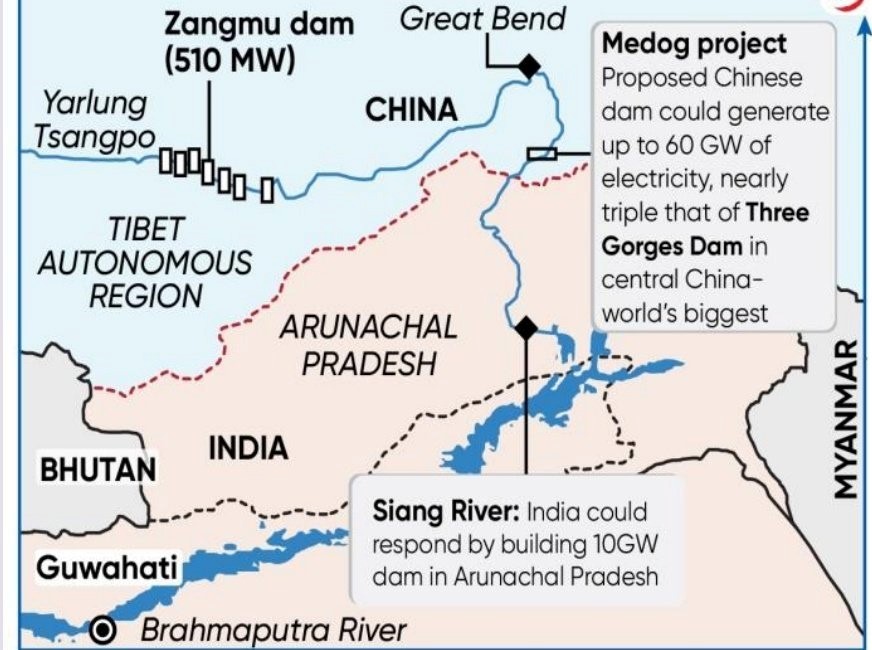
The Siang Upper Multipurpose Project is shaping the future of infrastructural development in Arunachal Pradesh, offering a blend of opportunities and challenges for the local communities. With the recent signing of MoUs by 17 more households in Riew village, this Arunachal Pradesh dam project is poised to enhance community participation and foster regional development. As the Siang Deputy Commissioner Tayi Taggu emphasizes the importance of local engagement, residents are increasingly involved in the decision-making processes that will impact their lives. Recent outreach efforts have played a pivotal role in ensuring that the PFR findings of the Siang project are based on accurate assessments and community consent. It is crucial for the project’s success that all voices are heard, ensuring harmonious coexistence between development and local traditions in the Siang region.
The Siang Upper Multipurpose Project represents a significant stride in the development landscape of Arunachal Pradesh, drawing attention from both local stakeholders and broader environmental interests. As the region gears up for this comprehensive dam initiative, known for its potential to bolster water resource management and energy generation, community involvement remains paramount. Efforts to secure agreements from various village households signify a growing trend towards collaborative governance, which enhances public trust in the project. By addressing concerns through active dialogues and surveys, the initiative aims to harmonize modern development with indigenous values, ultimately facilitating economic growth while respecting local heritage. This evolving narrative highlights the importance of joint efforts in realizing an inclusive project that benefits the entire Siang region.
Community Participation in the Siang Upper Multipurpose Project
The Siang Upper Multipurpose Project aims to harness the tremendous potential of the Siang River in Arunachal Pradesh for hydropower and irrigation. A critical aspect of this initiative is community participation, highlighted by the recent signing of Memorandums of Understanding (MoUs) by an additional 17 households from Riew village. This marks a significant step in fostering local trust and collaboration, as community involvement is essential for the successful implementation of the project. The engagement process has been characterized by transparency and inclusivity, where local leaders, such as the Chairman and Vice Chairman of the Village Development Committee, play pivotal roles in disseminating information and addressing community concerns about the project.
Widespread community participation will also help mitigate potential conflicts arising from the development project. As more households agree to the MoU, the Arunachal Pradesh government is assured of a more supportive environment in which it can conduct necessary assessments, such as the Project Feasibility Report (PFR). Local consensus will allow officials to move forward with project assessments, ensuring that development efforts are in alignment with the interests and well-being of the villagers. Furthermore, sustained outreach will continue to address any doubts or misinformation, fostering a cooperative spirit that can significantly influence the project’s future.
Despite positive momentum from Riew village residents, some local groups remain skeptical about the Siang Upper Multipurpose Project. This resistance underscores the need for ongoing dialogue and collaborative efforts to evaluate the ramifications of the proposed dam on local ecosystems and livelihoods. Critics argue that while infrastructural development can lead to economic growth, it can also disrupt community dynamics and harm the environment. Thus, community leaders and government officials must work together to find a balance that favors both development and sustainability. This is where the significance of community representatives becomes apparent, as they can relay villagers’ concerns directly to the policymakers involved in the project.
Impacts of the Siang Region Development on Local Communities
The Siang Upper Multipurpose Project is intended to bring significant infrastructure development to the Siang region of Arunachal Pradesh, potentially transforming the local economy. The expected increase in employment opportunities during the construction phase, as well as improved access to electricity and irrigation, are just some of the benefits anticipated. However, understanding the socio-economic impact on communities, particularly in villages like Riew, is essential for ensuring equitable development. The government’s proactive stance on community outreach has proved to be effective, with many households now recognizing the project’s potential advantages. This positive engagement has resulted in a collaborative atmosphere that can stimulate local economies and improve residents’ quality of life through enhanced agricultural productivity and energy security.
Nevertheless, the implementation of the Siang Upper Multipurpose Project must be approached cautiously. The potential social and environmental impacts need to be rigorously examined, and the findings from the PFR will play a crucial role in determining the project’s viability. Villagers must be informed about potential changes to their environment and what it means for their livelihoods. Continuous dialogue and assessments will aid in recognizing whether the community’s needs are being adequately addressed, subsequently leading to a more harmonious acceptance of the dam project within the surrounding areas.
As development in the Siang region continues to advance, local communities find themselves at a crossroads. While there are expectations for economic growth associated with initiatives like the Siang Upper Multipurpose Project, there is also caution regarding the potential disruption it may bring to traditional ways of life. It is paramount that community voices are heard during this process, ensuring that their rights and needs are protected. Government officials, while pursuing infrastructural advancements, must prioritize sustainability and community welfare. Local participation, bolstered by the recent success in signing MoUs, will act as a bridge to foster a sense of ownership and accountability among residents, ultimately leading to a win-win scenario for all stakeholders involved.
PFR Findings and Their Importance for the Siang Upper Multipurpose Project
The Project Feasibility Report (PFR) is a critical step in advancing the Siang Upper Multipurpose Project, as it assesses the practicality and impact of the proposed infrastructure on the local environment and communities. The findings of the PFR will dictate whether the project can move forward, reinforcing the government’s commitment to only proceed with development if it proves beneficial to the local population and environment. Recent efforts by officials to engage with villagers have aimed to enhance understanding of the PFR process, helping them realize that the assessment is a tool meant to safeguard their interests. By sharing key findings from the PFR with the community, officials can foster transparency and trust among residents, facilitating more informed decision-making ahead of the project’s development.
Building a thorough and detailed PFR requires contributions from community members who are familiar with the land and the river’s ecosystems. Their insights can help highlight any potential adverse consequences that may not be immediately visible to external assessors. This community-driven approach ensures that the PFR reflects the realities of the local environment, allowing for a more comprehensive evaluation of the proposed dam’s impacts. Government initiatives must prioritize collaborations with local residents, as recognizing their invaluable knowledge will lead to a more sustainable and responsible approach in executing the Siang Upper Multipurpose Project, ultimately contributing to the resilience of the Siang region.
Frequently Asked Questions
What is the significance of the Riew village MoU in the Siang Upper Multipurpose Project?
The Riew village MoU is significant for the Siang Upper Multipurpose Project as it reflects the increasing community participation in Arunachal Pradesh dam projects. With 17 more households from Riew village signing the MoU, a total of 62 percent of households have now joined the initiative. This demonstrates the government’s effort to engage local communities and ensure their involvement in the project’s planning and implementation. Additionally, the MoU signing helps facilitate ongoing surveys and assessments essential for the project’s development.
| Key Points | Details |
|---|---|
| MoU Signing | 17 more households from Riew village signed MoUs for the Siang Upper Multipurpose Project. |
| Previous Participation | 62% of households in Riew village had previously signed MoUs. |
| Government Officials | The signing ceremony was attended by Siang Deputy Commissioner Tayi Taggu and other local leaders. |
| Community Engagement | Increased local community participation attributed to outreach efforts by officials in the Siang region. |
| Project Assessment | The project will proceed only if the findings of the Preliminary Feasibility Report (PFR) are favorable. |
| Opposition | Some villagers are still opposing the dam despite increased engagement efforts. |
| Importance of Awareness | Authorities emphasize the need for greater awareness and engagement to build consensus. |
Summary
The Siang Upper Multipurpose Project aims to enhance community infrastructure and provide sustainable resources in Arunachal Pradesh. With the signing of new Memorandums of Understanding (MoUs) by 17 additional households from Riew village, the project is gaining crucial local support following the earlier participation of 62% of the village’s residents. This initiative, critically overseen by local officials, reflects ongoing efforts to involve the community in potential development while considering their concerns. Furthermore, the project’s advancement hinges on the outcome of the Preliminary Feasibility Report (PFR), ensuring that only favorable conditions will lead to its continuation. Overall, the Siang Upper Multipurpose Project represents a significant step toward improving regional development while fostering community involvement.



























