

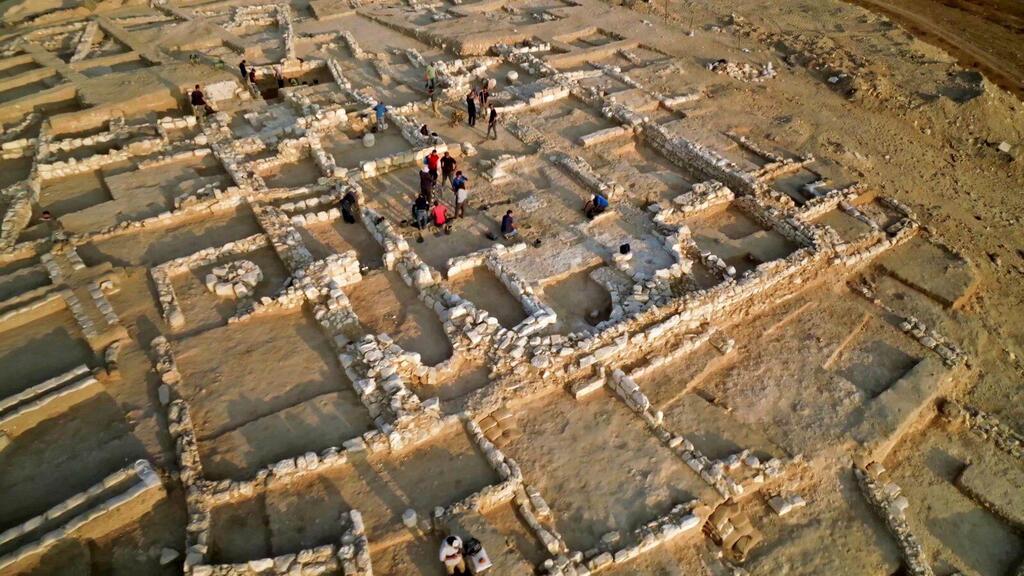
The recent discovery of an ancient church, dating back to the 5th century, has captivated historians and archaeologists alike. Unearthed beside the impressive Sasanian fortifications in the Gird-î Kazhaw region of Iraqi Kurdistan, this site offers a rare glimpse into early Christian architecture and communal worship amidst a landscape of religious pluralism. Researchers from Goethe University in Frankfurt and Erlangen-Nuremberg University have meticulously studied this remarkable find, suggesting significant interactions between different faiths at the time. The archaeological discoveries here not only shed light on the architectural styles prevalent among early Christians but also hint at the vibrant social and religious dynamics of the era. As excavations continue, the remnants of this church may redefine our understanding of the intersection between Christianity and the surrounding cultures in ancient Mesopotamia.
The unearthing of a 5th or 6th-century ecclesiastical structure near historical Zoroastrian worship sites presents a profound narrative of the region’s spiritual evolution. This investigation highlights the intricate blend of Christian liturgical architecture within a milieu characterized by diverse religious practices, particularly in a time marked by significant cultural exchanges. Alongside the impressive remnants of Sasanian military architecture, the findings prompt a reevaluation of the relationships between different religious communities during this pivotal period. With features such as square stone pillars indicative of early church design, the structure stands as a testament to the architectural ingenuity of its time. This ongoing study not only enriches our appreciation of ancient structures but also reveals the coexistence and dialogue of various faiths that thrived in this historically rich area.
Ancient Church Discovery: A Window into Early Christian Architecture
The ancient church discovery beside the Sasanian fortifications in Iraqi Kurdistan marks a significant milestone in understanding early Christian architecture. As archaeologists unearthed structures from the 5th or 6th century, their findings reveal crucial insights into architectural styles that were prevalent in the region. The discovery of five distinct square pillars, formed from quarried stone and partially enveloped in white plaster, indicates a sophisticated understanding of design and religious symbolism, which links to the broader historical context of Christian architecture during this period.
Moreover, the presence of a three-nave architectural pattern resonates with styles identified in early Christian churches throughout northern Syria and Mesopotamia. This architectural design not only served practical liturgical purposes but also conveyed a strong religious identity amidst a diverse cultural backdrop characterized by religious pluralism. The intermingling of Christian religious structures alongside Zoroastrian sites of worship speaks volumes about the dynamics of faith and coexistence in the Gird-î Kazhaw area during a formative time in religious history.
Insights into Religious Pluralism in the 5th Century
The archaeological findings at Gird-î Kazhaw provide compelling evidence of the religious pluralism that defined the 5th and 6th centuries. The concurrent existence of a church and a Zoroastrian site of worship illustrates the intertwined nature of different faiths in this geographical area. This significant discovery sheds light on how individuals and communities navigated their spiritual lives among varying religious doctrines, underlining the coexistence that was prevalent at the time. It’s a testament to a society where diverse religious beliefs were not only tolerated but integrated into daily life.
This context of religious pluralism is further supported by the artifacts recovered, such as the pottery shard decorated with a Maltese cross, which signifies not just the presence of early Christianity but also a blend of cultural influences. The interactions between different religious groups, exemplified by architectural overlaps and shared worship spaces, inform our understanding of historical social evolution. By fostering dialogue between faiths, these archaeological discoveries invite us to appreciate the complexities of early religious practices and community dynamics within the ancient world.
The Architectural Significance of Early Christian Churches
The architectural significance of early Christian churches, like the one discovered near the Sasanian fortifications, can be marked by their unique design features that amalgamate function and spirituality. With the church’s three-nave design and the rugged yet elegant stone pillars, this structure exemplifies a transition from modest places of worship to more elaborate designs reflective of an evolving Christian doctrine. The usage of local materials not only demonstrates practical considerations but also symbolizes the integration of faith within the regional identity, highlighting how architectural forms adapted to local culture and geography.
As researchers continue to study these early structures, their findings contribute to the broader field of Christian architecture, offering insights into how faith communities expressed their beliefs through physical space. The architectural legacy of such churches can be seen in the ongoing construction of places of worship that prioritize congregation and community, echoing the same values echoed during the early years of Christianity. Each discovery reaffirms the role of architecture as a critical narrative in the wider story of religious expression, particularly in a landscape marked by cultural and religious multiplicity.
Understanding the Intersection of History and Religion
The intersection of history and religion is vividly illustrated through the findings at Gird-î Kazhaw. The excavation of a 5th-century church adjacent to a Zoroastrian site points to a period where multiple religious traditions coexisted and influenced each other. This unique archaeological context allows historians and theologians to explore the complexities of faith dynamics during a time when Christianity was still emerging in the region. By examining these interactions, we can better comprehend how early Christians navigated their relationship with existing religious frameworks and societal structures.
Furthermore, the influential role of architecture in shaping religious experiences cannot be overstated. Churches served as more than mere physical spaces; they were symbols of community resilience and cultural identity. Understanding how these structures were erected amidst Sasanian fortifications showcases the interplay of defensive needs and spiritual aspirations, revealing how communities crafted their identities in response to both internal and external challenges. These narratives remind us that history, faith, and architecture are deeply intertwined, shaping the religious landscape of ancient societies.
The Gird-î Kazhaw Site: A Hub of Cultural Exchange
The Gird-î Kazhaw site represents a rich tapestry of cultural exchange that crystallized during the 5th and 6th centuries. The proximity of a Christian church to a Zoroastrian site of worship underscores the interconnectedness of diverse belief systems. These archaeological findings not only showcase the architectural innovations of early Christianity but also highlight the syncretic nature of faith as different communities engaged in dialogue and shared practices. Such encounters provide vital insights into the social fabric of the time, suggesting a society where religious pluralism was both a reality and a cornerstone of community life.
As scholars delve into the layers of history embedded in this site, they illuminate the various ways faith traditions influenced one another. Artifacts recovered from the excavation, including pottery and architectural remnants, serve as testament to this flourishing cultural interchange. The Gird-î Kazhaw area, thus, emerges not just as an archaeological site but also as a crucial point of convergence where narratives of different faiths were woven together into a singular historical experience. This multifaceted understanding enriches our appreciation for how the ancient world operated amidst its spiritual diversity.
Uncovering the Daily Lives of Early Christians
The recent discoveries at Gird-î Kazhaw offer a rare glimpse into the daily lives of early Christians during the 5th and 6th centuries. The remnants of the ancient church, including the structural elements and artifacts, provide vital clues about the types of worship practices, community gatherings, and social interactions that characterized their religious experiences. These findings allow us to reconstruct the multifaceted layers of early Christian life, reflecting not just the architectural grandeur but also the humble yet earnest expressions of faith among believers in a pluralistic society.
Understanding how these early Christians lived, prayed, and socialized enriches our comprehension of their resilience in the face of changing political and social climates. The recovery of items associated with liturgical practices sheds light on the ceremonial life that played a central role in their community. As archaeologists piece together the narrative of this ancient church and its surroundings, they help illuminate a vibrant picture of a society that navigated religious diversity with grace and conviction, with each discovery contributing a fragment to the larger historical mosaic.
The Influence of Sasanian Fortifications on Religious Practices
The Sasanian fortifications surrounding the newly discovered church at Gird-î Kazhaw significantly influenced the architectural layout and religious practices of early Christians. These formidable structures not only provided physical security but also shaped the context in which faith was practiced. The strategic positioning of the church next to these fortifications suggests a deliberate choice by early Christian communities to assert their presence and resilience within a dominantly Zoroastrian landscape. This unique juxtaposition indicates a complex interplay between defense needs and spiritual expressions in a period marked by religious competition.
Moreover, the presence of Sasanian fortifications provides insights into the broader geopolitical landscape of the era. These structures were not merely military installations; they were symbols of power that affected religious dynamics and interactions. The coexistence of diverse religious groups in such a fortified area exemplifies the nuances of theological exchange and adaptation. This layered understanding of the influence of physical structures on religious practices invites further exploration into how architecture shaped communal identities and facilitated the navigation of faith during a time of significant cultural intersections.
Artifacts as Reflective Indicators of Faith and Identity
The artifacts uncovered alongside the ancient church at Gird-î Kazhaw serve as pivotal indicators of the expressions of faith and identity among early Christians. Objects such as the pottery fragment embedded with a Maltese cross highlight the symbolic importance of Christianity in everyday life during the 5th and 6th centuries. These artifacts not only enrich our understanding of the material culture of the period but also underscore the ways religious identity was manifested tangibly. The blend of Christian symbols with local artistic traditions illustrates the negotiation of faith within a historical context defined by pluralism.
Each artifact tells a story, revealing the contexts in which early Christians lived and worshipped. In examining these remnants, researchers can draw connections between daily practices, community customs, and the overarching religious themes of the time. As each object is analyzed, it offers a unique perspective on the societal values and beliefs that shaped the lives of individuals in this rich historical landscape. The ongoing study of these artifacts will continue to illuminate the intricate relationship between faith, identity, and expression among the early Christian communities of Gird-î Kazhaw.
Frequently Asked Questions
What did the recent discovery of an ancient church in Iraqi Kurdistan reveal about religious pluralism?
The ancient church discovered in the Gird-î Kazhaw area, dated to the 5th or 6th century, offers compelling evidence of religious pluralism during its time. This archaeological find, uncovered beside Sasanian fortifications, highlights the coexistence of different faiths, including Zoroastrianism, evidenced by its proximity to a Zoroastrian site. Researchers from Goethe University and Erlangen-Nuremberg University emphasize the significance of this site in understanding early Christian architecture and the diverse religious practices in the region.
| Key Point | Details |
|---|---|
| Discovery Location | Gird-î Kazhaw area in Iraqi Kurdistan, near a Sasanian fortification. |
| Dating | The church dates back to the 5th or 6th century AD. |
| Research Institutions | Conducted by Goethe University Frankfurt and Erlangen-Nuremberg University. |
| Architectural Features | Five square pillars made of quarried stone and partially covered in white plaster, indicating early Christian design. |
| Evidence of Religious Pluralism | Findings suggest coexistence of different religious practices, including a Zoroastrian site nearby. |
| Significant Artifacts | A piece of pottery decorated with a Maltese cross was found, indicative of Christian worship. |
Summary
The recent ancient church discovery has shed remarkable light on the religious landscape of the 5th and 6th centuries in Iraqi Kurdistan. Uncovered beside a Sasanian fortification, this archaeological site reveals not only the architectural prowess of early Christian builders but also highlights the significant intermingling of various faiths in this historically rich region. The findings, including the unique pillars and decorated pottery, suggest that the area was a melting pot of cultural and religious influences, pointing towards a time when Christians, Zoroastrians, and possibly others coexisted and worshipped in close proximity. This discovery opens new avenues for understanding the complexities of religious and social evolution during the early centuries of the Common Era.



























