

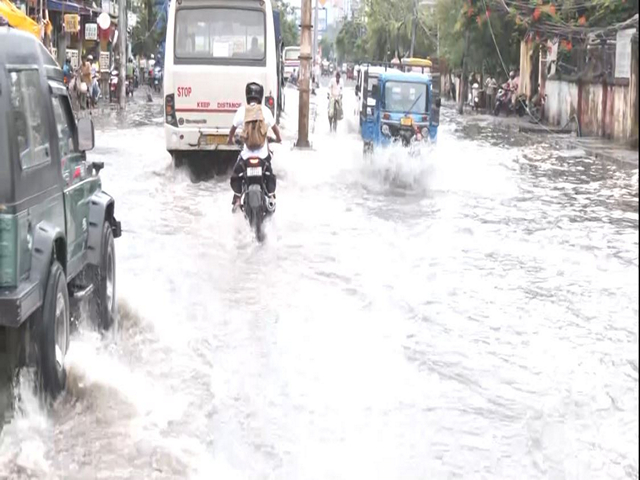
Guwahati flash flood has become a dire reality for residents of Assam, as relentless heavy rainfall leads to devastating waterlogging throughout the city. This unfortunate incident reached a tragic peak when a woman lost her life after being swept into an open roadside drain, highlighting the dangerous conditions created by inadequate infrastructure. The continuous downpour not only disrupted daily life but also raised urgent concerns regarding safety during floods, as residents navigate the treacherous streets. Local authorities and news outlets have been closely monitoring the situation, providing Guwahati news updates to keep citizens informed about emergency responses and safety measures. As the community grapples with the aftermath of this severe weather event, the implications of the open drain incident resonate as a grim reminder of the vulnerabilities posed by urban flooding.
The recent deluge in Guwahati, often referred to as the city’s flash flood crisis, has shocked residents faced with unprecedented challenges due to torrential rains. In the wake of this climatic burden, severe water accumulation has transformed roads into perilous rivers, putting lives at risk. The unfortunate death of a local woman serves as a stark example of the dangers lurking in exposed urban infrastructure, prompting calls for immediate attention to the issues of drainage and safety protocols. With educational institutions temporarily shutting down, the community is rallying for updates and assistance to navigate through these tumultuous conditions. As discussions around urban planning and flood management intensify, the focus remains on preventing future tragedies related to such extreme weather events.
Guwahati Flash Flood: A Wake-Up Call for Safety Compliance
The recent Guwahati flash flood, triggered by incessant heavy rainfall, not only resulted in tragic loss of life but also highlighted a critical gap in urban safety measures. Open drains, a common sight along busy roads, unfortunately transformed into lethal hazards during periods of severe waterlogging in Assam. This incident involving the loss of a woman’s life due to falling into an uncovered drain underscores the urgent need for municipal authorities to enhance safety protocols and infrastructure maintenance. Residents of Guwahati are now calling for stricter regulations and immediate action to cover open drains, particularly in flood-prone areas.
The aftermath of this devastating event raises important questions about urban planning and disaster readiness in Guwahati. As heavy rainfall continues to plague the region, it is essential for the government to prioritize infrastructure improvements that can mitigate such dangers. Implementing better drainage systems, ensuring proper waste management, and increasing public awareness on flood safety can significantly reduce risks during extreme weather events. Only through proactive measures can we hope to prevent future tragedies and safeguard the community.
Safety During Floods: Essential Precautions for Residents
Flooding events like the recent flash flood in Guwahati can occur with little warning, making it crucial for residents to be well-prepared. During heavy rainfall, waterlogging becomes a significant concern, leading to dangerous situations such as those caused by open drain incidents. It is vital for individuals to stay informed through local news updates and advisories, ensuring they are aware of potential flooding risks in their areas. Residents should create emergency plans, including identifying safe routes for evacuation, and ensuring they have essentials ready to go during severe weather.
In addition, communication plays a key role in safety during floods. Neighbors should be encouraged to check on one another, particularly the elderly or those with mobility issues, during heavy rainfall. The community must work together to report hazards like uncovered drains or blocked drainage systems to local authorities, creating a safer environment for everyone. Organizations can also conduct workshops on flood safety, teaching residents how to respond effectively in the event of flooding, thereby minimizing panic and confusion.
Impact of Heavy Rainfall on Guwahati’s Infrastructure
The persistent heavy rainfall in Guwahati has laid bare the vulnerabilities of the city’s infrastructure, particularly when it comes to managing stormwater and preventing waterlogging. Many parts of Guwahati are plagued by poorly maintained drainage systems that are often overwhelmed during periods of intense rainfall. The recent flash flood has called attention to these shortcomings, prompting citizens to advocate for improved urban infrastructure that can better withstand the pressure of such extreme weather conditions. In many instances, the failure to address these infrastructural deficiencies has resulted in tragic consequences, as seen by the unfortunate passing of Payel Nath.
Moreover, the ongoing situation has led to the temporary closure of educational institutions within the Guwahati Municipal Corporation area, a decision taken to ensure student safety amidst the chaos wrought by the floods. This disruption not only affects students’ education but also the local economy. Businesses suffer as accessibility declines and the risk of further incidents unnerves potential patrons. Therefore, it is essential that the government prioritizes investments in urban infrastructure, focusing on durable components that can endure heavy rainfall and maintain public safety effectively.
Understanding Waterlogging and Its Effects in Assam
Waterlogging is a recurrent issue in Assam, and particularly in its capital, Guwahati, where urban development often overlooks the natural drainage patterns of the land. The recent heavy rainfall exacerbated this problem, leading to widespread flooding and the subsequent loss of life. The accumulation of rainwater becomes a breeding ground for various health issues, as stagnant water can lead to mosquito infestations, further endangering the public. Addressing these issues necessitates a comprehensive approach to urban planning, incorporating effective drainage solutions and sustainable land use practices.
Additionally, the predicament of waterlogging raises significant environmental concerns. It can result in soil erosion and degradation, affecting agriculture in the surrounding areas. Flooding creates a ripple effect that impacts local ecosystems and wildlife, disrupting their natural habitats. Understanding the relationship between heavy rainfall and waterlogging is crucial for developing strategies that not only mitigate flooding risks but also enhance environmental resilience. Through research and community engagement, citizens and officials can collaboratively work towards sustainable solutions that protect both human life and the environment.
Guwahati News Updates: Community Responses to Flooding
In the wake of the recent flash floods in Guwahati, community responses have showcased both solidarity and the pressing need for effective action. Local news updates convey the distress and determination of residents who have come together to assist those affected by the floods. Volunteers have mobilized to provide support, distribute essentials, and help with clean-up efforts, reflecting the resilience of the community. This collective spirit serves as a reminder of the strength found in unity, particularly during challenging times.
However, such community initiatives also indicate the ongoing need for systemic change. While grassroots responses are vital, they cannot replace the need for robust infrastructure planning and disaster management at the government level. Media coverage following the incident has sparked discussions on urban safety regulations and the responsibility of municipal authorities to uphold public safety. Ensuring that residents’ voices are heard in conversations about mitigation strategies and infrastructure improvement is crucial for fostering a safer Guwahati for everyone.
Addressing Open Drain Incidents in Urban Areas
Open drain incidents pose a significant risk in urban environments, especially during adverse weather conditions. The unfortunate death of Payel Nath in Guwahati highlights the dangers that inadequately covered drainage systems can present to unsuspecting pedestrians. In many cities, including Guwahati, such infrastructures are a legacy of poor urban planning, where safety features were neglected for efficiency. It is imperative for local governments to prioritize the rehabilitation of these systems, implementing covers or alternative designs that ensure public safety without compromising drainage efficiency.
Moreover, community awareness regarding the existence of such hazards forms a vital part of addressing this issue. Educational campaigns can be launched to inform residents about the dangers posed by open drains, particularly during periods of rainfall when these drains are most hazardous. Local authorities must keep the community aware of ongoing safety measures and improvements to mitigate risks significantly. Ultimately, by combining infrastructural upgrades with public education efforts, cities can greatly reduce the likelihood of future incidents linked to open drains.
The Role of Assam’s Government in Flood Management
The Assam government plays a crucial role in managing flood risks across the state, particularly in areas affected by severe weather patterns. The recent flash flood in Guwahati underscores the importance of swift government action in response to natural disasters. Communication of timely information, as demonstrated by the directing of school closures following the flooding, is an essential part of flood management strategies. These measures not only protect citizens but also illustrate proactive governance amid environmental crises.
However, beyond immediate responses, long-term strategies are necessary for effective flood management in Assam. This includes not only investing in infrastructure that can cope with heavy rainfall but also adopting holistic watershed management practices. Engaging with stakeholders including local communities can foster a cooperative approach to flood readiness and disaster resilience. A transparent dialogue between government agencies and residents can lead to innovative solutions that safeguard both the public and the environment.
The Impact of Climate Change on Assam’s Weather Patterns
Climate change is significantly altering weather patterns around the globe, including in Assam, where increased instances of heavy rainfall have been reported. These shifts lead to exacerbated flooding scenarios, as the land struggles to absorb torrents of rain. The recent flash flood in Guwahati serves as a stark reminder of how climate change is influencing local weather, creating situations where urban plans become less effective and results in heightened waterlogging and hazardous conditions. Understanding and adapting to these changes is crucial for future urban planning.
To confront the challenges posed by climate change, Assam must embrace sustainable development practices. This involves not only improving drainage systems but also implementing green infrastructure strategies, such as rain gardens and permeable pavements that can mitigate flooding. Additionally, local education programs on climate adaptation can empower citizens to take active roles in resilience efforts, ensuring the community remains informed, prepared, and capable of responding to changing environmental conditions. A collaborative focus on adaptation and response will be key to combatting the impacts of climate change on Assam’s weather.
Frequently Asked Questions
What caused the Guwahati flash flood incident reported recently?
The Guwahati flash flood was caused by heavy rainfall that led to severe waterlogging in the city. An uncovered roadside drain became a danger during the downpour, resulting in tragic incidents.
How did the open drain incident during the Guwahati heavy rainfall affect residents?
The open drain incident during the Guwahati heavy rainfall caused panic among residents after a woman fell into the drain and was reported missing. This highlighted the dangers posed by poor infrastructure amid severe weather conditions.
What safety measures should be taken during floods in Guwahati?
During floods in Guwahati, residents should stay indoors, avoid flooded areas, and be mindful of open drains. Authorities recommend monitoring local news updates for safety advisories and emergency information.
How is the Guwahati news reporting on safety during floods?
Guwahati news outlets are continuously updating information regarding safety measures during floods, advising residents on how to stay safe, and sharing details about ongoing rescue operations in the city.
What actions has the government taken in response to the waterlogging in Assam due to the flash floods?
In response to severe waterlogging in Assam from the flash floods, the government closed all government and private educational institutions in the Guwahati Municipal Corporation area to ensure the safety of students and staff.
| Key Point | Details |
|---|---|
| Incident Description | A woman was swept into an open roadside drain during heavy rainfall in Guwahati. |
| Victim Identification | The victim was identified as Payel Nath. |
| Circumstances of the Incident | The incident occurred on Sunday night amid severe waterlogging and flooding. |
| Search Efforts | Guwahati city Police and SDRF teams conducted a search for over four hours. |
| Discovery of the Victim | Payel was found 150 meters away from the drain, unconscious, and later declared dead. |
| Closure of Educational Institutions | All educational institutions in the GMC area were ordered to close due to the flash flood. |
| Official Notification | The Government of Assam issued an order closing schools on 20/04/2026. |
Summary
The recent Guwahati flash flood has proven to be a devastating event, tragically leading to the death of a woman who was swept away by an open drain during heavy rainfall. The incident has not only sparked concerns for public safety but also necessitated the closure of educational institutions in the city. As heavy rains continue to challenge the infrastructure, it is imperative for local authorities to address these vulnerabilities to prevent future tragedies.



























