

The recent Imphal shooting incident has raised significant concerns regarding law enforcement protocols and crowd control methods in Manipur. On Tuesday, a confrontation involving the Village Defence Force (VDF) and a large crowd in Wangjing Tentha, Thoubal district, escalated when police resorted to gunfire to maintain order. The injured individual, Elangbam Nandbir Singh, a 40-year-old Special Police Officer with the VDF, was shot in the abdomen during this chaotic event. This alarming incident occurred amid the visit of the Chief Minister to the Thoubal district, highlighting the tensions in the area. As authorities investigate the circumstances surrounding this shooting, questions arise about the effectiveness of the Manipur Home Department’s strategies for managing protests and public safety.
The unfortunate event in Imphal, often referred to as the Wangjing Tentha shooting, exemplifies the growing tensions between law enforcement and local communities in Manipur. During a recent governmental visit, a large assembly of residents reportedly advanced upon officials, prompting police to implement crowd control measures that escalated dramatically. The Village Defence Force, involved in maintaining peace, found themselves in a critical situation that resulted in a serious injury among their ranks. This raises broader issues about the adequacy of safety protocols and the role of the Manipur Home Department during public demonstrations. With ongoing discussions surrounding law and order in Thoubal district, the implications of this incident extend far beyond the immediate altercation.
Understanding the Imphal Shooting Incident: A Closer Look
The recent Imphal shooting incident has drawn significant attention, highlighting the volatility present in parts of Manipur. On that fateful day, a member of the Village Defence Force (VDF), identified as Elangbam Nandbir Singh, was tragically wounded as police sought to manage a large gathering during the Chief Minister’s visit to Thoubal district. This incident underscores the ongoing tensions in the region and raises questions about the protocols followed by law enforcement when dealing with massive crowds. As officials explain, the police’s use of controlled gunfire was an attempt to uphold safety and public order, showcasing the delicate balance authorities must maintain in such high-pressure scenarios.
Reports indicate that the assembled crowd, reportedly armed with stones and slingshots, posed a substantial threat not only to the security forces but also to the integrity of public property, such as the newly constructed Block Development Officer office in Wangjing Tentha. The actions taken by the Manipur Home Department reflect the challenging conditions faced by law enforcement in controlling escalating situations. After repeated warnings were ignored, police were compelled to resort to force, which tragically resulted in injury to the VDF personnel, drawing attention to the risks faced by community protectors amidst increasing civil unrest.
The Role of the Village Defence Force in Maintaining Peace
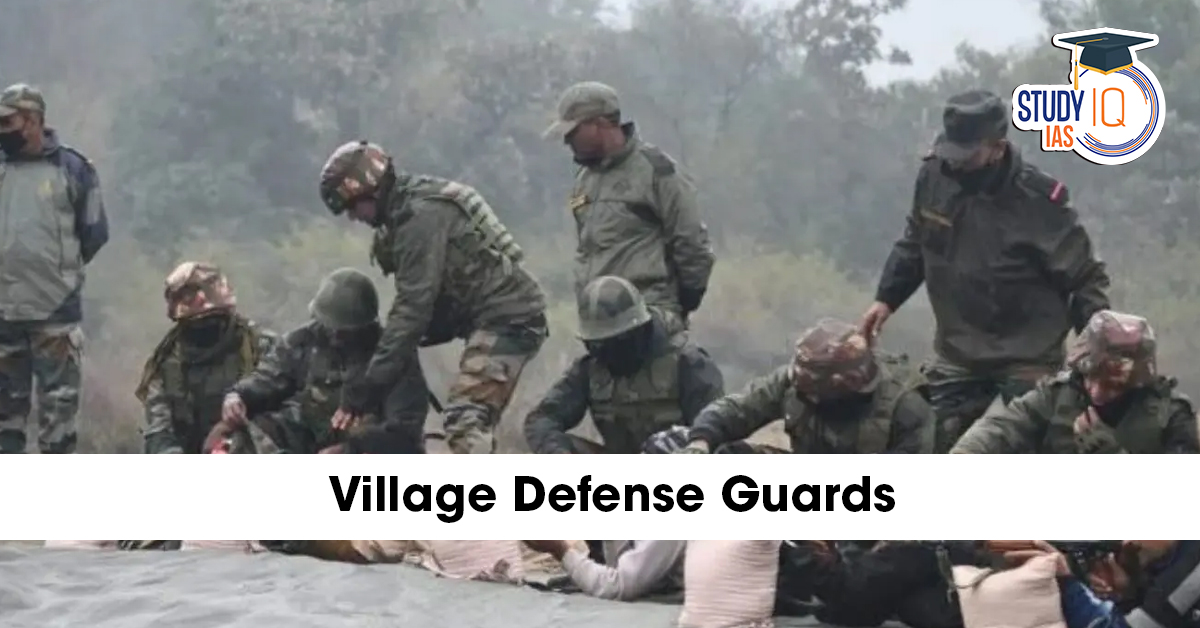
The Village Defence Force (VDF) in Manipur plays a significant role in maintaining peace and order, especially in regions threatened by unrest. Comprising local volunteers and supporters, the VDF operates under the auspices of the Manipur Home Department, contributing to community safety while facing the dual challenges of local conflicts and larger socio-political issues. The shooting incident involving Elangbam Nandbir Singh not only highlights the risks associated with their duties but also emphasizes the importance of effective coordination between community forces and police in fostering a secure environment.
During politically charged incidents like the recent turmoil in Wangjing Tentha, the VDF’s contribution becomes even more vital. Their local knowledge equips them to act as intermediaries between law enforcement and community members, potentially defusing tensions before they escalate. As this shooting incident signifies, however, the dynamics of crowd control can quickly spiral out of hand, necessitating clear communication and operational enforcement measures by both police and VDF members. Understanding their respective roles in these critical moments is essential for fostering long-term strategies to enhance community resilience.
Crowd Control Strategies Employed by Law Enforcement
Effective crowd control strategies are crucial for law enforcement, particularly in regions like Thoubal district, where political and communal tensions often lead to unrest. In the aftermath of the Imphal shooting incident, it is evident that police were faced with a challenging situation as a large crowd advanced aggressively, disregarding multiple warnings. The initial approach involved minimal force, highlighting a commitment to restraint. This tactic is typical within police crowd control protocols, yet it underscores the necessity for swift adaptability when crowd behavior shifts, as was the case during the Chief Minister’s visit.
The tragic outcome of this incident, resulting in injury to Elangbam Nandbir Singh, serves as a reminder of the inherent risks involved. The police’s decision to deploy controlled gunfire as a last resort reflects an acute awareness of the potential hazards to both public safety and property. This approach emphasizes the delicate balance required when managing large groups, especially in politically charged environments where emotions run high. The aftermath of such events often leads to reviews of crowd control strategies and the establishment of more robust protocols to ensure the safety of all parties involved.
The Importance of Community Engagement in Crisis Situations
In moments of crisis like the Imphal shooting incident, community engagement is paramount. Strong ties between local communities, stakeholders, and law enforcement agencies can mitigate tensions and enhance response effectiveness. The Village Defence Force’s presence in Wangjing Tentha, where they assist the police during volatile situations, exemplifies the essential role that community members play in bridging the gap between authority and civilians. This symbiosis can prove critical in preventing incidents of violence and protecting vulnerable populations.
Further proactive community engagement strategies, such as regular dialogues between residents and law enforcement, can create a foundation of trust. When community members feel heard and represented, they are less likely to resort to aggression during moments of dissent. Following the shooting incident, it is vital for the Manipur Home Department and local authorities to prioritize community-building initiatives that promote a collaborative response to potential conflicts, transforming tense encounters into opportunities for dialogue and understanding.
Evaluating the Impact of the Imphal Shooting on Local Security
The impact of the Imphal shooting incident extends beyond the immediate injury of Elangbam Nandbir Singh; it reverberates through the fabric of local security dynamics. Incidents of violence not only threaten the physical safety of individuals but also erode community trust in law enforcement and governmental institutions. In the wake of such events, it becomes vital for the Manipur Home Department to conduct a thorough analysis of the incident and its ramifications on the overall security landscape in Thoubal district. Public perceptions of safety can significantly affect community interactions with police and other security forces.
Moreover, analyzing the incident’s fallout will be crucial for future policy adjustments concerning crowd control and engagement procedures. Stakeholders must assess whether established protocols effectively address the tension inherent in politically charged environments, as seen in Wangjing Tentha. By identifying weaknesses and incorporating community feedback, local authorities can work towards creating a framework that prioritizes both the safety of individuals like Singh and the preservation of public order.
The Role of Government Leadership in Managing Civil Unrest
The leadership styles and decisions taken by government officials play a crucial role in managing civil unrest, particularly in sensitive regions like Manipur. The recent Imphal shooting incident occurred during a visit by the Chief Minister of Manipur, emphasizing the need for adept leadership during such precarious moments. Effective leadership can help navigate the complexities of civil unrest, creating a more stable environment for communities to thrive despite underlying tensions. It is essential that leaders remain transparent and communicative, ensuring that their actions are aligned with community safety while also addressing public grievances.
Furthermore, the necessity for leaders to foster collaboration between various agencies—including law enforcement, community organizations, and local citizens—cannot be underestimated. Developing public trust in government actions arises through sustained dialogue and mutual respect. By prioritizing these collaborative efforts, leaders can not only respond effectively to immediate challenges, such as those witnessed in Thoubal district, but also promote a culture of peace and security that benefits all stakeholders moving forward.
Implications for Future Security Strategies in Manipur
The Imphal shooting incident serves as a harrowing reminder of the potential volatility in regions like Manipur, compelling security agencies to reassess their operational strategies. In light of recent events, it is critical that the Manipur Home Department and associated agencies evaluate existing frameworks for crowd management and civil engagement. By learning from prior incidents, proactive measures can be put in place to mitigate risks and enhance the effectiveness of law enforcement responses. This adaptation is key to ensuring public safety and maintaining order during times of unrest.
Moreover, investing in training programs that focus on non-lethal crowd management techniques may enhance the capabilities of local law enforcement. Establishing clearer communication pathways between police and community members can foster mutual respect and understanding, reducing the likelihood of violent confrontations such as those that took place in Wangjing Tentha. As security dynamics evolve, it is imperative that all stakeholders work together to cultivate a safer environment for the people of Manipur.
Community Reactions and the Aftermath of the Shooting
In the aftermath of the Imphal shooting incident, community reactions have varied significantly, revealing deep-seated tensions and sentiments within Thoubal district. Some community members express outrage and fear, questioning the measures employed by police and the overall effectiveness of the Village Defence Force’s role in maintaining public safety. This incident serves as a flashpoint, illuminating broader societal issues that extend beyond the immediate context of the shooting. It is essential for local leaders to address these concerns openly, engaging with residents to foster an atmosphere of healing and trust.
Conversely, there are voices within the community that highlight the necessity of maintaining law and order, emphasizing that the police acted under extreme pressure during a potentially dangerous situation. Supporters argue that the proactive involvement of the VDF and law enforcement is crucial for preventing greater chaos. As discussions unfold across Thoubal district, the necessity for multifaceted dialogues involving diverse perspectives becomes increasingly paramount to create pathways for community solidarity and collaboration.
Legal and Policy Implications of the Shooting Incident
The legal and policy implications stemming from the Imphal shooting incident are profound, prompting a need for scrutiny regarding the protocols governing police engagement with the public. The circumstances surrounding Elangbam Nandbir Singh’s injury necessitate a thorough investigation into the use of force guidelines, specifically within the context of a politically charged atmosphere. This scrutiny is crucial in ensuring that law enforcement accountability remains at the forefront of public peace strategies. Continued examination of legal frameworks can pave the way for reform aimed at preventing future occurrences of violence within communities.
In addition to assessing existing legal procedures, policymakers may need to consider implementing additional training for law enforcement officials. As the need for effective crowd management and engagement strategies grows, enhancing officers’ skills to de-escalate tensions is paramount. The Manipur Home Department can focus on establishing clear avenues of communication between law enforcement and community stakeholders, fostering an environment that prioritizes peaceful resolution over confrontation. Ultimately, this incident stands as a catalyst for necessary change within the policy landscape governing public safety and community relations.
Frequently Asked Questions
What happened during the Imphal shooting incident involving the Village Defence Force in Thoubal district?
The Imphal shooting incident occurred when a personnel from the Village Defence Force (VDF), Elangbam Nandbir Singh, sustained a gunshot wound during a police crowd control operation in Wangjing Tentha, Thoubal district. The police fired into a large crowd that was allegedly armed and threatening public property during the Chief Minister’s visit. Despite warnings to disperse, the crowd advanced, prompting the use of controlled gunfire to restore order.
| Key Points | Details |
|---|---|
| Incident | On Tuesday, during a crowd situation in Wangjing Tentha, Thoubal district. |
| Injured Personnel | Elangbam Nandbir Singh, 40, a Special Police Officer with the Village Defence Force. |
| Injury Details | Singh was shot in the abdomen and taken to Raj Medicity Hospital. |
| Crowd Behavior | The crowd allegedly approached armed with stones and slingshots, threatening public safety. |
| Police Response | Police used minimal force initially but had to resort to controlled gunfire as a last option. |
| Outcome | The situation was brought under control and no further violence occurred. |
Summary
The Imphal shooting incident highlights the escalating tensions within the region, where a conflict between law enforcement and local residents led to serious consequences. On the day of the Chief Minister’s visit, a large crowd gathered with intentions deemed threatening to public safety, prompting police to respond. The unfortunate gunshot wound sustained by Elangbam Nandbir Singh underscores the volatility of such situations and the challenges faced by security forces in maintaining order while ensuring the safety of both the public and property. It reflects the necessity for effective crowd management strategies and the importance of mitigating violence in politically charged environments.



























