

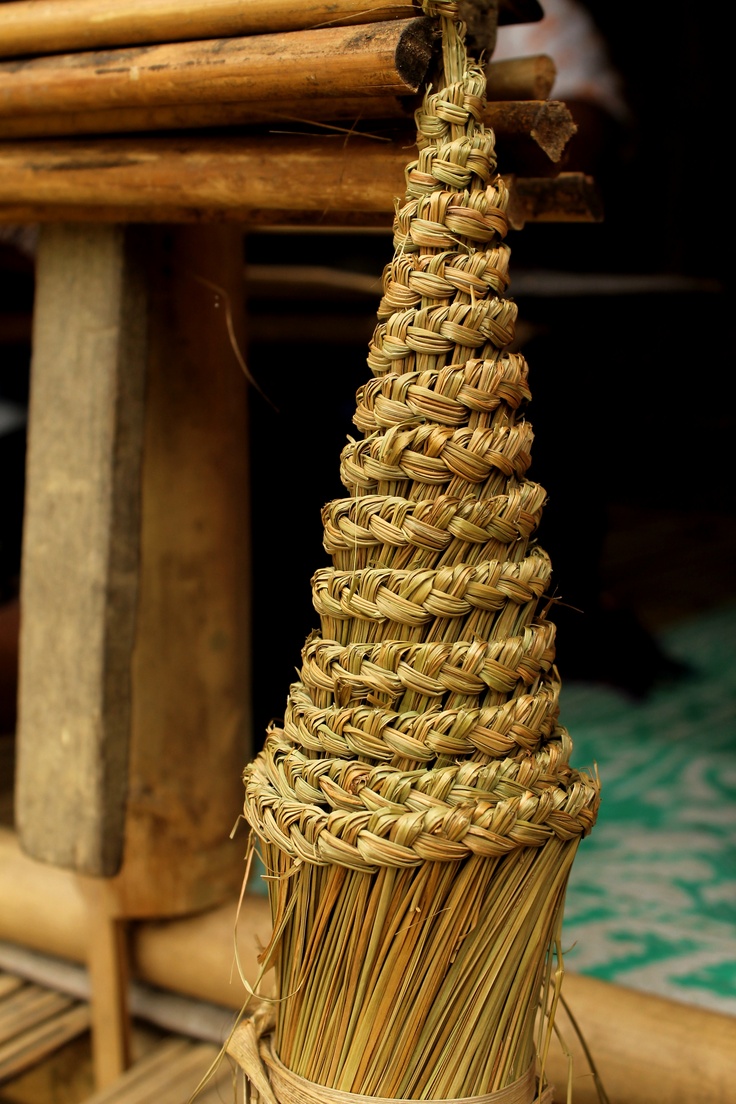
The Arunachal Pradesh broom, cherished for its robust design and cultural significance, has not only captured hearts but also woven stories across distances—such as the surprising bond formed between a tenant and her landlord in Delhi. This unlikely connection arose from a viral Instagram video, illustrating how items from Northeast India products can transcend mere utility to become symbols of cultural connections. Shelly, a tenant, reflected on her struggle to find a broom that matched the quality and durability of her home’s traditional brooms, emphasizing that these traditional brooms are truly ‘built different’. Her mother’s decision to gift one of these sturdy brooms to her landlord showcased the deep-rooted gifting culture prevalent in India, where small gestures hold immense value. In a world filled with mass-produced home items, the Arunachal Pradesh broom serves as a reminder of the warmth and personal touch that can evolve from something as simple as a functional tool, sparking conversations about cultural appreciation and shared stories.
Often referred to as the jhaadu in Hindi, the Arunachal Pradesh broom embodies not just a cleaning tool but also a rich heritage from Northeast India. It represents an integral part of traditional life, deeply entrenched in gifting practices and cultural folklore. As Shelly’s experience highlights, this robust broom differs vastly from the flimsy options frequently found in urban markets, symbolizing quality and craftsmanship. Such traditional brooms not only serve their practical purpose but also foster connections between people, making them a unique way to share one’s culture. The jhaadu’s journey from a simple household item to a vehicle for community bonding showcases how even the simplest of objects can hold profound significance.
The Cultural Significance of Brooms in Arunachal Pradesh
In Arunachal Pradesh, brooms are not just practical tools for household chores; they embody cultural heritage and traditional craftsmanship. The making of these brooms often involves local materials and techniques passed down through generations, making them an integral part of the community’s identity. Each broom is crafted with care, ensuring it is sturdy enough to withstand daily use while reflecting the artistry of the artisans. This strong cultural connection transforms a seemingly mundane object into a symbol of pride and tradition for the people of Northeast India.
Moreover, the broom has transcended its utilitarian purpose to become a meaningful gift in various social contexts. For instance, in a tight-knit community, gifting a broom can symbolize goodwill and a desire to maintain harmonious relationships. The sharing of such traditional brooms fosters a sense of belonging and shares the regional identity, showcasing how even the simplest household items have the power to connect individuals across different cultures.
Arunachal Pradesh Broom: A Unique Home Item for Your Space
Choosing an Arunachal Pradesh broom for your home is not only a practical decision but also a way to incorporate a piece of Northeast India into your living space. These brooms are significantly more durable compared to their Delhi counterparts, making them an ideal choice for those who value quality in everyday items. Their thickness and sturdiness mean they can last through rigorous cleaning sessions, allowing homeowners to enjoy both functionality and longevity in their cleaning tools. Furthermore, having such a traditional broom in your home becomes a conversation starter—a glimpse into the rich culture of the Northeast.
Incorporating these brooms into your home decor can create an aesthetic that celebrates cultural diversity. The unique design and craftsmanship can enhance the visual appeal of your space, making it feel more inviting. Additionally, using items with meaningful origins contributes to a home that tells a story, enriching the living environment. Whether used as a practical tool or as part of a decor arrangement, the Arunachal Pradesh broom signifies a connection to cultural heritage while providing a functional benefit.
Gifting Culture: The Symbolism and Impact of Sharing Brooms
The act of gifting an Arunachal Pradesh broom transcends mere exchange; it represents a deep-seated cultural practice rooted in generosity and connection. In Shelly’s experience, the simple gesture of gifting a broom transformed her relationship with her landlord, underscoring how such actions can foster goodwill. Furthermore, the broom stands as a metaphor for home and hospitality, symbolizing the warm embrace of one’s culture even in unfamiliar surroundings. Sharing such items highlights the importance of personal connection, reinforcing friendships and community ties.
In many cultures, especially in Northeast India, the act of giving without the expectation of receiving creates an aura of reciprocity. Gifting a broom, therefore, may seem like a small gesture but carries significant implications for interpersonal relations. It serves to express appreciation and acknowledge shared history and values, promoting understanding and unity. This cultural nuance emphasizes the importance of traditional items as vehicles for goodwill, meaning that even simple gifts can enhance relationships in profoundly impactful ways.
Social Media Trends: How Traditional Brooms Became Viral Sensations
The viral Instagram video shared by Shelly not only showcased the practical aspects of Arunachal Pradesh brooms but also tapped into the larger theme of cultural appreciation and connection. Users worldwide engaged with the content, sharing their own experiences and playful banter about the significance of a ‘jhaadu’. The humor resonated with many, demonstrating how social media can bridge geographical divides, sparking conversations that go beyond the confines of physical boundaries.
As traditional brooms gain popularity online, there is potential for entrepreneurs to explore this niche market further. Comments of interest from viewers, discussing how they would love to purchase a durable broom from Northeast India, indicate a growing appreciation for authentic, quality home items. This trend not only reflects a desire for better household tools but also emphasizes the intersection of culture and commerce, paving the way for traditional products to find their place in modern markets.
From Home to Home: The Journey of Traditional Brooms
The journey of Arunachal Pradesh brooms from their origins to new homes highlights the adaptability of traditional crafts. Brooms crafted in the Northeast can travel far from where they are made, landing in households across different regions, where they often serve as anecdotes of cultural exchange. As highlighted in Shelly’s story, these brooms carry more than just the literal task of cleaning; they embody stories, emotions, and connections that reflect the rich tapestry of individual backgrounds and experiences. When such items find a place in new environments, they facilitate an appreciation for diverse customs and ways of life.
As these traditional brooms traverse from one home to another, they showcase the vibrant cultural heritage of Arunachal Pradesh, inviting owners to incorporate a piece of this identity into their everyday lives. They remind recipients of the simplicity of home and the beauty of traditions that withstand the test of time. Furthermore, by possessing and using a broom from Northeast India, individuals participate in a wider narrative that values craftsmanship, sustainability, and cultural significance—each swipe of the broom serving as a poignant reminder of where it came from.
The Craftsmanship Behind Traditional Brooms of Northeast India
The artistry involved in creating brooms from Arunachal Pradesh reflects a deep-rooted tradition that prioritizes quality and sustainability. Artisans meticulously select local materials, often sourced from the region’s unique flora, to ensure that each broom is both functional and durable. This traditional crafting process not only supports local economies but also preserves ancestral skills and techniques that have been passed down for generations. The careful attention to detail in the design ensures that these brooms stand out in a market saturated with mass-produced household items.
Moreover, the craftsmanship behind these brooms highlights a relationship between the artisans and their environment. By utilizing resources that are readily available in their surroundings, they create products that are both environmentally friendly and representative of their cultural identity. As more consumers seek out sustainable options in their household items, traditional brooms from Northeast India can offer both beauty and practicality, inviting users to appreciate the stories imbued within each crafted piece.
Cultural Insights: How Brooms Foster Connections Across Communities
Brooms have become unexpected symbols of connectivity and cultural exchange, demonstrating that even the simplest of items can foster relationships between communities. Shelly’s experience highlights how cultural items can transcend perceived boundaries, igniting meaningful interactions grounded in mutual respect and understanding. The broom, traditionally a household necessity, becomes a conduit through which individuals can share their heritage and invite others into their world, sparking interests and conversations that might not otherwise occur.
In a globalized world where people are often distanced from their roots, such gestures remind us of the importance of cultural ties and shared histories. When a broom travels from Arunachal Pradesh to a different corner of India, it brings with it a piece of that culture—encouraging discussions about traditions, values, and the everyday lives of those who crafted it. By recognizing these connections, individuals embody a collective spirit that celebrates diversity and fosters a sense of community, allowing for cultural narratives to flourish.
The Economic Potential of Traditional Crafts in the Digital Age
The rise of internet culture has opened new avenues for promoting traditional crafts, such as brooms from Arunachal Pradesh. As consumers become more aware of the significance of sustainable and quality home goods, there’s a burgeoning market for unique products that tell a story. Utilizing social media platforms not only raises awareness about such items but also provides artisans with channels to reach wider audiences—transforming their crafts into viable businesses while preserving cultural traditions.
Digital platforms enable artisans in Northeast India to showcase their brooms to a nationwide audience, encouraging people to invest in products that support local economies. The conversation ignited by the viral video serves as a catalyst for economic growth in the community, as more individuals express interest in purchasing these durable brooms. By bridging the gap between consumers and creators, the digital age can empower traditional crafts, allowing for economic sustainability alongside cultural conservation.
Embracing Cultural Diversity through Simple Household Items
The act of embracing cultural diversity can begin with something as simple as a broom. Shelly’s story has sparked a broader conversation about the richness of traditions that often go unnoticed in our global society. As individuals seek to enhance their living spaces with items that reflect cultural heritage, the humble broom transforms from a simple cleaning tool to a celebrated artifact that tells stories of craftsmanship, tradition, and connection. This shift highlights the importance of recognizing and valuing cultural diversity in our everyday lives.
By inviting elements from different cultures into our homes, we create spaces that reflect inclusivity and appreciation for various traditions. The broom from Arunachal Pradesh, with its history and significance, serves as a reminder of the deep interconnections that exist through shared practices and values. As we move forward in an increasingly interconnected world, embracing such cultural narratives will not only enrich our personal experiences but also honor the diversity that shapes our global community.
Frequently Asked Questions
What makes the Arunachal Pradesh broom a unique traditional home item?
The Arunachal Pradesh broom stands out due to its robust construction, thicker and sturdier design compared to typical brooms found in urban areas like Delhi. This durability reflects the cultural connection of Northeast India products, emphasizing practicality and longevity in everyday items.
How do traditional brooms from Arunachal Pradesh symbolize cultural gifting norms?
Traditional brooms from Arunachal Pradesh serve as more than just home items; they embody the gifting culture of the region. Gifting a broom, often seen as an auspicious gesture, can strengthen relationships and signify goodwill, as highlighted by the experiences shared in viral stories.
What cultural connections are represented by the gifting of Arunachal Pradesh brooms?
Gifting brooms from Arunachal Pradesh represents deep cultural connections, showcasing how a simple household item can bridge divides between people. This practice reflects the tradition of sharing significant items from one’s home, reinforcing community and familial bonds.
Why are brooms from Arunachal Pradesh considered better than standard brooms found in cities?
Brooms from Arunachal Pradesh are considered superior due to their durability and sturdiness. Unlike the flimsy alternatives typically made available in cities, these traditional brooms are crafted to last, making them a preferred choice for many.
Can gifting an Arunachal Pradesh broom enhance relationships?
Yes, gifting an Arunachal Pradesh broom can enhance relationships, particularly in a landlord-tenant scenario. As noted in recent viral anecdotes, such thoughtful gestures can create unexpected bonds and foster goodwill in personal interactions.
What insights can we learn from experiences involving Arunachal Pradesh brooms in urban settings?
Experiences shared about Arunachal Pradesh brooms in urban settings reveal their ability to facilitate surprising connections among people. They highlight the value of cultural items in bridging relationships and the importance of retaining one’s heritage while adapting to new environments.
Is there any belief associated with gifting brooms from Northeast India?
Yes, there are beliefs associated with gifting brooms from Northeast India, including notions of auspiciousness. Many regard the broom as a symbol of prosperity and good fortune, which makes gifting one akin to offering blessings, particularly in cultural contexts.
How can one source traditional brooms from Arunachal Pradesh for gifting or home use?
Traditional brooms from Arunachal Pradesh can often be sourced through local artisans, craft fairs, or online marketplaces specializing in Northeast India products. These avenues ensure authenticity and support local craftsmanship.
| Key Point | Description |
|---|---|
| Cultural Connection | A broom from Arunachal Pradesh serves as a bridge between a tenant and landlord in Delhi due to a viral Instagram video. |
| Traditional Value | Northeastern brooms are described as thicker, sturdier, and more durable compared to those found in Delhi. |
| Gift-Giving Impact | Gifting a broom was a thoughtful gesture that strengthened the relationship between the tenant and her landlord. |
| Social Media Influence | The story gained traction on Instagram, prompting users to share their own experiences and humorous observations regarding brooms. |
| Cultural Significance | A broom symbolizes practicality and is associated with various cultural beliefs, including auspiciousness. |
Summary
The Arunachal Pradesh broom has unexpectedly become a symbol of cultural connection and understanding in urban settings like Delhi. Shelly’s viral video highlights how even the simplest of items can forge bonds between people from different backgrounds. By gifting a traditional broom, she not only expressed appreciation towards her landlord but also sparked conversations about cultural significance and the quirks of relocation. This narrative serves as a reminder of how ordinary items, such as brooms, can encapsulate deeper meanings and create lasting impressions.



























