

The El Niño impact is set to challenge Maharashtra as the state braces for potential climate shifts. With Chief Minister Devendra Fadnavis leading the charge, the Maharashtra government is prioritizing effective water management strategies to mitigate this phenomenon’s effects. Enhanced conservation efforts in Maharashtra will play a crucial role in sustaining agricultural productivity amid predictions of erratic weather patterns. Policymakers are ramping up El Niño readiness to ensure that communities are equipped to handle the impending changes brought on by climate change. As the state navigates these challenges, coordinated responses will be essential in safeguarding both natural resources and livelihoods.
In light of the looming climatic event, Maharashtra is taking unprecedented measures to counter the effects of this significant weather event commonly known as El Niño. The state’s leadership is actively mobilizing resources to enhance water conservation techniques and implement innovative management strategies. Efforts to bolster readiness are not only crucial for agriculture but also vital for overall environmental sustainability in Maharashtra. As officials respond to these climatic challenges, the urgency of addressing the ripple effects of climate change cannot be overstated. This proactive approach showcases Maharashtra’s commitment to resilient development amid fluctuating global weather patterns.
Understanding El Niño and Its Impact on Maharashtra
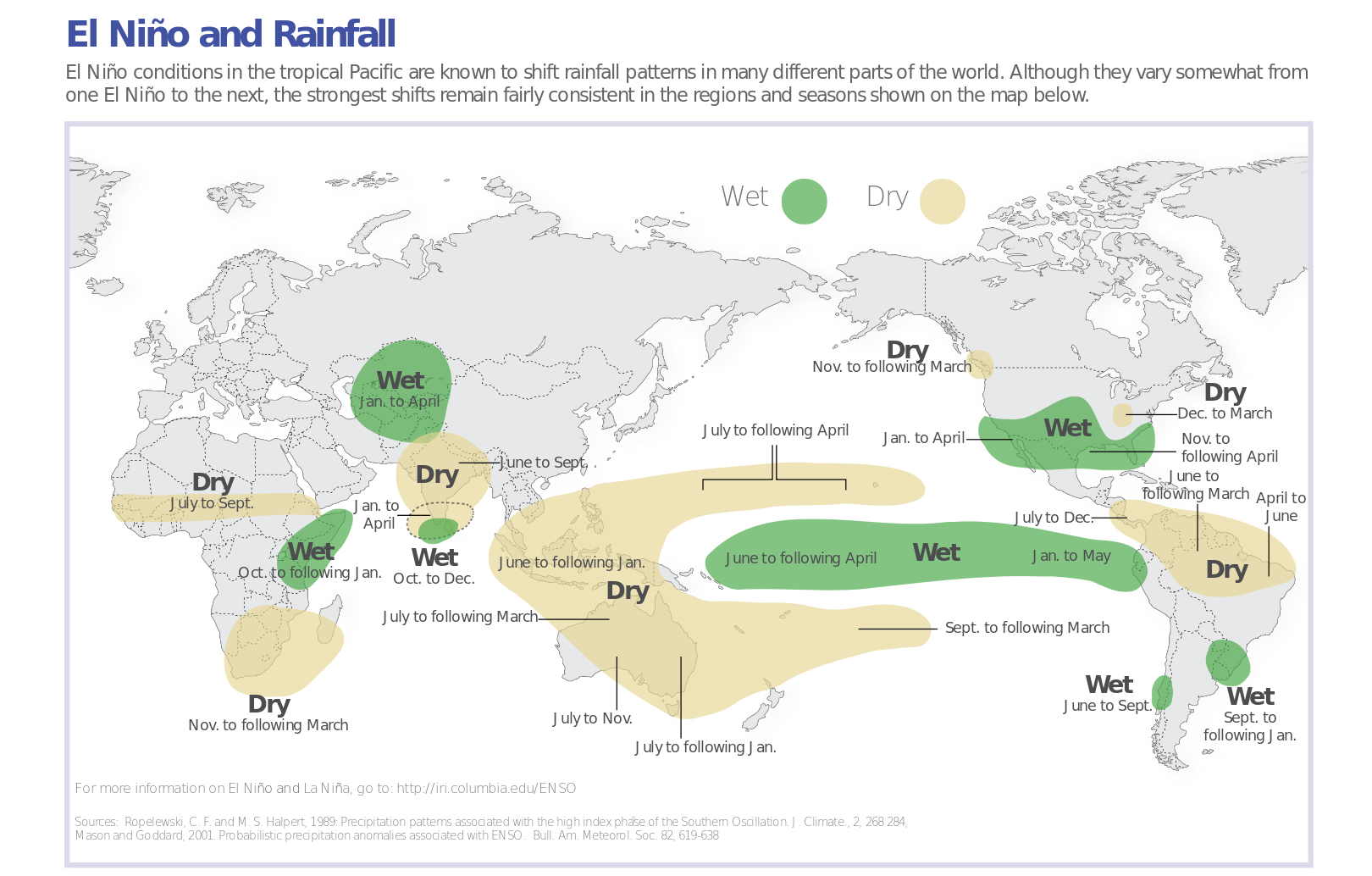
El Niño is a climate phenomenon characterized by the warming of surface waters in the central and eastern Pacific Ocean. This can lead to significant changes in weather patterns across the globe, and Maharashtra is no exception. The state often experiences dramatic shifts in rainfall and temperatures during El Niño years, affecting agriculture, water supply, and overall climate stability. With the predicted onset of El Niño, it is crucial for Maharashtra to prepare adequately to mitigate its adverse impacts.
The impact of El Niño on Maharashtra could manifest through erratic monsoon patterns, leading to droughts or flooding, depending on the severity of the phenomenon. As such, the Maharashtra government, under the leadership of Chief Minister Devendra Fadnavis, is stepping up efforts for efficient water management systems to ensure that the population is resilient to these fluctuations. Understanding the dynamics of El Niño enables the state to anticipate weather conditions and make informed decisions regarding crop planning and resource allocation.
Maharashtra’s Water Management Strategies
Effective water management is essential in ensuring the sustainability of Maharashtra’s water resources. The state has been implementing various strategies aimed at maximizing water conservation and enhancing supply. This includes the repair and maintenance of existing water infrastructure, as well as innovative methods like rainwater harvesting and groundwater recharge. The urgency of these measures is compounded by climate change, which continues to threaten Maharashtra’s already strained water systems.
Under the current administration, there is a renewed focus on not just managing water but also preserving it through conservation efforts. Chief Minister Fadnavis has directed key departments to collaborate on integrated water management plans that account for fluctuations caused by climatic events like El Niño. By prioritizing conservation efforts in Maharashtra’s policies, the government aims to create a more resilient ecosystem that withstands both the impacts of climate change and the unpredictability of El Niño.
The Role of Conservation Efforts in Climate Resilience
Conservation efforts play a pivotal role in enhancing Maharashtra’s resilience to climate variability. The government is working on initiatives that promote sustainable practices among farmers and communities, thereby improving water use efficiency and reducing wastage. Programs aimed at educating the populace about soil and water conservation methods have become integral to the state’s strategy. By fostering a culture of conservation, Maharashtra can better prepare for the challenges posed by El Niño and other climate events.
Additionally, the implementation of policies that support afforestation, wetland restoration, and the construction of small check dams will enhance water retention capacity across the state. This proactive approach is crucial, especially in the face of changing climatic conditions that have been influenced by factors such as global warming. With Devendra Fadnavis spearheading these initiatives, Maharashtra is reinforcing its commitment to responsible water management and environmental sustainability.
El Niño Readiness: A Statewide Approach
El Niño readiness is gaining importance in Maharashtra as the government seeks to minimize the impacts of this climate fluctuation. The Chief Minister has identified the need for all state departments to work in unison to create a comprehensive action plan that addresses the varying effects of El Niño. Preparing for the potential disruptions in weather patterns involves not only immediate tactical responses but also long-term strategic planning for climate adaptation.
The readiness initiatives include establishing early warning systems to communicate potential weather changes to farmers and local communities. These systems will provide essential information, enabling stakeholders to make timely decisions to safeguard their crops and water resources. The focus on El Niño readiness reflects Maharashtra’s broader commitment to climate preparedness and resilience, ensuring that the impacts of climate change are systematically managed.
Devendra Fadnavis’s Responses to Climate Change in Maharashtra
Chief Minister Devendra Fadnavis has taken proactive steps in responding to the growing challenges posed by climate change in Maharashtra. By prioritizing water management initiatives, he aims to promote sustainable resource use while addressing the urgent threats posed by both El Niño and climate change. His administration is pushing for innovative policies that reflect the importance of environmental stewardship, which are crucial for the state’s agricultural and economic stability.
Under his leadership, the government is leveraging technological advances and scientific data to inform decision-making on water management and climate resilience strategies. Fadnavis emphasizes collaboration between various sectors, including agriculture and urban development, to foster a holistic approach to climate change mitigation. This comprehensive outlook is essential for ensuring that Maharashtra continues to effectively manage its water resources in the face of escalating climate challenges.
Frequently Asked Questions
How does the El Niño impact Maharashtra’s water management efforts?
The El Niño impact on Maharashtra can significantly disrupt weather patterns, leading to changes in rainfall and temperature. This necessitates robust water management strategies by the Maharashtra government to address potential droughts or flooding. Chief Minister Devendra Fadnavis emphasizes the importance of enhancing conservation efforts in Maharashtra to mitigate these effects and ensure water availability.
| Key Points | Details |
|---|---|
| Government’s Response | The Maharashtra government is preparing to address the potential impacts of El Niño. |
| Instruction from Chief Minister | Chief Minister Devendra Fadnavis has directed all departments to prioritize water management. |
| Focus on Conservation | The government is accelerating efforts to conserve water in anticipation of El Niño. |
| Coordinated Efforts | All departments are expected to ensure coordinated readiness to tackle the effects of El Niño. |
Summary
The potential impact of El Niño is a significant concern for the Maharashtra government. In response to the expected climatic changes associated with this phenomenon, the state is implementing a strategic plan led by Chief Minister Devendra Fadnavis. The focus will be on proactive water management and accelerating conservation efforts to mitigate the adverse effects of El Niño. All departmental efforts are being coordinated to ensure comprehensive readiness, fostering a united response to this environmental challenge. Through these measures, the government aims to safeguard water resources and maintain ecological balance during the possible disturbances caused by El Niño.



























