

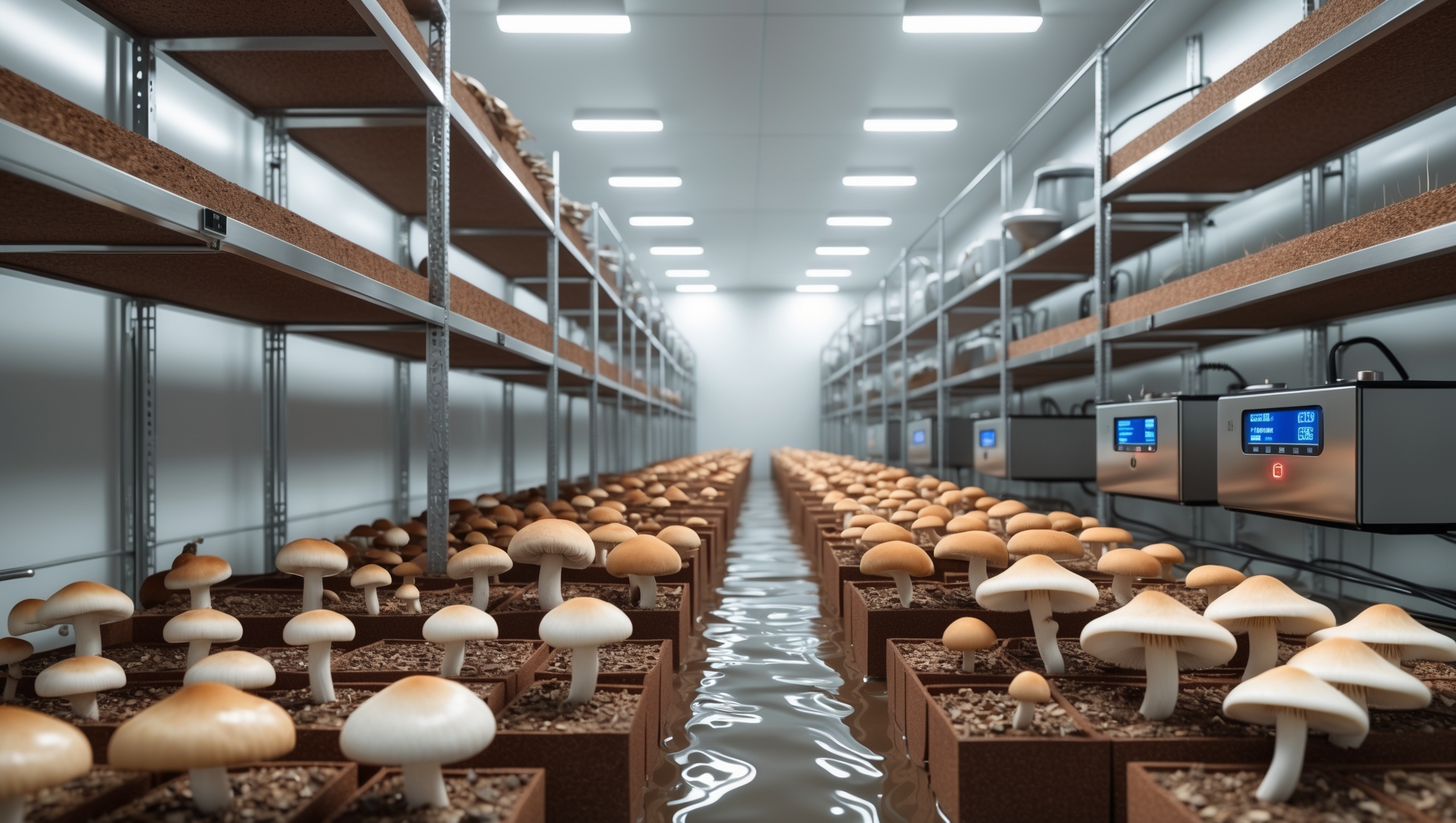
Growing oyster mushrooms is an exciting venture for both seasoned gardeners and beginners alike, making them ideal for home mushroom cultivation. These delicious fungi are packed with nutrients and can thrive even in small spaces, allowing anyone to bring the joy of gardening into their home. With just a few easy steps and minimal materials, you can discover how to grow mushrooms right in your kitchen or balcony. Not only do oyster mushrooms offer incredible health benefits, but they also provide a sustainable source of fresh produce directly from your own home. In this guide, you will learn some easy mushroom growing tips to embark on a rewarding journey of cultivating your own edible treasures.
Cultivating oyster mushrooms, also known as Pleurotus ostreatus, involves an enjoyable process that can enhance your culinary adventures at home. Whether you refer to them as culinary fungi or garden mushrooms, their ease of growth and versatility offer an attractive option for urban gardeners looking to maximize their limited growing space. These delightful mushrooms not only contribute to your health with their rich nutrient profile but also introduce a fun hobby into your lifestyle. As we explore the step-by-step methods for successful mushroom cultivation, you will learn valuable techniques for ensuring robust yields and discovering the joys of gardening. Get ready to dig into a world of benefits, as we turn your kitchen or even your windowsill into a mini mushroom farm.
Growing Oyster Mushrooms at Home: A Step-by-Step Guide
Growing oyster mushrooms at home is a rewarding undertaking that can transform any small space into a thriving urban garden. To begin, gather essential materials such as straw, mushroom spawn, and polythene bags, all of which are inexpensive and easily accessible. The first step involves soaking the straw until it is adequately moist but not dripping wet, ensuring that your mushrooms will have the necessary hydration for optimal growth. Once prepared, this sustainable practice allows you to enjoy fresh, organic mushrooms while reducing waste, as you can use kitchen scraps in your cultivation process.
The layering and incubation process is critical in successfully growing oyster mushrooms. Begin by packing the wet straw into the polythene bags, alternating layers of straw and mushroom spawn. This method promotes even distribution and encourages healthy growth as the mycelium colonizes the substrate. After securing the bag and pricking holes for air, place it in a warm dark area. Remember, maintaining a consistent temperature between 20-25 degrees Celsius is essential for optimal growth. With proper care and patience, you’ll see the beginnings of your bountiful harvest within just a few weeks.
Benefits of Cultivating Oyster Mushrooms at Home
Cultivating oyster mushrooms at home offers a myriad of health benefits that make them an excellent addition to any diet. Rich in protein and dietary fiber, these mushrooms also provide essential vitamins and minerals that contribute to overall well-being. Incorporating oyster mushrooms into your meals can enhance your nutritional intake while adding their mild, sweet flavor to your dishes. Not only are they delicious, but they are also low in calories and packed with antioxidants, which can help support your immune system and contribute to a balanced diet.
Beyond the health benefits, growing oyster mushrooms at home can be a financially savvy choice. With low inputs in terms of cost and space, countless home gardeners are discovering the joys of growing their own food. The continual yield of oyster mushrooms allows for multiple flushes of harvest, meaning you can enjoy fresh mushrooms for weeks or even months. Additionally, this practice can alleviate the stress of grocery shopping and reduce reliance on store-bought produce, leading to a more sustainable lifestyle.
Easy Mushroom Growing Tips for Small Spaces
For those looking to grow mushrooms in limited spaces, the oyster mushroom is one of the best choices to consider due to its adaptability and ease of maintenance. The great news is that you don’t need a garden or an extensive setup; even a small kitchen corner or a balcony can work wonders. Utilizing vertically oriented bags or stackable containers can maximize your space while still providing an ideal environment for growth. An accessible method involves reusing common household materials, such as cardboard or coffee grounds, proving that you don’t need to spend a lot to cultivate these delicious fungi.
Monitoring moisture levels is another key tip for successful mushroom cultivation, especially in smaller areas where airflow can be limited. Regularly check the humidity around your growing area and mist the substrate lightly if it appears dry. Proper lighting is also important, as oyster mushrooms benefit from indirect sunlight. By following these easy mushroom growing tips, you can create an efficient and enjoyable home cultivation experience, enjoying both the process and the scrumptious rewards of your efforts.
The Eco-Friendly Aspects of Home Mushroom Cultivation
Home mushroom cultivation, particularly with oyster mushrooms, plays a significant role in promoting sustainability and environmental conservation. Growing your own food reduces reliance on commercial farming, which often involves pesticides, plastic packaging, and significant carbon footprints. By cultivating mushrooms at home, you directly contribute to reducing waste, as many growth mediums can be sourced from kitchen scraps or agricultural by-products. This practice not only enhances your food security but also encourages a greener lifestyle, reflecting a commitment to caring for the planet.
Moreover, oyster mushrooms can also help in composting efforts. As they feed on organic waste materials, they create a valuable cycle where kitchen scraps can be transformed into nutrient-rich mushrooms. Incorporating mushroom cultivation into your home gardening practices aligns with eco-friendly values while providing fresh produce for your meals. This connection fosters a greater appreciation for natural resources and encourages sustainable practices within the community, demonstrating that even small actions like home mushroom growing can have a positive impact on our environment.
Harvesting Oyster Mushrooms: Timing and Techniques
Harvesting is one of the most exciting aspects of growing oyster mushrooms at home. Typically, you can expect to start harvesting between 20-30 days after incubation, which is relatively quick compared to other homegrown produce. It’s crucial to monitor the growth closely, as the mushrooms will often indicate when they are ready to be picked, appearing plump and fully formed. Timing is essential; harvesting too soon might result in smaller yields, while waiting too long may lead to over-ripeness and reduced flavor.
When it’s time to harvest, using a sharp knife, carefully cut the mushrooms at the base to prevent damage to the remaining mycelium. This method encourages further growth, allowing for multiple flushes from the same batch. It’s important to handle the mushrooms gently and store them properly to maintain freshness; a paper bag in the refrigerator is often ideal. Following these harvesting techniques not only ensures the longevity of your growing venture but also guarantees that you reap the full benefits of your labor, enjoying delicious mushrooms in your meals.
Creating an Indoor Growing Environment for Oyster Mushrooms
Opting to grow oyster mushrooms indoors provides a controlled environment that can be incredibly effective, especially in urban settings. To ensure good growth, select a shaded area free from direct sunlight, as too much light can hinder the process. Maintaining a consistent temperature between 20-25 degrees Celsius is vital, as this range supports optimal mycelial activity. Utilizing a humidity monitoring system can greatly enhance your success, ensuring the proper moisture levels are sustained for healthy growth.
Incorporating natural elements like a small water fountain can also help maintain moisture levels, contributing to a microclimate that is favorable for mushroom growth. Regularly misting the surface and keeping airflow circulating can prevent stagnation and promote even growth. By creating the right indoor growing environment for oyster mushrooms, you transform your home into a vibrant cultivation hub, allowing you to reap the rewards of fresh mushrooms year-round.
Comparing Oyster Mushrooms to Other Varieties
When it comes to home mushroom cultivation, oyster mushrooms are often favored for their ease of growth compared to other varieties. They thrive on a wide range of substrates, from straw to coffee grounds, making them highly versatile for home gardeners. Unlike shiitake or portobello mushrooms, which require more intensive care and specific growing conditions, oyster mushrooms adapt well to the simpler environments often found in urban settings. This forgiving nature makes them an ideal starting point for novices looking to explore mushroom cultivation.
Furthermore, the culinary versatility of oyster mushrooms is unmatched. Their mild flavor profile allows them to pair beautifully with various cuisines, contributing to hearty meals or as a light garnish. This adaptability in the kitchen, combined with their straightforward growing processes, positions oyster mushrooms as a staple among home cultivators. Embracing oyster mushrooms over more challenging varieties can encourage more people to try their hand at mushroom gardening, ultimately leading to wider experimentation with fresh, organic produce.
Nutritional Profile of Oyster Mushrooms
The nutritional profile of oyster mushrooms makes them a powerhouse addition to any diet. They are low in calories yet high in essential nutrients such as vitamins B and D, along with important minerals like potassium, copper, and iron. This rich composition not only supports overall health but also aids in boosting energy levels and improving metabolic functions. Additionally, their high fiber content promotes digestive health, making them a valuable food choice for maintaining a balanced diet.
Moreover, the presence of antioxidants in oyster mushrooms serves to combat oxidative stress in the body, helping to reduce inflammation and improve overall wellness. Their cholesterol-lowering properties further enhance cardiovascular health, making them a heart-friendly option for many. As more people become aware of the health benefits associated with oyster mushrooms, their popularity in home gardening is sure to rise, encouraging others to reap the rewards of these nutritious fungi.
The Joy and Satisfaction of Home Mushroom Gardening
Engaging in home mushroom gardening, especially with oyster mushrooms, brings a unique joy that transcends the mere act of growing food. There is an inherent satisfaction in watching your efforts blossom into a bountiful crop, transforming simple tasks into an enriching hobby. This process fosters a deeper connection to the food you consume, as each stage—from preparation to harvesting—requires attention and care. The therapeutic nature of gardening also contributes to mental well-being, creating a fulfilling routine that brings joy and a sense of accomplishment.
Furthermore, sharing this experience with family and friends can amplify the enjoyment of mushroom gardening. Inviting others to participate in the process, from planting the spawn to cooking together with freshly picked mushrooms, enhances relationships and creates cherished memories. The communal aspect of cultivating food not only deepens connections but also promotes conversations about sustainability and healthy eating. Ultimately, the joy and satisfaction derived from growing oyster mushrooms at home lie in both the personal and social dimensions of this rewarding pursuit.
Frequently Asked Questions
What are the benefits of growing oyster mushrooms at home?
Growing oyster mushrooms at home offers numerous benefits, including access to fresh, nutritious food packed with protein, fiber, and essential vitamins. This simple home mushroom cultivation can be done in small spaces, making it ideal for urban gardening. Additionally, oyster mushrooms are low-cost to produce and provide multiple yields, creating a rewarding experience for gardeners.
| Key Point | Description |
|---|---|
| What are Oyster Mushrooms? | Oyster mushrooms are edible fungi that grow on decaying wood, characterized by their soft, fan-shaped caps and mild flavor. |
| Nutritional Benefits | High in protein, fiber, vitamins, and minerals, making them a nutritious addition to your diet. |
| Why Grow Them? | Low production costs, consistent yields, and contributions to health make them ideal for home growers. |
| Materials Needed | Wheat straw or dried grass, mushroom spawn, water, polythene bags, and a shaded indoor space. |
| Growing Process | Layers of moist straw and spawn in polythene bags, incubated in a warm, dark area. |
| Harvesting Time, | Harvest within 20-30 days, can expect multiple flushes of mushrooms. |
Summary
Growing oyster mushrooms is a simple and rewarding experience that allows anyone, even in small spaces, to cultivate these nutritious fungi at home. The process involves gathering easily accessible materials like straw and mushroom spawn, layering them in bags, and providing a dark, warm environment for incubation. Within just a few weeks, you can witness the remarkable growth of your mushrooms and reap the benefits of multiple harvests. Not only does this practice enable you to enjoy fresh, homegrown produce, but it is also a relaxing and eco-friendly gardening affair that contributes positively to your diet.



























