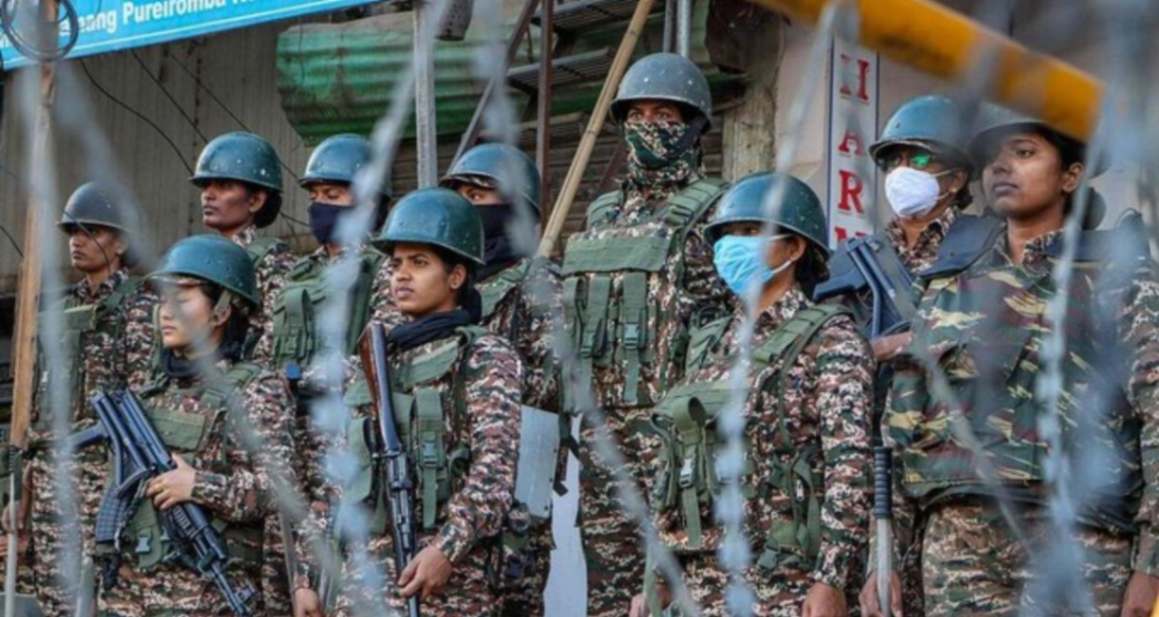
The recent Manipur protests have brought significant attention to the escalating violence in the region, particularly in the Imphal East district. On Wednesday, police apprehended Thoudam Gojendro Singh, a police officer accused of engaging in violent demonstrations that targeted security forces and disrupted public safety. These protests are part of a broader wave of unrest linked to the Manipur ethnic clashes that began in May 2023, driven by tensions between the Meitei and Kuki communities. Events like the Koirengei crossing incident, where protesters blocked roads and launched attacks with stones, highlight the severe impact of these clashes on local stability. Amidst the turmoil, the government is working to address the ongoing violence and investigate incidents like the recent bombing in Bishnupur that has further fueled tensions in the state.
Amid ongoing strife in Manipur, the recent disturbances reflect deeper societal divides and highlight the urgent need for resolution. The unrest, stemming from long-standing ethnic tensions between the local communities, has led to numerous protests that have escalated into violence. Notably, the situation intensified after the apprehension of police officer Thoudam Gojendro Singh, implicated in the unrest during recent demonstrations in the Imphal East area. Local authorities and security forces are grappling with the repercussions of these civil disturbances, while officials work diligently to restore order and safety. The violent incidents, including those surrounding the Koirengei crossing and the broader conflicts over community rights, underline a critical juncture for peace-building in this volatile region.
Manipur Protests Intensify Amid Arrests
The ongoing protests in Manipur have escalated significantly in recent weeks, especially following recent events that have triggered widespread unrest. One of the focal points of these demonstrations has been the arrest of individuals like Thoudam Gojendro Singh, who allegedly took part in violent acts against security forces in Imphal East. The tensions surrounding these protests are deeply rooted in the ethnic clashes that have been affecting Manipur since early 2023, leading to substantial casualties and displacements among the communities involved. With each passing day, the societal divide deepens, as protesters voice their grievances against what they perceive as governmental neglect amidst the increasing frequency of violent episodes.
These protests are characterized not only by their scope but also by their intensity, as evidenced by the actions at the Koirengei crossing where individuals engaged in roadblocks and direct confrontations with police. The violence faced by security personnel highlights the potential for even greater unrest if the underlying ethnic divisions are not addressed. The police’s role in managing these protests becomes increasingly complex, with many fearing that heavy-handed responses could further inflame the situation, leading to more significant clashes between different community groups.
Amidst the backdrop of rising incidents of violence in Manipur, the authorities’ response is both crucial and contentious. The arrest of Thoudam Gojendro Singh for his direct involvement in attacking security personnel has only served to fan the flames of protest among groups frustrated with perceived injustices. The violence in Imphal East is just one snapshot of a larger picture where ethnic tensions have been boiling over, driven by a series of incidents including a deadly bombing that claimed innocent lives. The continued call for justice by protesters reflects their struggle for recognition and safety, highlighting the urgent need for dialogue to address the grievances of both the Meitei and Kuki communities.
As protests continue, community leaders and activists emphasize the importance of peaceful demonstrations to avoid further bloodshed. Many argue for a cessation of hostilities and the initiation of dialogue between opposing groups, hoping that such measures could pave the way for a more stable environment in Manipur. The current situation not only threatens the peace within the state but also poses a potential risk for neighboring regions, making it imperative that all stakeholders work toward sustainable resolutions to the frustrations that have led to these ongoing protests.
Impact of Manipur Violence on Local Communities
The impact of the recent violence in Manipur has been devastating, particularly for the vulnerable communities directly affected by the ethnic clashes. Since May 2023, nearly 60,000 residents have been displaced, highlighting the urgent humanitarian crisis arising from the escalating conflict between the Meitei and Kuki communities. Many families have lost their homes, livelihoods, and in some cases, loved ones due to the ongoing turmoil. This situation has forced many to seek refuge in overcrowded shelters and camps, where access to basic necessities such as food, healthcare, and security remains alarmingly inadequate.
Local communities are now grappling with the psychological and emotional scars left by the violence, as fear and distrust permeate relations between different ethnic groups. Social cohesion that once thrived in these areas is deteriorating, with individuals increasingly wary of one another. As such, community leaders and organizations are working tirelessly to provide aid and support to displaced families while also advocating for peaceful cohabitation amidst the turmoil. The challenge lies not only in addressing immediate needs but also in fostering long-term reconciliation to heal the deep divisions created by ongoing violence.
Moreover, the economic repercussions of the unrest in Manipur cannot be overlooked. Businesses have suffered as protests disrupt trade and daily activities, leading to significant financial losses for local entrepreneurs. The violence has discouraged tourists, a key source of revenue for many in the region, stifling an already fragile economy further. This economic downturn exacerbates the challenges faced by those affected, as job opportunities diminish and the cost of living rises amid shortages in essential goods.
In light of these challenges, efforts to promote economic recovery must be integral to any peace-building initiative. Addressing the economic insecurities faced by communities will not only aid in alleviating the immediate impacts of the violence but also lay the groundwork for a more stable and prosperous future. Local governments, NGOs, and community leaders must collaborate to identify sustainable development projects that could rejuvenate the local economy while fostering unity and cooperation among different ethnic groups.
Thoudam Gojendro Singh and the Koirengei Incident
Thoudam Gojendro Singh’s arrest during the Koirengei crossing incident has raised significant questions surrounding the motivations and actions of individuals participating in the protests in Manipur. This incident, which involved violent confrontations with security officials, is emblematic of the broader unrest that has taken root in the region due to ethnic strife. Demonstrators increasingly resort to extreme measures, such as blocking roads and physically confronting law enforcement, indicating a deterioration of public order and a desperate cry for attention to their grievances.
The involvement of individuals like Singh underscores the challenge faced by authorities in distinguishing between peaceful protestors advocating for their community’s rights and those fostering violence. With tensions continuing to increase, police and security forces have adopted a more robust stance in managing protests, leading to a cycle of resistance and confrontation that compounds the instability afflicting Manipur, making it essential to address not only the actions of individuals involved but also the systemic issues driving these protests.
The Koirengei incident has become a flashpoint in the discourse surrounding state handling of ethnic unrest. Many view the arrest of Gojendro Singh as a necessary step in restoring order, while others criticize it as an example of state oppression against marginalized voices. This dichotomy illustrates the complexities of navigating the demands for justice and accountability amidst a climate rife with ethnic tensions. Furthermore, the circumstances leading to such confrontations reflect a deep-seated frustration within the community regarding the state’s inability to provide security and resolve ongoing disputes.
In light of the violent and tumultuous atmosphere, it is crucial for the government to reassess its strategies and engage with community representatives to foster an environment conducive to dialogue and healing. Initiatives aimed at understanding the underlying causes of unrest—rooted in historical grievances and socioeconomic disparities—must be prioritized to prevent future incidents similar to Koirengei from occurring. Without addressing these fundamental issues, any attempts to quell the violence will be merely temporary, leaving the potential for future escalations.
Government Response to Manipur Ethnic Clashes
In response to the escalating ethnic clashes in Manipur, the government has taken a series of measures aimed at restoring peace and ensuring public safety. However, the effectiveness of these actions remains a focal point of debate among community leaders and activists. The recent transfer of the investigation into the Tronglaobi bombing to the National Investigation Agency (NIA) highlights a significant shift in the state’s approach, showcasing an attempt to bring a more specialized focus to the situation. Although this move aims to address public concerns regarding safety and justice, skepticism persists regarding its potential impact on the broader climate of unrest.
Critics argue that while such governmental interventions may provide short-term relief, they do not address the root causes of the conflict—underlying ethnic tensions, political disenfranchisement, and socioeconomic inequality. As the government scrambles to quell the violence, community leaders emphasize the importance of inclusive dialogue and restorative measures that engage all stakeholders in the peace-building process. Only through cooperative efforts can the state hope to mend the fractured relationships between communities and foster long-lasting stability.
Furthermore, the government’s focus on law enforcement without parallel social initiatives raises concerns about exacerbating existing tensions. As security forces enhance their presence across sensitive regions, many worry that heavy-handed tactics could lead to further alienation and resentment among affected communities. This strategy risks alienating the very populace whose trust and cooperation are essential for lasting peace and recovery. Therefore, alongside deploying increased security measures, it is critical for policymakers to invest in community outreach programs and conflict resolution strategies that foster understanding and respect among different ethnic groups.
To create a sustainable solution to the ethnic clashes, the government must prioritize economic rehabilitation and educational initiatives that empower communities rather than deepen divisions. By addressing the socio-economic factors that contribute to unrest, such as poverty and lack of access to education, the groundwork for a more harmonious society can be laid. Effective and empathetic governance is paramount in navigating the complexities of Manipur’s current challenges, requiring a balanced approach that values both security and community welfare.
The Aftermath of Manipur’s Ethnic Violence
The aftermath of the ethnic violence that has plagued Manipur since May 2023 presents a grim scenario for the state. With over 260 deaths and thousands displaced, the humanitarian crisis continues to evolve as affected families confront their new reality. The long-term physical and psychological effects of this turmoil will likely reverberate through the generations, as communities struggle to recover from the loss of life, property, and social networks. The emotional toll on survivors – who bear witness to the violence and may have lost loved ones – creates an urgent need for mental health support and community rebuilding initiatives.
Rehabilitation efforts have become crucial in addressing the immediate needs of those affected. NGOs and various social organizations are stepping in to provide relief and support, but the scale of the crisis poses significant challenges. The need for comprehensive strategies that focus on rebuilding trust and social fabric in the community cannot be overstated, as resentment may linger long after the physical tensions decrease. Addressing these long-term consequences is essential for any hopes of restoring peace and cohesion among the people of Manipur.
Moreover, the socio-economic ramifications of the ethnic violence are profound, with the local economy suffering drastic setbacks due to ongoing unrest. Businesses have shuttered, and market activity has plummeted, further exacerbating poverty in affected areas. As communities attempt to navigate this new economic landscape, opportunities for recovery must be prioritized. Initiatives that promote job creation and economic stability will be paramount in supporting displaced residents and fostering an environment conducive to rebuilding their lives.
In summary, the aftermath of Manipur’s ethnic violence calls for a holistic approach that considers both the immediate humanitarian needs and the long-term socio-economic recovery of affected communities. This dual focus is essential not only for addressing the symptoms of conflict but also for creating a resilient foundation that can withstand further tensions in the future. Collaborative efforts between government agencies, community leaders, and international organizations will be instrumental in this trajectory toward healing and stability.
Frequently Asked Questions
What are the recent developments in the Manipur protests related to Thoudam Gojendro Singh’s arrest?
The recent developments in the Manipur protests highlight the arrest of police officer Thoudam Gojendro Singh for his involvement in violent demonstrations during the Imphal East protests. He, along with another suspect, was apprehended for attacking security forces at the Koirengei crossing on National Highway-02. The protests have escalated in response to ongoing ethnic clashes in Manipur, particularly between the Meitei and Kuki communities, which have resulted in significant unrest since May 2023.
| Key Points |
|---|
| A police officer named Thoudam Gojendro Singh was arrested for participating in a violent protest in Imphal East. |
| He was involved in attacking security forces and blocking roadways by igniting debris at the Koirengei crossing. |
| The protests were triggered by an attack in Bishnupur district, which intensified following a bombing incident. |
| The April 7 bombing in Tronglaobi resulted in the death of two children and injuries to their mother, escalating tensions. |
| Manipur has seen over 58,800 individuals displaced due to ethnic violence since 2023, with significant unrest ongoing. |
| The Chief Minister has ordered a transfer of the bombing investigation to the National Investigation Agency for further inquiry. |
Summary
The Manipur protests have erupted into a significant and troubled landscape, driven by rising tensions between ethnic communities, particularly the Meitei and Kuki populations. Triggered by a violent bombing incident in April that claimed innocent lives, the unrest has led to numerous protests and confrontations with security forces. With ongoing violence leading to the displacement of thousands and an alarming number of casualties, the situation in Manipur remains critical. As authorities look to address the turmoil by involving national investigative agencies, the need for peace and resolution grows ever more urgent within this region marked by historical grievances and deep-rooted societal divisions.