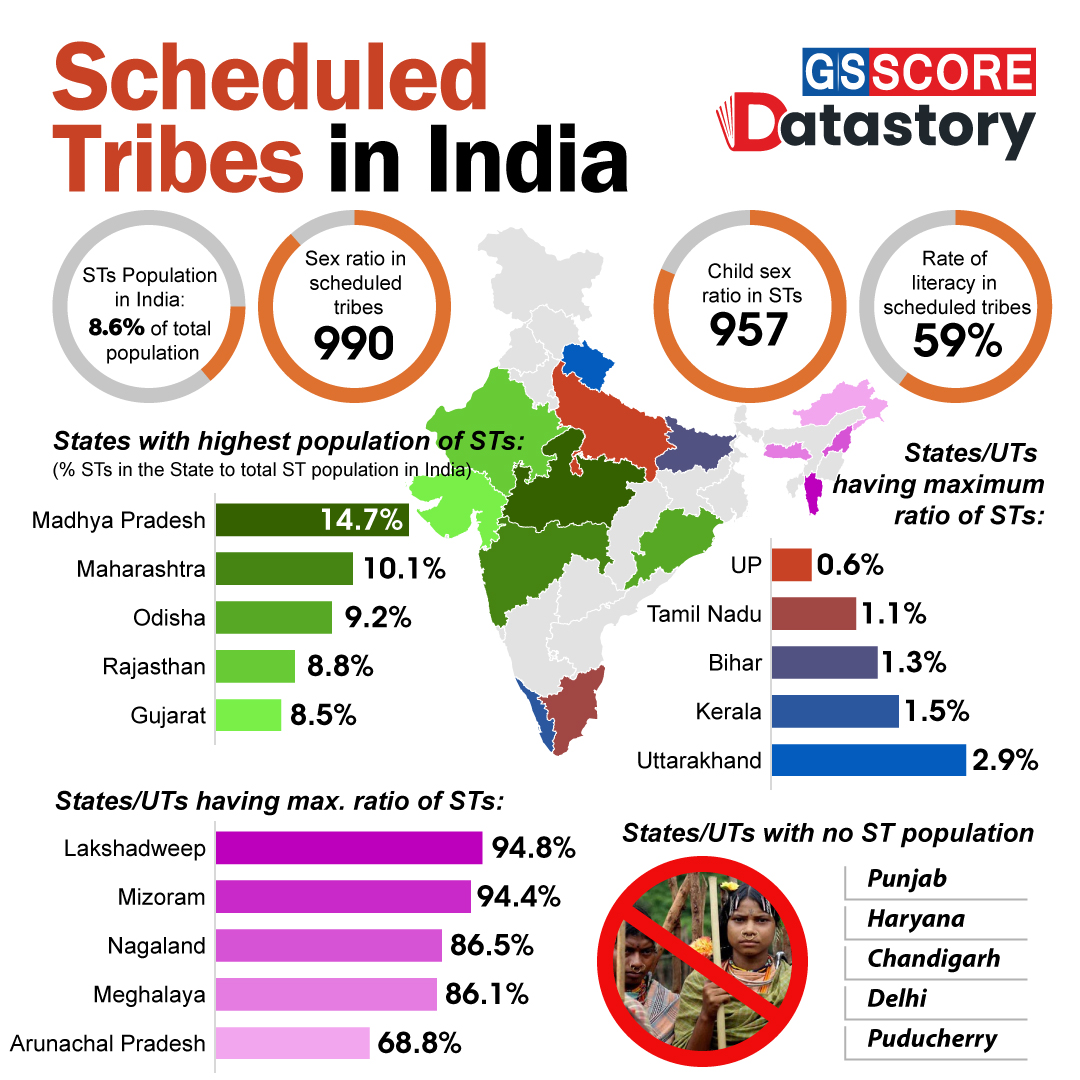
The Meghalaya electoral roll is set to play a pivotal role in the upcoming elections for the Garo Hills Autonomous District Council (GHADC), as the state government initiates measures to create a voter list exclusively for Scheduled Tribe (ST) voters. This significant reform is aimed at empowering indigenous communities, ensuring that only those recognized as ST voters participate in the electoral process. By aligning the electoral roll with constitutional protections for tribal governance, Meghalaya seeks to address long-standing demands for greater autonomy and representation in tribal areas. The move seeks to prevent the dilution of tribal political authority, a concern expressed by local indigenous groups regarding current electoral practices. As Meghalaya prepares for this focused electoral reform, the implications for land governance and community rights in the region have never been more critical, priming the state for transformative changes in its political landscape.
In Meghalaya, efforts are underway to establish a dedicated voter list for Scheduled Tribe participants in the upcoming elections to the Garo Hills Autonomous District Council (GHADC). This initiative, reinforcing the concept of tribal governance, aims to enhance the participation and representation of indigenous groups within the political framework. By ensuring that only members of the Scheduled Tribe can vote, the state government is addressing demographic concerns and aligning governance with the constitutional protections intended for tribal communities. This electoral roll reform is viewed as a crucial step toward securing tribal autonomy and maintaining the cultural integrity of communities in the region. As the electoral landscape evolves, the implications for scheduled tribes in Meghalaya are profound, promising to reshape the political discourse surrounding land ownership and governance rights.
Understanding the Meghalaya Electoral Roll for Scheduled Tribes
The Meghalaya electoral roll specifically designed for Scheduled Tribe (ST) voters is a crucial initiative aimed at preserving the rights and governance of indigenous communities within the Garo Hills. This tailored electoral roll will ensure that the GHADC elections exclusively involve ST voters, reinforcing the principle of tribal autonomy that is enshrined in the Sixth Schedule of the Indian Constitution. Such measures are not just administrative; they reflect deep-rooted demands from tribal populations seeking to bolster their political representation and safeguard their cultural integrity against external influence.
Creating an ST-exclusive electoral roll is anticipated to reshape the political landscape in the Garo Hills. By concentrating electoral power within the indigenous community, the Meghalaya government aims to reinforce traditional governance structures and prevent dilution of tribal authority. Moreover, this initiative directly addresses historical injustices and ongoing challenges related to land governance, ensuring that decisions affecting tribal lands are made by those who hold ancestral ties to them. These measures are seen as essential to maintaining the socio-political balance in a region marked by diverse demographics.
Frequently Asked Questions
What is the significance of the Meghalaya electoral roll for Scheduled Tribe voters in the Garo Hills Autonomous District Council elections?
The Meghalaya electoral roll specifically for Scheduled Tribe (ST) voters holds great significance for the Garo Hills Autonomous District Council (GHADC) elections as it aims to empower indigenous communities by ensuring that only ST voters participate. This initiative aligns with the constitutional provisions designed to protect tribal autonomy and strengthen tribal governance, thereby reinforcing the control of indigenous groups over their land and political representation within the council.
| Key Points |
|---|
| The Meghalaya government is creating an electoral roll for Scheduled Tribe (ST) voters for GHADC elections. |
| The initiative aims to enhance indigenous governance and align with constitutional protections. |
| Only ST voters can participate, reinforcing tribal political authority in the region. |
| This reform will impact land governance and representation within the GHADC. |
| The electoral framework aims to strengthen protections against land transfer issues. |
| Addresses concerns regarding demographic changes and political representation in Garo Hills. |
| The initiative may set a precedent for other autonomous councils in Meghalaya. |
| Further details on the implementation timeline and legal process are pending. |
Summary
The Meghalaya electoral roll is being reformed to specifically include only Scheduled Tribe (ST) voters, with the aim of enhancing tribal governance and ensuring traditional authority in the Garo Hills. This initiative responds to long-standing demands from indigenous groups who seek to protect against dilution of their political power. By limiting the electoral participation to ST communities, the Meghalaya government intends to reinforce constitutional safeguards that are crucial for maintaining control over land and customary practices. As this reform rolls out, it will play a significant role in addressing demographic and political representation concerns, potentially influencing governance structures across other autonomous councils in Meghalaya. The overarching goal of this initiative is to align local governance with constitutional provisions designed to empower tribal populations.