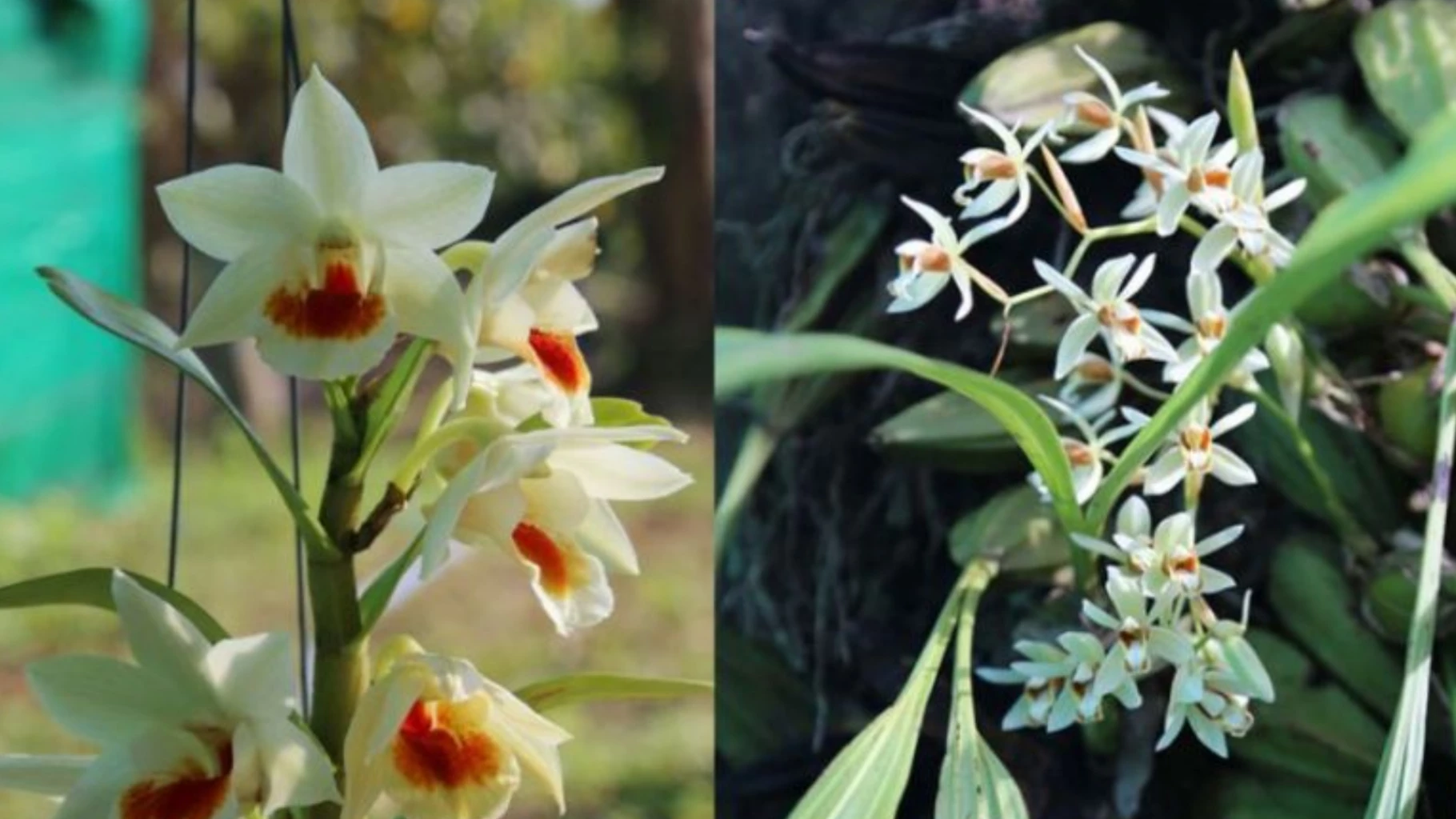
Wild orchids conservation is pivotal for maintaining the ecological balance and preserving the unique biodiversity of our planet. As part of this initiative, organizations like the Orchid Society of Assam (OSA) tirelessly work to study various species of wild orchids and medicinal plants found within the rich northeastern flora. Recent Memorandums of Understanding (MoUs) have been established with local colleges to enhance research and implement effective orchid propagation techniques. These efforts are further supported through environmental workshops that not only educate communities but also promote the importance of protecting these delicate species. By fostering a culture of conservation, the OSA is ensuring that future generations can appreciate the beauty and benefits of wild orchids in their natural habitats.
The preservation of wild orchids, often referred to as the ‘jewels of the forest,’ is essential for ecological integrity and cultural heritage. This conservation endeavor embraces the scientific study of indigenous flora and the sustainable use of medicinal plants, crucial for traditional practices. Initiatives led by organizations such as the Orchid Society of Assam leverage collaboration with educational institutions to enhance orchid propagation methods. Furthermore, community engagement through environmental workshops plays a significant role in raising awareness about the importance of these vibrant plants. By integrating these various approaches, we can safeguard the future of our natural ecosystems and promote biodiversity.
The Importance of Wild Orchids Conservation
Wild orchids are a crucial component of our northeastern flora, contributing to the biodiversity and ecological balance of their habitats. They are not just aesthetically pleasing; many species exhibit medicinal properties, making them important for traditional medicine and modern pharmacology. Conservation of wild orchids ensures that we do not lose these valuable plants, which could hold the key to future therapeutic discoveries. The Orchid Society of Assam (OSA) recognizes this significance and is actively involved in initiatives to protect these orchids, thereby promoting the integrity of the ecosystem.
Efforts to conserve wild orchids encompass multiple strategies, including habitat preservation, propagation programs, and community engagement. The OSA has established partnerships with educational institutions and organizations to further research on these plants and their environmental roles. As highlighted during their recent conference, workshops focusing on orchid propagation are vital for educating future generations on sustainable practices. This combined effort ensures that the wild orchid population can thrive, thus supporting broader environmental health in the region.
Role of the Orchid Society of Assam in Conservation Efforts
The Orchid Society of Assam plays a pivotal role in promoting the conservation of wild orchids across Assam and the broader northeastern region. By signing Memorandums of Understanding (MoUs) with various provincialized colleges, the society has created a collaborative framework for research and education. These partnerships are integral for conducting detailed studies on the diversity of orchids and medicinal plants, which consequently informs conservation strategies. The society’s commitment to these efforts was emphasized during their 8th Annual Conference, showcasing their dedication to both scientific inquiry and community involvement.
In addition to their research initiatives, the OSA organizes environmental workshops and seminars that delve into orchid-related issues and conservation methods. These sessions enable community members, students, and local researchers to engage directly with experts, creating a shared understanding of the importance of protecting these unique species. The hands-on approach of propagating orchids and learning about their ecological roles not only enhances awareness but also fosters a culture of conservation among local communities. By integrating education with action, the OSA ensures a sustainable future for wild orchids in Assam.
Integrating Indigenous Knowledge in Orchid Conservation
Incorporating indigenous knowledge into the conservation strategies of wild orchids is essential for ensuring that local communities can contribute meaningfully to these efforts. Many indigenous communities in Assam have traditional practices that promote sustainable interaction with their natural surroundings, including the careful harvesting of medicinal plants. The OSA recognizes the value of this knowledge, facilitating collaborative projects that harness indigenous practices alongside scientific research to enhance conservation outcomes.
The success of integrating such knowledge can be seen in how local communities participate in workshop activities conducted by the OSA. By understanding the ecological significance of orchids, coupled with their cultural importance, community members are empowered to safeguard these plants. Engaging local stakeholders not only promotes sustainable practices but also fosters a deeper connection to the natural environment, which is crucial for long-lasting conservation efforts.
Orchid Propagation Techniques as a Conservation Tool
Orchid propagation is recognized as an effective tool for the conservation of wild orchids, providing a pathway to restore populations that have declined due to habitat loss and over-collection. The OSA’s workshops on orchid propagation showcase various techniques, including tissue culture and seed germination methods, which are vital for increasing orchid numbers in their natural habitats. By imparting knowledge on these techniques, the society empowers participants with the skills needed to cultivate orchids sustainably.
Furthermore, the promotion of orchid propagation leads to greater awareness about the ecological roles these plants play within their ecosystems. When communities are equipped with propagation skills, they can not only contribute to the conservation of native species but also create a market for sustainably sourced orchids. This approach benefits both the environment and the local economy, making conservation efforts more attractive and practical for community members.
The Role of Educational Institutions in Conservation
Educational institutions are vital partners in the conservation of wild orchids, as they can provide the research foundation necessary for sustainable practices. The partnerships developed by the OSA with colleges such as Silapathar Science College and Jiadhal College are instrumental in fostering academic studies on the diversity of orchids and their medicinal properties. These institutions typically have access to resources and innovative research methodologies that can enhance conservation initiatives.
By facilitating student involvement in field studies and conservation workshops, these educational institutions help raise awareness among youth about the significance of biodiversity. Furthermore, they serve as a platform for interdisciplinary collaboration, drawing in students from fields such as botany, environmental science, and pharmacology. This type of interaction encourages a multifaceted approach to conservation, ensuring that future generations are equipped with the knowledge and passion needed to protect wild orchids and other natural resources.
Community Engagement: The Heart of Conservation Strategies
Community engagement is the backbone of successful conservation strategies, particularly in areas rich in biodiversity such as Assam. The OSA places significant emphasis on involving local communities in their conservation efforts for wild orchids. By organizing events like orchid festivals and educational workshops, the society fosters a sense of ownership and responsibility towards these plants. This engagement is crucial as it motivates communities to participate actively in protective measures, leading to more effective conservation outcomes.
Through community-led initiatives, such as guided tours and local orchid exhibitions, residents become ambassadors for conservation. These activities also serve to educate the public about the ecological and economic importance of wild orchids, thereby enhancing appreciation for their preservation. Collaborative projects that involve community input not only yield better conservation results but also strengthen community bonds and enhance local pride in their unique natural heritage.
Exploring Medicinal Uses of Wild Orchids
Wild orchids are not just beautiful; they also have significant medicinal value that has been recognized in various traditional practices. Many species found in the region are used for their therapeutic properties, such as treating ailments and improving overall health. The OSA’s focus on researching these medicinal plants underscores their commitment to promoting an understanding of how orchids can contribute to health and wellness.
Conserving wild orchids thus becomes critical, not only for ecological reasons but also for sustaining traditional medicinal practices. By studying and documenting these uses, the OSA aims to ensure that this crucial knowledge is preserved for future generations. Collaboration with local practitioners can further enhance this aspect, as it combines scientific study with traditional wisdom, promoting a holistic approach to health and conservation.
Future Directions for Orchid Research in Assam
The future of orchid research in Assam is poised for growth, especially with the collaborative efforts fueled by the OSA and their educational partners. Continued research into the diverse species of wild orchids and their specific ecosystems is vital for understanding their needs and threats. By focusing on both conservation and propagation, future studies can provide insights into sustainable practices that will help prevent the extinction of vulnerable species.
Additionally, fostering connections with international orchid research communities can open up opportunities for knowledge exchange and funding. By positioning itself at the forefront of this research, Assam can play a leading role in global orchid conservation efforts, potentially influencing policies and practices on a wider scale. The integration of technology in research methods, such as GIS mapping for habitat protection, is also a promising avenue to explore.
The Cultural Significance of Orchids in Assam
Orchids hold immense cultural significance in Assam, symbolizing beauty, elegance, and even spirituality in various traditions. They are often featured in local arts and crafts, and are integral to many cultural ceremonies, making conservation of these species crucial for maintaining cultural identity. The OSA’s initiatives to celebrate orchids through festivals and exhibitions greatly contribute to community awareness and pride.
Highlighting the cultural connections to wild orchids can help galvanize support for conservation initiatives. By recognizing the emotional and cultural ties that local communities have with these plants, the OSA can foster a more profound commitment to their preservation. Ample cultural programming, such as dance performances and storytelling intertwined with orchid conservation themes, can further enhance community engagement and involvement.
Frequently Asked Questions
What are the key initiatives of the Orchid Society of Assam for wild orchids conservation?
The Orchid Society of Assam (OSA) plays a vital role in wild orchids conservation by conducting research on the diversity of wild orchids and medicinal plants in northeastern flora. The OSA has signed Memorandums of Understanding (MoUs) with various colleges, facilitating joint studies and conservation efforts. Furthermore, the society organizes environmental workshops and seminars focused on orchid propagation and conservation strategies, aiming to educate the public and raise awareness about the importance of protecting these invaluable species.
| Key Points |
|---|
| The Orchid Society of Assam (OSA) aims to research and conserve wild orchids and medicinal plants in the northeastern region of India. |
| MoUs have been signed with four provincialised colleges to facilitate joint research and conservation initiatives. |
| The OSA launched its second edition of the online journal and held a workshop on Orchid Propagation and Conservation during its annual conference. |
| The conference highlighted the declining populations of wild orchids and proposed conservation measures. |
| Cultural activities, such as Bihu dances and orchid exhibitions, were part of the conference, promoting local heritage alongside conservation efforts. |
Summary
Wild orchids conservation is vital for sustaining biodiversity and protecting these unique flora in their natural habitats. The Orchid Society of Assam’s recent initiatives indicate a significant step towards enhancing our understanding and efforts in preserving these delicate species. By collaborating with educational institutions and conducting studies, as discussed in their MoUs, the OSA aims to highlight the importance of wild orchids and medicinal plants. Their commitment to organizing seminars and workshops further emphasizes the need for awareness and community involvement in conservation. Throughout their 10 years of dedicated work, they have showcased cultural pride through festivals while also bringing together experts to address the declining populations of wild orchids. Such balanced approaches are essential for ensuring the longevity of wild orchids in the northeastern region.