

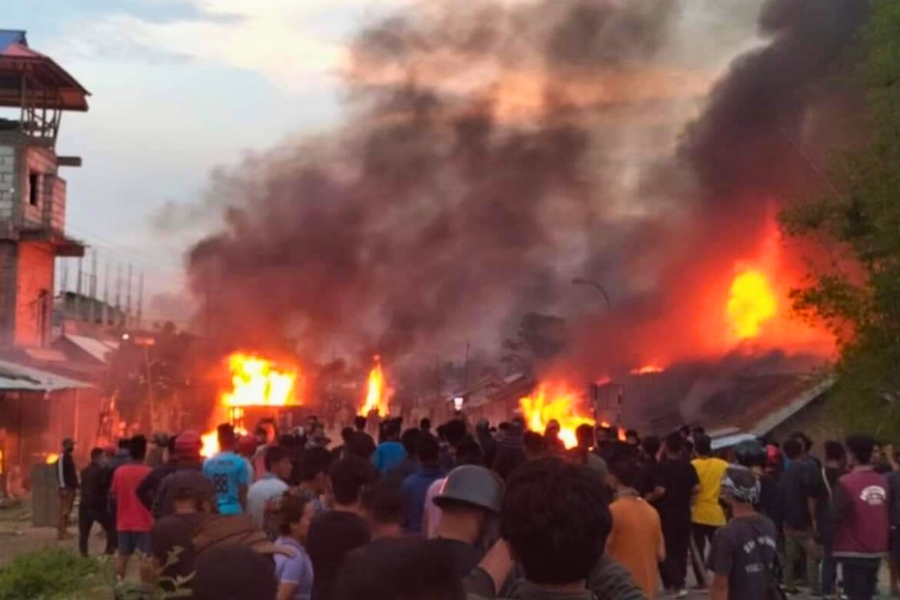
The Manipur crisis, which erupted on May 3, 2023, continues to unravel a devastating humanitarian situation characterized by violence and displacement. Recent reports reveal that the conflict has resulted in a staggering 217 deaths, indicating the severe implications of the ongoing unrest in the region. Furthermore, the humanitarian toll has led to over 58,881 internally displaced persons (IDPs), many seeking refuge in precarious conditions. In addition to the loss of life, the crisis has caused significant housing destruction in Manipur, with thousands of homes either completely or partially damaged. As the local government assesses the repercussions and gathers data through mechanisms like Right to Information (RTI) requests, the plight of those affected by this violence is more urgent than ever.
The turmoil in Manipur has escalated into a significant crisis, presenting alarming challenges to its populace. The ongoing violence has not only led to numerous casualties but has also left a vast number of individuals without shelter and safety. Hundreds have become displaced, with many taking refuge in relief camps plagued by inadequate facilities. The destructiveness of the conflict has led to considerable housing loss in Manipur, compounding the hardships faced by the local people. As the region grapples with these challenges, it becomes imperative to address the needs of those impacted by this dire situation.
Understanding the Manipur Crisis: A Detailed Overview
The Manipur crisis, which began on May 3, 2023, has escalated into a grave humanitarian emergency marked by significant violence and civil unrest. As of March 30, 2026, the violence has led to the reported deaths of 217 individuals, with a staggering 58,881 people displaced from their homes. This alarming figure underscores the profound impact of the unrest on community stability and individual lives. The Right to Information (RTI) application filed by Hareshwar Goshwami has highlighted the dire need for transparency in assessing the situation, shedding light on the extensive repercussions faced by the populace during this tumultuous period. LSI-related terms such as “internally displaced persons” and “Manipur violence deaths” are central to understanding the full scope of this crisis, illustrating a community struggling with both immediate and long-term challenges.
In addition to the tragic loss of life, the crisis has resulted in widespread destruction of housing, further exacerbating the plight of those who have been displaced. Reports indicate that 7,894 houses have been completely destroyed while an additional 2,646 have faced partial damage. The implications of such destruction are dire; families have been forced into temporary shelters, with many facing inadequate living conditions rife with terminal illnesses, as indicated by ongoing assessments from relief camps. Meanwhile, the government has been working to gather comprehensive data regarding the IDPs and their desperate need for housing and health care. This complex scenario demands urgent attention and action to ensure that those affected are provided with appropriate support and resources.
The ongoing unrest in Manipur extends beyond just physical violence; it has engendered a significant humanitarian crisis with far-reaching implications for the state’s social fabric. The responses to the queries raised in the RTI by the MPCC vice-president reveal a troubling reality: many internees in relief camps are suffering from terminal illnesses and the effects of housing destruction. Without adequate healthcare facilities and housing security, the health and well-being of these communities are at severe risk. The governmental efforts to support the IDPs through financial means—namely the ₹424.36 crore approved for relief camps—are commendable but highlight only a part of a much larger need for immediate and sustained action. These initiatives aim not only to provide immediate relief but also to set the stage for longer-term recovery and rebuilding efforts.
The Human Toll: Manipur Violence Deaths and Their Aftermath
The human toll of the Manipur crisis is not just a statistic; it represents the devastating consequence of ongoing violence and civil unrest in the region. With 217 reported deaths directly attributable to the violence, each loss is a reminder of the fragile state of peace and security in Manipur. Families have been shattered, communities have been disrupted, and the grief felt by the loved ones left behind cannot be understated. In light of this situation, the categories of those who have suffered become a focal point of concern, including both direct victims and the many who are now classified as internally displaced persons (IDPs). The substantial loss of life raises pertinent questions about accountability and the need for both immediate protection and long-term justice for all affected parties.
In addition to the immediate aftermath of fatalities, the broader implications of these deaths resonate deeply throughout the community. Each reported death not only marks a personal tragedy but also contributes to a climate of fear and uncertainty that hinders peace-building efforts and disrupts everyday life. It is essential for authorities to provide transparent updates on progress made concerning the IDPs and the investigation into the events leading to these deaths. The community yearns for healing, as well as the restoration of living conditions that promote security and dignity, reinforcing the critical call for ongoing humanitarian efforts and governmental accountability.
Furthermore, as the state begins to collect information on the deceased and the conditions of those left behind, it becomes increasingly clear that the issue of documentation remains a pressing concern. Reports indicate that more than 30 cases of documentation are missing, complicating efforts to provide assistance for the victims’ families. This gap in documentation not only affects compensation but also the overall support systems designed to help those displaced due to the violence. As the situation evolves, it is imperative for local authorities to implement robust mechanisms to collect and manage data effectively, ensuring that no victim or family is left without support. Sustained engagement with the community and transparency in processes will be crucial for restoring trust and facilitating necessary interventions for both the grieving and the displaced.
Housing Destruction in Manipur: Impacts on Communities
Housing destruction in Manipur as a result of the ongoing crisis has had chilling effects on the local communities. With 7,894 houses fully destroyed and thousands more suffering partial damage, the implications of this destruction stretch far beyond mere physical displacement. Families are not only losing their homes but also their sense of security and stability, vital components necessary for any community to thrive. The loss of homes plunges families into profound uncertainty, as they struggle to find temporary housing and essential services in difficult conditions. Many families are dependent on relief camps, where overcrowding and inadequate facilities can lead to health crises, creating a cycle of despair that is hard to break.
The repercussions of such extensive housing destruction compel a reexamination of the support systems in place to aid the affected. With a significant number of people now labeled as “internally displaced persons,” there is an urgent need for organized intervention that addresses immediate shelter needs while also strategizing for long-term housing solutions. Governmental efforts, while crucial, must pivot from reactive approaches towards proactive planning that includes community input and sustainable development solutions to help rebuild homes and restore the damaged urban infrastructure. Only through comprehensive strategies can the community begin to heal and rebuild in the aftermath of such destruction.
As the dust settles on the immediate violence, it is crucial for state officials and NGOs to collaborate in addressing the larger picture of housing needs and rehabilitation for the displaced population. The estimations of housing losses should serve as a wake-up call to a broader dialogue about sustainable living conditions, urban planning, and disaster preparedness in Manipur. With funding already earmarked for relief, these resources must also transition towards building a resilient community capable of enduring and recovering from future crises. Redefining Manipur’s recovery plan must include not just shelter but also education, healthcare, and reintegration programs that ensure sustainable growth. Only by focusing on holistic recovery can the people of Manipur hope to rebuild their lives and communities amidst the legacy of violence and displacement.
The Role of RTI Data in Understanding Manipur Crisis
The use of Right to Information (RTI) data in addressing the Manipur crisis plays a vital role in fostering accountability and transparency in government responses. The application filed by Hareshwar Goshwami has not only unraveled crucial statistics, such as the alarming count of both deaths and internally displaced persons, but it has also highlighted the urgency for appropriate governmental action in addressing the humanitarian disaster. RTI inquiries serve as an essential tool for citizens to demand information, ensuring that government officials cannot overlook the ramifications of violence and neglect the needs of their constituents. The data collected through these mechanisms are instrumental in guiding policy-making that directly affects the lives of those displaced by the unrest.
Furthermore, RTI data can facilitate community engagement and awareness, prompting citizens to actively participate in discussions regarding recovery and assistance programs. In the case of Manipur, as families struggle with the aftermath of violence and its effects, the role of RTI becomes increasingly vital in advocating for justice and ensuring that the pertinent needs of the affected communities are systematically addressed. By providing a framework for holding authorities accountable, RTI data can become a beacon of hope for IDPs, shedding light on the necessity for responsive and effective governance in the face of crises. Thus, the role of RTI is paramount in empowering community voices and guiding relief efforts in a meaningful way.
Moreover, the segregation of data from the RTI process allows NGOs, journalists, and civil society to analyze trends and patterns related to the crisis, enhancing advocacy efforts for affected populations. For instance, understanding the number of persons suffering from terminal illnesses in relief camps can help garner focused attention and resources for healthcare interventions. By revealing gaps in services, RTI data is integral to constructing a narrative that compels policymakers to act. The ongoing dissemination of this data is vital for informing both the immediate needs of the IDPs and the broader recovery strategy, ensuring that future planning includes lessons learned from the current upheaval. Ultimately, harnessing RTI data can lead to innovative strategies for long-term recovery and resilience-building within communities throughout Manipur.
The Future of Manipur: Challenges and Solutions Beyond the Crisis
As Manipur grapples with the profound effects of the ongoing crisis, the future of the region hinges on both the acknowledgment of current challenges and the implementation of effective solutions. The staggering statistics on violence and displacement paint a grim picture, yet they also offer an opportunity for transformative change. The community’s future will require a concerted effort from government institutions, local leaders, NGOs, and the citizens themselves to develop comprehensive rehabilitation and recovery strategies. Addressing the immediate needs of IDPs, such as housing, healthcare, and psychosocial support, must be the paramount focus, while also fostering long-term resilience against future crises.
Strategizing solutions will require a multifaceted approach that not only repairs the physical devastation caused by violence but also mends the social fabric impacted by distrust and division. Community dialogues and collaborative planning will strengthen relationships among the populace and facilitate the delivery of essential services. Sustainable development initiatives in rebuilding housing alongside health and educational facilities could transform the course of recovery, reinforcing the community’s resilience. Working together, stakeholders can help create a future for Manipur characterized by peace, stability, and restoration.
Achieving substantial progress in the aftermath of the crisis necessitates focusing on multiple fronts, including economic recovery and social reintegration programs for those impacted. Investing in livelihood programs aimed at providing job opportunities and supporting displaced individuals to re-enter the workforce will be crucial for sustaining communities. Emphasizing the importance of education and mental health initiatives will be equally essential in addressing the trauma experienced during the crisis. The integration of these aspects into recovery efforts will not only support individual growth but also enhance the overall stability of Manipur as it strives to overcome the scars of conflict.
Thus, a collaborative approach will be vital in redefining the narrative of Manipur as it charts its path toward healing and resilience.
Frequently Asked Questions
What is the current situation regarding the Manipur crisis and the number of internally displaced persons?
As of March 30, 2026, the Manipur crisis has resulted in 58,881 internally displaced persons (IDPs) since it began on May 3, 2023. Additionally, there have been 217 deaths linked to violence and significant housing destruction, including 7,894 houses completely destroyed and 2,646 partially damaged. The ongoing situation has led to extensive humanitarian needs, with national and local authorities aiming to address these challenges through relief efforts.
| Key Point | Details |
|---|---|
| Total Deaths | 217 deaths reported as of March 30, 2026, linked to violence. |
| Internally Displaced Persons (IDPs) | 58,881 IDPs recorded since the start of the crisis on May 3, 2023. |
| Housing Damage | 7,894 houses completely destroyed and 2,646 partially damaged. |
| Missing Persons Cases | Over 30 cases of missing persons reported. |
| Government Assistance | ₹424.36 crore approved for relief operations; ₹523 crore for rehabilitation. |
Summary
The Manipur crisis has led to devastating consequences since its inception on May 3, 2023, resulting in 217 confirmed deaths and the displacement of 58,881 individuals. The ongoing violence has caused significant destruction of property, with nearly 8,000 homes destroyed. A government response has been initiated, securing substantial financial support to assist victims and facilitate rehabilitation. This series of tragic events highlights the urgent need for resolution and support for those affected in Manipur.



























