

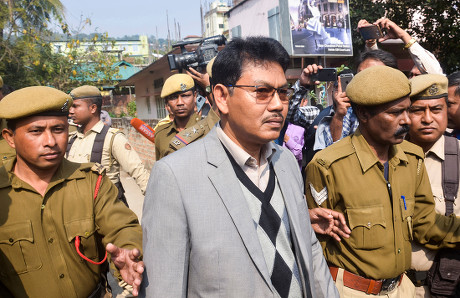
The Guwahati lynching case has captured national attention as a grim reminder of the perils of mob violence in Assam. Recently, a Nagaon court delivered a significant verdict, sentencing 20 individuals to life imprisonment for their involvement in the brutal murders that shook the region. The case, linked to the tragic deaths of Abhijit Nath and Neelotpal Das, has not only highlighted issues of justice and accountability but has also raised concerns about the broader societal implications of such acts of violence. The convictions emerged from a lengthy trial process that revealed alarming details about the mob’s behavior and the misconceptions that led to the attack. As the state grapples with the aftermath of this violent episode, the community continues to seek answers and healing, navigating the difficult landscape shaped by the Abhi Neel case and its far-reaching consequences.
In the recent verdict surrounding the deadly incident in Assam, known popularly as the Guwahati lynching case, the legal system has taken a critical stance against the rise of mob justice. This tragic event, which occurred in Karbi Anglong, underscores the alarming trend of vigilante violence fueled by unfounded rumors, which in this instance led to the deaths of two innocent young men. The Nagaon court’s decision represents a pivotal moment in addressing mob violence, as it imposes serious penalties on those involved. As the community reels from the repercussions, discussions about preventative measures and legal reforms are becoming increasingly important. The Abhi Neel case serves as a crucial case study in understanding the need for societal change in the face of escalating fears and misinformation.
Guwahati Lynching Case: A Harrowing Instance of Mob Violence
The Guwahati lynching case highlights a deeply troubling episode of mob violence that transpired in Assam back in 2018. On June 8, two young men, Abhijit Nath and Neelotpal Das, were brutally attacked by a mob in Panjuri village, spurred by malicious rumors alleging they were child abductors. This incident not only captured the attention of the local authorities but also raised significant concerns regarding public safety, the role of communication in inciting violence, and the alarming trend of lynchings across India. Mob behavior, often fueled by hysteria and unverified claims, leads to tragic consequences, as seen in this case where misinformation resulted in the loss of innocent lives.
The repercussions of the Guwahati lynching case are profound, leading to a landmark verdict by the Nagaon District and Sessions Court. On a recent Friday, 20 individuals were sentenced to life imprisonment, following their conviction under Section 302 of the Indian Penal Code. This ruling signals a crucial move towards accountability in instances of mob violence in Assam and offers a semblance of closure to the grieving families of the victims. The judgement also serves as a reminder of the judiciary’s role in addressing not only criminal behavior but also the societal issues underlying such acts of violence.
Significance of the Nagaon Court Verdict in the Abhi-Neel Case
The recent Nagaon court verdict is a critical turning point in the Abhi-Neel case, with 20 convicts receiving life sentences amid a backdrop of public outrage and calls for justice. The trial, which was initially moved from Diphu to Nagaon at the behest of the Gauhati High Court, underscores the need for a robust legal framework to address mob violence in Assam. This case serves as an alarming example for lawmakers and society, emphasizing the need for preventative measures against such ruthless acts and ensuring justice for the victims.
As court proceedings wrapped up, with the presiding judge, Dibyajyoti Mahanta, delivering a verdict that many hoped would set a precedent, the implications are far-reaching. The punishment meted out in the Nagaon Sessions Court reflects the legal system’s commitment to tackling crimes born out of mob mentality, while also drawing attention to the societal factors that incite such violence. Coupled with sentiments expressed by advocates representing victims’ families, this verdict resonates as a clarion call to the state and nation at large: vigilantism and baseless accusations must not be allowed to override the rule of law.
Mob Violence in Assam: A Growing Concern
Mob violence in Assam is a growing concern, intertwined with the complex social fabric of the region. The tragic events of the Guwahati lynching case serve as a grim reminder of how quickly fear and misinformation can destabilize a community. Such incidents are not isolated; they reflect deeper issues within society, including a lack of faith in law enforcement and a climate where individuals feel justified in taking the law into their own hands. This cycle of violence not only claims lives but erodes trust within communities, creating a climate of fear and hostility.
In the aftermath of the Guwahati lynching case, there is a pressing need for collective action and comprehensive strategies to combat mob violence in Assam. This involves not only stronger legal frameworks but also educational programs aimed at addressing misinformation and promoting community cohesion. Engaging local leaders and influencers in conversations about safety and justice can help to mitigate the spread of rumors that often incite such violence. Mobilizing community action against mob violence is essential to prevent future tragedies and reclaim the narrative of safety and justice in Assam.
The Impact of the Abhi Neel Case on Assam’s Legal Landscape
The Abhi Neel case has undeniably impacted the legal landscape of Assam, shedding light on the urgent need for reforms in the handling of mob violence cases. The life imprisonment sentences handed down by the Nagaon Court represent a moment of reckoning for a state that has grappled with similar incidents of communal and mob-related violence in the past. This case also highlights the judicial system’s ability to confront such issues head-on, signaling that accountability can no longer be disregarded, even in the face of rampant public outcry.
Moreover, the Nagaon court’s ruling sends a message to society that justice can prevail over despair. It reinforces the belief that due process must be upheld to ensure that those who fall victim to mob violence receive the justice they rightfully deserve. This case could serve as a precedent for future judicial proceedings in Assam and beyond, potentially influencing how courts address mob violence and vigilante actions in the future.
Repercussions of the Nagaon Court Sentence across Assam
The repercussions of the Nagaon court sentence extend beyond the individual cases of those convicted in the Abhi Neel lynching. The life imprisonment verdicts have reignited discussions surrounding mob justice and the societal impacts of misinformation, especially in rural and semi-urban areas like Karbi Anglong. Local communities are now being urged to take a stand against such acts of violence, recognizing that their silence can perpetuate a cycle of aggression and fear. This case has forced discourse around the responsibility of citizens and the importance of communal harmony.
Additionally, these sentences may influence public perception of the legal system’s efficacy in dealing with mob violence. Communities in Assam are watching closely to gauge whether this ruling will lead to a tangible decrease in similar instances or if it will remain merely a headline-grabbing moment without impactful change. Authorities, lawmakers, and citizens alike are faced with the challenge of translating the lesson of the Abhi Neel case into actionable steps that prevent mob violence and ensure justice prevails.
Addressing the Culture of Vigilantism in Assam
The culture of vigilantism rampant in Assam, highlighted by the tragedies of cases like the Guwahati lynching, necessitates a critical analysis of societal attitudes towards justice and law enforcement. Many communities find themselves caught in a web of fear, where taking the law into one’s hands seems more immediate than seeking police intervention. This perspective indicates a fundamental breakdown in trust between citizens and law enforcement agencies, which urgently needs addressing. The Nagaon court’s sentencing of the lynching perpetrators might serve as the starting point for wider discussions about the need for community policing and effective legal recourse.
To mitigate the ongoing threat of vigilantism, it is essential to promote educational initiatives that strengthen public awareness of legal rights and the importance of due process. By fostering trust in the legal system and emphasizing conflict resolution through lawful means, communities can begin to dismantle the dangerous belief that mob justice is justifiable. Ultimately, achieving lasting change will require concerted efforts at multiple levels: from grassroots movements advocating for peace and legal integrity to more robust governmental responses that ensure the protection of all citizens against extrajudicial actions.
Lessons Learned: The Future of Justice in Assam
The Guwahati lynching case has imparted pivotal lessons not just for Assam, but for the entire nation as it grapples with the issue of mob violence. The life imprisonment sentences handed down in Nagaon serve as a beacon of hope, indicating that the judicial system can and will hold accountable those who resort to unlawful violence. However, this case also exposes the need for systemic changes that address the root causes of mob mentality and the societal tensions that fuel such tragic events.
Looking forward, it is crucial for Assam to implement proactive measures to prevent further incidents of lynching and mob violence. This includes engaging with community leaders, fostering dialogues about safety and protection, and enhancing the accountability of local law enforcement. As Assam confronts its past and prepares for the future, the resilience demonstrated in the wake of the Abhi Neel case must galvanize action, change perceptions, and lead the way toward a society where justice is not only an ideal but a lived reality.
Community Responses to Mob Violence in Assam
Community responses to mob violence in Assam, particularly following the Guwahati lynching case, reveal a complex tapestry of sentiments ranging from fear to activism. Many citizens express outrage over the violence perpetrated by their neighbors, while others feel a strong sense of helplessness in the face of public hysteria. The feelings of vulnerability following such incidents often catalyze grassroots movements aimed at reclaiming societal norms and reinforcing communal bonds. Participation in dialogues about justice and safety has become a powerful tool for residents to reject the narrative that might makes right.
In the shadow of the Abhi Neel case, local organizations and concerned citizens are being urged to collaborate actively with law enforcement to create safer communities. Initiatives may include workshops on conflict resolution, awareness programs about the dangers of mob mentality, and building a community watch that promotes vigilance without compromising safety and legality. As individuals come together to forge stronger ties, they emphasize the importance of understanding one another and dispelling myths that can lead to tragic outcomes.
The Role of Media in Shaping Public Perception of the Guwahati Lynching
The media plays a pivotal role in shaping public perception, especially in cases of mob violence like the Guwahati lynching. The sensational nature of such events often leads to extensive coverage that can rally public sentiment one way or another. While responsible reporting can help bring light to injustices, sensationalism can exacerbate fears and encourage vigilante justice by misrepresenting the facts. Furthermore, coverage of this case may inadvertently provide a platform for stigmatizing entire communities rather than promoting healing and understanding.
For a long-term impact, media outlets must approach sensitive topics with caution and factual integrity. As the Guwahati lynching case demonstrates, the narratives created by the media can influence not only public opinion but also the judicial processes that follow. It is crucial for journalists to embrace ethical reporting standards that encourage dialogue and reinforce the importance of legal accountability, thereby dissuading a culture of mob justice and fostering a more informed readership.
Frequently Asked Questions
What was the outcome of the Guwahati lynching case in the recent Nagaon court verdict?
In the Guwahati lynching case, the District and Sessions Court in Nagaon sentenced 20 individuals to life imprisonment for their involvement in the tragic murders of Abhijit Nath and Neelotpal Das. The court’s decision, made on April 20, 2023, followed the convictions which stemmed from mob violence in Assam that occurred on June 8, 2018. Each convicted individual was also fined Rs 20,000 as part of their sentence.
| Key Points |
|---|
| District and Sessions Court in Nagaon sentenced 20 individuals to life imprisonment in the Guwahati lynching case. |
| The court imposed a fine of Rs 20,000 on each of the convicts. |
| 20 out of 45 accused were found guilty of murdering Abhijit Nath and Neelotpal Das. |
| The incident occurred on June 8, 2018, in Panjuri village, Assam. |
| Victims were attacked based on rumors of child abduction. |
| The trial was shifted from Diphu to Nagaon Sessions Court. |
| Charge sheet was filed in 2024. |
| Senior advocates represented both the victims’ families and the accused. |
Summary
The Guwahati lynching case has left a profound impact on the society and legal landscape in India. With the District and Sessions Court in Nagaon sentencing 20 individuals to life imprisonment for their direct involvement in the gruesome act, it highlights the ongoing struggle against mob violence fueled by misinformation and societal fears. The incident, which occurred on June 8, 2018, and led to the tragic deaths of Abhijit Nath and Neelotpal Das, serves as a critical reminder of the need for judicial accountability and public awareness. As justice takes its course, the case emphasizes the importance of combating false rumors that can lead to dire consequences, ensuring that such a tragic event does not repeat itself in the future.



























