

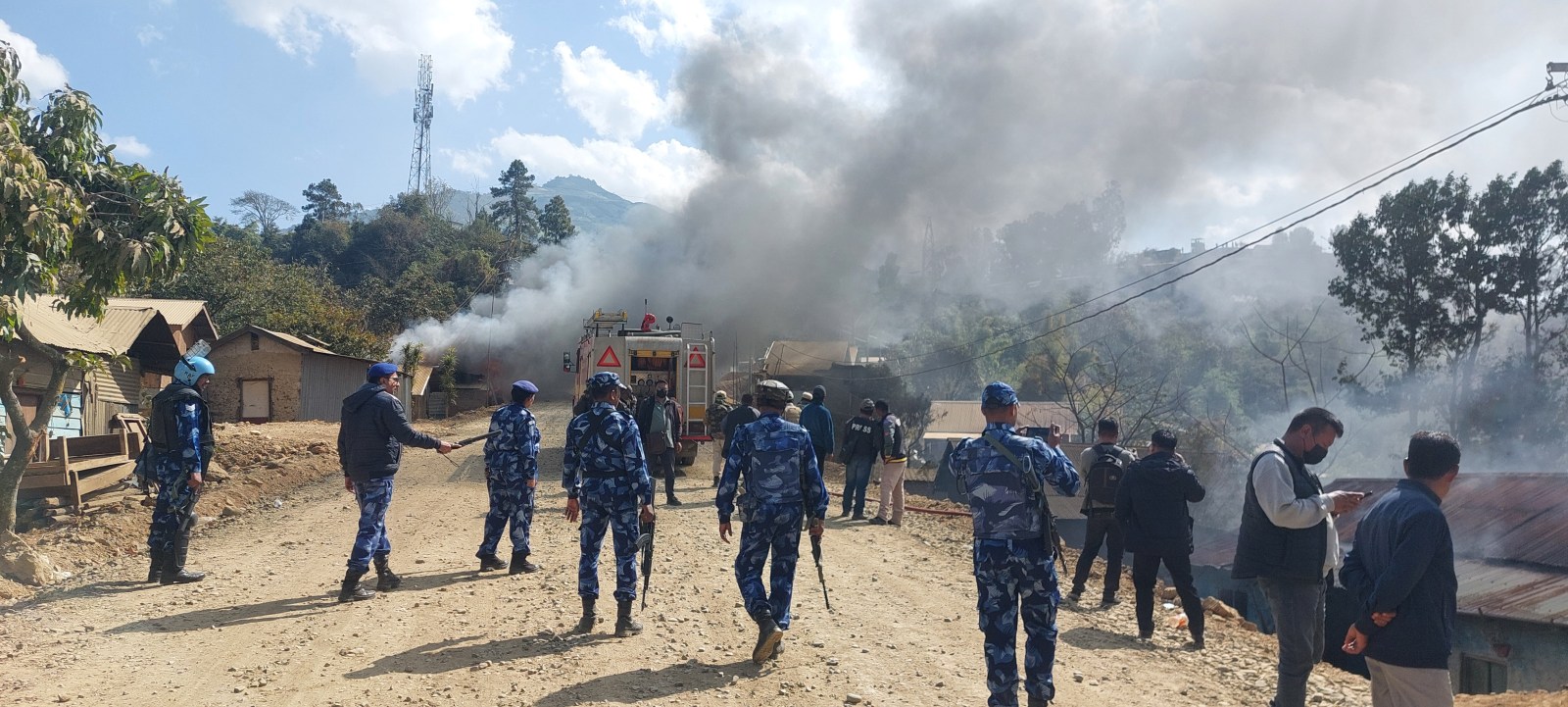
The Kuki Naga conflict remains a pressing issue in Manipur, drawing attention amid rising tribal violence. In recent news from Ukhrul district, a series of gunfights led to the tragic deaths of three individuals, underscoring the heightened tensions between the Kuki and Tangkhul tribes. Reports indicate that suspected Naga insurgents launched an early morning raid on Kuki villages, leaving many injured and homes ablaze. This escalating violence has sparked accusations and unrest within the local communities, further complicating an already volatile situation. As the region grapples with the consequences of these conflicts, the need for peace and dialogue becomes ever more urgent in the face of tribal violence in Manipur.
The ongoing discord between the Kuki and Naga communities signifies a complex interplay of historical grievances and modern tensions within the region. Often referred to as the Kuki-Tangkhul tensions, this conflict has deep roots, exacerbated by recent incidents of violence and mutual accusations of insurgency. The ongoing upheaval highlights a broader narrative of tribal violence in Manipur, reflecting the struggles for power, identity, and recognition among various ethnic groups. As local civil society organizations rally for justice amidst the turmoil, the prospect of reconciliation appears increasingly daunting but imperative. The urgent need for stability poses challenging questions for both tribal leaders and government authorities as they navigate this intricate landscape.
Overview of the Kuki Naga Conflict
The Kuki Naga conflict, a longstanding ethnic dispute in Manipur, particularly highlights the struggles between the Kuki community and the Naga tribes, particularly the Tangkhul. This conflict can be traced back to its beginnings in 1992, characterized by intense violence and retaliatory attacks that have left a deep impact on communal relations in the region. As of 2023, this conflict has seen a resurgence, with recent incidents leading to heightened tensions and tragic loss of life. This violent history continues to mold the social dynamics in areas like Ukhrul district, escalating fears and mistrust among the inhabitants.
In Manipur’s volatile context, the Kuki-Naga tensions are often exacerbated by local incidents of violence, such as the recent gunfights resulting in fatalities. The persistent strife has not just claimed lives; it has disrupted the social fabric and incited widespread displacements among communities. These ongoing hostilities serve as a cruel reminder of the unresolved historical grievances within the Kuki and Naga tribes, and the resultant tribal violence plays a significant role in shaping the current narrative in Manipur news.
Recent Escalations in Ukhrul District Gunfight
The recent incidents in Ukhrul district underline ongoing hostilities, as gunfights erupted amidst rising tensions between the Kuki and Tangkhul communities. In a matter of days, multiple violent exchanges led to fatalities, igniting fears among residents. Reports indicated that two individuals, associated with Kuki interests, fell victim to an alleged ambush by Naga insurgents, an act that has drawn sharp criticism and allegations from Kuki civil society organizations. The situation continues to be fraught, with claims and counterclaims raising the stakes for both parties involved.
Moreover, the Ukhrul district gunfight has led to significant unrest, as homes were set ablaze in the villages affected by these tensions. Civilians have reported gunfire at all hours, creating an atmosphere of panic and insecurity that permeates daily life. Authorities need to effectively mediate these disputes, particularly in light of the ongoing Kuki Tangkhul tensions, to ensure that violence does not escalate further and endanger innocent lives. This pattern of violence disrupts any hopes for reconciliation and restoration of peace in Manipur.
The Role of Tribal Organizations in Manipur
Tribal organizations play a crucial role in articulating the grievances and demands of their communities in Manipur. In the context of the Kuki-Naga conflict, these organizations are often at the forefront of responding to incidents of violence and are instrumental in advocating for their community’s rights. Events such as candlelight marches highlight the collective action taken by tribal groups to seek justice and promote peace. However, these organizations also risk exacerbating tensions as they navigate complex relationships with rival communities.
The fallout from allegations exchanged between Kuki and Naga tribal organizations illustrates the precarious balance of power and representation in Manipur. Facing such challenges, tribal organizations might either contribute to a quest for justice or, conversely, inflame existing hostilities through antagonistic rhetoric. For effective conflict resolution, collaborative dialogue and understanding among these organizations are essential to bridge the divide and foster an environment conducive to peace.
Impact of Recent Violence on Local Communities
The recent escalation of violence between the Kuki and Tangkhul communities has had a profound impact on local residents in Manipur. With gunfights claiming lives and displacing families, the psychological effects of such turmoil cannot be understated. Civilians are often caught in the crossfire, experiencing trauma that may lead to generational cycles of conflict and distrust. Additionally, livelihoods are significantly disrupted; farmers and local businesses are affected as people flee or take cover amid fears of further violence.
Moreover, the loss of life, including that of women and children, raises serious humanitarian concerns. The aftermath of violence leaves communities reeling, grappling with mourning while seeking justice. Local governance structures face immense pressure as they attempt to manage fallout from these conflicts, often leading to a sense of frustration among residents who feel their safety is compromised. The dynamic realities of tribal violence in Manipur underscore the urgent need for comprehensive rehabilitation and reconciliation measures.
Efforts Towards Peace and Reconciliation
In light of the ongoing Kuki-Naga conflict and the recent outbreaks of violence, there are concerted efforts towards peace and reconciliation. Various community leaders and civil society organizations are advocating for dialogues to address grievances and foster mutual understanding among the conflicting tribes. Initiatives have emerged focusing on grassroots involvement, aiming to mediate between factions and create safe spaces for discussions. Cultivating kinship among local communities is seen as pivotal in breaking down barriers and rebuilding trust.
However, achieving lasting peace is fraught with challenges. The entrenched nature of tribal identities and long-standing animosities often complicate negotiations. External factors, such as political instability in Manipur and pressures from various insurgent groups, add another layer of complexity to peace efforts. Nevertheless, the ongoing quest for reconciliation remains imperative, as effective conflict resolution strategies will not only benefit the immediate communities but also contribute to the overall stability of the state.
Naga Insurgents and the Ongoing Security Concerns
The presence of Naga insurgents in Manipur poses significant security challenges, particularly in the context of the Kuki-Naga conflict. Incidents such as the pre-dawn attack on Kuki villages highlight the volatile nature of this insurgency, contributing to an atmosphere of fear within local communities. The actions of such insurgents directly impact the safety and security of civilians, prompting repeated calls for more robust security measures from local authorities. As law enforcement agencies work to curb these threats, the importance of understanding the socio-political intricacies of insurgency in Manipur becomes evident.
The interplay between insurgents and tribal organizations further complicates the security landscape in Manipur. Allegations of violent ambushes by Naga factions reveal the intricacies of local power dynamics, necessitating an urgent reevaluation of how security forces engage with various groups. Effective counterinsurgency strategies must not only improve safety but also consider socio-cultural contexts that underline these conflicts, ensuring that responses to violence do not perpetuate cycles of retaliation and escalate tensions.
The Broader Implications of Tribal Violence in Manipur
The recurring tribal violence in Manipur, particularly the Kuki and Naga conflicts, has broader implications for regional stability and governance. As violence escalates, it draws attention from national and international observers who recognize the need for comprehensive policy interventions. The implications of tribal violence extend beyond immediate local communities; they challenge the effectiveness of governance structures and strain public resources as governments respond to growing humanitarian needs caused by displacement and violence.
The cycle of violence signifies deeper systemic issues such as socio-economic disparities and cultural misunderstandings that are often at the root of the conflicts. Addressing these issues requires multifaceted approaches involving dialogue between governmental bodies and tribal organizations, inclusive development policies, and sustained peacebuilding efforts. The onus falls on both local leaders and state mechanisms to address grievances, promote reconciliation, and mitigate the risk of future violence, ensuring a peaceful coexistence for all communities involved.
Community Responses to Violence in Manipur
Communities in Manipur have responded to violence with various strategies aimed at safety and resilience. Following incidents of violence, local groups mobilize to provide support and assistance to affected families, ensuring they have access to basic needs and security. Community leaders often play a crucial role in organizing peaceful marches and dialogues, demanding justice and calling for an end to hostilities. These actions are crucial for healing and demonstrate the power of solidarity in times of crisis.
Furthermore, community initiatives focused on education and awareness are vital in combating the narratives that fuel conflict. By creating programs that promote cultural understanding and cooperation, these initiatives seek to dismantle stereotypes and encourage positive interactions among different groups. Youth programs, in particular, have been instrumental in fostering friendships across tribal lines, presenting a hopeful vision for a future where violence gives way to collaborative coexistence.
Governmental Role in Managing the Kuki-Naga Conflict
The role of the government in managing the Kuki-Naga conflict has been pivotal yet contentious. As incidents of violence continue to occur, it raises questions about the effectiveness of government intervention in ensuring safety and promoting peace. Recent responses have included increased police presence in affected areas and initiatives aimed at negotiating peace, but these efforts have met with mixed success. The perception of partisan action or a lack of effective solutions can exacerbate community frustrations.
Given the complexity of the Kuki-Naga conflict, a thorough examination of governmental strategies is essential. The government must work collaboratively with tribal leaders to understand grievances and propose solutions that honor the histories and rights of all communities involved. Furthermore, transparent communication strategies can aid in restoring trust, allowing for a more united approach to conflict resolution. From investing in long-term peacebuilding initiatives to enacting policy changes that address underlying issues, the government’s actions will ultimately dictate the trajectory of peace in Manipur.
Frequently Asked Questions
What is the Kuki Naga conflict and how did it start?
The Kuki Naga conflict is a long-standing ethnic struggle between the Kuki and Naga tribes in Manipur, which began in 1992. It was fueled by territorial disputes, political representation, and cultural identity issues, resulting in over 1,000 deaths during its peak. Tensions have re-emerged recently, with significant violence reported in 2023.
What recent events have escalated tensions in the Kuki Naga conflict?
Recent incidents in the Kuki Naga conflict include gunfights in Ukhrul district, where three individuals were killed and several houses were set on fire amid rising Kuki Tangkhul tensions. Accusations of attacks and ambushes between the tribes have intensified civil unrest and fear among local populations.
How has tribal violence in Manipur affected local communities?
Tribal violence in Manipur, particularly the Kuki Naga conflict, has led to devastating outcomes for local communities. Over 260 lives have been lost in 2023 alone, with many villages experiencing fear and instability as clashes between Kuki and Naga forces disrupt daily life and safety.
What role do civil society organizations play in the Kuki Naga conflict?
Civil society organizations in the Kuki Naga conflict have been active in voicing grievances and allegations against each other concerning violence and human rights violations. Their statements often reflect the tensions and seek justice for victims, thus becoming pivotal in the ongoing narrative surrounding tribal violence in Manipur.
What actions have been taken following the recent gunfight in Ukhrul district?
Following the recent gunfight in Ukhrul district related to the Kuki Naga conflict, security forces conducted combing operations that resulted in the arrest of alleged insurgents. Additionally, there are reports of legal actions pursued by the Kuki Organisation for Human Rights Trust (KOHUR) against political figures, reflecting the escalating demand for accountability.
How does the Kuki Naga conflict relate to broader issues in Manipur?
The Kuki Naga conflict is part of a larger context of ethnic strife in Manipur, where tensions between different communities, including the Kuki, Naga, and Meitei, often lead to violence and instability. The ongoing disputes over land, resources, and political representation continue to exacerbate tribal divisions and conflicts.
Why are there accusations against Naga insurgents in the current Kuki Naga conflict?
Accusations against Naga insurgents have emerged due to recent attacks on Kuki villages, where Kuki civil society organizations claim that suspected Naga militants initiated violence. These escalating accusations highlight the deep-seated mistrust and animosity between the tribes, complicating efforts to resolve the Kuki Naga conflict.
What measures are being taken to address the violence in the Kuki Naga conflict?
Measures to address the violence in the Kuki Naga conflict include increased security presence in affected areas, combing operations against insurgents, and calls for justice from community leaders. The Yumnam Khemchand government is also attempting to restore peace through dialogue and community engagement amidst ongoing tensions.
What impact has the Kuki Naga conflict had on children’s safety?
The Kuki Naga conflict has severely impacted children’s safety, demonstrated by tragic incidents where children from the Meitei community were reportedly killed in a bomb attack. Such violence not only threatens physical safety but also destabilizes communities, creating an environment of fear for families with young children.
What future developments can be expected in the Kuki Naga conflict?
Future developments in the Kuki Naga conflict will likely involve continued violence unless meaningful dialogues between the tribes are initiated. Ongoing tensions may lead to further clashes unless authorities successfully mediate disputes and address underlying grievances regarding land and political representation.
| Key Points |
|---|
| Three people killed in gunfights in Ukhrul district; houses set on fire amid tensions between Kuki and Tangkhul Naga tribes. |
| Kuki civil society groups accused Naga insurgents of attacking Kuki villages and causing injuries to many civilians. |
| The Kuki Organisation for Human Rights Trust reported an early morning attack that led to fatalities and properties torched. |
| Naga organizations denied the allegations and cited a recent candlelight vigil for Naga victims. |
| Tensions escalated with reports of gunfire; previous incidents include attacks on farmers. |
| Recent violence led protests in valley districts demanding justice after bomb attacks resulted in civilian deaths. |
| The Kuki-Naga conflict began in 1992, with significant casualties reported over the years, exacerbated by recent communal violence. |
Summary
The Kuki Naga conflict represents a significant clash between two groups in Manipur, India, with a history of violence and deep-rooted tensions. Recent incidents, including gun battles and fires in Ukhrul district, have escalated the situation further, leading to loss of life and injuries. The cycle of violence not only affects the immediate communities but also reflects the ongoing struggles and conflicts within the region. With historical grievances simmering since the conflict’s inception in 1992, the current unrest highlights the urgent need for peace and healing in the affected communities.



























