 11
11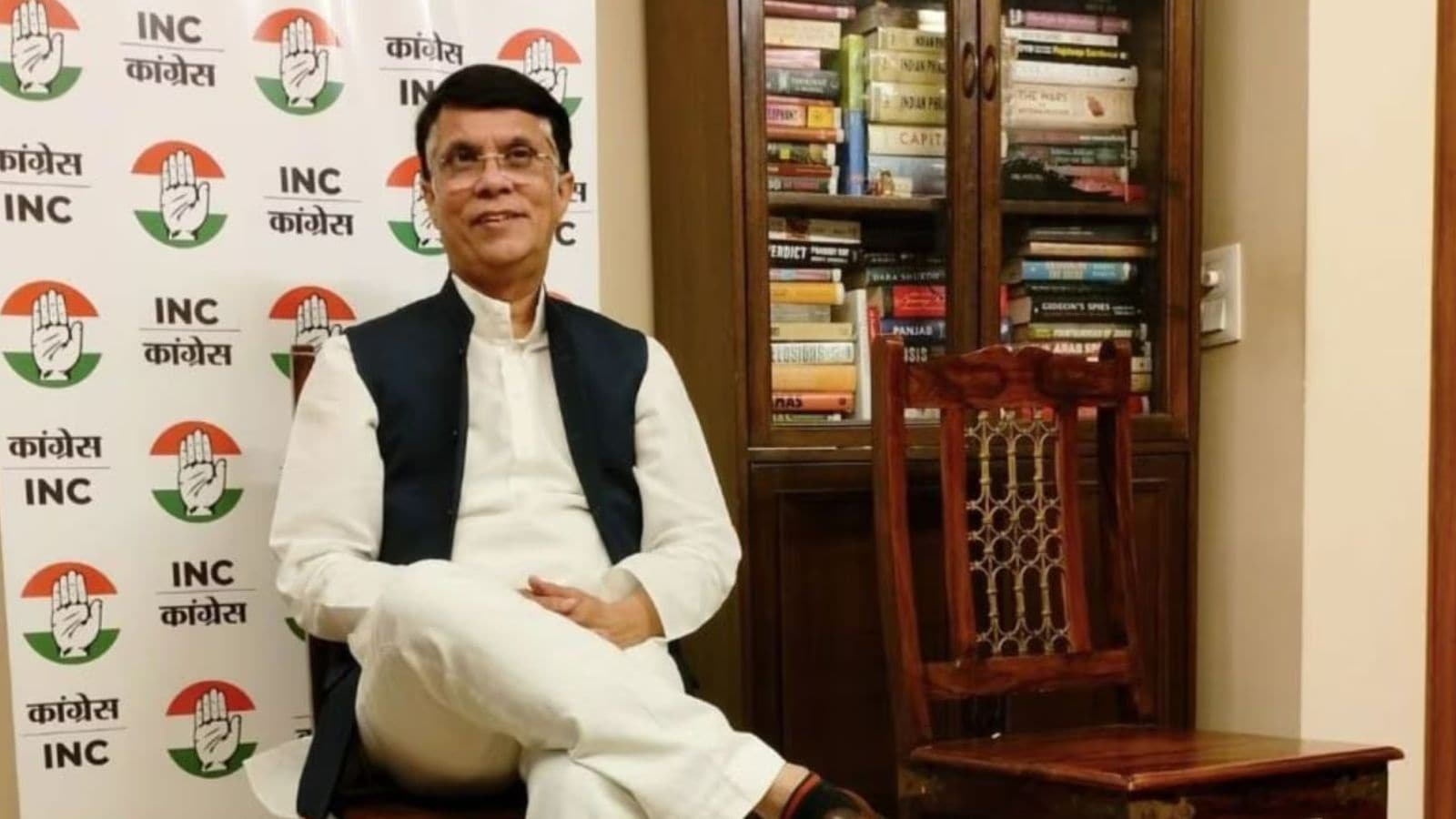
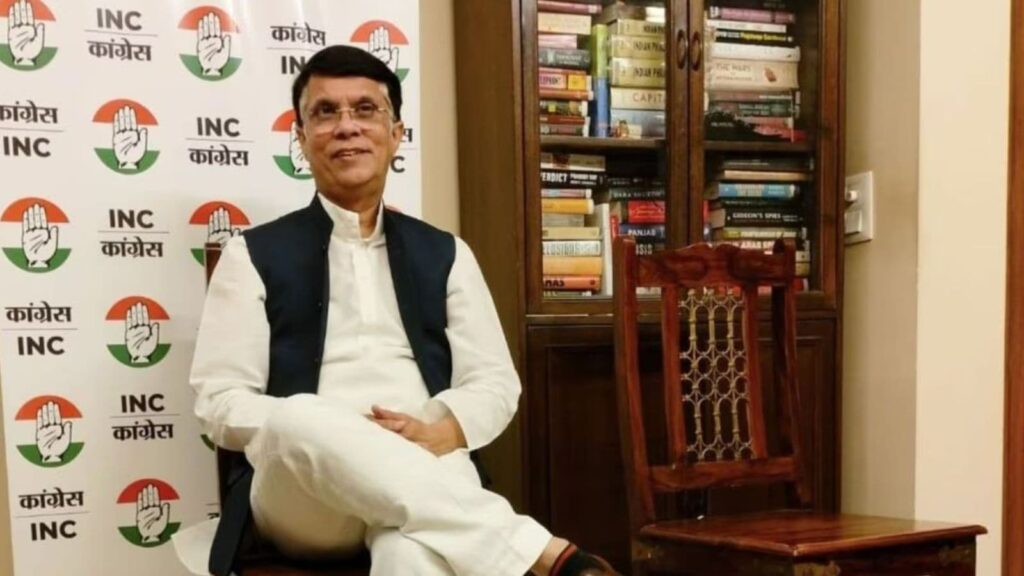
Pawan Khera anticipatory bail has become a focal point in the ongoing legal saga involving the Congress leader and allegations stemming from the Assam Crime Branch case. Recently, the Gauhati High Court dismissed Khera’s plea for anticipatory bail, following a complaint lodged by Riniki Bhuyan Sharma, the wife of Assam Chief Minister Himanta Biswa Sarma. The accusations pertain to Khera’s claims regarding Sharma’s alleged possession of multiple passports and undisclosed assets abroad. Khera’s legal team argues that these proceedings are rooted in political vendetta, with references to critical comments made by Sarma adding fuel to the fire. As the situation unfolds, Khera’s legal troubles highlight the complexities of political discourse and the implications it holds for public figures in India.
In the politically charged atmosphere of Assam, the legal challenges faced by Pawan Khera, particularly in regard to his anticipatory bail status, serve as a pivotal narrative. The ongoing case initiated by the Assam Crime Branch encompasses serious allegations that have sparked debates about the intersection of law and politics. With the recent Gauhati High Court ruling influencing the course of his defense, Khera’s situation raises questions about the potential for political influence on judicial processes. Accusations tied to Himanta Biswa Sarma’s comments and assertions of political vendetta frame this incident as more than just a legal battle, but rather as a significant chapter in contemporary Indian politics. As events progress, Khera stands at the center of an unfolding story that encapsulates the turmoil of political rivalry and the legal ramifications it entails.
The recent decision by the Gauhati High Court to reject Congress leader Pawan Khera’s anticipatory bail plea has sent ripples through the political landscape. This ruling directly stems from the allegations made by Riniki Bhuyan Sharma, the wife of Assam Chief Minister Himanta Biswa Sarma. Khera’s claims regarding Sharma’s alleged possession of multiple passports and undisclosed overseas assets fueled the contentious legal battle that the court had to resolve. In its judgment, the court indicated that the nature of the charges presented warranted serious consideration, especially as they included accusations of forgery and cheating that could have far-reaching implications for Khera’s political career.
The rejection of Khera’s bail plea raises significant questions about the intersection of law and politics in India. The case, widely viewed as politically motivated, presents a classic scenario wherein opposition voices often find themselves entangled in legal troubles. With the legal framework being utilized in ways that some argue amount to political vendetta, the implications for democratic discourse are profound. Critics of the ruling party contend that cases like this reflect a troubling trend whereby dissenting political figures face harassment through judicial means, further complicating the already fraught narrative within Assam and beyond.
Pawan Khera’s current legal troubles have sparked allegations of political vendetta, at the forefront of discussions among political analysts and legal experts alike. His defense lawyer, senior advocate Abhishek Manu Singhvi, has articulated a strong case suggesting that the accusations are designed to target Khera politically rather than pursue justice. Such claims pose serious implications for the public perception of law enforcement practices in Assam, as they suggest an attempt to silence dissent through fabricated charges. Political vendetta allegations invite scrutiny not only of the individuals involved but also of the broader systems and motivations that guide political conflict in the region.
Furthermore, these allegations highlight a concerning trend where the judiciary is perceived as being leveraged to settle political scores. By targeting opposition leaders like Khera, who holds a significant position as the chairman of the Congress party’s media and publicity department, the ruling party risks undermining the credibility of state institutions. The intertwining dynamics of power and politics in Assam can lead to a chilling effect on political discourse, ultimately affecting democratic practices. As conversations around Khera’s case unfold, the spotlight on political motivations behind legal actions becomes increasingly relevant.
The comments made by Assam Chief Minister Himanta Biswa Sarma regarding Pawan Khera have become a pivotal element in the ongoing legal proceedings. Often, the remarks by political figures can shape public perception of ongoing cases, and Sarma’s statements have been characterized as inflammatory. His critique of Khera, viewed through the lens of legal accountability, raises questions about the impartiality of judicial processes when they are embraced by political rhetoric. This dynamic of intertwining politics and law exemplifies how public figures can influence judicial outcomes, impacting the fairness of legal proceedings.
Moreover, Sarma’s remarks contribute to the broader narrative surrounding the allegations made against Khera, framing the Congress leader’s claims as not merely personal attacks but as part of a larger strategy to delegitimize political opponents. Such framing can affect the judicial landscape, leading to an environment where perceived biases complicate the pursuit of justice. The role of political leaders in influencing both public opinion and potentially the judiciary cannot be underestimated, and it underscores the need for clear boundaries that protect the integrity of the legal system.
The legal challenges faced by Pawan Khera are symptomatic of a larger trend affecting many Congress leaders across India. In recent years, several prominent figures have found themselves embroiled in legal battles that some observers attribute to a concerted effort by the ruling party to undermine their political weak points. These legal predicaments often involve serious accusations that, depending on public perception, can either diminish political influence or galvanize party support. Khera’s situation mirrors this precarious landscape where legal accusations become intertwined with political narratives.
This situation raises critical discussions about the use of legal instruments to influence political trajectories. As Congress leaders navigate their legal troubles, questions arise regarding the role of the judiciary in maintaining democratic processes free from political bias. The intersection of law and politics is increasingly scrutinized, with voices across the spectrum advocating for transparent and fair legal proceedings that prioritize justice over political gain. The experience of Khera may serve as a seminal case study in understanding the intersectionality of political ambition and judicial accountability.
The Supreme Court’s involvement in Pawan Khera’s anticipatory bail plea has been crucial in determining the course of this legal battle. After the Telangana High Court granted Khera a week’s transit anticipatory bail, the Supreme Court intervened, issuing a stay on that order and highlighting the nuances of jurisdiction in such cases. The apex court clarified that Khera’s appeal for anticipatory bail in Assam would be a separate consideration altogether. This intervention underscores the role of higher judiciary bodies in addressing potential overreach by state actors, particularly in politically sensitive cases.
By allowing Khera to approach the competent court in Assam under its interim order, the Supreme Court also set a precedent for how similar cases might be handled in the future. It reinforced the notion that robust legal protections exist for individuals facing politically motivated accusations. The implications of this case extend beyond Khera, as it sets the tone for how political figures will engage with the legal system when challenged by rivals. Ultimately, the Supreme Court’s oversight serves as a check against potential misuse of legal frameworks for political ends.
The case filed by Assam’s Crime Branch against Pawan Khera has gained significant attention due to its implications surrounding serious allegations, including cheating and forgery. Such grave charges elevate the legal stakes not only for Khera but also for the political climate in Assam. The FIR lodged against him lists multiple offenses, each carrying profound legal consequences if proven. As this case unfolds, its complexity demands careful scrutiny to ensure that all procedural rights are respected, particularly given Khera’s status as a prominent opposition figure.
This legal case also opens up discussions about the responsibilities of law enforcement agencies to act impartially and in accordance with the law. The portrayal of the Assam Crime Branch’s actions as politically charged raises difficult questions about accountability and justice in politically sensitive environments. The outcomes of this case could either solidify or undermine the legitimacy of law enforcement in Assam, emphasizing the essential balance between maintaining public order and preserving democratic values.
Pawan Khera’s legal challenges are likely to have substantial political ramifications not only for him but for the Congress party as a whole. The ongoing case against him exemplifies the tensions between the ruling party and the opposition in Assam. As allegations of political vendetta gain traction among supporters and detractors alike, the Congress party must navigate a precarious terrain where public perception can shape electoral outcomes. Khera’s situation serves as a rallying point for party supporters, potentially galvanizing opposition against the ruling party’s perceived injustices.
Moreover, the legal troubles faced by Khera can either bolster party solidarity or incite internal conflicts, depending on how these challenges are addressed. The reactions of party leaders and rank-and-file members will play a critical role in framing the narrative surrounding the case. If handled effectively, Khera’s legal ordeal may reposition him as a symbolic figure of resistance against political oppression. Conversely, if not managed well, it could lead to fragmentation within the party and decrease its electoral competitiveness in Assam.
Looking ahead, the case of Pawan Khera could significantly influence the future of political discourse in Assam and potentially across India. With an escalating frequency of legal battles involving political figures, the lines between legal action and political maneuvering are increasingly blurred. As citizens witness the unfolding legal dramas involving public figures, public trust in both the judiciary and political institutions could be at stake. Khera’s case presents an opportunity for stakeholders to engage in robust discussions about the ethical boundaries that separate law from politics.
In contemplating the future implications of Khera’s legal battles, there emerges a necessary call for reforms that uphold the integrity of both the legal system and democratic practices. Ensuring transparency and accountability in political dealings can foster healthier political conversations regarding the roles of opposition parties. Khera’s journey through the courts may ultimately serve as a litmus test for assessing the viability of political discourse in an increasingly polarized climate, thereby shaping the engagement of future political leaders in the legal landscape.
The Gauhati High Court rejected Pawan Khera’s anticipatory bail plea linked to the Assam Crime Branch case. This case arose from allegations made by Riniki Bhuyan Sharma against Khera, concerning claims of her possessing multiple passports and undisclosed overseas assets. Senior advocate Abhishek Manu Singhvi argued for Khera, suggesting the allegations stemmed from political vendetta, particularly due to comments by Assam Chief Minister Himanta Biswa Sarma. Despite these arguments, the court determined the nature of the accusations warranted rejection of bail.
| Point | Details |
|---|---|
| Court Decision | The Gauhati High Court rejected Pawan Khera’s anticipatory bail plea. |
| Case Background | The case against Khera was initiated following allegations from Riniki Bhuyan Sharma regarding his claims about her possessing multiple passports and undisclosed assets. |
| Defense Arguments | Khera’s lawyer argued that the case is politically motivated and that the accusations are scandalous and malicious. |
| Opposition Claims | The Assam Advocate General argued that the case includes serious offenses like cheating and forgery, beyond just defamation. |
| Previous Court Rulings | Khera had received transit anticipatory bail from the Telangana High Court, which was later stayed by the Supreme Court. |
Pawan Khera anticipatory bail has been a significant topic of discussion recently, especially after the rejection of his plea by the Gauhati High Court. This ruling highlights the complexities of the legal proceedings surrounding Khera, a prominent Congress leader, who is facing serious allegations that have been claimed to be politically motivated. The case, spurred by accusations from the wife of Assam’s Chief Minister, has seen a robust defense and strong opposition, underscoring the contentious nature of contemporary Indian politics. The implications of this decision could affect Khera’s political career and the Congress party’s future in Assam, making it imperative to follow the developments closely.