

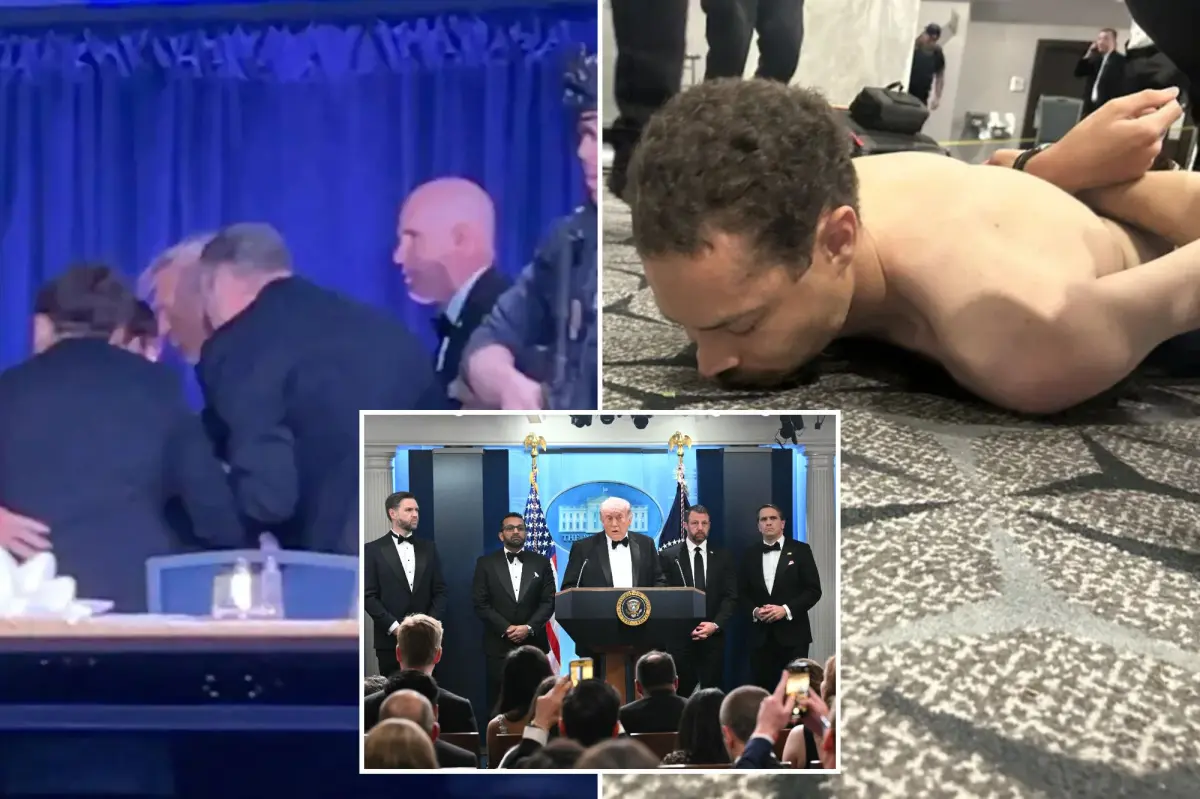
Cole Tomas Allen, identified as the suspect in the shocking White House shooting incident, has left many bewildered by his seemingly ordinary persona. Former classmates described him as just a “completely average guy,” a characterization that starkly contrasts with the violent act he committed when he fired shots near the White House Correspondents’ Association dinner. This bizarre juxtaposition raises questions about the motivations behind such actions, particularly from those who knew him, including a fellow member of the Caltech Christian Fellowship. George Daghlian’s expressions of disbelief underline the unsettling nature of the incident. As the investigation unfolds, the community grapples with the reality that a once-seemingly normal individual can become the focal point of national concern, earning the title of the ‘average guy suspect.’
The recent events surrounding the White House shooting have sparked intense discussions within various circles, especially among those connected to the suspect, Cole Tomas Allen. Described by acquaintances as an ordinary person, the dissonance between his character and the violent outburst raises critical questions about societal perceptions of behavior and mental health. Observers are particularly intrigued by how individuals, often labeled as common or average, can manifest extreme actions, reminding us that appearances can be misleading. This situation serves as a reminder of the complexities of human nature and the potential hidden struggles that individuals may face. As more information emerges, the narrative surrounding the incident continues to evolve, inviting deeper analysis into the motivations behind such tragic events.
Understanding the White House Shooting Incident
On a seemingly ordinary evening during the White House Correspondents’ Association dinner, chaos erupted as Cole Tomas Allen, a 31-year-old former student, fired shots outside the venue. This shocking act of violence not only startled the attendees but also ignited a nationwide conversation regarding security measures at high-profile events. The term ‘White House shooting’ has become synonymous with this tragic incident, prompting discussions about the motivations behind such reckless behavior and the backgrounds of individuals who may carry out similar acts.
Witnesses described Cole Allen as an average guy, likening him to everyday individuals who walk amongst us. Many people are perplexed by the stark contrast between his ordinary demeanor and the extraordinary act of violence that occurred. This paradox raises questions about how easily someone can seem like a typical member of society while hiding darker intentions. The implications of this shooting extend beyond the immediate panic; they delve into the psyche of individuals who commit acts of violence without apparent warning.
Cole Tomas Allen: The Average Guy Suspect
Former students and acquaintances of Cole Tomas Allen have painted a picture of a man who was perceived as ‘just a completely average guy.’ This characterization has left many puzzled, as the actions of Allen during the shooting starkly contrast with the impressions his peers had of him. Those close to Allen, such as George Daghlian from Caltech Christian Fellowship, expressed disbelief that someone they knew could engage in such a violent act. This incident raises critical concerns about how well we truly know those around us, especially when it comes to perceived normalcy.
The phenomenon of the ‘average guy suspect’ in crimes of violence underscores a pressing societal issue. It prompts an examination of the factors that might lead someone who appears ordinary to act violently, raising the need for a deeper understanding of mental health, social connections, and potential warning signs. Individuals like Cole Tomas Allen remind us that hidden struggles can exist beneath a seemingly placid surface. As communities, it is crucial to foster an environment where potential grievances can be addressed before they escalate into violence.
The Impact of Violence on Communities
The shooting incident involving Cole Allen reverberates through the fabric of the community, sparking fear and insecurity among citizens. The emotional aftermath of such violence can lead to heightened anxiety at public gatherings, particularly those attended by notable public figures. Community leaders and security agencies must now reassess safety protocols not just for events like the White House Correspondents’ Association dinner, but for all gatherings involving large crowds. As people consider the potential risks, discussions surrounding gun control and mental health resources become increasingly essential.
Communities must engage in dialogues about how to create safer environments while fostering connections that might help prevent violence. Programs aimed at promoting mental health awareness and understanding the warning signs associated with potential threats could empower individuals to seek help for themselves or others. Ultimately, the long-term consequences of violence extend beyond the immediate physical danger; they can leave communities divided and distrustful of each other. Addressing these issues is vital for the healing process and restoring a sense of security.
Reflections from the Caltech Community
The shockwaves from the shooting incident have prompted members of the Caltech Christian Fellowship, including George Daghlian, to come together in reflection and support. As close-knit organizations often are, the members are grappling with the reality that someone they considered a friend could be involved in such a horrific act. This tragedy serves as a stark reminder of the fragility of life and the importance of open dialogue concerning mental health, feelings of isolation, and the need for community support.
In the wake of such an incident, the fellowship aims to foster discussions that encourage members to be more attuned to each other’s well-being. They understand that small signs can lead to bigger issues, and creating an environment where students feel safe discussing their struggles can be crucial in preventing future tragedies. Events that encourage social interaction and emotional support also play a vital role in ensuring that individuals like Cole Tomas Allen feel connected and valued, reducing the likelihood of someone slipping through the cracks.
Exploring Mental Health and Violence
The unsettling emergence of Cole Tomas Allen as a suspect in the White House shooting brings to light the often overlooked relationship between mental health and acts of violence. Many individuals who commit such acts may be struggling with unaddressed psychological issues. Understanding the complexities of mental health is critical for both prevention and intervention, enabling communities to identify those in need of support before they resort to violence. Programs and initiatives that focus on mental health education can help break the stigma surrounding these discussions.
By fostering an environment that prioritizes mental wellness, communities can better equip individuals with the tools to cope with their emotional challenges positively. Collaborative efforts among educational institutions, healthcare providers, and local organizations are essential in creating a safety net for those potentially at risk. Moving beyond mere awareness, actionable strategies can empower communities to address underlying issues and reduce the incidence of violence attributed to untreated mental health conditions.
The Role of Security at Public Events
As the dust settles from the shocking event at the White House Correspondents’ Association dinner, security measures at public gatherings are under scrutiny. The presence of gun violence at seemingly secure locations raises concerns about the adequacy of existing protocols and the potential need for re-evaluation. Law enforcement and event organizers must collaborate to determine best practices that can effectively minimize risks while ensuring public safety without compromising the enjoyment of such events.
The idea of enhanced security measures can create a tense atmosphere, but it is imperative that they be balanced with the need for freedom and accessibility at public functions. Ensuring guests feel safe while attending events is crucial for their overall experience. As authorities respond to the Cole Tomas Allen incident, they must analyze existing security protocols and explore innovative solutions that protect individuals without invoking unnecessary fear or anxiety.
The Media’s Responsibility in Reporting Violence
Media coverage of violent incidents like the shooting involving Cole Tomas Allen plays a significant role in shaping public perception. While it is essential for citizens to be informed about such events, the way they are reported can influence societal attitudes toward crime and safety. Ethical journalism must consider the impact of sensationalism, ensuring that it does not perpetuate fear but rather encourages constructive dialogue about the underlying issues that lead to violence.
Moreover, responsible reporting can contribute to a more informed public that recognizes the distinctions between individuals and their actions. As journalists cover incidents involving suspects like Cole Allen, they hold the power to either reinforce negative stereotypes or foster understanding. Balanced coverage that highlights both the incident and the context—such as the individuals’ backgrounds and societal influences—can help promote a healthier narrative that supports community healing and prevention.
Violence and Its Implications for Youth
The involvement of a young adult like Cole Tomas Allen in a violent crime raises alarm bells regarding youth and their engagement with societal issues. The incident sheds light on the various factors influencing today’s youth, from peer relationships to perceptions of violence, that need thorough investigation. As communities reflect on the event, it is crucial to consider how young individuals are impacted by such acts and to seek ways to foster resilience in the face of adversity.
Educational institutions and youth organizations play a pivotal role in shaping young minds toward constructive conflict resolution and emotional intelligence. Bringing awareness to the challenges faced by the youth can empower them with the skills to navigate their feelings healthily and productively. Initiatives that encourage mentorship, open discussions about mental health, and coping strategies will help build a healthier, more aware generation that understands the significance of compassion over violence.
The Need for Community Engagement and Support
In the aftermath of the shooting incident associated with Cole Tomas Allen, communities must come together to offer support and healing. Engaging with each other promotes unity and understanding in a time rife with uncertainty and fear. Local organizations, churches, and community leaders can play a vital role in fostering dialogues that address the emotions surrounding such events, ensuring that individuals feel heard and valued.
Moreover, community engagement provides a platform for individuals to collaboratively explore measures that prevent future tragedies. By encouraging proactive discussions about mental health, safety, and social connections, communities can build infrastructures that support collective well-being. The response to this shooting serves as a critical opportunity for growth, where healing can occur through shared experiences and a commitment to creating a safer, more inclusive environment.
Frequently Asked Questions
Who is Cole Tomas Allen in relation to the White House shooting incident?
Cole Tomas Allen is the primary suspect in the recent White House shooting incident, where he was reported to have fired shots outside the White House Correspondents’ Association dinner. Despite being identified as the shooter, former students have described him as a ‘completely average guy,’ raising questions about his motives and mental state.
| Key Points |
|---|
| Cole Tomas Allen is characterized as an “average guy” according to former students. |
| Some former classmates expressed disbelief that he could commit a violent act. |
| The incident involved Allen firing shots outside a high-profile event—White House Correspondents’ Association dinner. |
| George Daghlian, a peer from Caltech, reacted with shock after the event was reported. |
Summary
Cole Tomas Allen is highlighted as a perplexing figure in recent news, where former classmates describe him as an ordinary person rather than a potential perpetrator of violence. The shocking events surrounding his actions during the White House Correspondents’ Association dinner have sparked a debate about how we perceive individuals who commit unexpected acts. The reactions from those who knew him indicate a profound disbelief, emphasizing the disconnect between their perceptions of Allen and the gravity of his actions. As more details emerge, the investigation into Cole Tomas Allen’s motivations and background will likely continue to evoke interest and concern.



























