

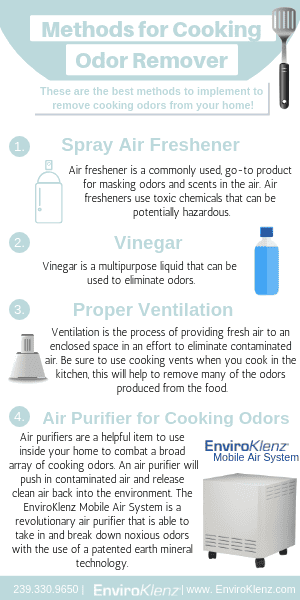
Odor elimination is an essential aspect of maintaining a fresh and inviting home environment, particularly in kitchens where cooking odors can linger long after the meal is over. Rather than relying on temporary solutions like air fresheners, which only mask unpleasant smells, it’s important to focus on effective methods that genuinely remove cooking odors. Natural odor eliminators such as baking soda, activated charcoal, and enzymatic cleaners provide powerful deodorizing solutions that bind to and neutralize odor-causing compounds. For those wondering how to eliminate smells for good, understanding the difference between masking odors and true kitchen odor removal is crucial. By implementing these strategies, you can ensure that the essence of your delicious meals is celebrated, not overshadowed by lingering scents.
In the quest for a fresher home, effective strategies for smell reduction are more than just cosmetic fixes; they involve proactive measures to tackle odor-causing agents head-on. Many households struggle with unwanted scents emanating from cooking, and knowing the best ways to combat this issue is key to creating a pleasant living space. Techniques for odor removal often include incorporating items known for their absorption properties, which can dramatically improve indoor air quality. Whether it’s oxidizing elements that break down stubborn odors or utilizing natural products that cleanse the air, there are ample ways to combat those pesky kitchen smells. An informed approach to smell management not only enhances the home ambiance but also promotes a healthier environment.
Understanding Odor Elimination in the Kitchen
Odor elimination is crucial for maintaining a fresh and pleasant kitchen environment. While traditional methods like air fresheners and scented candles may seem effective, they often only mask the underlying issues rather than addressing them at their core. To truly remove cooking odors, it is important to utilize strategies that focus on the elimination of odor molecules, not just their concealment. This involves understanding the nature of these odors, which typically stem from volatile compounds released during the cooking process, such as the amines from fish or the fatty acids from meats.
For effective odor elimination, one must consider natural solutions such as baking soda and activated charcoal. Both of these natural odor eliminators have been shown to effectively bind to and neutralize the molecules that cause unpleasant smells, offering a more permanent solution for kitchen odor removal. Exploring these options can lead to a healthier living space, free from the synthetic fragrances that only serve to mask the problem without solving it.
Effective Natural Odor Eliminators for Cooking Smells
When it comes to removing cooking odors, natural odor eliminators are often the most effective and safest options available. Baking soda is a classic example, known for its remarkable ability to absorb and neutralize bad odors rather than merely masking them. Sprinkling baking soda on surfaces or placing an open box in the refrigerator can significantly reduce unwanted smells, making it an invaluable ally in odor management.
Similarly, activated charcoal serves as an excellent deodorizing solution that works through adsorption, capturing odor molecules and rendering them ineffective. This granular powerhouse can be placed in sachets around the kitchen, or in areas that often harbor odors, such as trash cans or cupboards. Utilizing these natural solutions not only ensures thorough kitchen odor removal but also contributes to a more environmentally friendly approach as they are free from harmful chemicals.
Deodorizing Solutions for Persistent Cooking Odors
To tackle persistent cooking odors effectively, one must adopt a multi-faceted approach using various deodorizing solutions. Beyond baking soda and activated charcoal, enzymatic cleaners provide a chemical breakdown of odor-causing compounds. These cleaners utilize enzymes that target specific food residues and byproducts that lead to unpleasant smells, offering precise removal for even the most challenging odors.
Implementing a routine that combines these different deodorizing methods can yield impressive results. Start with basic kitchen cleaning practices, ensuring surfaces are wiped down after meals. Following this, a treatment of enzymatic cleaners in any specific areas where odors linger will ensure a thorough cleansing. This comprehensive approach not only eliminates smells effectively but also maintains a welcoming atmosphere in your kitchen.
How to Eliminate Smells with Simple Household Items
Eliminating kitchen smells doesn’t have to rely on expensive solutions or commercial products. Simple household items can be remarkably effective in managing and breaking down odor-producing molecules. Vinegar, for instance, is another natural deodorizer that neutralizes odors without leaving behind any harmful residues. Placing a bowl of vinegar on the counter while cooking can significantly reduce cooking odors.
Additionally, citrus peels can also be an effective method for how to eliminate smells. Their natural oils are known for their uplifting scent and ability to freshen the air. You can throw lemon or orange peels into your garbage disposal or simmer them in water on the stove. This not only helps in odor removal but also leaves a pleasant scent that enhances the cooking space.
The Science Behind Odor Masking
While there are many methods available for combating cooking smells, it is essential to understand the science behind odor masking versus true odor removal. The common practice of using air fresheners is often a misguided approach, as these products primarily work to mask the odors rather than eliminate the compounds causing these smells. Research suggests that masking agents do not chemically neutralize the odor molecules, but instead create a sensory experience that distracts the user from unpleasant scents.
The gap between masking and removal can have implications for indoor air quality. Continuous exposure to masked odors may lead to a buildup of those underlying molecules, which can deteriorate health over time. Therefore, focusing on methods and products that facilitate actual odor elimination is vital in creating a safe and healthy kitchen environment.
Practical Tips for Effective Kitchen Odor Removal
For anyone serious about tackling kitchen odors, employing practical tips is essential for effective management. One of the most straightforward methods is ensuring good ventilation during and after cooking; opening windows or using exhaust fans can help disperse odors quickly. Additionally, regularly cleaning kitchen appliances and surfaces can prevent the buildup of grease and food particles, which are primary sources of persistent odors.
Investing in quality kitchen tools such as a vacuum-sealed garbage can that traps odors can also make a significant difference. Coupling this with a routine that includes using natural odor eliminators allows for a thorough approach to kitchen odor removal, ensuring the space remains inviting and pleasant.
Long-Term Solutions for Keeping Your Kitchen Smell-Free
To ensure your kitchen remains smell-free in the long term, consider implementing a proactive cleaning schedule tailored to cooking habits and the types of food being prepared. Regularly using natural odor eliminators, such as baking soda and vinegar, can minimize the frequency and intensity of unpleasant odors. It’s also beneficial to focus on the sources of smell, such as older appliances that may harbor residues and should be cleaned or replaced.
Furthermore, incorporating odor-neutralizing plants can offer a charming aesthetic while providing additional benefits in odor management. Plants like the spider plant or peace lily not only filter toxins from the air but also contribute to an overall fresher environment. By layering these strategies, you can achieve a consistently clean and odor-free kitchen, providing a positive culinary experience.
The Role of Air Quality in Odor Management
Air quality plays a significant role in the effectiveness of odor management strategies. Poor air circulation can exacerbate cooking smells, hence integrating air purifiers can be a game changer. These devices target particulate matter and can filter out odor-causing compounds, enhancing air quality and contributing to successful kitchen odor elimination.
Additionally, integrating houseplants that naturally purify the air can work in tandem with air purifiers for a comprehensive approach. Not only do these plants provide aesthetic appeal, but they also work to naturally decrease indoor pollution levels. Promoting a healthy air quality environment can therefore lessen the frequency of strong cooking odors, ensuring a fresh and enjoyable kitchen space.
Exploring DIY Deodorizing Solutions
Creating DIY deodorizing solutions can be an inexpensive and customizable way to combat lingering cooking odors. Recipes for homemade air fresheners typically include essential oils combined with water in a spray bottle, allowing you to create a pleasant and personalized scent for your kitchen. By using natural ingredients, not only do you avoid the harmful chemicals found in many commercial products, but you also ensure effective odor removal.
Another DIY solution could include making a simple paste of baking soda mixed with essential oils to create an odor-absorbing compound that can be placed in bowls spread throughout your kitchen. This method allows for longer-lasting effectiveness and can be tailored based on your personal scent preferences. With a few basic ingredients, odor control can be achieved efficiently and safely.
Frequently Asked Questions
What are some effective natural odor eliminators for removing cooking odors?
To effectively remove cooking odors, consider using natural odor eliminators such as baking soda and activated charcoal. These substances absorb odor molecules, making them excellent deodorizing solutions. Additionally, open windows to allow fresh air in and use vinegar to neutralize smells. Unlike air fresheners that merely mask odors, these methods target the source, providing a truly fresh kitchen environment.
| Key Point | Explanation |
|---|---|
| Cooking Odors are Common | Lingering smells from cooking can affect home ambiance. |
| Air Fresheners Do Not Solve the Problem | They only mask odors, giving a false sense of cleanliness. |
| True Odor Elimination Required | Involves removing odor molecules physically or chemically. |
| Dangers of Masking | Masking does not neutralize unpleasant odors and can hide hazards. |
| Effective Solutions | Baking soda, activated charcoal, and enzymatic cleaners effectively degrade odor-causing compounds. |
| Volatile Chemicals Cause Odors | Kitchen odors can stem from amines and fatty acids. |
Summary
Odor elimination is a crucial step in maintaining a fresh home environment, especially after cooking. Simply masking these odors with air fresheners can lead to a cycle of ineffective cleaning, where the underlying problem persists. It’s essential to recognize that true freshness comes from actively removing the odor molecules rather than just covering them up. Incorporating techniques like using baking soda, activated charcoal, or enzymatic cleaners can deeply penetrate and neutralize odors, leading to lasting freshness in your living space. Understanding the science behind odor elimination not only improves your home’s smell but also enhances overall indoor air quality.



























