

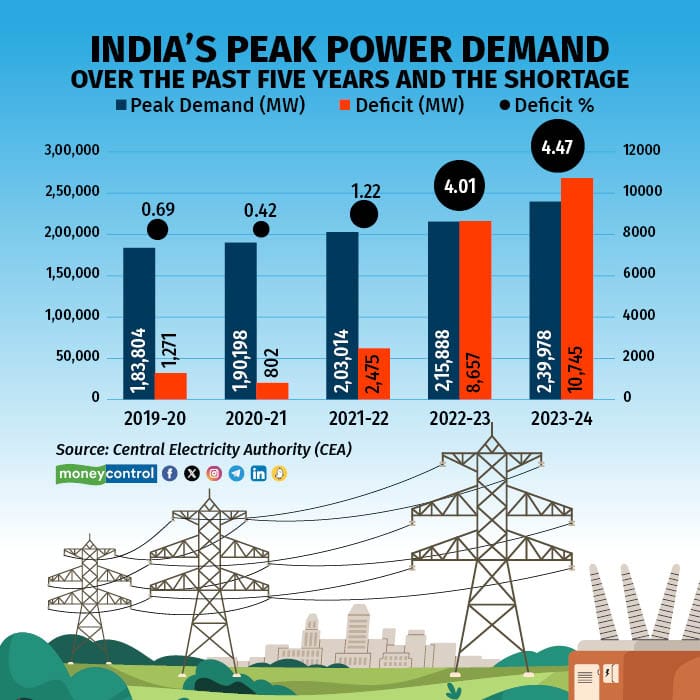
India’s peak power demand recently soared to a record high of 256 gigawatts (GW), driven significantly by the rising contribution of solar energy to the nation’s power generation mix. This landmark achievement speaks volumes about India’s commitment to enhancing its renewable energy growth, especially during extreme weather conditions like the current heatwave. The Ministry of Power anticipates that this demand could escalate to 271 GW by the end of the year, further showcasing the country’s urgent adaptation to meet its energy needs. As temperatures climb, the importance of peak power generation becomes increasingly pivotal for ensuring a stable energy supply across the nation. With 22% of the generation during this peak coming from renewable sources, India is setting a compelling example of how solar energy can support the growing power needs of the populace amidst climate challenges.
In recent times, India has witnessed an unprecedented surge in its electricity consumption, reaching a historic peak energy requirement that highlights the challenges of balancing supply and demand. As temperatures escalate, the increased reliance on alternative energy sources, particularly solar power, underscores the country’s focus on sustainable electricity production. This escalation in energy needs reflects not only the dynamic changes in weather patterns but also an evolving landscape of energy generation that prioritizes renewables. Such peaks in power necessity require innovative solutions to ensure accessibility and reliability, especially during extreme weather events. As India navigates these developments, understanding the factors influencing energy consumption becomes essential for future planning.
India’s Peak Power Demand Hits New High
On a recent Saturday, India achieved a remarkable milestone in its energy consumption history, meeting a peak power demand of 256 gigawatts (GW). This record represents a significant increase in the country’s energy needs, particularly in light of the ongoing heatwave affecting various regions. The dramatic rise in temperatures has inevitably led to heightened electricity usage, as residential and commercial users alike crank up their air conditioning and cooling systems to cope with the sweltering conditions.
The soaring temperatures are a critical factor in India’s peak power generation, leading to a notable surge in energy demand. As the country continues to battle rising heat levels, the energy sector is under pressure to meet these peaks efficiently. The power ministry’s projections indicate that peak demand could escalate to 271 GW this year, suggesting a need for scalable and sustainable energy solutions to support this trend.
The Role of Solar Energy in Meeting Power Needs
The substantial growth in solar energy contribution has been pivotal in meeting India’s peak power generation demands. On the day the record was set, solar energy alone accounted for about 22% of the total electricity generation, showcasing its vital role in the energy mix. This renewable energy source has witnessed exponential growth over the past few years, driven by government initiatives and technological advancements that promote solar installations across the nation.
Solar energy not only helps meet the current energy needs but also provides a sustainable solution for the future. As India aims to significantly increase its renewable energy capacity, solar power stands out as a key player in supporting the country’s energy infrastructure. This rapid adoption of solar technology, especially during peak periods exacerbated by heatwaves, highlights the importance of diversifying energy sources to balance the power supply and prevent outages during critical demand peaks.
Challenges of Renewable Energy Growth in Extreme Temperatures
Despite the impressive contribution of solar energy to India’s power generation, the country faces significant challenges during extreme temperature periods. The rapid increase in power needs can outpace the current supply capabilities, especially when reliant on technologies that are still evolving. Fluctuations in solar energy capture during cloudy days or sudden spikes in usage can create a mismatch between supply and demand.
Additionally, the infrastructure necessary to support increased renewable energy deployment needs continuous investment and improvements. As India’s power demand continues to increase, especially during extreme weather conditions, there is an urgent need for innovative strategies to enhance energy efficiency and storage solutions in the renewable sector. This focus on resilience in energy planning will be crucial as the nation navigates its path towards a greener future.
Impacts of Heatwave on India Power Demand
The recent heatwave across India has underscored the direct correlation between rising temperatures and power demand spikes. As citizens struggle to cope with record-breaking temperatures, the concurrent increase in electricity consumption has put immense pressure on the country’s grid. Meeting these elevated heatwave-driven power needs requires not only immediate responses but also long-term energy planning strategies that can withstand extreme conditions.
The implications of such demand surges highlight the urgency for developing a more resilient energy infrastructure. Policymakers and energy providers must collaborate to create foundational changes in energy efficiency measures and develop backup systems that can handle unforeseen spikes. These steps are critical to ensure energy security, particularly in light of the growing climate-related challenges that India faces.
The Future of Power Generation in India
Looking ahead, the future of power generation in India hinges on the balance between traditional and renewable energy sources. As the country grapples with rising power demands, driven by population growth and urbanization, the shift towards cleaner energy sources will become even more imperative. The government’s ambition to significantly enhance renewable installations is expected to play a vital role in shaping a sustainable energy landscape, aligning with global trends towards decarbonization.
Efforts to bolster solar energy capacity are already underway, but integrating this energy into the national grid effectively remains a challenge. Future policies will need to focus not just on increasing the output of solar energy but also on improving energy storage technologies and grid management systems. By adopting innovative approaches to energy distribution, India can ensure that its growing power needs are met sustainably, particularly during peak demand periods.
Solar Energy: A Solution to India’s Energy Crisis
As India faces an increasing energy crisis, driven by factors like the heatwave and the consequent demand spikes, solar energy emerges as a critical solution. Harnessing solar power not only provides an immediate response to peak power generation needs but aligns with national goals for renewable energy growth. The expansion of solar energy infrastructure can significantly alleviate pressure on traditional power sources, minimizing reliance on fossil fuels during peak consumption periods.
Investments in solar energy projects have gained momentum, and the government has been actively promoting initiatives that pave the way for greater solar adoption. This includes incentives for household solar installations, utility-scale solar farms, and advancements in solar technology, which collectively enhance capacity while supporting the sustainability agenda. By prioritizing solar energy, India can efficiently meet its energy demands and combat the impacts of climate change.
Government Initiatives for Renewable Energy Boost
The Indian government has implemented multiple initiatives to support the transition towards renewable energy, particularly solar power. These policies are designed to enhance energy security and tackle the challenges posed by peak power demand, especially during extreme weather conditions like heatwaves. By facilitating access to solar energy technologies and offering financial incentives, the government aims to increase the share of renewable sources in the energy mix significantly.
One notable initiative is the National Solar Mission, which aims to establish India as a global leader in solar energy production. As part of this mission, large-scale solar projects are being developed, with the goal to generate substantial amounts of electricity, thereby reducing dependency on conventional power generation methods. This commitment to renewable energy growth not only addresses the immediate needs of peak demand but also reinforces India’s long-term energy sustainability goals.
Innovations in Energy Storage Solutions
To effectively manage peak power demands, particularly during intense heatwaves, innovations in energy storage solutions are becoming increasingly critical. Energy storage systems, such as batteries, help bridge the gap between energy production and consumption, allowing excess solar generation during peak sunny hours to be stored for later use. This technology can be pivotal in addressing the challenges of intermittent renewable sources and ensuring a reliable power supply.
Advancements in battery technology and energy management systems are accelerating the deployment of storage solutions across India. Strategic partnerships between the public and private sectors are essential to facilitate research and development efforts in this promising area. By prioritizing innovations in energy storage, India can not only satisfy its peak power needs but also contribute to the overall efficiency and sustainability of its energy systems.
Community Resilience in Renewable Energy Adoption
Community engagement plays a crucial role in enhancing the adoption of renewable energy solutions, especially solar energy. Local initiatives and awareness programs can empower individuals and communities to invest in their own solar systems, thus reducing their reliance on the grid during peak demand periods. This grass-roots approach not only alleviates strain on the national energy infrastructure but also promotes energy independence.
Moreover, as communities come together to implement solar energy projects, they can significantly contribute to the nation’s larger renewable energy goals. Community-driven solar installations can serve as models for sustainable living, demonstrating effective strategies for energy use that can influence broader societal shifts towards cleaner energy sources. Ultimately, fostering a culture of sustainability at the community level is essential for achieving India’s ambitious energy targets.
Frequently Asked Questions
How is solar energy contributing to India peak power demand?
Solar energy plays a crucial role in meeting India’s peak power demand, which recently reached a record 256 gigawatts (GW). During heatwaves, the contribution of solar energy surged to 22% of total power generation, allowing India to effectively manage its electricity needs amid soaring temperatures. As renewable energy growth continues, solar power helps stabilize the grid and meets increasing electricity consumption driven by high temperatures and peak power demands.
| Key Points |
|---|
| India met a peak power demand of 256 GW, the highest ever recorded in a single day due to soaring temperatures. |
| Solar energy contributed significantly, accounting for 22% of the total power generation during this peak demand. |
| The power ministry projects that peak demand could rise to 271 GW this year, indicating increasing energy needs. |
Summary
India’s peak power demand reached a remarkable 256 gigawatts (GW) on Saturday, driven largely by soaring temperatures and an increasing reliance on solar energy. This impressive figure is the highest ever recorded in a single day, showcasing the growth of renewable energy in the country’s power generation mix. With solar energy contributing 22% to the total generation during this peak, it underscores India’s potential in harnessing sustainable energy sources to meet rising demands. Looking ahead, the power ministry anticipates that peak demand may escalate to 271 GW this year, which reflects both the nation’s economic growth and its commitment to enhancing infrastructure to accommodate increasing energy needs.



























