

The liquor smuggling investigation currently underway in Arunachal Pradesh has unveiled a complex web of inter-state illicit activities that threaten both local economies and legal frameworks. Conducted by the Enforcement Directorate (ED), this investigation is tied to a broad network exploiting tax discrepancies between states, hinting at potential money laundering schemes. Searches executed at nine distinct locations have revealed a shocking overlap between legally distributed liquor and its illegal sale in neighboring Assam. The unfolding scenario highlights an urgent need for robust regulatory measures to curb inter-state smuggling that undermines tax revenue. As authorities delve deeper into this case, the implications for those involved in these financial irregularities could be substantial.
The ongoing examination of liquor trafficking within Arunachal Pradesh illustrates serious concerns about illegal alcohol distribution across state lines. This crackdown aims to dismantle a network operating under the veil of legality while diverting resources meant for local markets to illicit channels. The involvement of the Enforcement Directorate emphasizes the gravity of the situation, particularly as it intersects with potential financial crimes such as money laundering. Investigators are closely scrutinizing discrepancies in taxation systems that may have facilitated these unlawful operations. The situation highlights the critical role of stringent regulatory oversight to tackle organized crime associated with the alcohol trade.
Understanding Liquor Smuggling Operations in Arunachal Pradesh
The recent investigation into liquor smuggling in Arunachal Pradesh underscores the complexities of inter-state illicit liquor trade. The Enforcement Directorate’s operation highlights how officially sanctioned liquor can be diverted, leading to significant losses in tax revenue for the state. Such operations often exploit the disparities in tax rates between states, where lower taxes in one state can lure illegal distributors to redirect products intended for legal markets.
Moreover, the interplay between state regulations and the demand for cheaper liquor exacerbates the situation. Smugglers capitalize on this by rerouting these resources into neighboring regions, like Assam, where the prices are influenced by stricter controls. This not only poses a challenge to law enforcement agencies but also raises concerns about public health and safety. As the investigation unfolds, it reveals the intricate web of organized crime in the liquor industry, further pressing the need for reform in tax policies across states.
The Role of the Enforcement Directorate in Combatting Financial Crimes
The Enforcement Directorate (ED) plays a crucial role in tackling financial malfeasance through probing investigations such as this liquor smuggling case under the Prevention of Money Laundering Act. This agency is equipped to unravel the connections between tax discrepancies and organized crime, highlighting the systematic strategies employed by networks to avoid detection. With evidence pointing to multiple FIRs and suspicious money transactions, the ED aims to disrupt these operations, ideally deterring future crimes through stringent enforcement.
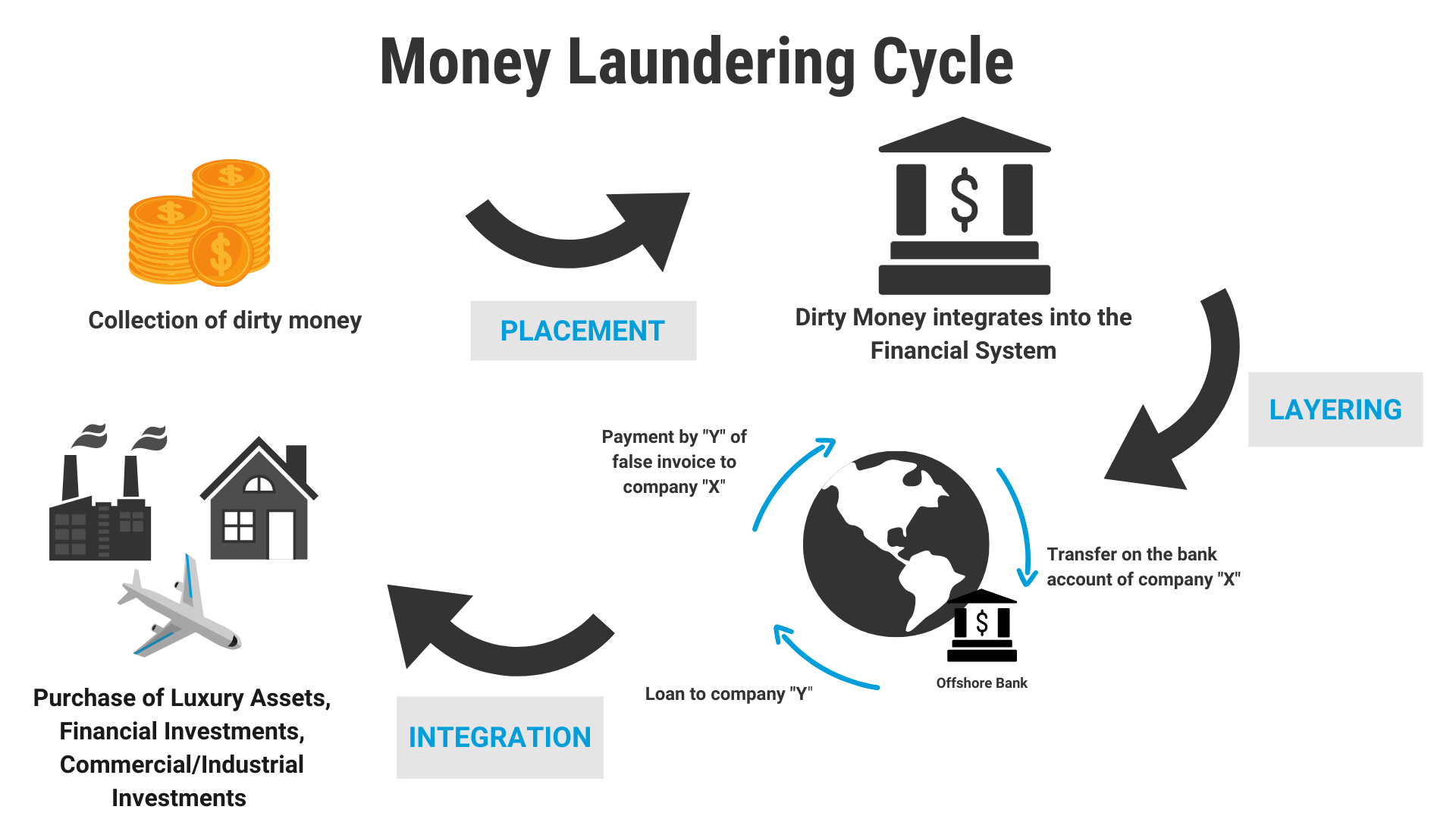
Additionally, this investigation sheds light on the methods used for money laundering in connection with the illicit liquor trade. By tracing financial flows, the ED can identify potential links between various stakeholders, from manufacturers to distributors. The investigative strategy employed includes scrutinizing cash deposits and transaction patterns that suggest attempts to obscure the true source of funds. Such thorough examinations facilitate a deeper understanding of organized networks involved in not only liquor smuggling but also broader financial crimes.
Investigating Financial Irregularities Linked to Liquor Distribution
A significant aspect of the ongoing investigation is the financial irregularities stemming from the liquor distribution network within Arunachal Pradesh. The findings reveal a sophisticated approach to money management, where sales are cleverly segmented to appear under regulatory thresholds, thereby avoiding scrutiny. The discovery of numerous invoices reflecting identical amounts illustrates attempts to mislead authorities, showcasing an operational methodology designed to evade law enforcement.
Moreover, the investigation hints at possible complicity among local distributors and regulatory loopholes that have allowed these practices to flourish. By collating evidence from various FIRs filed by state police, investigators are building a case that not only targets those directly involved in smuggling but also seeks to address the systemic issues enabling such financial discrepancies. Each piece of evidence strengthens the foundation for a more robust regulatory framework aimed at curbing these illicit activities.
Tax Discrepancies Between States: Facilitating Smuggling
Tax discrepancies between states are a double-edged sword; while they can stimulate economic activity, they can also provide a fertile ground for illicit operations such as liquor smuggling. As observed in Arunachal Pradesh’s case, smugglers exploit lower tax rates, creating a significant incentive to redirect liquor shipments intended for local consumption to states with higher retail prices. This differential pricing structure underscores the need for a unified tax framework that minimizes such disparities.
Implementing a more standardized tax policy could significantly mitigate the risks associated with inter-state smuggling. By ensuring more equitable tax rates across states, law enforcement could better contain illegal operations, safeguarding public revenues and promoting compliance. Hence, addressing tax irregularities not only serves law enforcement’s immediate needs but also contributes to a more fair and balanced economic landscape.
The Impact of Organized Crime on Local Economies
Organized crime, such as liquor smuggling networks, has profound impacts on local economies, particularly in regions like Arunachal Pradesh. By diverting legally obtained liquor into illegal markets, local businesses that comply with regulations suffer significantly. This practice not only undermines legitimate competition but also deprives the state of vital tax revenues that fund public services and infrastructure.
Furthermore, the ramifications extend beyond economics; public trust in law enforcement and government institutions can diminish as communities observe the detrimental effects of organized crime. As the Enforcement Directorate continues its investigation, highlighting these impacts could foster increased public awareness and support for stricter measures against such criminal enterprises. Engaging the community and local stakeholders will be crucial in establishing a resilient economic environment that resists the allure of illegal operations.
Community Engagement: Essential in Combating Liquor Smuggling
Community engagement is increasingly recognized as a vital component in the fight against organized crime, particularly in contexts like liquor smuggling in Arunachal Pradesh. Residents, local leaders, and business owners play a crucial role in identifying suspicious activities and sharing information with authorities. Developing trust between law enforcement agencies and the community not only empowers citizens but also facilitates the detection and reporting of illicit practices, ultimately enhancing the effectiveness of investigations.
Moreover, awareness campaigns can educate the public about the negative consequences of illicit liquor trade, urging them to support lawful enterprises. Such initiatives can help foster a culture of compliance and accountability, encouraging community members to actively participate in safeguarding their local economies. Empowered communities can serve as formidable allies in tackling smuggling operations, making investigations led by the Enforcement Directorate even more impactful.
Emerging Trends in Money Laundering Related to Liquor Trade
As investigations into liquor smuggling progress, emerging trends in money laundering associated with this illicit trade are coming to light. The usage of shell companies, complex financial transactions, and the illusion of legitimacy through false documentation are common strategies employed by criminals to obscure the true flow of funds. This sophistication highlights the necessity for investigators to constantly adapt their methodologies to counter evolving tactics.
Recognizing these trends early allows law enforcement to develop targeted strategies that address specific vulnerabilities within the financial system. Collaborating with banking institutions to scrutinize transactions can uncover patterns indicative of money laundering schemes. As investigators delve further into the case, tracking these emerging trends will be essential not only for current operations but also for implementing preventive measures against future offenses.
The Importance of Coordination Between States in Law Enforcement
Effective coordination between states is paramount in tackling inter-state smuggling operations, particularly those related to illicit liquor trade. The ongoing investigation into the liquor smuggling network originating from Arunachal Pradesh illustrates challenges faced by enforcement agencies when jurisdictional boundaries create complications in addressing criminal activity. Collaborative efforts are necessary to create a unified approach to law enforcement across regions.
Such inter-state cooperation can result in more sophisticated intelligence sharing, allowing for quicker and more effective responses to suspected smuggling activities. By establishing multi-agency task forces, states can address vulnerabilities collectively, ensuring that regulations and enforcement actions are harmonized. This synergy not only improves the efficiency of investigations but also sends a clear message to potential offenders that law enforcement is prepared and coordinated in their fight against organized crime.
Future Directions in Policy and Regulation for Liquor Trade
The ongoing investigation into liquor smuggling in Arunachal Pradesh opens up discussions regarding the future directions in policy and regulation for the liquor trade. To effectively combat illicit operations, policymakers must consider reforms aimed at standardizing tax policies across states, thereby reducing the financial incentives that drive smuggling activities. Addressing the regulatory inconsistencies is crucial not just for enforcement but for fostering a balanced economic landscape.
Additionally, implementing stricter regulatory frameworks and bolstering enforcement mechanisms will be vital in ensuring compliance throughout the supply chain. By introducing more comprehensive licensing systems, authorities can better monitor the distribution of liquor and track its movement. These regulatory changes, paired with enhanced community engagement and inter-agency collaboration, stand to significantly mitigate the prevalence of organized crime in the liquor sector.
Frequently Asked Questions
What is the nature of the liquor smuggling investigation in Arunachal Pradesh?
The liquor smuggling investigation in Arunachal Pradesh focuses on suspected inter-state smuggling operations under the Prevention of Money Laundering Act. Investigators from the Enforcement Directorate (ED) are examining how a network exploits tax discrepancies between states to redirect legally purchased liquor from Arunachal Pradesh to illegal markets in Assam.
How does the Enforcement Directorate fit into the liquor smuggling investigation?
The Enforcement Directorate (ED) is leading the liquor smuggling investigation in Arunachal Pradesh, focusing on financial irregularities linked to inter-state liquor trafficking. The ED’s role includes conducting searches, analyzing financial transactions, and gathering evidence to support the case against individuals and organizations involved in money laundering and tax evasion.
What actions have been taken to address inter-state liquor smuggling in Arunachal Pradesh?
Authorities have conducted extensive searches at multiple locations in Arunachal Pradesh, targeting wholesale liquor outlets believed to be part of the smuggling network. The investigation was initiated following multiple FIRs by Assam Police related to the illegal transportation of liquor and has led to financial examinations revealing suspicious transactions.
How does the investigation address money laundering associated with liquor smuggling?
The liquor smuggling investigation is closely linked to allegations of money laundering as outlined in the Prevention of Money Laundering Act. Investigators are scrutinizing bank accounts with significant cash deposits and unusual financial patterns, suggesting efforts to conceal the origins of funds generated from illicit liquor sales.
What role do tax discrepancies play in the liquor smuggling investigation?
Tax discrepancies between states are central to the liquor smuggling investigation in Arunachal Pradesh. The investigation aims to uncover how smugglers leverage these inconsistencies to divert legally imported liquor to high-demand markets, particularly in Assam, where lower taxes create a lucrative opportunity for illicit trade.
What did the recent searches reveal about the liquor smuggling network?
Recent searches in Arunachal Pradesh revealed a complex inter-state liquor smuggling network using multiple layers of operation, including manufacturers, bonded storage, and distributors. Investigators noted that sales strategies were developed to evade regulatory scrutiny by issuing multiple small invoices.
Is the liquor smuggling investigation still ongoing?
Yes, the liquor smuggling investigation is ongoing. Officials have indicated that further actions will depend on the evidence collected and the findings from the financial examinations. Challenges remain as the investigation seeks to dismantle a sophisticated network of smuggling operations.
What are the potential legal consequences of the liquor smuggling investigation?
The potential legal consequences of the liquor smuggling investigation in Arunachal Pradesh may include criminal charges under the Prevention of Money Laundering Act, significant fines, and imprisonment for those found guilty of participating in the organized smuggling operation and related financial misconduct.
| Key Point | Description |
|---|---|
| Investigation Under PMLA | The case is being investigated under the Prevention of Money Laundering Act due to financial irregularities. |
| Location of Searches | Searches were conducted at nine locations in Arunachal Pradesh, focusing on suspected liquor smuggling. |
| Connection to Wider Network | The smuggling operation is linked to a broader network exploiting state tax discrepancies. |
| Illegal Liquor Redirected | Liquor intended for Arunachal Pradesh is illegally sold in Assam and nearby areas. |
| Evidence Gathered | The investigation followed multiple FIRs lodged by Assam Police regarding liquor transportation. |
| Organization of Smuggling | The investigation revealed a systematic operation involving manufacturers to distributors. |
| Use of Intermediaries | Ownership of the operation is allegedly concealed by using intermediaries and fake licenses. |
| Financial Irregularities | Suspicious money movements were found, with large cash deposits lacking clear explanations. |
| Avoiding Regulatory Scrutiny | Sales bills were segmented to stay below the Rs 2 lakh threshold to evade detection. |
Summary
The ongoing liquor smuggling investigation has revealed a complex and organized system that exploits state tax discrepancies while highlighting significant financial irregularities. By tracing the operations that span from manufacturers to illegal distributors through intermediaries, authorities aim to dismantle this network and enforce compliance with regulatory standards. Such investigations not only target illegal operations but also serve to uphold the integrity of state revenue systems.



























