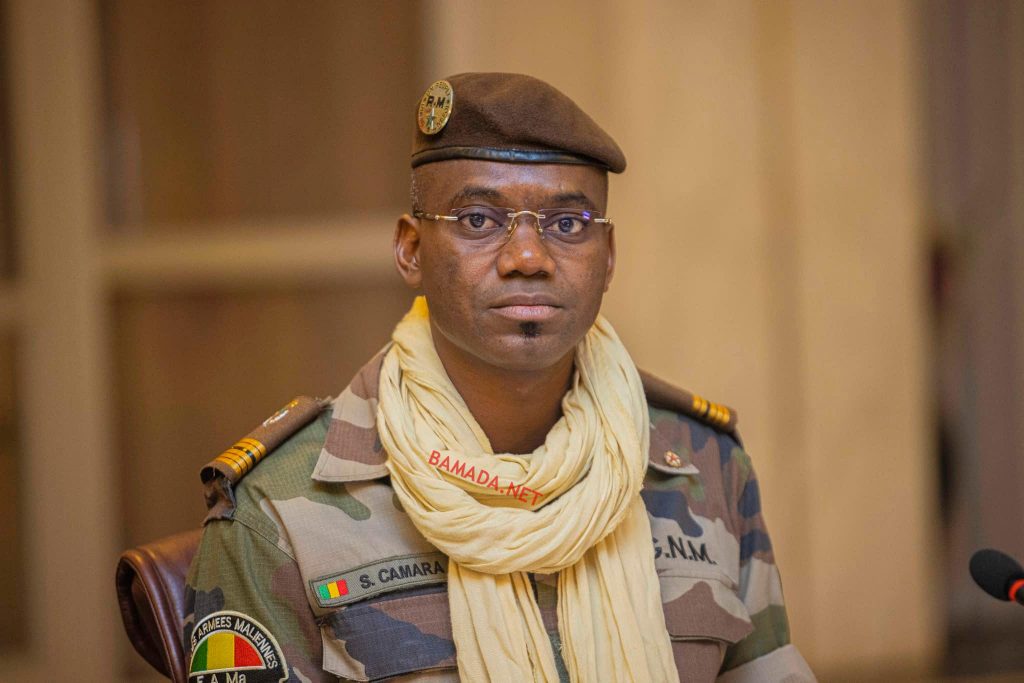
The assassination of Mali Defence Minister Sadio Camara marks a chilling escalation in the ongoing instability gripping the country. Killed in a brazen terrorist attack at his residence in Kati, Camara’s death underscores the deteriorating security situation that has plagued Mali in recent years. The attack was reported to be part of a series of coordinated strikes across the nation, prompting fears of a deeper crisis fueled by groups such as Al-Qaeda in Mali. With violence increasing dramatically, the tragic event not only claims a high-profile victim but also raises troubling questions about the government’s ability to protect its officials amid rising extremist threats. This incident is a stark reminder of the urgent need for comprehensive strategies to address the escalating violence in Mali and to restore stability in the region.
The recent murder of Mali’s top military official symbolizes a grave turning point in the nation’s security landscape. Sadio Camara’s killing is emblematic of the broader atmosphere of unrest, where terrorist factions are increasingly emboldened to target prominent figures. This tragic event illustrates a significant intersection of political and military challenges, exacerbated by armed groups operating under the influence of international terrorism. As the security climate deteriorates, Mali’s government faces mounting pressure to confront both insurgent threats and the implications of international conflicts that reverberate within its borders. The assassination not only disrupts the nation’s leadership but also serves as a stark warning of the complexities involved in combating a multifaceted crisis.
Impact of the Assassination of Mali Defence Minister Sadio Camara
The assassination of Defence Minister Sadio Camara marks a critical point in Mali’s ongoing struggle with internal conflict and escalating violence. The assassination underlines not just the precarious nature of the country’s security situation, but also reflects the deeper issues stemming from the persistent presence of terrorist groups like Al-Qaeda in Mali. With the responsibility for Camara’s killing being claimed by the Jama’at Nusrat al-Islam wal-Muslimin, the violence is emblematic of the concerning trends of increasing terrorist activities, which threaten the stability and wellbeing of the citizens in Mali.
Moreover, this targeted killing has the potential to exacerbate tensions within the region. The joint operation that resulted in Camara’s death, involving both Islamist militants and separatist groups, signals a formidable coalition that could intensify future attacks. As Mali faces the combined threat of extremist factions and military operations, the government may find it increasingly challenging to maintain order and protect its population from the looming threat of terrorism.
Escalating Violence and Its Roots in Mali
Mali’s security situation continues to deteriorate amid rising aggression from terrorist factions. The recent events following the assassination of Sadio Camara have compelled many to scrutinize the roots of escalating violence in Mali. Reports suggest that the intertwining of militant groups and local separatists is a byproduct of longstanding grievances, notably around issues of governance and resource distribution. The resurgence of militants like those affiliated with Al-Qaeda emphasizes how unresolved conflicts can allow extremism to proliferate, potentially destabilizing not just Mali but the wider region.
The brutal reality of such violence is underscored by the frightening frequency of terrorist attacks, as witnessed during the recent wave of assaults in Bamako and surrounding areas. Residents find themselves caught in a cycle of fear and uncertainty, as attacks disrupt daily life and lead to civilian casualties. The international community has voiced concern, reiterating the need for significant support to address both the immediate and prolonged impacts of these acts of violence, which threaten the social fabric and democratic processes in Mali.
The Role of International Community in Mali’s Security Crisis
In the wake of escalating violence and the tragic assassination of Sadio Camara, the role of the international community in stabilizing Mali has become even more pronounced. The insurgency driven by Al-Qaeda-affiliated groups demands not only regional responses but also international engagement to enhance security measures. Organizations such as the United Nations have already expressed condemnation of the violence and called for protection of civilians, highlighting the urgency for a cohesive strategy to fortify Mali’s governance structures.
Moreover, collaboration among international partners is essential to address the multi-faceted crises in Mali. Support could encompass not only military assistance but also programs aimed at socio-economic development and reconciliation efforts to curb the allure of extremist ideologies. A coordinated effort could play a vital role in reversing the current trajectory of violence, ensuring a safer environment for citizens, and restoring hope for peaceful coexistence in Mali.
The Complexity of Terrorism and Governance in Mali
The assassination of key political figures like Sadio Camara sheds light on the intricate relationship between governance challenges and terrorism in Mali. Governance shortcomings have historically provided a fertile ground for extremist groups to exploit societal divides, leading to escalating violence and insecurity. Militant groups, many operating under the banner of Al-Qaeda, have capitalized on the frustrations of marginalized communities, creating a toxic blend of terrorism and political instability.
Additionally, the emergence of collaborations between separatist groups and extremists complicates the government’s approach to combating terrorism. The recent attacks reflect the growing coordination among various factions, presenting a significant challenge to Mali’s military and political leadership. To effectively address these dynamics, efforts must not only focus on military engagement but equally prioritize dialogue, community engagement, and long-term governance reforms that address the underlying causes of conflict.
Mali’s Proactive Measures Post-attack
In the aftermath of Defence Minister Sadio Camara’s assassination, the Malian government has taken immediate steps to secure the nation amid fears of further attacks. Authorities imposed a three-day curfew in Bamako, highlighting the urgent need to restore order in a city that has become a focal point for recent violence. Such decisions reflect a broader strategy aimed at containing the threat posed by terrorist groups that continue to exploit instability through coordinated assaults.
Alongside curfews, the mobilization of military resources remains a pivotal response to the heightened security challenges in Mali. Military operations are being intensified not just to prevent future attacks but also to regain public confidence. However, these actions must be complemented by longer-term strategies that include improving intelligence operations and community policing efforts to effectively dismantle networks of violence and establish a credible law enforcement presence.
Public Response to the Rising Terrorist Threat in Mali
As the security landscape in Mali becomes increasingly perilous, public sentiment towards the government’s ability to combat terrorism is understandably fraught with anxiety. The assassination of a high-profile figure like Sadio Camara has triggered a wave of fear among civilians who feel their safety is compromising further. This growing disenchantment jeopardizes the government’s authority and political stability, as citizens look to their leaders for reassurance and effective action against terrorist threats.
Community responses, including public protests or calls for governmental accountability, indicate a populace that demands both immediate action and comprehensive plans to counter escalating violence. Local and international advocacy for civilian protection is crucial, emphasizing the need for a community-driven approach that engages citizens in developing prevention strategies while cultivating resilience against extremist narratives that exacerbate divisions.
Collaboration Between Nations to Tackle Extremism
Faced with the threat of terrorism represented by groups like Al-Qaeda, regional and international cooperation is paramount for Mali to effectively counter extremism. As the violence escalates following the assassination of Defence Minister Sadio Camara, collaboration among neighboring nations within the Sahel region is critical. Joint military operations and intelligence sharing can bolster efforts to dismantle the networks responsible for orchestrating attacks and ensure a coordinated response to this complex crisis.
Furthermore, international partners, including NGOs and development organizations, can play enhanced roles by promoting strategic initiatives that focus on education, economic empowerment, and conflict resolution. Building partnerships can help address the root causes of discontent that fuel extremism, providing the Malian people with alternatives that discourage recruitment into militant groups and fostering environments where civilians feel safe and valued.
Mali’s Future Amidst Rising Extremism
The future of Mali, particularly after the assassination of a such crucial political figure, hangs in a delicate balance between the forces of extremism and governance. The trend of escalating violence presents not just immediate risks but also significant long-term implications for the nation’s stability. With terrorist factions like those aligned with Al-Qaeda increasingly collaborating with local insurgents, there is a pressing need for a comprehensive security strategy that encompasses military, political, and community engagement.
As Mali navigates this tumultuous landscape, success or failure will largely depend on its leaders’ ability to unite various segments of society, thereby restoring trust and fostering resilience against terrorism. The international community’s support and intervention can bolster these efforts, yet it ultimately falls on the Malian government to implement effective policies that not only address security concerns but also promote peace, stability, and a unified national identity.
Local Voices on Mali’s Security and Stability
In the wake of widespread violence and the recent assassination of Defence Minister Sadio Camara, local voices across Mali express both fear and resilience. Many residents share concern about the deteriorating security situation, indicating a palpable anxiety regarding their personal safety and the safety of their communities amidst escalating terrorist attacks. The public discourse increasingly reflects a deep desire for both accountability from political leaders and a proactive engagement in security matters.
Community leaders, activists, and ordinary citizens alike are beginning to advocate for solutions that emphasize local security measures in conjunction with national efforts against terrorism. This grassroots engagement is vital to creating a more secure environment and illustrates the understanding that effective responses to extremism must involve the very people who are most affected by violence. By fostering a culture of dialogue and collaboration, Mali can move toward a future where community safety is prioritized alongside the fight against terrorism.
Frequently Asked Questions
What were the circumstances surrounding the assassination of Mali Defence Minister Sadio Camara?
Mali Defence Minister Sadio Camara was assassinated in a terrorist attack at his residence in Kati on April 26, 2026. This incident occurred amid a surge of escalating violence in Mali, involving coordinated assaults from both separatist groups and Islamist militants linked to Al-Qaeda. Reports indicate that the attack was part of a significant escalation in the already deteriorating security situation in the country.
| Key Point | Details |
|---|---|
| Assassination of Sadio Camara | Defence Minister Sadio Camara was killed during an attack on his residence in Kati. |
| Coordinated Attacks | Multiple simultaneous assaults occurred across Mali, including in Bamako, the capital. |
| Involvement of Militants | The attack was executed by a collaboration of Al-Qaeda-linked militants and Tuareg separatists. |
| Casualties and Impact | At least 16 people were reported injured, including civilians and security forces. |
| Government Response | A three-day curfew was imposed in Bamako, and security forces were deployed extensively. |
| International Reaction | Antonio Guterres condemned the violence, highlighting the need to protect civilians. |
Summary
The Mali Defence Minister assassination marks a tragic escalation in the ongoing conflict within the nation. Sadio Camara’s death, resulting from a brazen attack linked to a collaboration between separatist and Islamist groups, underscores the deteriorating security situation in Mali. As violence spreads across key areas, the implications are severe, prompting government and military response in an urgent bid to protect civilians amid this crisis. The assassination not only highlights the vulnerabilities of state power in the face of extremist threats but also raises critical concerns regarding the safety and future of Mali as it battles such unprecedented turmoil.