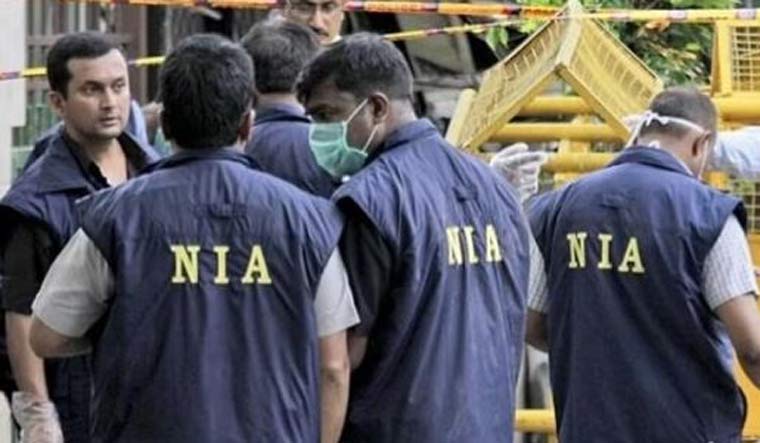
The recent West Bengal bomb explosion has shocked the local community, as a devastating blast claimed one life and left three others severely injured in South 24 Parganas district. The National Investigation Agency (NIA) swiftly responded by arresting key suspect Ahidul Islam Molla, whose involvement in this tragic incident has raised serious concerns over safety and security in the region. Initial investigations suggest that the explosion occurred during bomb assembly, highlighting the potential dangers associated with such activities. Furthermore, the ongoing bomb blast investigation aims to uncover the broader conspiracy behind this incident, shedding light on criminal networks operating in West Bengal. As more details emerge, the latest West Bengal explosion news reflects both the urgency of law enforcement’s efforts and the community’s demand for justice and accountability.
In the wake of the disturbing event in West Bengal, referred to as the bomb explosion incident, authorities have been working tirelessly to piece together the circumstances surrounding this tragic occurrence. This recent blast, which led to the unfortunate death of a local resident and injuries to others, underscores the risks associated with illicit explosive manufacturing in the region. Investigators from the National Investigation Agency (NIA) are delving into the details, having apprehended Ahidul Islam Molla, the alleged mastermind behind the explosion. As the bomb blast inquiry progresses, it aims not only to bring justice to the victims but also to dismantle the larger network responsible for such hazardous acts. The community remains on edge, closely following updates and developments related to this case in West Bengal.
Understanding the West Bengal Bomb Explosion Incident
On March 2026, a tragic bomb explosion rocked Dakshin Bamunia village in West Bengal’s South 24 Parganas district, leading to the death of one individual and serious injuries to three others. This devastating incident not only highlights the dangers of illegal bomb manufacturing but also raises concerns about public safety in the region. The area has seen a surge in criminal activities related to explosives, prompting law enforcement agencies, particularly the National Investigation Agency (NIA), to take action against those involved in such hazardous operations.
The NIA’s investigation into the West Bengal bomb explosion revealed a disturbing trend of conspiracy and crime surrounding improvised explosive devices. Their findings suggest that Ahidul Islam Molla, arrested as the prime accused, was deeply involved in a network that enabled the production and assembly of these bombs. This incident underscores the urgent need for stringent measures to combat the rising threats of terrorism and violence associated with explosive devices in West Bengal.
NIA’s Action and Arrest of Ahidul Islam Molla
In a significant breakthrough in the bomb blast investigation, the NIA arrested Ahidul Islam Molla, a key player in the unlawful activities surrounding the West Bengal explosion. The agency’s proactive approach not only aims to bring justice for the victims but also seeks to dismantle the networks that facilitate such dangerous pursuits. Molla’s arrest follows the NIA’s analysis of evidence linking him to the tragic incident that occurred during the bomb’s assembly process, marking a decisive move in ensuring the safety of local communities.
The investigation led by the NIA highlighted that Molla’s involvement was not a solitary action but rather a part of a more extensive conspiracy. As authorities delve deeper into the case, they uncover connections that might point to a larger network of individuals operating within South 24 Parganas district. By apprehending suspects and gathering evidence, the NIA aims to prevent future catastrophes and restore public confidence in safety measures against burgeoning threats of violence and related activities.
The Impact of Bomb Explosions on West Bengal Communities
The bomb explosion incident in West Bengal has had significant repercussions for the local community, instilling fear among residents and highlighting the pressing need for enhanced security measures. Such explosions not only cause physical harm but also create a sense of insecurity that can alter the fabric of daily life. The aftermath of the March 2026 explosion has left families grieving and has raised concerns over the safety and stability of the region.
Furthermore, the psychological impact of such violent occurrences is profound, affecting community cohesion and trust in law enforcement agencies. Local organizations and residents are now more vocal about their concerns regarding safety and the need for proactive measures to combat illegal arms and explosives trading. The response from the NIA and other law enforcement bodies is critical in reassuring communities that their safety is paramount and that steps are being taken to prevent future incidents.
The Role of NIA in Handling Explosion Cases
The National Investigation Agency (NIA) plays a pivotal role in addressing serious crimes such as bomb explosions in India, acting swiftly to investigate and mitigate threats to national security. In the case of the West Bengal bomb explosion, the NIA’s swift action led to the apprehension of prime suspect Ahidul Islam Molla, and their determination to unravel a complex web of conspiracies surrounding illegal bomb manufacturing was paramount. By targeting the root causes, the NIA aims to disrupt networks that pose risks to public safety.
Through its comprehensive investigations, the NIA not only pursues justice for victims but also aims to educate the public on the dangers of explosive devices and the importance of vigilance. The agency’s focus on thorough investigations and cooperation with local law enforcement leads to more effective strategies in safeguarding communities from similar incidents, fostering a safer environment for residents in West Bengal and beyond.
Community Response to the Bombing Incident
The response from the West Bengal community following the bomb explosion in March 2026 has been one of shock and outrage. Residents of Dakshin Bamunia village and surrounding areas have expressed their dismay at the increased violence and criminal activities, demanding greater accountability and action from local authorities. Community groups have begun organizing meetings to discuss safety measures and prevention strategies, realizing that collaboration is essential in creating a safer environment.
Moreover, local leaders have called for increased police presence and community outreach programs focused on educating residents about recognizing and reporting suspicious activities. The goal is to empower individuals to take an active role in their community’s safety, thus helping to prevent any recurrence of harrowing events similar to the West Bengal bomb explosion that claimed lives and disrupted the sense of security in the region.
Investigating the Background of Bomb Manufacturing in West Bengal
The investigation into bomb manufacturing practices in West Bengal reveals a concerning trend linked to organized crime and drug trafficking. Such illicit activities have unfortunately led to a dangerous proliferation of explosive devices, evidenced by incidents like the recent bomb explosion in South 24 Parganas. Authorities are increasingly aware that this problem is not isolated; it reflects broader criminal undertakings that need to be addressed through comprehensive strategies, including community engagement and stringent law enforcement.
The recent arrest of Ahidul Islam Molla illustrates the NIA’s commitment to tackling these issues head-on. By focusing on the production and distribution networks for explosives, investigators can dismantle the systems that facilitate such violence. It is essential for governmental and non-governmental organizations to collaborate on preventive measures to educate the public about the risks associated with explosives and to foster a culture of zero tolerance towards crime.
The Legal Implications of the Bomb Explosion Case
The legal implications following the bomb explosion in West Bengal are profound, particularly as the NIA embarks on prosecuting Ahidul Islam Molla and potentially others connected to the case. The layers of conspiracy and the nature of the bomb manufacturing present a multifaceted legal challenge, emphasizing the importance of diligent investigative processes to ensure justice is served. Legal experts anticipate various charges related to terrorism, public endangerment, and possession of illegal explosives.
As the case unfolds, it plays a crucial role in shaping legal precedents concerning how bomb-related crimes are prosecuted in India. The outcome will not only affect the accused but also establish a framework for future cases involving similar explosive offenses. The legal discourse surrounding such incidents further underscores the need for clearer regulations and deterrents against the production and use of explosives, particularly within crime-riddled areas.
Safety Measures and Preventive Strategies Post-Explosion
In the wake of the West Bengal bomb explosion, local authorities and law enforcement agencies are compelled to reevaluate safety measures aimed at preventing similar incidents. Strategic initiatives include increased surveillance in areas known for illicit activities and community awareness programs to report suspicious behavior. By reinforcing these safety protocols, local governments can enhance public security and promote a culture of vigilance among residents.
Moreover, collaboration between agencies like the NIA and local law enforcement can yield more effective outcomes in terms of controlling the illegal arms trade and weapon manufacturing. This proactive approach is vital in constructing a future where the fear of bomb explosions becomes minimal, as communities feel empowered and protected against such criminal acts.
The Future of Security in West Bengal
Looking ahead, the security landscape in West Bengal must evolve to address both the immediate and long-term threats posed by bomb explosions and related crimes. The proactive stance taken by the NIA following the recent explosion demonstrates a commitment to tackling these issues comprehensively. Enhanced training for law enforcement, better coordination among agencies, and community engagement initiatives can significantly alter the region’s safety dynamics.
As West Bengal continues to confront the challenges of illegal explosives and associated criminal activities, it is critical for both the government and community organizations to maintain an active partnership. Strategies must be tailored to meet the unique needs of each locality, ensuring continued vigilance and preparedness against potential threats. The path ahead necessitates resilience and collaboration, creating a safer West Bengal for all its residents.
Frequently Asked Questions
What details are available about the recent West Bengal bomb explosion and Ahidul Islam Molla’s arrest?
The recent bomb explosion in West Bengal occurred in March 2026 in Dakshin Bamunia village, South 24 Parganas district, resulting in one death and three injuries. The National Investigation Agency (NIA) arrested Ahidul Islam Molla, identified as the prime accused and key co-conspirator in this incident. Investigations revealed that the explosion happened while bombs were being manufactured, underlining Molla’s involvement in a larger conspiracy related to explosives.
| Key Points | Details |
|---|---|
| Incident Overview | A bomb explosion occurred in West Bengal’s Dakshin Bamunia village, resulting in one death and three serious injuries. |
| Accused Arrested | Ahidul Islam Molla was arrested by the NIA for his involvement as the prime accused in the bombing incident. |
| Conspiracy Details | Molla is believed to be part of a larger conspiracy involving bomb manufacturing and attempts to destroy evidence. |
| Previous Arrests | Prior to Molla’s arrest, another individual was also detained by the West Bengal Police in relation to the case. |
| Investigation Status | The NIA is continuing its investigation to uncover the extent of the conspiracy and the individuals involved. |
Summary
The West Bengal bomb explosion highlights the serious dangers associated with illegal bomb manufacturing and conspiracy activities in the region. The National Investigation Agency (NIA) has made a significant breakthrough by apprehending Ahidul Islam Molla, the prime accused in this tragic incident that resulted in one fatality and multiple injuries. The ongoing investigation aims to unravel the complex network behind these unlawful activities, underlining the NIA’s commitment to public safety and justice. As authorities continue to probe the case, it serves as a reminder of the potential threat posed by explosive devices and the importance of stringent law enforcement in preventing such disasters in West Bengal.