

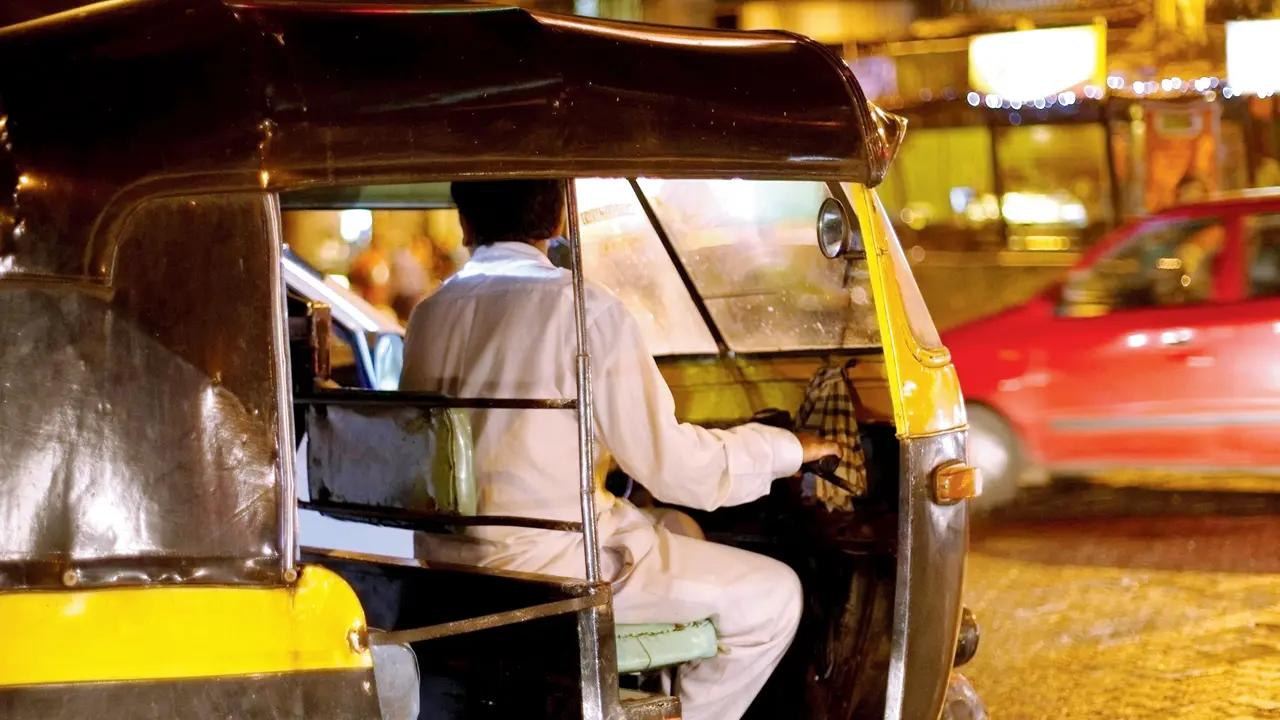
In a significant announcement regarding the Maharashtra taxi driver language policy, Transport Minister Pratap Sarnaik revealed that the enforcement of language compliance requirements for taxi and auto-rickshaw drivers will take a more gradual approach starting May 1. Initially threatening to revoke licenses for drivers failing to demonstrate proficiency in Marathi, the government has opted for a phased campaign focused on awareness and training instead. This change comes amidst mounting pressure from the Mumbai Autorickshawmen’s Union, which has now cancelled a planned protest in response to the minister’s decision. Emphasizing the importance of Marathi language compliance, this initiative reflects ongoing concerns over driver communication and service quality in Maharashtra’s transport sector. As the latest updates circulate in Maharashtra transport news, the focus will shift towards implementing inclusive training programs, essential for the future of taxi services in bustling cities like Mumbai.
The recent developments surrounding the policy for taxi drivers in Maharashtra highlight a broader initiative aimed at enhancing language proficiency among transport operators. Known colloquially as the Marathi language compliance initiative, these requirements are particularly significant for auto-rickshaw and taxi drivers throughout the state. In an evolving transport ecosystem, ensuring that drivers can effectively communicate in the local language fosters better interactions with passengers and improves overall service quality. With the phased implementation of the new compliance standards, authorities are prioritizing education over penalties, a move that might reshape driver training in Mumbai and beyond. As the transport ministry gears up for this transition, the emphasis on linguistic capability could very well redefine the standards for public transportation in Maharashtra.
Maharashtra Taxi Driver Language Policy: A Step towards Inclusivity
The Maharashtra transport minister Pratap Sarnaik’s recent announcement about the temporary halt in revoking licenses for taxi and auto-rickshaw drivers reflects a significant shift in approach regarding the Maharashtra taxi driver language policy. This decision, set against the backdrop of a firm Marathi language requirement, aims to foster a culture of inclusivity without causing disruption among the driver community. The phased campaign planned involves awareness creation, verification, and comprehensive training, which will empower drivers to meet language requirements adequately. This strategy not only alleviates immediate pressure on drivers but also emphasizes a long-term commitment to linguistic compliance within the state’s transport sector.
In practical terms, this means that from May 1, there will be no drastic penalties for non-compliance just yet. Instead, the government is prioritizing education and adaptation, ensuring that drivers can engage effectively with passengers while respecting the local language’s significance. The decision to call off the protest by the Mumbai Autorickshawmen’s Union further signifies a collaborative effort between the government and drivers, aiming for smoother implementation of this policy. By integrating training programs for taxi drivers, the government addresses a crucial aspect of service delivery in Maharashtra’s bustling transportation landscape.
Challenges in Implementing Marathi Language Compliance
Despite the positive reception of the Maharashtra taxi driver language policy, challenges remain in its implementation. Many drivers, especially those who have recently moved to the bustling cities like Mumbai and Thane, may not have a strong grasp of Marathi, which can lead to communication barriers with local passengers. The government’s initiative to introduce targeted training can help mitigate this issue, enabling drivers to improve their language skills progressively. However, participation in these programs could be influenced by various factors, including time constraints, financial concerns, and personal motivation.
Additionally, the disparity in language proficiency among drivers can create disparities in job performance and customer satisfaction. The auto-rickshaw driver language requirement not only serves as a means of ensuring quality service but also reinforces cultural integration within the diverse urban ecosystem. The phased awareness campaign must therefore be equipped with adequate resources and outreach to effectively engage drivers from all backgrounds, ensuring that the language compliance policy successfully strengthens the bond between the drivers and the communities they serve.
Mumbai Taxi Driver Training: Enhancing Service Quality
The emphasis on Mumbai taxi driver training as a vital component of the Maharashtra taxi driver language policy stands out as an essential measure for enhancing service quality. As travelers increasingly seek not just transportation but a seamless experience, well-trained drivers who understand local languages can significantly uplift passenger satisfaction. Training programs can cover various aspects, from basic Marathi communication skills to customer service etiquette, ultimately refining the overall service quality offered by taxi and auto-rickshaw drivers across Maharashtra.
Moreover, effective training paves the way for better interaction between drivers and passengers, fostering a welcoming environment for tourists and locals alike. As the Maharashtra minister’s decision showcases a commitment to improving driver competence, it also invites other states to consider similar reforms. By addressing language barriers, Mumbai’s taxi and auto sectors can evolve, aligning services with modern expectations while maintaining rich cultural dialogues. This is crucial in a diverse metropolis where effective communication can influence a customer’s journey, safety, and overall experience.
Maharashtra Transport News: Updates on Language Policies
The latest Maharashtra transport news reflects the evolving landscape of regulations governing taxi and auto services in the state, particularly regarding language compliance. With the recent announcement regarding the suspension of license revocation for non-compliant drivers, stakeholders are keenly observing how this affects the transport sector. This decision illustrates the government’s effort towards balancing regulatory frameworks with the realities of everyday operations faced by transport professionals. Staying informed on these updates is pivotal for drivers, unions, and passengers alike, ensuring everyone adapts to the necessary changes in regulations.
Additionally, ongoing discussions among government officials and transport unions highlight the collaborative efforts aimed at creating a more organized and respectful transport environment. The current situation invites dialogue on the critical role that language plays in enhancing service standards and the identity of Maharashtra’s transportation services. As changes unfold, stakeholders can leverage social media and news outlets to stay engaged with the policy developments that directly impact their livelihoods and commuting experiences.
The Role of Unions in Language Compliance Advocacy
The involvement of transportation unions in discussions surrounding Maharashtra taxi driver language policy showcases their pivotal role in advocating for the rights and needs of drivers. The Mumbai Autorickshawmen’s Union has demonstrated their ability to influence decision-making by calling off previously planned protests and negotiating terms that support their members. Their collaborative dialogue with the government underlines the importance of union representation, ensuring that changes in policy reflect the perspectives and realities of drivers who are often on the front lines of service delivery.
Moreover, unions can act as a bridge between the government and the driver community, facilitating the dissemination of information regarding new training programs and language requirements. By educating their members on these policies, unions can help enhance compliance and improve drivers’ confidence in using the Marathi language during interactions with passengers. This relationship not only supports regulatory adherence but also fosters a sense of community and mutual respect among drivers and their clientele.
Leveraging Technology in Taxi Driver Training
The implementation of technology in the training of taxi drivers in Maharashtra could significantly enhance language compliance and overall service effectiveness. E-learning modules, mobile applications, and interactive platforms can provide flexible learning opportunities for drivers who may have busy schedules. By integrating language tools into these platforms, the government can make learning Marathi more accessible and engaging for individuals from diverse backgrounds. This technology-driven approach complements traditional training methods and ensures that drivers can practice and perfect their language skills at their own pace.
Furthermore, utilizing technology not only empowers drivers to comply with the Marathi language requirement but also elevates their service delivery capabilities. With access to language proficiency resources and customer service tutorials online, drivers can engage more effectively with their passengers, fostering a positive commuting atmosphere. As Maharashtra progresses toward embracing a more technologically integrated transport sector, the potential for improved driver training and service quality is immense, promising a future where language barriers are significantly reduced.
Marathi Language Compliance: Cultural Significance
The push for Marathi language compliance in the taxi and auto-rickshaw sectors of Maharashtra extends beyond mere regulatory requirements; it encapsulates the cultural essence of the state. By mandating that drivers possess a working knowledge of Marathi, the government aims to preserve the linguistic heritage of Maharashtra while promoting a sense of unity among its inhabitants. This initiative is particularly relevant in a cosmopolitan city like Mumbai, where multilingualism is prevalent, yet the local language remains a cornerstone of Maharashtra’s identity.
Moreover, encouraging drivers to learn and use Marathi fosters a more welcoming environment for both locals and tourists, where cultural exchange can flourish. Communication in the local language enhances interpersonal connections, enabling drivers to share their cultural narratives and provide a richer experience for passengers. As Marathi language compliance takes center stage in the transport sector, it also emphasizes the importance of cultural sensitivity and respect, thereby cultivating a more inclusive atmosphere throughout Maharashtra.
The Impact of Language Policy on Passenger Experience
The implementation of the Marathi language requirement for taxi and auto-rickshaw drivers is set to have a profound impact on passenger experiences throughout Maharashtra. Improved communication between drivers and passengers can lead to more efficient services and greater customer satisfaction. Riders are likely to feel more comfortable and valued when their drivers can engage them in their native language, fostering a sense of trust and rapport that enhances the overall journey.
Furthermore, as drivers become more adept at using Marathi, they can provide better context and guidance to passengers unfamiliar with the city. This change not only facilitates smoother interactions but also enriches the travel experience, as drivers are often the first point of contact for visitors in a bustling metropolis like Mumbai. The cumulative effect of these improvements will ultimately strengthen the reputation of Maharashtra’s public transport system, showcasing its commitment to service excellence and cultural inclusivity.
Future Prospects for Maharashtra’s Transportation Sector
Looking ahead, the future prospects for Maharashtra’s transportation sector in light of the language policy are promising. The phased approach to driver training and awareness campaign signifies a structured pathway toward greater compliance and improved service standards. As enforcement of the Marathi language requirement evolves, the focus on supportive measures rather than punitive actions could lead to a more sustainable model for compliance that benefits both drivers and passengers alike.
Additionally, as this policy gains traction, Maharashtra may serve as a blueprint for other states grappling with similar challenges. By prioritizing language training and awareness, governments across India can look to foster a more inclusive and efficient transportation network. The successful integration of the Marathi language compliance into daily practices among drivers will not only enhance operational efficiency but also reaffirm the cultural pride of the region, creating a win-win scenario for all stakeholders involved.
Frequently Asked Questions
What is the Maharashtra taxi driver language policy announced by the transport minister?
The Maharashtra taxi driver language policy, announced by Minister Pratap Sarnaik, emphasizes the requirement for auto and taxi drivers to have knowledge of the Marathi language. Although a decision to revoke licenses for non-compliance was put on hold, authorities are focusing on a phased campaign that includes awareness, verification, and training to ensure compliance with the Marathi language requirement.
| Key Points |
|---|
| The Maharashtra transport minister Pratap Sarnaik announced a hold on revoking licenses and permits for auto and taxi drivers due to non-compliance with the Marathi language requirement. |
| A phased campaign will focus on awareness, verification, and training regarding the Marathi language. |
| The Mumbai Autorickshawmen’s Union has cancelled its protest scheduled for May 4 following the announcement. |
Summary
The Maharashtra taxi driver language policy has received considerable attention, especially with the recent announcement by transport minister Pratap Sarnaik. The initiative, originally set to enforce a mandatory Marathi language requirement for auto and taxi drivers, has now been placed on hold. This decision aims to ensure that drivers are equipped with the necessary language skills through a comprehensive phased approach focusing on awareness, verification, and training. The Mumbai Autorickshawmen’s Union’s decision to call off their protest on May 4 indicates a collective move towards collaboration rather than confrontation, fostering a supportive environment for drivers in Maharashtra.



























