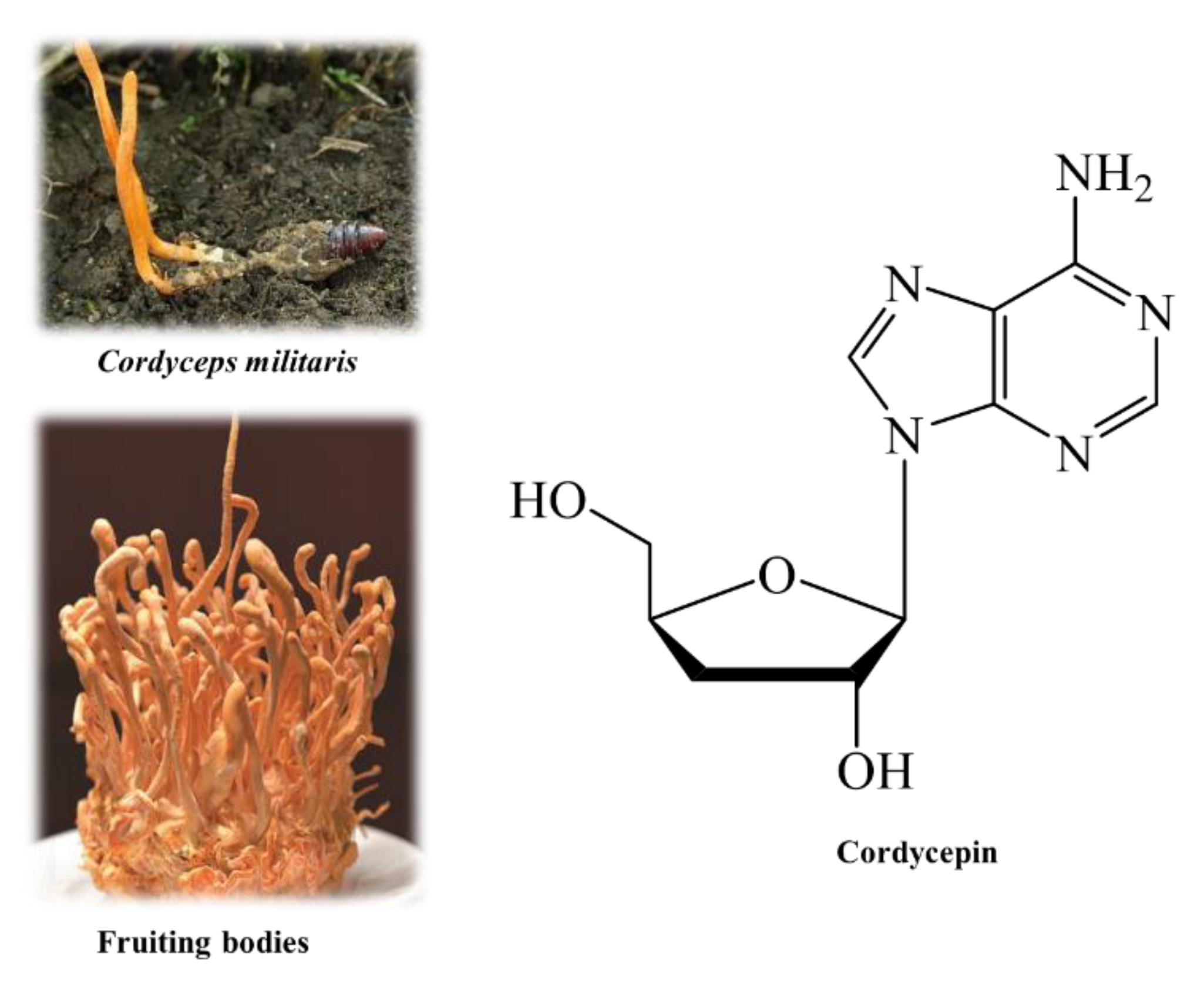
Cordyceps, a rare and highly valued medicinal mushroom, has recently gained attention following its discovery in the East Siang district of Arunachal Pradesh. This remarkable finding, made by a team from the Central Agriculture University, has positioned Cordyceps at the forefront of mycological research, particularly due to its numerous health benefits. Renowned for its potent bioactive compounds, Cordyceps has been linked to significant medicinal properties, ranging from immune system enhancement to anti-inflammatory effects. As dubbed the ‘Himalayan Gold,’ this unique fungus not only contributes to local biodiversity but also paves the way for innovative studies on the therapeutic potential of medicinal mushrooms. The exciting implications of this discovery extend to various fields, including pharmacognosy and biotechnology, suggesting a revolutionary step for natural medicine in combating chronic diseases through the benefits of Cordyceps.
The enchanting world of medicinal fungi introduces us to a remarkable organism known as Cordyceps. This unique fungus, often referred to as ‘Himalayan Gold,’ is celebrated for its impressive array of health-promoting compounds. The significance of Cordyceps extends beyond its rarity; it serves as a beacon of potential in the study of bioactive compounds in mushrooms, opening doors to extensive pharmaceutical applications. With its extensive history in traditional medicine, Cordyceps embodies the perfect intersection of natural healing and modern science. The recent discovery of this mushroom in Arunachal Pradesh highlights not only its medicinal promise but also the importance of biodiversity conservation.
The Remarkable Discovery of Cordyceps in Arunachal Pradesh
In a groundbreaking exploration in the East Siang district of Arunachal Pradesh, researchers from the Central Agricultural University unveiled the rare mushroom, Cordyceps. This extraordinary find not only enriches the biodiversity of the region but also highlights the significant medicinal properties associated with Cordyceps. The discovery, spearheaded by a dedicated team comprising Assistant Professor Dr. Senpon Ngomle and researchers Dr. Yengkhom Disco Singh and P. Chattopadhyay, underscores the global importance of this fungi, previously revered in traditional medicine and often dubbed ‘Himalayan Gold’ due to its exceptional value.
Cordyceps mushrooms thrive at high altitudes, making this particular discovery even more captivating as it occurs in a relatively low-altitude area. This unique aspect positions the East Siang region not just as a habitat for a rare species, but also as a potential hub for future research and sustainable practices surrounding the cultivation of Cordyceps. The implications of such findings resonate with the growing interest in medicinal mushrooms, particularly regarding their bioactive compounds that are crucial for health and wellness.
Exploring the Benefits of Cordyceps and Its Bioactive Compounds
Cordyceps has long been recognized for its extensive health benefits, thanks in large part to the bioactive compounds it contains, such as cordycepin and polysaccharides. These compounds have been the focus of numerous studies highlighting their immunomodulatory and antioxidant properties. They play a crucial role in supporting immune function, which can help in the prevention of various diseases. Additionally, the anti-inflammatory and antimicrobial features of Cordyceps make it a promising candidate for therapeutic applications, particularly in combating chronic inflammation and infections.
The medicinal potential of Cordyceps goes beyond mere immunity support; recent pharmacological research suggests that these mushrooms can significantly contribute to cancer management and metabolic health. By affecting cellular processes, Cordyceps bioactive compounds have shown promise in hindering tumor growth and supporting tissue repair mechanisms. As more scientists delve into the mysteries of medicinal mushrooms, the full scope of cordycepin and adenosine’s therapeutic applications continues to unfold, making Cordyceps an invaluable asset in contemporary healthcare.
The Economic and Biogeographical Importance of Cordyceps
The discovery of Cordyceps in Arunachal Pradesh carries substantial economic implications for local communities, particularly through sustainable cultivation practices. Recognized as ‘Himalayan Gold’, this mushroom not only represents a valuable resource but also serves as a beacon of potential economic growth and development in the region. The local government is already taking steps to promote the cultivation and commercial utilization of Cordyceps, thereby enhancing livelihoods while preserving the ecosystem.
From a biogeographical perspective, the presence of Cordyceps at lower altitudes challenges previous assumptions about its habitat preferences, prompting a reevaluation of biodiversity standards in this area. It signals that regions like East Siang may harbor unique ecosystems that support not just Cordyceps but a variety of other medicinal mushrooms. Such findings could inspire further exploration, leading to broader conservation and research initiatives that are essential for understanding and protecting these valuable natural resources.
Medicinal Mushrooms: A Growing Interest in Natural Remedies
In recent years, the interest in medicinal mushrooms has surged as more individuals seek natural remedies for various health concerns. The allure of mushrooms like Cordyceps stems from their rich composition of bioactive compounds that offer numerous health benefits. This trend reflects a broader shift towards holistic health and wellness approaches where natural products are valued for their therapeutic properties.
As research continues to uncover the myriad benefits of medicinal mushrooms, consumers are becoming more educated about their potential. Cordyceps stands at the forefront of this movement, showcasing how ancient knowledge of fungi can integrate with modern science to provide effective health solutions. The ongoing studies about Cordyceps and its medicinal properties not only inform consumers but also drive the demand for sustainable harvesting and cultivation methods, impacting both local economies and health practices worldwide.
Harnessing the Power of Bioactive Compounds in Cordyceps
The bioactive compounds in Cordyceps are a focal point of ongoing research, known for their wide-ranging therapeutic benefits. Compounds like cordycepin and polysaccharides have been shown to possess remarkable properties that can enhance immune response and combat oxidative stress. Understanding these compounds better not only advances scientific knowledge but also presents new opportunities for developing health supplements and functional foods that leverage the therapeutic potentials of these mushrooms.
Moreover, scientists are exploring the full spectrum of Cordyceps’ bioactive compounds to potentially unveil additional health benefits. From traditional uses in Chinese medicine to modern applications in Western pharmacology, the quest to harness these compounds is creating a cross-disciplinary focus on how natural products can contribute to health advancements. The future looks promising as discoveries in this area may lead to new innovations in healthcare and therapies.
Cordyceps and Its Role in Cancer Research
The implications of Cordyceps in cancer research are significant, with numerous studies indicating its potential to aid therapeutic strategies. Researchers are particularly interested in cordycepin, a compound found in Cordyceps, which has shown activity against various types of cancer cells. This has led to a growing body of research focused on how incorporating Cordyceps into treatment protocols can enhance outcomes for cancer patients.
Understanding the mechanisms by which Cordyceps influences cancer biology is crucial for developing effective treatment approaches. Preliminary findings suggest that its bioactive compounds may help inhibit tumor growth and promote apoptosis, or cell death, in malignant cells. As scientists continue to explore these avenues, Cordyceps could emerge as a vital ingredient in holistic cancer therapies, paving the way for a natural approach to complex health issues.
Sustainable Cultivation of Cordyceps: Challenges and Opportunities
The increasing interest in Cordyceps has led to a pressing need for sustainable cultivation practices. As demand grows globally, there are challenges associated with harvesting wild Cordyceps, which can lead to overexploitation of natural populations. Researchers and local farmers are collaboratively developing strategies to cultivate Cordyceps sustainably, allowing for economic growth without compromising environmental integrity.
Sustainable practices not only help preserve the ecological balance but also ensure that local communities can benefit from this valuable resource over the long term. Techniques such as controlled breeding and habitat restoration are being explored to create a harmonious relationship between cultivation and conservation. As such efforts progress, Cordyceps may not only enhance local economies but also serve as a model for sustainable practices in other areas of medicinal mushroom cultivation.
The Future of Medicinal Mushrooms: Cordyceps and Beyond
The future of medicinal mushrooms looks bright with Cordyceps leading the way in both research and applications. As scientific exploration around these fungi expands, there is growing recognition of their potential to contribute to modern medicine, nutrition, and overall health. Cordyceps, with its myriad benefits, is poised to become a staple in wellness products and therapeutic treatments as research confirms its efficacy.
Moreover, the expansion of knowledge in the field of mycology could inspire a broader appreciation for the value of various medicinal mushrooms. Other species might be explored further for their unique properties, creating a diverse market that emphasizes natural, plant-based remedies. The journey of understanding and utilizing mushrooms like Cordyceps highlights an exciting intersection between ancient traditions and contemporary science, setting the stage for innovations in health and wellness.
Frequently Asked Questions
What are the health benefits of Cordyceps mushroom?
Cordyceps mushroom, often referred to as ‘Himalayan Gold’, is loaded with bioactive compounds known for their health benefits. Studies show that Cordyceps can enhance immune function, possess antioxidant properties, and reduce inflammation. Moreover, it plays a significant role in metabolic health and demonstrates therapeutic potential in cancer treatment and recovery from chronic diseases.
| Key Points |
|---|
| Discovery Location: East Siang district, Arunachal Pradesh |
| Research Team: Central Agriculture University, Pasighat led by Dr. Senpon Ngomle |
| Significance: Medicinal, economic, and biogeographical importance of Cordyceps |
| Bioactive Compounds: Cordycepin, adenosine, polysaccharides |
| Therapeutic Uses: Cancer management, immune dysfunction, chronic inflammatory diseases |
| Cultural Reference: Known as ‘Himalayan Gold’ |
| Potential for Sustainable Cultivation and Advanced Research |
Summary
Cordyceps has recently emerged as a remarkable discovery in the East Siang district of Arunachal Pradesh, showcasing its rare and valuable nature. This unique mushroom, celebrated for its exceptional medicinal properties, has garnered significant attention from both the scientific community and the local populace. Cordyceps is not merely a fungus; its bioactive compounds such as cordycepin and adenosine are known for their profound therapeutic effects, contributing to various health benefits from immune support to cancer treatment. The discovery underscores the rich biodiversity of the region, presenting promising opportunities for further research and sustainable cultivation that could enhance local livelihoods. Overall, the findings signal a pivotal step in understanding and harnessing the full potential of Cordyceps, marking its importance on both a local and global scale.