11
11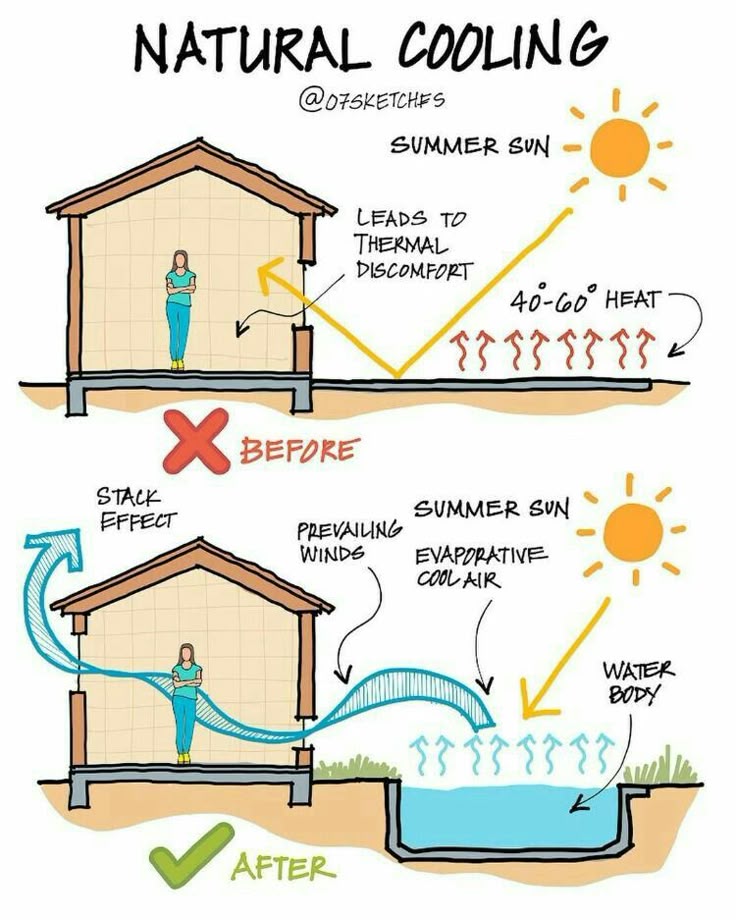
Children’s village cooling is a remarkable concept that emphasizes sustainable living solutions in the harshest climates. The design of SOS Children’s Village Tadjourah showcases innovative natural cooling methods that rely on traditional, climate-responsive architecture rather than modern air conditioning. By incorporating narrow shaded streets, wind-catching towers, and vegetation, this eco-friendly architecture creates a naturally cooler environment for its residents. The architects, Urko Sanchez Architects, have skillfully combined historical practices with modern design, showcasing how children’s village design can support both comfort and environmental sustainability. This approach not only enhances the children’s living experience but also sets a precedent for future developments in extreme temperatures.
The phenomenon of coolness in children’s communal living spaces draws from age-old architectural wisdom and innovative ecological strategies. This sustainable approach prioritizes passive cooling techniques that significantly reduce reliance on energy-sucking air conditioning units. By fostering a child-friendly atmosphere devoid of automotive traffic and emphasizing scenic greenspaces, the design transforms standard village layouts into thriving habitats. Strategies such as cross-ventilation and strategically placed natural elements work harmoniously to maintain comfortable microclimates. Such thoughtful architecture represents a forward-thinking blend of functionality and environmental responsibility, paving the way for similar projects worldwide.
One of the defining features of the SOS Children’s Village Tadjourah is its innovative use of natural cooling methods tailored for harsh climates. By implementing traditional architectural techniques that have been proven effective through generations, the village provides a refreshing alternative to modern air conditioning. With narrow shaded streets designed to facilitate airflow and reduce solar heat gain, the village creates a comfortable living environment without relying on energy-intensive systems.
Reflective surfaces and wind-catching towers play essential roles in maintaining optimal temperatures within the village. These elements, inspired by age-old designs from North Africa and the Middle East, harmoniously blend efficient climate responsiveness with modern aesthetics. This unique approach not only emphasizes the beauty of eco-friendly architecture but also showcases how children’s village cooling can effectively maintain comfort while drastically reducing energy consumption.
Natural cooling methods are essential in children’s village design, particularly in extreme heat regions. By employing eco-friendly architecture principles, such as wind-catching towers and shaded streets, these villages can maintain comfortable temperatures without reliance on air conditioning. This not only reduces energy costs but also creates a healthier environment for children, promoting sustainable living solutions.
| Key Points | Details |
|---|---|
| Location | SOS Children’s Village Tadjourah, one of the hottest regions. |
| Architectural Approach | Utilizes ancient climate-responsive design principles rather than modern air conditioning systems. |
| Natural Cooling Techniques | Incorporates narrow shaded streets, wind-catching towers, and reflective surfaces. |
| Vegetation Role | Small green spaces help reduce heat and promote cooler microclimates. |
| Operational Costs | Avoiding modern systems keeps long-term operational costs low. |
| Child-Friendly Design | The layout is car-free, promoting safe movement for children. |
Children’s village cooling is an innovative approach to combat extreme heat without the use of air conditioning. The SOS Children’s Village Tadjourah combines historical architecture with modern needs by utilizing natural cooling methods, such as shaded streets and wind-capturing towers. This thoughtful design enhances the village’s livability while reducing energy costs and making the environment safer and more enjoyable for children. By focusing on sustainability and climate-responsive design, the village represents a model for how architecture can adapt to extreme conditions while prioritizing community welfare.