

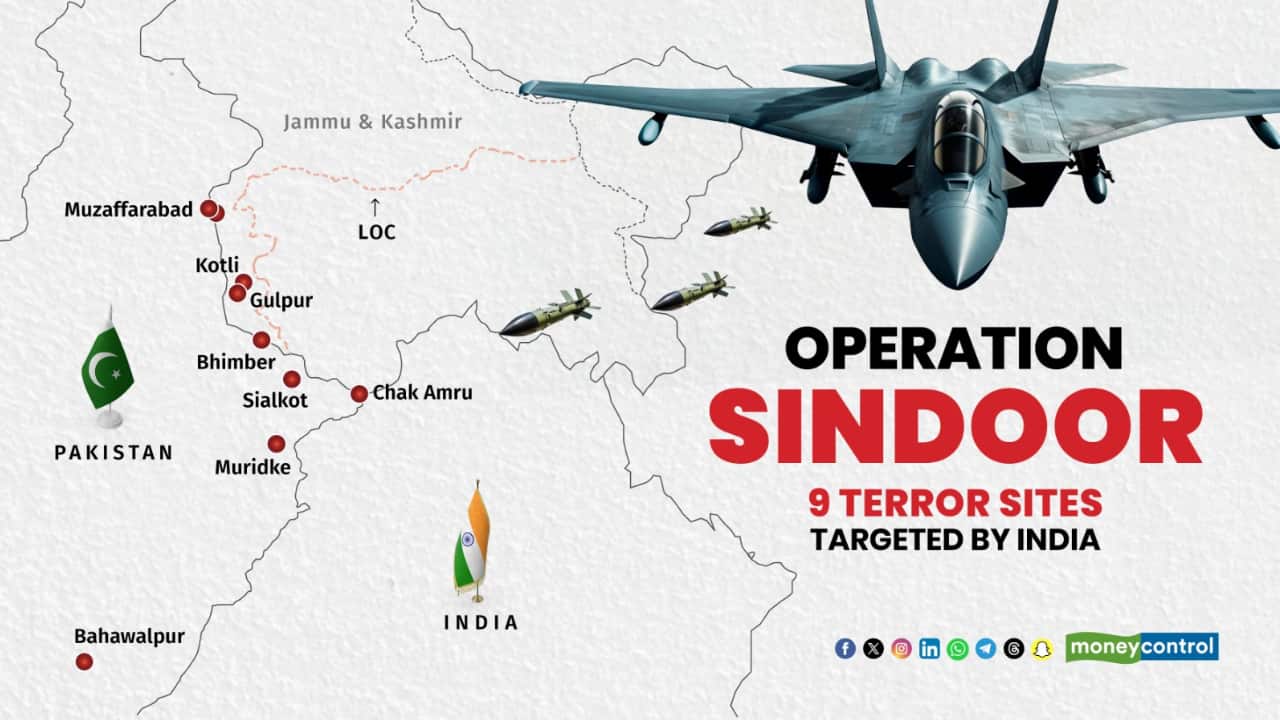
Operation Sindoor marks a significant milestone in India’s response to ongoing India-Pakistan tensions, especially in light of rising incidents of cross-border terrorism. Launched after the shocking Pahalgam attack, this operation was a direct retaliation against Pakistan’s support for militant activities, underlining India’s commitment to national security. The Indian armed forces executed strikes on terrorist launch pads across the Line of Control, effectively neutralizing threats and sending a strong message to Pakistan. As the Ministry of External Affairs celebrates the anniversary of Operation Sindoor, it emphasizes the importance of safeguarding the Indus Waters Treaty while demonstrating military resolve. This robust response aims to deter future attacks and reinforce India’s strategic posture in the region, highlighting its proactive approach to combating terrorism.
The anniversary of a pivotal military initiative, known as Operation Sindoor, captures the essence of India’s strategic maneuvers in the context of its fraught relations with Pakistan. Particularly following the Pahalgam attacks, this operation signifies India’s relentless fight against cross-border militancy and its commitment to ensuring national security. Military engagements, such as targeted strikes on terrorist infrastructure, showcase India’s determination to defend its sovereignty and uphold treaties like the Indus Waters Treaty amid escalating conflicts. The initiative reflects a broader narrative of vigilance and readiness among the Indian armed forces as they navigate a complex security landscape. By addressing the root of terrorism in the region, this operation not only fortifies military defenses but also aims to foster a more stable environment in South Asia.
Understanding Operation Sindoor: A Decisive Response to Terrorism
Operation Sindoor was launched by the Indian armed forces as a direct response to the escalating threats posed by cross-border terrorism after the Pahalgam attack. This operation exemplifies India’s commitment to safeguarding its national security by retaliating against terrorist activities that threaten peace and stability in the region. The decision to conduct strikes on terrorist launchpads in Pakistan and Pakistan-occupied Jammu and Kashmir illustrates a strategic approach to countering threats, reinforcing India’s stance against terrorism.
In commemorating the first anniversary of Operation Sindoor, the Ministry of External Affairs highlighted the operation’s significance in fortifying India’s resolve against Pakistan’s support for terrorism. By executing precise strikes, India has demonstrated its capacity and willingness to respond to provocations, sending a clear message about its zero-tolerance policy towards cross-border terrorism. These actions have not only aimed to neutralize immediate threats but have also sought to deter future aggressions.
The Impact of Indus Waters Treaty Amidst Rising India-Pakistan Tensions
The Indus Waters Treaty, signed in 1960 between India and Pakistan, serves as a crucial framework for managing the river systems that flow through both nations. However, as tensions have escalated due to incidents such as the Pahalgam attack and subsequent operations like Sindoor, the treaty has faced increasing scrutiny. The rising conflicts and armed forces’ strikes raise concerns about the future of water-sharing agreements, as water resources become another battleground amidst the broader tensions involving army engagements and security challenges.
As India continues to execute military strategies to counter cross-border terrorism, the implications for the Indus Waters Treaty may also come into play. With water scarcity already a pressing issue in both nations, any disruption in relations could lead to a re-evaluation of the treaty’s terms. Moreover, the armed forces’ operation could catalyze diplomatic dialogues aimed at addressing not just security concerns but also the sustainable management of shared water resources, emphasizing the need for cooperation even amidst conflict.
Assessing Cross-Border Terrorism in the Context of Operation Sindoor
Cross-border terrorism has been a persistent challenge in India-Pakistan relations, exemplified by incidents leading to military responses like Operation Sindoor. The operation was not merely a reaction to the Pahalgam attack but part of a broader strategy to dismantle terrorist networks that operate with impunity across the border. By conducting targeted strikes, India aims to cripple the infrastructure that supports terrorist activities, diminishing their capacity to launch further attacks.
The effectiveness of operations like Sindoor lies in their ability to signal India’s resolve in addressing the menace of terrorism. Each successful strike against launchpads translates to a strategic victory, as it disrupts the operations of terrorist groups and reinforces India’s narrative of responding decisively to provocations. Despite the risk of escalation, these actions have garnered support domestically as they reflect the government’s commitment to national security.
Militarization and Its Role in India-Pakistan Relations Post-Pahalgam Attack
The aftermath of the Pahalgam attack saw a significant increase in militarization along the Indo-Pak border, as both countries navigated heightened tensions. India’s military response, embodied in Operation Sindoor, underscores the complexities of maintaining peace in a region frequently marred by violence. The armed forces’ readiness and willingness to employ military action reflect a paradigm shift towards a more aggressive posture in countering threats from across the border.
This militarization comes with both risks and responsibilities, as increased military readiness can either deter aggression or provoke further conflict. Balancing military might with diplomatic avenues has become crucial for India, as it seeks to address domestic security concerns without escalating tensions with Pakistan. The continued focus on operations like Sindoor aims to provide a dual approach, defending national interests while cautiously navigating the geopolitical waters of South Asia.
The Role of Intelligence in Planning Operation Sindoor
Intelligence plays a pivotal role in the execution of operations like Sindoor, particularly when addressing the threat from cross-border terrorism. Prior to launching the operation, extensive intelligence gathering was essential to identify and confirm the locations of terrorist launchpads in Pakistan. Without accurate intelligence, military operations risk miscalculation and unintended escalation, potentially undermining strategic objectives.
The successful execution of Operation Sindoor not only depended on effective military strategies but also on real-time intelligence insights that informed decision-makers about the enemy’s capabilities and intentions. This intelligence-driven approach enhances not only the precision of strikes but also the overall efficacy of military operations, ensuring that responses to terrorist threats are timely, measured, and impactful.
Diplomatic Implications of Armed Forces Strikes Following the Pahalgam Attack
The armed forces’ strikes following the Pahalgam attack have significant diplomatic implications for both India and Pakistan. Such military actions can potentially alter the dynamics of diplomatic relations, as the use of force often invites condemnation or support from the international community. The timing and effectiveness of the strikes are essential in shaping narratives, either reinforcing a portrayal of India as a victim responding to aggression or as an aggressor in a fraught bilateral relationship.
Moreover, following the execution of Operation Sindoor, India has sought to use its military successes as leverage in diplomatic negotiations. By demonstrating a readiness to act decisively against terrorism, India aims to strengthen its position in regional dialogues, including those concerning cross-border terrorism and disputes related to the Indus Waters Treaty. As each operation unfolds, the interplay between military action and diplomacy continues to define the trajectory of India-Pakistan relations.
The Significance of Public Sentiment in Justifying Military Operations
Public sentiment plays a critical role in legitimating military operations such as Operation Sindoor. Following the Pahalgam attack, the Indian government faced immense pressure from the public to act against Pakistan’s support for terrorism. By launching a decisive military response, the government not only aimed to neutralize immediate threats but also to align with public expectations for a robust and assertive national security policy.
Moreover, the narrative surrounding military operations significantly influences public opinion and national discourse. Successful execution of such operations can bolster government approval ratings, whereas perceived failures could lead to dissatisfaction and unrest. Thus, the interplay between military effectiveness and public sentiment is crucial, as governments balance security measures with the expectations of their citizenry.
Challenges of Implementing the Indus Waters Treaty Amidst Military Tensions
The Indus Waters Treaty has long been regarded as a landmark agreement between India and Pakistan; however, its implementation faces mounting challenges in the context of rising military tensions following events like the Pahalgam attack. As India grows more aggressive in its military stance, the stability of the treaty could be jeopardized, leading to potential disputes over water resource allocation. This scenario requires both nations to address not only their security challenges but also the pressing need for cooperative management of shared water resources.
Water, often referred to as blue gold, is becoming increasingly crucial as tensions escalate. Every military action may be perceived as a threat not only to human lives but to the essential resource of water that both countries share through the Indus River system. Therefore, international and regional stakeholders must advocate for the preservation of the treaty as a critical framework for peace while simultaneously addressing the underlying issues that fuel cross-border tensions.
Evaluating the Long-Term Effects of Operation Sindoor on Regional Security
The long-term impact of Operation Sindoor is a critical consideration for regional security in South Asia. By taking decisive military actions against terrorism, India aims to set a precedent for addressing security threats while reinforcing its position on the global stage. These operations, however, could lead to increased militarization and a potential arms race in the region, as Pakistan may feel compelled to bolster its military capabilities in response to India’s assertiveness.
Moreover, the repercussions of such operations extend beyond immediate military outcomes, influencing diplomatic relations and security frameworks in South Asia. The success or failure of Operation Sindoor could redefine engagement strategies with neighboring countries, either fostering a climate of cooperation or entrenching animosity. Thus, evaluating the long-term effects of such military actions is essential to ensure sustainable peace and security in the region.
Frequently Asked Questions
What was Operation Sindoor and how did it respond to the Pahalgam attack?
Operation Sindoor was a significant military initiative launched by India in response to the Pahalgam terrorist attack, which highlighted ongoing tensions between India and Pakistan, particularly regarding cross-border terrorism. Following the attack, the Indian armed forces executed precise strikes on terrorist launchpads located in Pakistan and Pakistan-occupied Jammu and Kashmir, showcasing India’s commitment to counter-terrorism efforts and reinforcing the message to Pakistan about the nation’s resolve to combat terrorism.
| Key Point | Details |
|---|---|
| First Anniversary of Operation Sindoor | The Ministry of External Affairs commemorated the first anniversary of Operation Sindoor. |
| Response to Pakistan | India delivered a fitting response to Pakistan for its support of cross-border terrorism following a terrorist attack in Pahalgam. |
| Indus Waters Treaty | MEA reiterated its position regarding the Indus Waters Treaty with Pakistan during the commemoration. |
| Military Strikes | Indian armed forces conducted strikes on terrorist launchpads located in Pakistan and Pakistan-occupied Jammu and Kashmir. |
Summary
Operation Sindoor marks a significant milestone in India’s response to terrorism from across the border, particularly highlighting the nation’s resolve following the tragic Pahalgam attack. The Ministry of External Affairs’ acknowledgment of this operation’s first anniversary underscores India’s commitment to combating terrorism and maintaining security in the region. By emphasizing military readiness and diplomatic discourse, India aims to reinforce its stance against cross-border terrorism, while also reiterating its obligations under international agreements like the Indus Waters Treaty. This strategic operation not only serves as a reminder of the nation’s defenses but also strengthens India’s position in global discussions surrounding terrorism and bilateral relations with Pakistan.



























