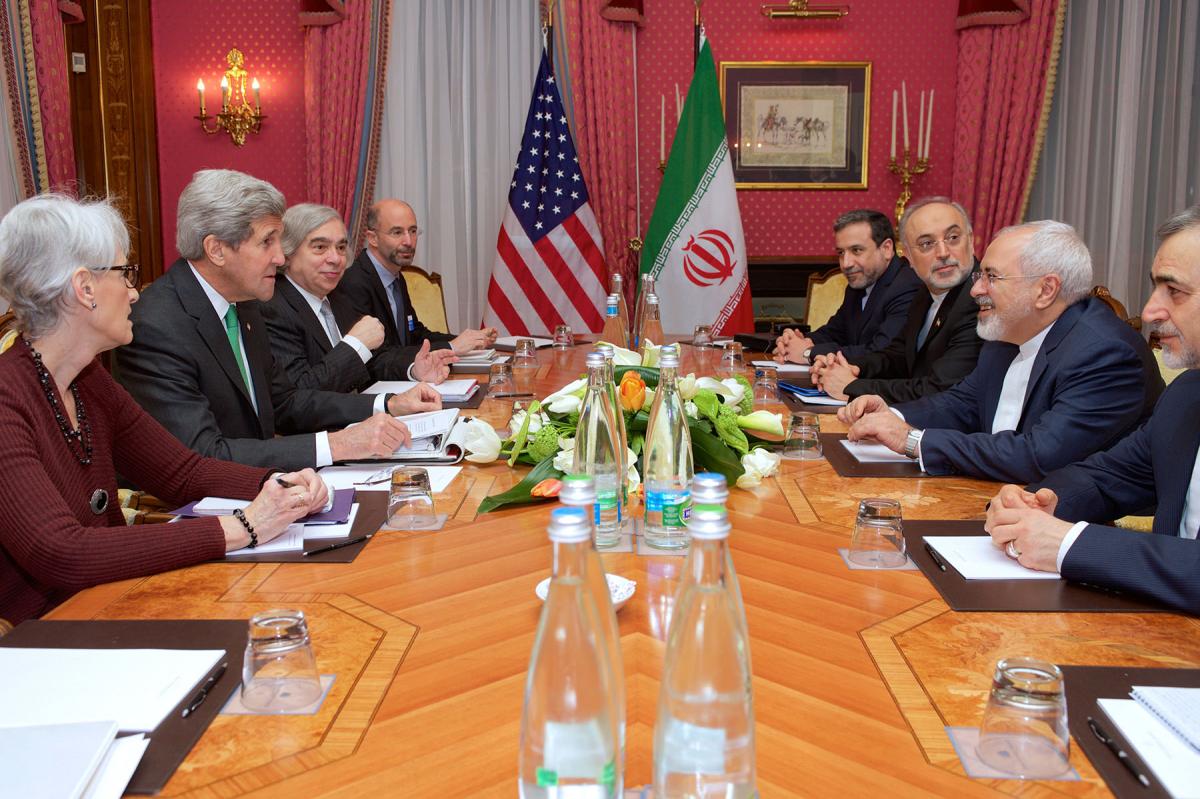
Iran US discussions have gained renewed attention as both nations explore a temporary framework aimed at halting hostilities and reopening the strategically vital Strait of Hormuz for commercial shipping. This dialogue arises in the context of ongoing Tehran nuclear negotiations, as officials seek to establish a pathway that could lead to more comprehensive international diplomacy. The possibility of a temporary ceasefire signifies a critical moment in US Iran relations, reflecting a mutual interest in de-escalation and stability in the region. As these conversations unfold, the implications extend beyond bilateral ties, potentially influencing global energy markets and international peace efforts. Understanding the nuances of these discussions is essential for grasping the evolving dynamics in the Middle East.
The ongoing negotiations between Tehran and Washington represent a pivotal juncture in their contentious history, with discussions focused on reaching a temporary agreement to pause hostilities. This process aims not only to facilitate essential commercial shipping through the critical Strait of Hormuz but also to lay the groundwork for more extensive deliberations surrounding Iran’s nuclear ambitions. By examining the elements contributing to the bilateral talks, one can appreciate the delicate balance of international diplomacy at play. The interplay of these discussions could lead to a renewed perspective on US Iran relations, as both sides contemplate the possibility of a temporary ceasefire in the region. Ultimately, these negotiations may shape the contours of future interactions, underscoring the significance of diplomatic engagement in addressing complex geopolitical challenges.
Iran US Discussions: A New Framework for Peace
Recent dialogues between Iran and the United States signal a potential shift in their long-standing adversarial relationship. The negotiations focus on formulating a temporary ceasefire that could serve as a cornerstone to de-escalate tensions in the Middle East. This dialogue, highlighted by senior Iranian officials, emphasizes the necessity of a solution that could also pave the way for reopening the crucial Strait of Hormuz, a vital passage for international trade and oil transportation. By prioritizing a pause in hostilities, both nations aim to mitigate risks of conflict while setting the stage for more comprehensive discussions concerning Tehran’s nuclear ambitions.
In the wake of these talks, the implications for US-Iran relations are profound. By addressing the immediate issues surrounding the Strait of Hormuz and focusing on peace, the discussions foster an environment conducive to international diplomacy. The possibility of a temporary halt to hostilities could enhance trust between the two nations, allowing them to engage in Tehran nuclear negotiations more effectively. As the world watches, the international community remains cautiously optimistic about the future trajectory of US-Iran relations and its potential to influence stability in the region.
Strait of Hormuz: A Lifeline in US Iran Relations
The Strait of Hormuz is not only a significant maritime passageway, but it is also a pivotal component of the ongoing discussions between Iran and the US. This narrow strait, where a significant portion of the world’s oil supply transits, has been a flashpoint for tensions and potential conflict. Ensuring the safety of shipping routes through the Strait of Hormuz is crucial for global economic stability, making it a priority in the negotiations. The emphasis on reopening this strategic waterway reflects the urgency both nations feel to avoid disruptions that could escalate into larger military confrontations.
The negotiations surrounding the Strait of Hormuz underscore its importance in the context of broader strategic dialogues. A secure and open passage is vital not only for trade but also for promoting peace in the region. Iran’s willingness to negotiate on this issue could signify a larger concession regarding its nuclear program, suggesting a holistic approach to US-Iran relations. As tensions ease, both nations may find common ground to engage more substantively in international diplomacy, with the Strait of Hormuz serving as a central topic in the discussions.
Tehran Nuclear Negotiations: The Path Forward
Central to the discussions between Iran and the US are the longstanding concerns surrounding Tehran’s nuclear program. The current negotiations aim to establish a framework that not only pauses hostilities but also allows both sides to engage in meaningful dialogue about Iran’s nuclear ambitions. The exploration of a temporary ceasefire could enhance the trust necessary for productive Tehran nuclear negotiations, signaling a possible thaw in relations after years of mutual suspicion and animosity.
Establishing a path forward in these negotiations is essential for both national security and international stability. Success in the talks could lead to a more secure regional landscape and potentially mitigate fears of nuclear proliferation. By addressing Tehran’s nuclear capabilities directly within the context of the broader ceasefire discussions, both Iran and the US demonstrate a commitment to resolving issues through diplomatic means rather than military confrontation. This approach might also facilitate collaborative efforts with other global powers involved in Iranian affairs.
Temporary Ceasefire: A Step Towards Diplomatic Solutions
The idea of a temporary ceasefire emerged as a critical component of the ongoing Iran US discussions. Such a ceasefire could serve as a catalyst for further negotiations, providing both countries with the opportunity to address outstanding issues peacefully. By halting hostilities, both nations may discover avenues to resolve broader disputes, particularly those related to Iran’s nuclear program and regional influence. The establishment of this temporary peace could open doors to more formal agreements, thereby reshaping the landscape of US-Iran relations.
Implementing a temporary ceasefire would not only benefit Iran and the US but also positively impact the security of surrounding regions. A de-escalation of military tensions would facilitate international diplomacy as other countries engage with both nations to find common ground. This cooperative spirit may allow external powers, particularly those with economic stakes in the Strait of Hormuz, to participate actively in discussions that aim to stabilize the area. Ultimately, a temporary ceasefire can lay the groundwork for more lasting solutions to conflicts in the Middle East.
International Diplomacy: The Role of Third Parties
In the quest for a peaceful resolution to the tensions between Iran and the US, international diplomacy plays a pivotal role. Various global actors are keenly interested in the outcomes of the discussions, particularly those related to the Strait of Hormuz and Tehran’s nuclear ambitions. Third-party countries or organizations, equipped with diplomatic resources, may facilitate negotiations by providing a neutral platform or mediating between the two nations. Their involvement can also bolster trust and transparency, essential components for successful diplomatic engagement.
The potential involvement of international mediators in Iran US discussions could bring new perspectives to the table, enhancing the possibility of a comprehensive agreement. Countries such as Russia and China, alongside European nations, have vital interests in the region and may serve as crucial allies in persuading both sides to agree on a framework. As international diplomacy strengthens, there exists the potential to not only resolve immediate conflicts but also to establish more robust mechanisms for managing future disagreements, ensuring a more stable Middle East.
The Future of US Iran Relations: Turning Points Ahead
The unfolding dialogues between Iran and the United States mark a significant turning point in their historical relations. The willingness to engage in discussions surrounding a temporary ceasefire and the Tehran nuclear negotiations signals a departure from previous confrontational stances. As both nations navigate this delicate period, the outcomes of these discussions have the potential to reshape their approaches to one another, facilitating a more constructive relationship in the future.
Looking forward, the dynamics of US Iran relations will depend heavily on both sides’ commitment to genuine dialogue and compromise. The inclusion of economic incentives and diplomatic reassurances could further enhance the likelihood of a successful resolution to ongoing tensions. Should the current talks yield fruitful results, we may witness a gradual shift toward normalization, ultimately contributing to greater stability in the region and a more effective response to shared challenges.
Strait of Hormuz and Regional Security: Interlinked Fates
The Strait of Hormuz functions as a critical chokepoint in global trade, particularly for oil shipments. The security of this waterway directly impacts not only Iran and the US but also multiple neighboring nations and global economies reliant on energy resources. Consequently, any discussions regarding a temporary ceasefire must emphasize the importance of maintaining peace in the Strait of Hormuz, as disruptions here can have far-reaching consequences across international markets.
Furthermore, the stability of the Strait of Hormuz is intricately linked to the broader security dynamics of the Middle East. A secure passage can diminish the probability of military confrontations and instead foster a cooperative environment among regional powers. As US Iran relations evolve, a focus on ensuring open shipping lanes will be instrumental in protecting regional security and facilitating continuous international diplomacy aimed at resolving ongoing conflicts.
Key Issues in Current US Iran Talks: Assessing the Stakes
The current discussions between Iran and the United States are loaded with significant stakes, particularly relating to the Islamic Republic’s nuclear ambitions and the impacts on regional stability. Addressing these key issues requires both parties to recognize the intricate relationship between military posture, economic interests, and diplomatic engagements. With the potential for a temporary ceasefire on the table, there exists an opportunity to confront these crucial matters head-on, affecting not only their bilateral relations but also the landscape of Middle Eastern politics.
As negotiations progress, the outcome will hinge on whether both Iran and the US can align their interests strategically. The stakes involved are high, as failure to reach an agreement could result in heightened tensions, further military incidents in the Strait of Hormuz, and a deterioration of regional security. Conversely, constructive dialogue could mark the beginning of a transformative phase in US Iran relations and wider international diplomacy, promoting a stable and peaceful future for the region.
Potential Impacts of US Iran Negotiations on Global Markets
The potential outcomes of the ongoing US Iran negotiations are not only significant for bilateral relations but also for global markets, especially energy markets. The Strait of Hormuz, being a key transit point for the majority of the world’s oil supply, drives the need for stable US Iran relations. If discussions lead to a temporary agreement, it may reassure investors and stabilize oil prices, which have historically been volatile during periods of tension.
Conversely, a breakdown in negotiations or escalation of hostilities could trigger market instability and price fluctuations, affecting economies worldwide. Stakeholders are increasingly vigilant as developments unfold, recognizing that the interplay between diplomatic engagements and market reactions is crucial. Understanding the implications of Iran’s nuclear negotiations and the US’s position will remain a focal point for traders and investors alike.
Frequently Asked Questions
What are the key issues in the current Iran US discussions regarding the Strait of Hormuz?
The current Iran US discussions focus on establishing a temporary ceasefire that would allow commercial shipping to resume in the Strait of Hormuz. This is seen as a crucial step in enhancing US Iran relations and paving the way for broader conversations about Tehran’s nuclear program. The aim is to foster international diplomacy that addresses regional security concerns and facilitates economic stability.
| Key Points |
|---|
| Iran and the US are engaged in discussions about a temporary framework to ease tensions. |
| The goal of these discussions includes halting hostilities between the two nations. |
| Reopening the Strait of Hormuz for commercial shipping is a crucial aspect of the negotiations. |
| These talks may also pave the way for broader negotiations concerning Iran’s nuclear program. |
Summary
Iran US discussions have reached a critical juncture as both nations seek a temporary framework to bring about peace and stability in the region. The discussions, as reported by credible sources, aim to halt hostilities while reopening vital waterways like the Strait of Hormuz that are essential for commercial shipping. Additionally, these negotiations could potentially set the stage for more extensive talks regarding Iran’s nuclear program, showcasing a possible pathway towards diplomatic engagement. As these talks progress, the implications for regional and international security remain significant.