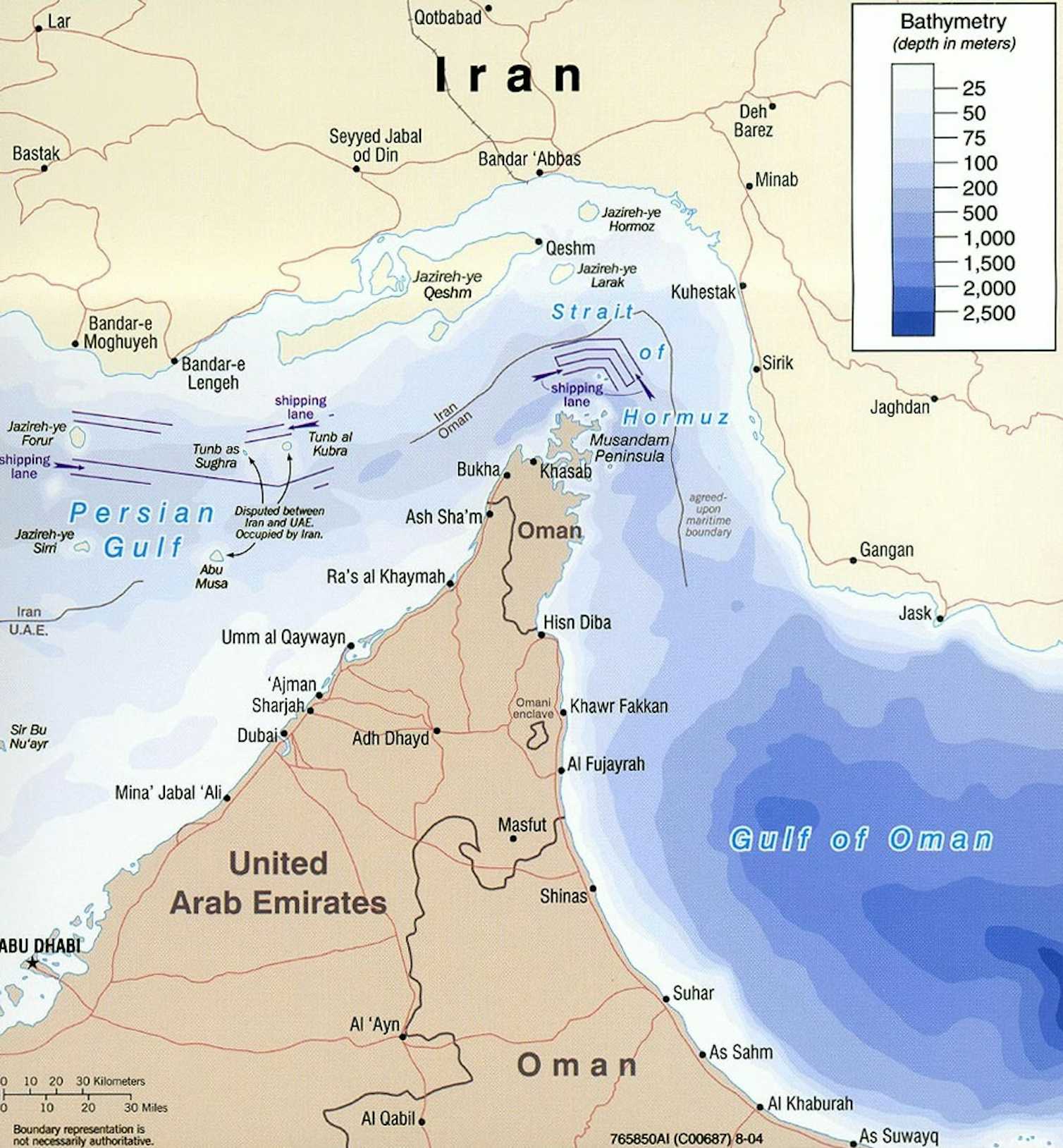
The Strait of Hormuz is a pivotal maritime corridor that plays a crucial role in global trade and energy transportation. Connecting the Persian Gulf to the Gulf of Oman, this narrow waterway sees a significant percentage of the world’s oil supply pass through it. Recent events have strained commercial shipping in the Strait of Hormuz, with incidents involving Indian Navy vessels and IRGC boats casting a shadow over shipping confidence in the region. On April 18, two Indian-flagged vessels were fired upon, raising alarms about safety and security for traders navigating these vital waters. As tensions persist, the world watches closely for updates in the Strait of Hormuz news, knowing its stability is essential for maintaining the flow of maritime commerce.
Known for its strategic importance, the Strait of Hormuz is central to maritime operations connecting oil-rich nations to international markets. Often surrounded by geopolitical tensions, this crucial passageway has seen heightened naval activity, including the deployment of Indian Navy vessels to ensure safe passage for commercial fleets. The realm of shipping within this corridor reflects not only the significant volumes of oil transported but also the underlying concerns regarding ongoing incidents involving IRGC boats and their implications for shipping confidence. With commercial vessels increasingly facing threats, stakeholders remain vigilant, seeking to navigate the complexities of this vital trade route. The global economy hinges on the safe passage through this narrow strait, making its security and operational integrity paramount.
Current Situation in the Strait of Hormuz and Its Impact on Commercial Shipping
The Strait of Hormuz, a crucial maritime corridor that connects the Persian Gulf to the Gulf of Oman, plays a pivotal role in global trade and energy transportation. Despite its technical accessibility, the reality for commercial shipping in this vital waterway is fraught with challenges. Anil Devli, the chief executive of the Indian National Shipowners’ Association, has expressed that current conditions are anything but normal for vessels navigating this strategic strait. The recent incidents involving Indian-flagged vessels fired upon by IRGC boats have merely compounded the uncertainty. Shipping confidence in the Strait of Hormuz has taken a significant hit, forcing many vessels to reconsider their routes and operations, or stay anchored in safer ports for an extended period.
With increased naval presence from various countries and the Indian Navy vessels on standby, the international community is closely monitoring the flow of maritime traffic. The navigation routes through the Strait remain heavily scrutinized as shipping companies weigh the cost of delays against the risks posed by incidents that could escalate into broader conflicts. Thus, while the Strait of Hormuz is marked by its technical openness, any such assurance is tempered by prevailing fears and the real danger that lies within the waters.
As the conflict evolves, the ripple effects of these tensions extend far beyond immediate shipping routes. Many multinational shipping companies now must reassess their logistic chains to adapt to the changing environment, concerned about shipping lanes that have traditionally been regarded as reliable. Reports of the IRGC’s hostile actions towards vessels have made it clear that the waters of the Strait of Hormuz are becoming increasingly perilous, impacting not only Iranian shipping activities but also those of international operants. The recent incidents have sparked discussions regarding enhanced security measures, highlighting the imperative need for collaboration among navies to ensure that commercial shipping in the Strait of Hormuz can operate more safely and confidently.
The Role of the Indian Navy in Ensuring Maritime Security
The Indian Navy’s involvement in the Strait of Hormuz plays a crucial role in stabilizing the maritime environment in this geopolitically sensitive region. Following the attacks on the Indian-flagged vessels, the Indian Navy has been increasing its operational readiness, ensuring that at least a few warships are deployed to the region. This naval presence is not only a deterrent against potential aggressors but also serves as a reassurance to shipping companies that their vessels are operating under a protective umbrella. The prompt response of the Indian Navy in the face of aggression has been instrumental in maintaining some degree of shipping confidence in the Strait of Hormuz, a reflection of India’s commitment to safeguarding its maritime interests and those of its allies.
Moreover, collaborations with other navies, especially in joint exercises and patrols, enhance surveillance capabilities and intelligence-sharing among nations operating in this area. The Indian Navy’s strategic engagements signal a strong intention to secure vital shipping lanes against threats posed by hostile forces within the region, thereby restoring a semblance of normalcy and security for commercial shipping operations traversing the Strait of Hormuz.
In light of rising tensions and risks, the Indian Navy has adopted an inclusive approach by offering support to its commercial partners in maritime safety. This includes not only providing naval escorts to cargo ships but also engaging in dialogue with shipping lines to discuss best practices for navigating the Strait during these tumultuous times. The Indian Navy’s proactive measures have resulted in a gradual rebuilding of trust among shippers, enabling them to resume operations in a manner that prioritizes safety. Such initiatives are essential to reinstating confidence among vessel owners and operators who may be hesitant to traverse the Strait of Hormuz amidst escalating incidents of aggression by IRGC boats.
Recent Incidents and Their Implications on Shipping Confidence
The maritime landscape of the Strait of Hormuz has been significantly shaped by recent altercations, especially the April incidents involving the Indian-flagged bulk carriers Sanmar Herald and Jag Arnav. These high-profile occurrences not only underline the increasing aggression in the region but also cast a long shadow over the assurance traditionally associated with this pivotal shipping lane. The urgency captured in the radio communication from Sanmar Herald, pleading for clarity and expressing fear, epitomizes the precarious position that commercial vessels now find themselves in. Such events have turned public and commercial perception towards a more cautionary stance, with shipping stakeholders closely monitoring future developments for signs of further deterioration in safety standards.
The implications of these incidents extend far beyond immediate logistics; they influence global oil prices, trade routes, and shipping insurance premiums. Companies weighing their options might find themselves diverted to alternative routes like the Suez Canal, despite additional costs, to sidestep uncertainties in the Strait of Hormuz. With tension simmering and security implications growing, the ongoing discourse surrounding shipping confidence is likely to remain a critical talking point in global maritime and economic discussions.
In response to these alarming episodes, various countries are reassessing their maritime strategies in the region. Initiatives are underway to fortify naval presence and enhance collective maritime safety measures, demonstrating a unified front against emerging threats that jeopardize commercial shipping. As detailed analyses of incident patterns are conducted, shipping companies are advised to navigate carefully and remain informed about the latest developments affecting the Strait of Hormuz. The path towards rebuilding trust will require fortification of maritime security frameworks and greater international cooperation to ensure safety for vessels passing through this crucial strait, aiming to restore a sense of normalcy in commercial shipping operations.
The Geopolitical Significance of the Strait of Hormuz
The Strait of Hormuz stands as a linchpin in the realm of global geopolitics due to its critical role as a passageway for oil and gas exports. Approximately 20% of the world’s petroleum passes through this narrow channel, making it a focal point of geopolitical strategies and international relations. Its significance is further emphasized by ongoing tensions involving regional powers and their security dynamics, compelling nations worldwide to keep a watchful eye on developments within the Strait. Power struggles in neighboring countries often translate into broader implications for shipping and maritime safety, placing this waterway at the heart of many foreign policy discussions.
Understanding the geostrategic importance of the Strait of Hormuz requires a contextual appreciation of its historical and current implications. The dynamics of maritime trade, particularly concerning energy security, are influenced significantly by events in this region, which can create ripples in global markets. As global dependence on oil continues, the competition for influence and control over this vital corridor remains intense, framing the future landscape of international trade and maritime security.
Recent incidents involving vessels in the Strait of Hormuz have raised alarms regarding the stability and security of maritime operations, as many countries rely on these shipping lanes for the transportation of energy resources. The potential for conflict adds layers of complexity to the geopolitical fabric surrounding the Strait, resulting in a reevaluation of military and naval strategies among regional and international stakeholders. Through enhancing alliances, joint exercises, and establishing clear mechanisms for conflict resolution, affected nations are actively seeking to mitigate risks and ensure that the Strait remains open for business. The balancing act of maintaining open channels for commerce while navigating the fraught political waters of the Middle East sets the stage for a potentially transformative period in the geopolitics of energy.
Frequently Asked Questions
What are the current conditions for commercial shipping in the Strait of Hormuz?
The conditions for commercial shipping in the Strait of Hormuz are currently unstable. Despite the strait being technically open, vessels are operating under a cloud of uncertainty and decreased confidence. This situation has been exacerbated by recent incidents, including assaults on Indian-flagged vessels such as the VLCC Sanmar Herald and bulk carrier Jag Arnav by IRGC boats. As a result, shipping confidence in the Strait of Hormuz has been significantly impacted, leading shipowners to navigate cautiously through this critical maritime passage.
| Key Point | Details |
|---|---|
| Strait Status | The Strait of Hormuz remains technically open for shipping. |
| Commercial Shipping | Commercial shipping activities are not back to normal despite the strait being open. |
| Recent Attacks | Two Indian-flagged vessels were fired upon by Iranian Revolutionary Guard Corps (IRGC) boats on April 18. |
| Vessel Details | The affected vessels include the VLCC Sanmar Herald and bulk carrier Jag Arnav. |
| Confidence Levels | There is a fragile confidence among shipping operators; the first movements from Indian ships appeared to build confidence. |
| Communication Incident | An audio recording from Sanmar Herald captured the urgency of the situation, highlighting the tensions with the IRGC. |
Summary
The Strait of Hormuz is a critical waterway for global shipping, serving as a vital conduit for oil and gas supplies. Despite its technical openness, the recent maritime tensions, including attacks on Indian-flagged vessels, have significantly disrupted normal shipping operations. As confidence ebbs among commercial shipping operators, the risk within the strait persists, prompting serious concerns about the security of international maritime routes. The situation underlines the Strait of Hormuz’s importance and vulnerability in the context of global energy trade.