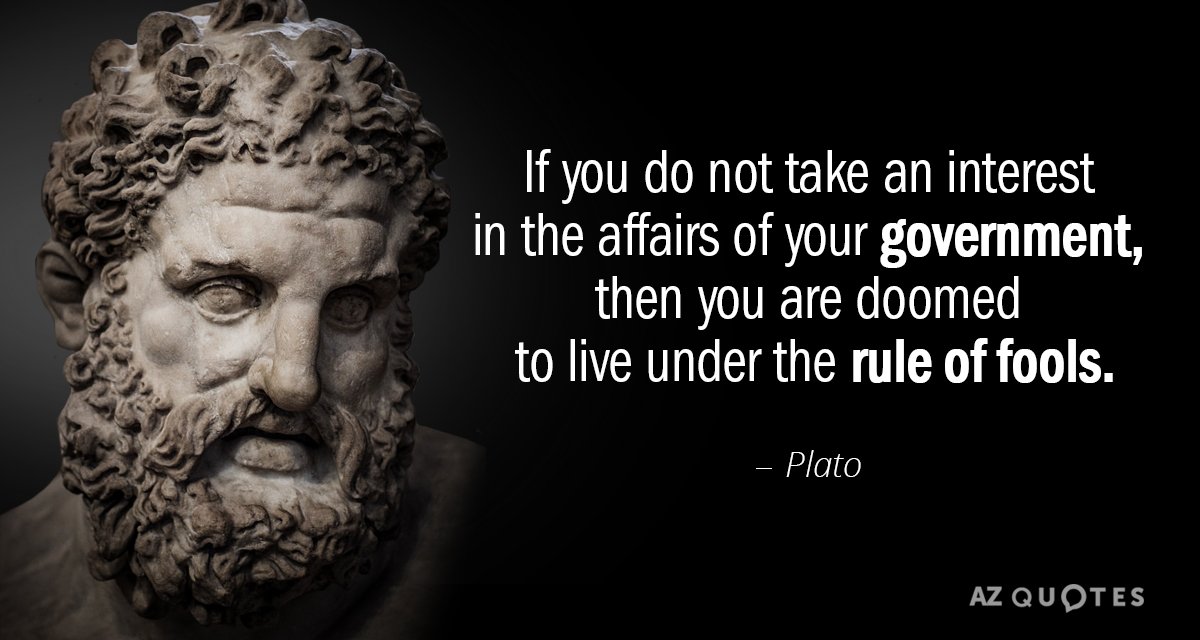
The profound statement by Plato, “We can easily forgive a child who is afraid of the dark; the real tragedy of life is when men are afraid of the light,” encapsulates the essence of his teachings on infinite wisdom. This quote underscores a critical theme that resonates even today — the fear of truth and self-awareness. In our modern landscape, where misinformation reigns, Plato’s insights into human behavior demonstrate the ongoing relevance of ancient philosophy. The reference to “Fear of the Light” serves as a poignant reminder that true understanding often lies beyond our comfort zones. In this exploration, we will delve into how such timeless wisdom remains essential in our quest for clarity and enlightenment.
Exploring the depths of Plato’s thoughts reveals the complexities of human nature and our reluctance to confront uncomfortable realities. His profound reflections on the contrast between illumination and ignorance challenge us to reassess our perceptions of truth and enlightenment. By examining concepts such as ‘the realities beyond the shadows’ and the courage needed to pursue knowledge, we begin to understand the lessons that ancient scholars impart. The dialogue initiated by Plato, particularly through works like “The Allegory of the Cave,” can be seen as a powerful catalyst for personal growth and societal change. Thus, the study of these principles not only highlights the importance of intellectual bravery but also reaffirms the urgency of acknowledging our own fears in pursuit of deeper understanding.
Unpacking the Concept of ‘Fear of the Light’ in Philosophy
Plato’s assertion that the real tragedy lies in fear of the light speaks volumes about human nature’s relationship with truth and self-awareness. In his impactful work, “The Allegory of the Cave,” we are introduced to prisoners shackled in a dark cave, only seeing shadows cast upon the wall. This metaphor depicts the human struggle against ignorance, illustrating how fear can keep individuals trapped in their limited perspective. Most notably, the ‘light’ represents enlightenment and the pursuit of infinite wisdom, which many individuals resist due to the discomfort of facing reality.
In the modern context, this fear manifests in myriad ways—ranging from social anxieties regarding personal growth to institutional reluctance to embrace progressive ideas. People often cling to familiarity, creating barriers to understanding deeper truths that lie beyond their current perceptions. By examining our own reactions to light—be it criticism or an invitation to expand our horizons—we can explore how Plato’s insights encourage a vibrant quest for knowledge, emphasizing the importance of intellectual courage in breaking away from the chains of ignorance.
The Timeless Relevance of Plato’s Philosophy
Although centuries separate us from Plato’s time, his insights maintain a profound relevance in today’s society, particularly regarding the human experience amid technological advancements. The essence of his quote—illustrating the trepidation toward enlightenment—can be evidenced in various contemporary domains, such as mental health discussions and corporate innovation. Individuals often avoid confronting their inner struggles or resist new methodologies due to fear of the unknown, demonstrating that even in an age filled with information, understanding can evoke discomfort.
Moreover, as we navigate an information-saturated environment, it becomes apparent that distinguishing fact from fiction requires a disciplined pursuit of truth, much akin to Plato’s philosophical principles. The way we engage with knowledge can reflect our willingness to step beyond the shadows of ignorance and embrace the illuminating clarity of understanding. In this regard, Plato urges us to venture forth boldly into the light, challenging us to confront our fears and uncertainties in pursuit of deeper wisdom and self-awareness.
The Connection Between Ancient Philosophy and Modern Understanding
The exploration of Plato’s teachings encapsulates not just an academic endeavor but a path toward personal transformation and societal betterment. His ideas resonate across generations, highlighting how fears tether us to a single narrative—one characterized by the darkness of uncertainty. When we consider ‘infinite wisdom’ as a guiding principle in our quests for knowledge, we recognize the essential adaptability of ancient philosophy to contemporary issues. From ethical dilemmas to existential questions, Plato’s reflections have an enduring capacity to illuminate our understanding of human behavior.
This ancient philosophical wisdom fosters an environment where individuals are encouraged to confront their limitations and societal constructs, reflecting a shared struggle against the confines of ignorance. Particularly today, the call to understand Plato’s teachings prompts us to embrace courage in continually seeking truth within ourselves and society. Recognizing this connection can empower transformative dialogues, enabling all of us to emerge from the cave, fostering a culture where enlightenment is valued over complacency.
Overcoming the Discomfort of Truth
Engaging with uncomfortable truths is a necessary step toward personal development, as Plato hinted with his concern about the fear of the light. In many instances, this discomfort is heightened when faced with introspection or an external critique of our ideals. The human psyche often seeks to protect itself from emotional pain, prompting avoidance behaviors that keep individuals locked in cycles of denial. Recognizing this impulse allows individuals to prepare for the enlightening journey where confronting the truth is as crucial as the quest for knowledge itself.
The act of confronting truths often requires addressing challenging aspects of our beliefs, habits, and relationships. Contemporary mental health discussions underscore the value of facing one’s inner demons and seeking help—mirroring the philosophical tenets proposed by Plato. By understanding the transformative power associated with sitting in discomfort, individuals can access greater wisdom and self-awareness. Adopting such an approach positions truth not merely as a concept but as a daily practice of embracing light in our lives.
The Role of Education in Fostering Intellectual Bravery
Education serves as the bridge that connects individuals to the expansive realms of knowledge and self-understanding. In modern contexts, however, the traditional educational system often struggles to instill the intellectual courage required to challenge misinformation and personal biases. Plato heralds the importance of questioning assumptions, a concept that has become increasingly vital in our era of information overload. The pursuit of truth may often feel fraught with discomfort, yet it remains indispensable in cultivating informed individuals who are equipped to navigate the complexities of life.
Incorporating philosophical inquiries and critical thinking into educational curricula provides students with the tools to engage actively with their learning and societal issues. Encouraging intellectual bravery in questioning established norms allows for deeper insights into human behaviors and motivations. By embracing ignorance as a facet of the learning process, education can empower learners to confront their fears and pursue enlightenment through rigorous exploration, evoking Platonic ideals that continue to shape the quest for truth across generations.
Journalism, Knowledge, and the Pursuit of Truth
In today’s fast-paced world, journalism plays a pivotal role in disseminating knowledge and unearthing truths that individuals might otherwise remain ignorant of. Journalists, much like philosophers, serve as seekers of truth, frequently facing backlash when challenging established narratives. Engaging with Plato’s insights on the importance of fearlessly confronting light can help journalists maintain ethical standards while pursuing reporting that honors both fact-based information and the dynamic nature of human experience. The courage to uncover uncomfortable truths is essential in upholding society’s commitment to transparency and accountability.
Moreover, the current media landscape emphasizes the need for critical engagement with the information consumed daily. Individuals are encouraged to adopt a skeptical perspective that questions the validity of sources. Plato’s emphasis on the distinction between shadows and the true form highlights the necessity of discernment in an era where misinformation proliferates. As such, modern discourse ought to reflect this ethos, ensuring that the pursuit of knowledge and truth is upheld by narratives that shed light on the complexities of reality, thus paving the way for a more informed and self-aware society.
Emotional Resonance of Plato’s Words
Plato’s wisdom continues to resonate on an emotional plane, as many individuals find solace and empowerment in his reflections on fear, knowledge, and the human experience. The acknowledgment of fear as a universal trait in facing the light invites us to collectively manage our discomfort and strive toward understanding. His words provide not only guidance but also a shared connection—inviting us to reflect on our own journeys of self-awareness. This emotional resonance lends weight to the notion that our capacity to grow is fundamentally linked to how we navigate our fears.
Ultimately, the emotional comfort derived from engaging with Plato’s insights encourages introspection and open dialogue. Embracing the light means acknowledging uncomfortable truths that lie within, fostering greater empathy and understanding among individuals. This shared vulnerability cultivates an environment where collective growth becomes possible, empowering us to face life’s challenges with courage and clarity. Hence, the attachment to Plato’s ideals stems from their profound ability to illuminate paths for emotional healing and intellectual evolution.
The Engaging Nature of Other Famous Quotes by Plato
Beyond the notable quote regarding fear of the light, Plato has shared an array of aphorisms that encapsulate human behavior and the pursuit of knowledge. Quotes such as “Wise men speak because they have something to say; fools because they have to say something” profoundly resonate, illustrating the importance of intent behind communication. By prioritizing meaningful discourse over superficial chatter, individuals foster environments that celebrate wisdom and understanding, reflecting the essence of infinite wisdom that Plato passionately advocated.
Furthermore, his assertion that “Knowledge which is acquired under compulsion obtains no hold on the mind” underscores the importance of voluntary engagement in education and personal growth. This notion aligns with the pursuit of intellectual courage, encouraging learners to pursue knowledge actively rather than passively consuming information. Collectively, these principles reveal the myriad ways in which Plato’s reflections on knowledge, behavior, and truth remain deeply relevant and influential in our ongoing quest for enlightenment in contemporary society.
How Ancient Philosophy Continues to Inspire Modern Minds
The fascination with ancient philosophy, particularly the works of Plato, stems from its deep impact on human thought patterns and societal structures. In a world driven by rapid technological advancements, the human condition—marked by emotions, dilemmas, and fears—remains remarkably unchanged. As individuals grapple with complex issues rooted in their psychological and emotional responses, ancient philosophy offers timeless wisdom that guides our understanding of those struggles. Plato’s insights encourage us to reflect on the nature of truth, fostering resilience against today’s challenges.
Engaging with Plato’s teachings allows modern audiences to bridge the gap between classical wisdom and contemporary dialogues. His exploration of themes such as fear, truth, and enlightenment resonates profoundly, inspiring mindfulness and intellectual bravery within contexts ranging from personal growth to societal change. As we navigate the complexities of modern life, invoking Plato’s principles serves as a reminder that the quest for wisdom, though intimidating, leads to meaningful growth and profound understanding—essentials for cultivating a just and enlightened society.
Frequently Asked Questions
How does Plato’s quote about ‘fear of the light’ relate to self-awareness and truth?
Plato’s poignant quote, ‘We can easily forgive a child who is afraid of the dark; the real tragedy of life is when men are afraid of the light,’ highlights the importance of truth and self-awareness in our lives. The ‘light’ symbolizes the understanding and wisdom that individuals often resist due to fear of change or confronting uncomfortable realities. This fear can hinder personal and intellectual growth, underscoring the relevance of Plato’s ideas in today’s world.
| Key Point | Explanation |
|---|---|
| Meaning of the Quote | Plato’s quote highlights the tragedy of adults who avoid confronting the truth, which represents enlightenment and self-awareness. |
| Darkness vs. Light | Darkness symbolizes ignorance, while light represents knowledge and understanding, critical for personal growth. |
| Relevance Today | In modern contexts, people often avoid uncomfortable truths, similar to how they overlook critical personal and professional issues. |
| Intellectual Courage | Embracing knowledge and questioning assumptions is essential for true learning and growth, as reflected in Plato’s teachings. |
| Connection with Society | The ability to distinguish truth in an era of misinformation is crucial, aligning with Plato’s call for critical reflection. |
| Emotional Connection | The quote resonates deeply, as it encourages confronting fears and embracing the discomfort of growth. |
Summary
The quote by Plato, “We can easily forgive a child who is afraid of the dark; the real tragedy of life is when men are afraid of the light,” articulates a profound truth about human nature and the inherent struggle between ignorance and enlightenment. It illustrates the challenge many face when confronted with uncomfortable truths that demand us to grow and change. In an increasingly complex world, where misinformation can cloud our judgments, the essence of Plato’s message remains relevant; it beckons us to seek knowledge and embrace the light of understanding. By doing so, we can navigate through our fears, fostering personal evolution and societal progress. Plato’s wisdom continues to hold a mirror to our lives, reminding us that the journey from darkness to light is a vital pathway to self-awareness and true wisdom.