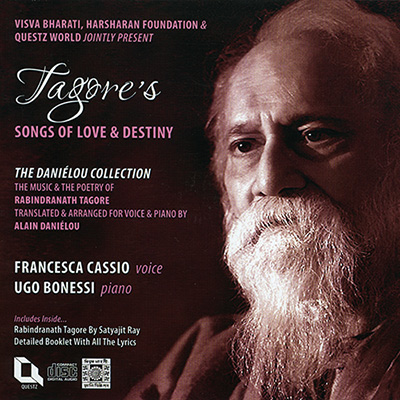
Rabindra Sangeet, the enchanting musical legacy crafted by the renowned poet and composer Rabindranath Tagore, holds a profound place in the hearts of Bengal’s cultural landscape. This unique blend of music and poetry transcends mere entertainment, resonating deeply with listeners through its emotional songs and intricate melodies. Celebrated as a pillar of Bengali songs, Rabindra Sangeet serves as an emotional language that connects generations, encapsulating life’s myriad feelings from joy to sorrow. With over 2,000 compositions, Tagore’s music perfectly intertwines the elements of philosophy, nature, and human emotion, reflecting a rich cultural heritage that continues to inspire. As we delve into the world of Rabindra Sangeet, we unravel not just a musical tradition, but a soulful experience that invites us to explore the depths of our shared humanity.
Exploring Tagore’s music reveals a vibrant tapestry woven from the threads of Bengali culture and artistic expression. Known as the Rabindranath Tagore songs, this genre encompasses a diverse array of emotional tunes that speak to the human experience. The lyrical beauty inherent in these Bengali melodies resonates with listeners, whether through the solemnity of deep reflective pieces or the exuberance of celebratory anthems. Rabindra Sangeet is not merely about music; it embodies a philosophy that fuses lyrical artistry with melodious harmony, ensuring that the listener is not just entertained, but engaged. This cultural phenomenon continues to captivate, offering a window into the heart and soul of Bengali identity and heritage.
The Emotional Depth of Rabindra Sangeet
Rabindra Sangeet, at its core, is more than just a collection of songs; it is a profound exploration of human emotions. Created by the legendary Rabindranath Tagore, these melodies encapsulate the essence of longing, love, and loneliness, weaving intricate narratives through their lyrics. The emotional depth present in Tagore’s music resonates deeply with listeners, making them feel as though they are part of a larger human experience. Each song tells a story, often drawing on themes of nature and its connection to human emotions, which Tagore illustrates brilliantly through his poetic lyrics.
Songs like ‘Amar Sonar Bangla’ not only evoke feelings of nostalgia and patriotism but also serve to bind the Bengali cultural heritage further. The emotional songs of Rabindra Sangeet breathe life into personal and collective memories. They articulate feelings that often go unspoken, tapping into the listener’s experiences, thereby creating a unique emotional landscape where individuals can connect not only with the music but also with each other.
Rabindra Sangeet: A Unique Blend of Music and Poetry
Rabindra Sangeet stands as a testament to the powerful symbiosis of music and poetry, presenting an art form that transcends conventional boundaries. Tagore ingeniously fused various musical traditions—from Hindustani ragas to Western classical influences—into a harmonic structure that is unmistakably unique. This eclectic mix enriches the songs, drawing in listeners from diverse backgrounds. The lyrical content, combined with the melodic craftsmanship, ensures that the songs are not solely for auditory pleasure but are also steeped in literary richness.
In terms of cultural significance, Tagore’s incorporation of poetic elements into his music strengthens the listener’s engagement with the themes presented. Each performance of Rabindra Sangeet transforms into a narrative experience, immersing the audience in a world where each note and word is imbued with meaning. The result is a comprehensive artistic expression that not only entertains but educates, reminding us of the importance of both music and poetry in understanding and articulating the complex emotions that define the human experience.
The Contemporary Relevance of Rabindra Sangeet
In today’s fast-paced world, the quiet elegance of Rabindra Sangeet offers a profound counterpoint to contemporary music trends. While popular music often focuses on short-lived themes and catchy hooks, Rabindra Sangeet invites listeners to pause and reflect. Independent musicians are increasingly integrating Tagore’s compositions into modern genres like jazz and electronic music, creating a revival that respects the core essence of the songs while appealing to younger audiences. This reinvention demonstrates how these melodies can adapt to suit modern sensibilities without losing their emotional resonance.
Moreover, the timeless quality of Rabindra Sangeet reflects the persistent relevance of its themes in contemporary life. Issues such as love, loss, and the search for identity are universal and continue to resonate with today’s generation. As each new listener discovers Tagore’s work, the songs reconfigure to meet their current emotional landscape, mirroring their experiences. This dynamic reinterpretation ensures that Rabindra Sangeet is not merely a relic of the past but a living, evolving tradition that continues to inspire and connect across generations.
Cultural Heritage and Identity in Rabindra Sangeet
Rabindra Sangeet occupies a significant position in the cultural heritage of Bengal, acting as a sonic anchor that informs the identity of the Bengali people. Through his music, Tagore articulated complex social realities, capturing the spirit of his time while addressing universal themes. As a result, these songs have become integral to various life events—from celebrations to solemn occasions—making them a fundamental part of Bengali culture. This seamless integration of music into daily life ensures that Rabindra Sangeet remains a significant element of cultural memory.
As modern society grapples with globalization and cultural dilution, Rabindra Sangeet serves as a reminder of the importance of cultural roots. It encourages individuals, particularly the younger generation, to explore their heritage and understand the narratives that shape their identities. Engaging with these songs fosters a connection to the past while empowering listeners to embrace their unique stories within the broader context of Bengali culture. Thus, Rabindra Sangeet not only illustrates the beauty of Bengali traditions but also galvanizes a sense of belonging in an increasingly interconnected world.
Exploring Nature Through the Lens of Rabindra Sangeet
Nature holds a pivotal place in the realm of Rabindra Sangeet, serving both as a backdrop and an integral part of the emotional proceedings in Tagore’s compositions. From the gentle rise of the sun at dawn to the melancholic chill of wintry nights, Tagore’s music paints vivid images that reflect the human experience through natural phenomena. For instance, the monsoon becomes a powerful metaphor for longing, while the changing seasons, depicted through his lyrical prose, manifest the cycles of hope and despair that characterize life.
This deep interconnection between nature and the emotions articulated in Rabindra Sangeet fosters an empathetic understanding of human feelings in relation to the natural world. Tagore’s respectful representation of the environment not only enhances the aesthetic value of the songs but also serves as a reminder of humanity’s intrinsic bond with nature. By highlighting this relationship, Rabindra Sangeet encourages listeners to appreciate the world around them and recognize how the natural landscape mirrors the emotional landscapes we navigate in everyday life.
The Distinctive Features of Rabindra Sangeet
One of the most distinctive features of Rabindra Sangeet is its hybrid musical structure, which defies categorization by genre or tradition. Tagore’s ability to weave together different musical influences — ranging from classical to folk — lends the songs a rich textural quality. The use of diverse styles allows performers to interpret the pieces in various ways, breathing new life into well-loved compositions while still honoring the original sentiments. This versatility is a crucial factor in the enduring appeal of Rabindra Sangeet, as artists continually find fresh interpretations that resonate with contemporary audiences.
Additionally, the thematic variety of Tagore’s songs is another hallmark of Rabindra Sangeet. Whether addressing social issues, spirituality, or the profound depths of love and loss, each composition carries a depth of meaning that transcends time and speaks to the human condition. This ability to articulate nuanced feelings through music ensures that every rendition of Rabindra Sangeet is not just an act of performance but a heartfelt connection to the deeper truths of life, fostering an intimate relationship between the singer and their audience.
The Art of Expression in Rabindra Sangeet
Rabindra Sangeet’s charm lies in its demand for emotional authenticity rather than mere technical skill. The essence of singing Tagore’s works is captured in the ability to convey the emotions embedded in the lyrics. Performers are challenged to not only master the melodies but to genuinely interpret the feelings behind them. This artistic freedom allows for diverse expressions of Tagore’s emotions, creating a space where singers evoke personal connections with their audiences.
Moreover, this focus on expression brings forth the significance of silence and pauses in Rabindra Sangeet. It is in the moments of stillness that the emotions resonate the most, allowing the audience to reflect on the intricacies of each song. Therefore, Rabindra Sangeet transforms into an evocative experience, where every note and word is laden with meaning, inviting listeners to join in a journey of artistic interpretation and emotional exploration.
The Legacy of Rabindra Sangeet in Modern Times
As we delve into the 21st century, the legacy of Rabindra Sangeet remains as powerful as ever. With popular cultural shifts and the rise of digital media, Tagore’s music has found new platforms and ways to reach audiences. Young artists are reimagining his works, infusing them with contemporary styles while retaining the emotional essence intrinsic to Rabindra Sangeet. This form of artistic homage not only celebrates Tagore’s contributions but also demonstrates the adaptability and ongoing relevance of his music.
Furthermore, institutions dedicated to Rabindra Sangeet ensure that these songs are studied and celebrated within the contemporary musical landscape. Workshops and festivals centered around Tagore’s works serve to prepare new generations to appreciate this artistic heritage. In reinterpreting and performing his compositions, both established and emerging artists forge connections between the past and present, ensuring that Rabindra Sangeet continues to be a vital part of not only Bengali culture but also universal artistic expression.
Frequently Asked Questions
What is Rabindra Sangeet and why is it significant in Bengali culture?
Rabindra Sangeet refers to the collection of songs written and composed by Rabindranath Tagore, which seamlessly blends music and poetry. This form of Bengali songs holds immense cultural significance as it reflects the emotional landscape of human experience, capturing themes of love, loss, and nature. Rabindra Sangeet is deeply rooted in Bengali heritage, often sung during cultural events and personal milestones, representing not just a musical tradition but an integral part of the Bengali identity.
| Key Aspect | Description |
|---|---|
| Origin | Created by Rabindranath Tagore, consisting of over 2,000 songs that blend poetry, philosophy, and melody. |
| Emotional Language | Rabindra Sangeet serves as an emotional language that resonates with Bengali sentiment across generations. |
| Musical Influences | Incorporates various styles including Hindustani classical, Baul music, devotional kirtans, and Scottish folk, yet distinctly Tagore. |
| Nature Motifs | Nature is depicted as vibrant and intertwined with human emotions, making it a significant element in the songs. |
| Performance Style | Focuses on emotional honesty rather than technical mastery; every aspect of the performance holds literary significance. |
| Cultural Integration | Rabindra Sangeet is sung during various life events, from celebrations to moments of grief. |
| Modern Adaptations | Independent artists are reinventing it by merging with genres like jazz and lo-fi, keeping the essence alive. |
| Enduring Relevance | Tagore’s music continues to resonate with new generations, encouraging reflection amidst modern life’s distractions. |
Summary
Rabindra Sangeet stands as a profound musical tradition that seamlessly weaves together the beauty of poetry and the depth of human emotion. Rabindranath Tagore, its illustrious creator, managed to evoke a spectrum of feelings through his over 2,000 melodies, enriching the cultural fabric of Bengal. This unique genre transcends mere entertainment; it becomes a companion to the soul, capturing both joy and sorrow. With its robust integration into everyday life and the ability to adapt to contemporary influences, Rabindra Sangeet not only preserves its timeless essence but also invites new listeners to experience its magic. It represents a rich emotional tapestry that continues to echo the complexities of human existence.