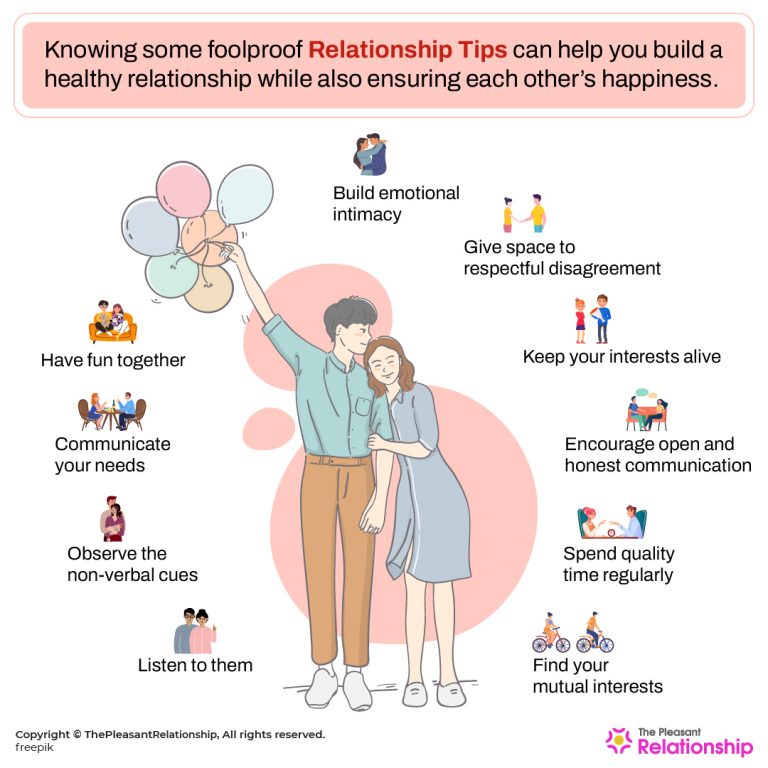
Toxic habits in relationships can quietly erode the foundations of love and trust over time. Often, these detrimental behaviors are subtle and may appear insignificant at first, yet they accumulate to create a suffocating atmosphere. Instead of vibrant emotional connections, couples may find themselves entangled in cycles of criticism and resentment, hindering their ability to cultivate healthy habits. By identifying and addressing these toxic habits early on, individuals can significantly improve their romantic experiences and uphold the essence of support and understanding in their relationships. Implementing practical relationship tips not only fosters healthier interactions but also nurtures a more fulfilling and lasting partnership.
In romantic partnerships, detrimental dynamics often manifest as harmful routines that gradually compromise the quality of love. These negative behaviors, which can include everything from constant nagging to unhealthy comparisons, create an environment where emotional safety is diminished. When couples focus on building constructive habits, they not only enhance their emotional connection but also create space for growth and understanding. By recognizing the symptoms of emotional toxicity, individuals can transform their love lives into healthier narratives, fostering deeper bonds and making informed choices about their relationships. Effective love advice emphasizes the importance of communication and respect, guiding partners toward a more supportive and enriched experience.
Understanding Toxic Habits in Relationships
Toxic habits in relationships often manifest as seemingly innocuous behaviors that can lead to significant emotional fallout. These habits, such as constant criticism or unkind remarks, may initially appear as minor disputes but can deeply erode the trust between partners over time. When one partner continuously undermines the other with negative comments, it creates a cycle of insecurity and resentment, which can disrupt the emotional connection that is vital for a healthy relationship.
Moreover, toxic habits like scorekeeping and holding grudges can prevent couples from moving forward and strengthening their bond. Instead of focusing on progress and growth, these patterns create a competitive atmosphere where each partner is more invested in ‘winning’ arguments rather than fostering a supportive and loving environment. Recognizing and addressing these behaviors is crucial for nurturing a relationship built on mutual respect, understanding, and unconditional love.
Building Healthy Habits for Lasting Love
To combat the detrimental effects of toxic habits, couples must actively work towards establishing healthy relationship habits. This involves open communication, where partners feel safe expressing their feelings and concerns without fear of judgment or backlash. By creating a space for honest dialogue, couples can deepen their emotional connection, facilitating healing and understanding. Positive affirmations and acts of kindness can also serve as powerful tools in reinforcing the bond of love and trust.
Additionally, engaging in shared activities and making time for each other can significantly enhance a relationship’s resilience to toxic influences. Whether it’s exploring new hobbies together or simply prioritizing quality time, these practices foster a sense of partnership that can overshadow negative patterns. By focusing on these healthy habits, couples can cultivate a supportive environment that underscores love advice from experts: a successful relationship thrives on mutual respect, empathy, and the willingness to grow together.
The Impact of Emotional Connection on Relationships
Emotional connection is the backbone of any thriving relationship, acting as the glue that holds partners together through challenges. When couples nurture this connection, they develop a profound sense of understanding and empathy for one another’s feelings. This bond helps mitigate the effects of toxic habits that often seep into romantic partnerships, as partners are more likely to address issues constructively, rather than resorting to blame or criticism.
Moreover, a strong emotional connection promotes healthier conflict resolution strategies. Instead of falling into spirals of responsibility-shifting or defensiveness, partners who feel secure in their emotional attachment are more likely to approach conflicts with a cooperative mindset. This approach leads to healthier outcomes and encourages the involvement of positive coping mechanisms, reinforcing the idea that love flourishes best in an atmosphere of mutual respect and emotional safety.
Recognizing and Addressing Relationship Destructive Behaviors
Recognizing destructive behaviors in a relationship can often be a challenging endeavor. People may become accustomed to toxic habits like passive-aggressiveness or emotional withdrawal, believing they are part of normal relationship dynamics. However, identifying these habits is essential for healing and growth. Couples should take time to reflect on their interactions, looking for patterns of behavior that may indicate unhealthy dynamics. Professional help, such as therapy or counseling, can also provide valuable insights into recognizing and addressing these issues.
Once these toxic patterns are identified, the next step is to actively work towards change. This might involve implementing strategies for better communication, setting boundaries, or even seeking individual therapy to address underlying issues. Focusing on love advice that promotes understanding and connection can also facilitate this process, encouraging couples to align their goals and intentions, thus significantly enhancing the health of their relationship.
Emphasizing the Importance of Communication in Relationships
Effective communication is fundamental in maintaining a healthy relationship, allowing partners to express their needs and resolve conflicts constructively. It’s essential to create an environment where both partners feel heard and valued. Utilizing ‘I’ statements instead of ‘you’ accusations can help diminish defensiveness, fostering a more collaborative atmosphere when addressing issues stemming from toxic habits. The focus should always be on expressing feelings, rather than criticisms, which can tighten the emotional distance between partners.
Moreover, dedicating regular time for discussions about the relationship strengthens communication skills and the emotional bond. This practice encourages both partners to reflect on their feelings and to share experiences that are vital for relationship growth. Through open dialogues and sincere emotional exchanges, couples learn to navigate challenges more effectively, empowering them to engage in healthier habits daily.
Strategies for Fostering a Healthy Emotional Environment
Creating a healthy emotional environment is essential for love to thrive. Acknowledging each partner’s emotions and showing support during difficult times can establish a sense of safety and stability in the relationship. Couples should prioritize validating each other’s feelings, which fosters a culture of empathy and understanding. Such nurturing behaviors can effectively counteract the slow deterioration caused by toxic habits, reinforcing an emotional bond that encourages growth.
In addition, establishing regular check-ins or rituals can further support emotional health. Engaging in practices like gratitude journaling or discussing highlights of the day nurtures positivity within the relationship. These actions promote healthy habits that replace the negativity that often accompanies toxic patterns, ensuring that partners remain aligned in their commitment to fostering a loving and supportive environment.
The Role of Trust in Overcoming Toxicity
Trust is a cornerstone in any relationship and is particularly crucial when overcoming toxic habits. Without trust, emotional connections tend to weaken, leaving couples vulnerable to the harmful effects of resentment and misunderstanding. It’s imperative for partners to demonstrate reliability and integrity through their actions, as rebuilding trust often requires consistent effort over time. This may involve transparent communication about feelings or intentions, which ultimately reinforces the emotional safety net that love needs to flourish.
Additionally, rebuilding trust often involves both partners working through the underlying issues that may have led to toxic behaviors in the first place. Open discussions about past grievances can foster healing and understanding. As couples learn to navigate these difficult conversations, they can clarify their boundaries and expectations, creating a clearer roadmap to a trusting relationship where both partners feel valued and secure.
Tips for Cultivating Emotional Resilience in Relationships
Cultivating emotional resilience is fundamental for enduring love, especially when faced with life’s inevitable challenges. Partners who practice adaptive communication skills, express empathy toward each other’s struggles, and learn to manage stress together are better equipped to handle conflicts without resorting to toxic behaviors. This resilience helps couples navigate rocky patches while preserving their emotional connection.
Moreover, engaging in self-care and encouraging individual growth can also enhance a couple’s ability to cope with stressors. When both partners prioritize their well-being and engage in healthy habits, they contribute positively to the relationship dynamic. This not only fosters a more balanced emotional environment but also strengthens the overall connection, making it more resistant to the adverse effects of toxicity.
Creating a Vision for a Positive Relationship Future
Envisioning a positive future together is crucial for couples seeking to defend their relationship against toxic habits. By outlining shared goals and aspirations, partners can develop a roadmap that reinforces their commitment to cultivating love and respect. This vision serves as a motivational anchor, reminding them of their dedication to each other amidst daily stressors and challenges.
Furthermore, regularly revisiting and updating this vision encourages ongoing communication and growth within the relationship. Whether it’s discussing future plans, dreams, or simply reflecting on past experiences, such dialogues deepen the emotional connection and strengthen the bond. In doing so, couples create a resilient foundation that is less likely to succumb to the toxic habits that can gradually erode the love they share.
Frequently Asked Questions
What are some toxic habits in relationships to be aware of?
Toxic habits in relationships can include behaviors like constant criticism, scorekeeping over grievances, harboring resentment, and poor communication. These habits undermine trust and create emotional distance, which can damage the love and connection between partners. Recognizing and addressing these patterns early on is key to fostering healthier habits in your relationship.
| Key Toxic Habits | Impact on Relationships |
|---|---|
| Criticism | Erodes self-esteem and fosters defensiveness. |
| Scorekeeping | Creates resentment and detachment between partners. |
| Resentment | Builds walls and distance, hindering emotional connection. |
| Neglect | Leads to feelings of unworthiness and isolation. |
| Blame | Promotes hostility and avoids personal accountability. |
| Lack of communication | Creates misunderstandings and unresolved issues. |
| Contempt | Destroys intimacy and respect, paving the way for hostility. |
| Withholding affection | Results in emotional disconnect and frustration. |
| Avoidance | Prevents issues from being resolved, causing accumulation of problems. |
| Dishonesty | Breeds mistrust and can lead to relationship breakdown. |
Summary
Toxic habits in relationships can gradually deteriorate the love and connection between partners. These detrimental behaviors, which often start as minor issues like criticism and scorekeeping, can silently accumulate over time, tightly constricting the emotional bond. To salvage a relationship, it is crucial to recognize and address these toxic patterns early on. By fostering open communication and understanding, couples can replace these habits with healthier alternatives, ensuring the love they have nurtured can flourish rather than falter.