Tragedy struck in Arunachal Pradesh’s Tirap district when a man became the victim of an accidental shooting during what was supposed to be a routine hunting trip. The incident, which has underscored the serious implications of firearm safety, resulted in the death of 54-year-old Longkhon Lama, a local from Borduria village. Reports indicate that while Lama and his companion were deep in the forested areas, a firearm was discharged by accident, leading to his untimely demise. This unfortunate hunting accident has not only left a community in mourning but also brought into sharp focus the pressing need for adherence to hunting safety tips to prevent such incidents in the future. As investigations continue into the Tirap incident, the emphasis on responsible firearm handling becomes increasingly critical to safeguard against similar tragedies.
In recent events, firearm-related mishaps have come under scrutiny, particularly in activities such as hunting where enthusiasm can sometimes overshadow safety. An unfortunate person was fatally injured during a hunting excursion in the forested regions of Arunachal Pradesh, highlighting the devastating potential of careless handling of weapons. Such incidents serve as grim reminders of the importance of strict adherence to safety protocols to avoid tragic outcomes. With community traditions interwoven with hunting practices, it is essential to balance cultural heritage with the necessary precautions amidst ongoing inquiries like the current investigation into this alarming shooting. The call for heightened awareness surrounding hunting safety and responsible firearm usage is now more critical than ever.
Understanding Accidental Shooting Incidents in Hunting
Accidental shootings during hunting expeditions are tragically common and underscore the importance of firearm safety. Incidents like the one in Tirap, Arunachal Pradesh, where 54-year-old Longkhon Lama lost his life, illustrate the dire consequences of mishandling firearms in the heat of the hunt. Such accidents can occur when hunters are not fully aware of their surroundings or when they fail to follow essential safety protocols. This unfortunate event highlights the urgent need for education on hunting safety tips to prevent accidental discharges and injuries in the future.
Moreover, awareness around hunting safety involves understanding the legal implications and responsibilities that come with wielding a firearm. The ongoing investigation into the Tirap incident is an essential step in determining whether negligence was involved. Such inquiries not only serve to clarify the circumstances that led to a tragic accident but also aim to enforce and adapt hunting regulations to ensure that similar incidents do not occur. For communities deeply rooted in hunting traditions, adhering to these safety measures reflects both respect for the practice and commitment to community wellbeing.
Hunting Safety Tips to Prevent Accidents
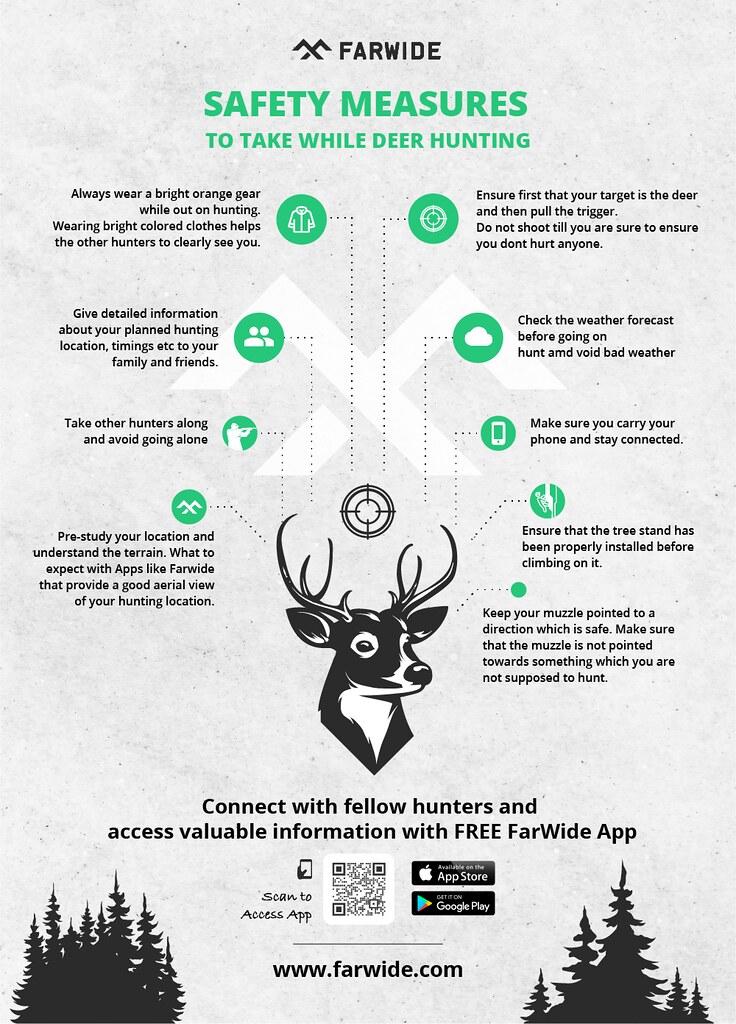
To mitigate the risks of hunting accidents, it is crucial for hunters to adhere to a strict set of safety guidelines. Basic safety tips include always treating a firearm as if it were loaded, keeping the muzzle pointed in a safe direction, and never reaching for a firearm until fully prepared to shoot. Additionally, wearing bright colors can help increase visibility among companions and avoid misidentification, which could lead to accidental shootings. When entering treacherous terrains like those in Arunachal Pradesh, it’s paramount to remain cautious and vigilant, further reducing the likelihood of mishaps.
Hunting accidents not only devastate families and communities but can also lead to long-term legal consequences for those involved. Proper training – including workshops on firearm safety – ensures that all participants in a hunting expedition understand the necessary precautions. Communities like the indigenous Nocte and Wancho, while preserving traditional hunting practices, must engage in ongoing dialogue about hunting safety. By sharing knowledge and experiences, local hunters can uphold their cultural customs responsibly while safeguarding their wellbeing and that of their companions.
The Impact of Wildlife Protection Laws on Hunting Practices
Hunting in regions such as Arunachal Pradesh is deeply intertwined with cultural practices among indigenous communities, yet it exists within a framework of wildlife protection laws designed to maintain ecological balance. These regulations aim to prevent over-hunting and protect endangered species, reflecting a societal shift toward sustainability. The Tirap incident, involving a tragic accidental shooting, brings forward concerns over adherence to these laws and the responsible use of firearms during hunting. The legal ramifications of accidental shootings can be significant, leading to stricter enforcement and education regarding hunting practices.
Moreover, the local government’s responses to hunting incidents are crucial in shaping the dialogue around sustainability and safety in hunting. As authorities investigate the accidental shooting involving Longkhon Lama, the outcome may have lasting implications for hunting regulations and community practices in Tirap. Awareness campaigns and community-driven solutions could play a pivotal role in educating hunters on wildlife protection laws and enhancing overall safety measures. This ongoing evolution of understanding cultural practices in tandem with legal frameworks is essential for maintaining the delicate balance between tradition and conservation.
Community Reactions to Hunting Incidents and Firearm Safety
Following the accidental shooting of Longkhon Lama, reactions from the local community in Tirap have been one of shock and mourning. Such incidents stir not only grief but also conversations about the importance of firearm safety and responsible hunting practices. This particular case has prompted discussions around the need for community-led initiatives aimed at educating hunters, particularly among the indigenous Nocte and Wancho tribes. By openly addressing these issues, community members can work towards establishing a culture of safety that honors their traditions while prioritizing lives.
Furthermore, community engagement in firearm safety dialogues can lead to proactive measures and policies that ensure the hunting customs are preserved without compromising safety. Local leaders and hunting groups may focus on providing workshops that outline proper firearm handling, emphasizing the connection between cultural heritage and responsible hunting. These educational efforts could also facilitate discussions on the legal aspects of hunting, ensuring that community members are aware of wildlife protection laws that govern their practices. Ultimately, such a comprehensive approach fosters a safer environment in which traditions can thrive harmoniously with modern safety standards.
The Role of Investigations in Hunting Accident Cases
Investigations into hunting accidents, such as the tragic shooting in Tirap, serve not only to clarify the specific circumstances of an incident but also to prevent future occurrences. Authorities conduct thorough inquiries to assess compliance with hunting safety protocols and to identify any negligence or illegal practices that may have contributed to the accident. The findings can lead to important policy changes within the community, emphasizing the need for firearm safety training and adherence to wildlife protection laws.
Moreover, an investigation can bring closure to the affected families and the community by establishing clear facts surrounding the incident. In the case of Longkhon Lama, local authorities are tasked with uncovering the details that led to his fatal injury and whether all parties involved followed mandated safety measures. These investigations contribute to a broader understanding of hunting practices within the region and impact the ongoing dialogue about the importance of safety and legal adherence in hunting, ensuring that cultural traditions can persist while minimizing risks.
Cultural Significance of Hunting Among Indigenous Communities
Hunting has long been a vital part of cultural identity for many indigenous communities in Arunachal Pradesh, particularly among the Nocte and Wancho tribes. It represents not only a means of sustenance but also a tradition that fosters a deep connection to land and nature. However, with traditional practices come the responsibilities of ensuring that they are conducted safely and legally. The recent accidental shooting incident in Tirap serves as a poignant reminder of the importance of balancing cultural practices with the imperative of safety and conservation.
Community leaders often emphasize the cultural significance of hunting during discussions about safety and legal regulations. By integrating modern firearm safety education with traditional hunting knowledge, these communities can sustain their heritage while promoting responsible practices. The preservation of traditions such as hunting requires ongoing dialogue about the risks involved and how best to mitigate them, illuminating the relationship between cultural identity and safety in hunting expeditions.
Legal Consequences and Responsibilities in Hunting
The legal implications of hunting accidents can be complex, often encompassing wildlife protection laws, liability issues, and community regulations. In Arunachal Pradesh, where hunting is culturally significant yet contentious due to environmental concerns, understanding the legal responsibilities of hunters is crucial. The investigation into the accidental shooting that occurred in Tirap will likely touch upon whether all local laws were adhered to during the incident. Such inquiries are essential for ensuring accountability and fostering safe hunting practices.
Additionally, community awareness of these laws helps reinforce the importance of safe behavior during hunting expeditions. When hunters are informed about their responsibilities, including the legal consequences of negligence, it fosters a culture of safety and respect for both wildlife and fellow hunters. The tragic event involving Longkhon Lama serves as a stark reminder of the stakes involved in hunting and the need for ongoing education surrounding legal frameworks and safety measures within these indigenous communities.
The Importance of Firearm Safety Training in Hunting
Firearms play a vital role in the hunting practices of many communities, particularly in regions like Arunachal Pradesh. However, the safe handling and management of these weapons are paramount to prevent accidents, as evidenced by the recent tragic incident in Tirap. Firearm safety training equips hunters with the knowledge and skills needed to handle guns responsibly, which can drastically reduce the likelihood of accidental discharges. Training programs typically cover key principles such as safe loading and unloading, maintaining situational awareness, and the importance of proper storage.
Moreover, regular training sessions can foster a culture of safety within hunting communities. As people come together to learn and share experiences, they are more likely to commit to safe practices in the field. This collective responsibility enhances the overall safety of hunting expeditions and ensures that traditional practices can continue without unnecessary risk. In the wake of recent incidents, there is an increasing urgency for such training to be integrated into community hunting customs, further validating the importance of firearm safety.
Frequently Asked Questions
What safety measures can prevent accidental shootings during hunting expeditions in Arunachal Pradesh?
To prevent accidental shootings during hunting expeditions in Arunachal Pradesh, it’s crucial to follow rigorous firearm safety protocols. Always treat every firearm as if it is loaded, ensure the muzzle is pointed in a safe direction, and keep your finger off the trigger until you are ready to shoot. Additionally, communicate clearly with your hunting companions about your positions and intentions to minimize misunderstandings that could lead to tragic accidents, similar to the unfortunate Tirap incident. Attending hunting safety courses and adhering to local wildlife regulations can further enhance safety during these activities.
| Key Points |
|---|
| Incident occurred in Tirap district, Arunachal Pradesh during a hunting trip. |
| The victim, Longkhon Lama, aged 54, was a local resident from Borduria village. |
| Accidental discharge of a firearm led to fatal injuries; Lama died on scene. |
| Local authorities are investigating the incident, focusing on the circumstances leading to the shooting. |
| Hunting is a traditional activity for the indigenous Nocte and Wancho communities in the region. |
| The incident raises concerns regarding firearm safety and legal regulations surrounding hunting. |
Summary
Accidental shooting incidents, such as the tragic case of Longkhon Lama, highlight the inherent dangers associated with hunting practices. On a fateful Saturday evening in Tirap district, Arunachal Pradesh, a hunting trip turned fatal when a firearm was accidentally discharged, resulting in the death of a local man. This shocking event has prompted investigations into hunting safety regulations and the practices of firearm handling in the region. With hunting being a longstanding tradition among local indigenous communities, the balance between cultural practices and safety is under scrutiny. As the inquiry unfolds, it serves as a sobering reminder of the importance of adhering to strict safety measures when engaging in hunting activities.