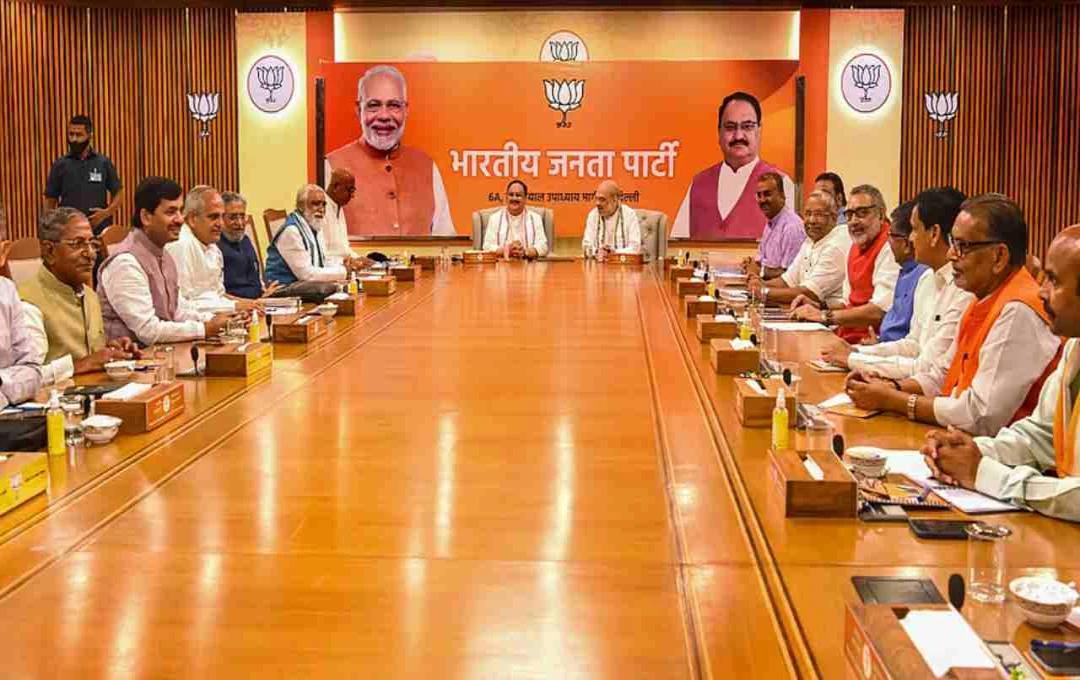
The BJP assembly elections mark a decisive point in the political landscape of India, particularly following the party’s monumental victory in West Bengal where they clinched over two-thirds of the seats. This remarkable win not only reinforces the BJP’s foothold in Indian politics but also bolsters its increasing clout within the Rajya Sabha, setting the stage for crucial decisions in the upcoming presidential election. With an analysis of BJP dominance revealing robust strategies, the party’s ability to maneuver through legislature intricacies becomes evident, especially considering the varying weight of MLA votes across different states. Moreover, the success in assembly elections may reflect voter sentiments that influence broad presidential election predictions across the nation. As BJP continues to assert its presence, the implications for future governance and legislative alignment become a pivotal topic of discussion among political analysts and citizens alike.
The recent assembly election outcomes for the Bharatiya Janata Party (BJP) have generated significant interest and debate in political circles. Following their impressive performance in West Bengal, where they secured numerous seats, the party’s strategic positioning for the upcoming presidential elections seems increasingly favorable. The representation dynamics in political forums like the Rajya Sabha further amplify their influence, suggesting a calculated approach to governance. Additionally, understanding the relative weight of votes from MLAs compared to MPs reveals the intricate electoral strategies at play. As observers dissect the implications of BJP’s electoral success, especially in light of previous electoral trends, the discourse on their sustained political dominance is set to take center stage.
The Impact of BJP Assembly Elections on Presidential Predictions
The recent outcome of the BJP assembly elections has sent ripples across the political landscape, particularly in the context of the upcoming presidential elections. With the BJP securing a historic win in West Bengal by clinching over two-thirds of the seats, the party’s strategic positioning is stronger than ever. As we look ahead, the eyes of the nation are focused on how these results will influence the party’s presidential election predictions. The success in West Bengal not only marks a significant milestone for the BJP but also empowers them with a remarkable narrative of dominance that they will likely leverage during the presidential campaigns.
Moreover, the BJP’s increased representation in the Rajya Sabha further solidifies its standing as a key player in national politics. This parliamentary strength is vital, particularly in the context of presidential elections where coalition-building is essential. The BJP’s ability to dictate terms hinges not only on their assembly victories but also on their strategic maneuvers within the Rajya Sabha. As the party anticipates these elections, the interplay between MLA vote weights in various assemblies and the overall representation in parliament will be crucial. Understanding these dynamics is key to grasping the full scope of how the BJP plans to navigate the upcoming political terrain.
BJP Dominance and the Weight of MLA Votes in Electoral Strategy
Analyzing the recent BJP assembly election victories reveals the intricate relationship between MLA vote weight and electoral strategy. In India’s unique electoral system, while all MPs have an equal vote value, the weight of an MLA’s vote varies significantly. For instance, in the context of the upcoming presidential elections, states like Uttar Pradesh play a pivotal role as they hold a substantial voting weight of over 83,800 for MLAs. This demographic fact underscores how the BJP can strategically marshal its resources and political influence to maximize support from such high-impact regions.
Furthermore, the BJP’s substantial gains in assembly elections serve as a foundation for bolstering its Rajya Sabha representation. This is particularly important as the party braces for the complexities of the presidential elections. In Maharashtra, Bengal, and Uttar Pradesh, the weighted votes highlight distinct advantages for the BJP, especially when influencing legislative decisions. This dominance analysis allows for deeper insights into how the party intends to leverage its assembly successes and reshape national policies to secure and enhance its control over the political narrative leading up to the presidential election.
Understanding the Role of Rajya Sabha Representation in BJP’s Strategy
The BJP’s increasing representation in the Rajya Sabha is a crucial element of its overall electoral strategy as it heads towards the presidential elections. Enhanced Rajya Sabha presence not only allows the party to maintain legislative control but also offers a platform to influence key decisions. This representation signifies the party’s commitment to capitalize on its assembly election successes, where a well-structured and robust parliamentary representation could tip the scales in the BJP’s favor during national elections.
As the BJP’s narrative of dominance continues to unfold, the implications of Rajya Sabha representation become increasingly significant. Each seat in the Rajya Sabha allows the party to expand its legislative agenda, reflecting the desires of its assembly constituents. The alignment of assembly success with strong parliamentary representation creates a feedback loop of influence, where victories at the state level bolster the party’s position in national politics. Therein lies a pathway that the BJP can utilize adeptly as it gears up for the upcoming presidential race.
Navigating Presidential Elections with BJP’s Assembly Gains
The BJP’s sweeping victories in recent assembly elections set the stage for a turbulent yet strategic approach to the upcoming presidential elections. The party’s first-time win in West Bengal, marking a significant political shift, illustrates its ability to adapt and thrive in challenging environments. Such victories are not just numbers; they represent a larger narrative that the BJP can wield to galvanize voter support across the country. The strategic implications of these wins will guide how the BJP crafts its campaign messages as it seeks to consolidate its strengths into presidential election preparations.
These assembly gains serve as a cornerstone for the BJP as it seeks to secure a significant slice of the electoral pie during the presidential elections. With the weight of MLA votes acting as a determinant of influence, the party’s strategy will likely involve targeting regions where their victories can be harnessed effectively. In essence, the overlap between assembly success and national strategy will be paramount; the BJP aims to showcase its governance capabilities at the state level as a testament to what it could achieve nationally.
The Weight of Voting Power: BJP’s Focus on MLA Influence
Understanding the distribution of vote weights among MLAs provides insightful perspectives on the BJP’s electoral strategies. In the upcoming presidential elections, states with higher MLA vote weights become battlegrounds where every political move could have significant implications. As the BJP continues to assert its dominance in various state assemblies, the ability to utilize these weighted votes effectively is crucial to their strategic planning. The disproportionate influence of states like Uttar Pradesh, given their substantial MLA voting power, illustrates the importance of targeted outreach and engagement in these regions.
Moreover, the BJP’s understanding of its MLA vote weights is critical in shaping its campaign approaches. With the party wielding significant influence in assemblies, they can create tailored strategies that resonate with both regional and national narratives. As we approach the presidential elections, how the BJP navigates these complexities will be a key indicator of its ability to maintain and expand its dominance. This interplay between state-level victories and national aspirations will undoubtedly shape the political landscape.
Analyzing BJP’s Electoral Strategy Through Assembly Wins
The BJP’s impressive performance in recent assembly elections accentuates its electoral strategy that garners both grassroots support and parliamentary strength. With victories across various states, including West Bengal, the BJP is navigating a path that allows it to dictate terms leading into the presidential election. These assembly wins are not merely a sign of popularity; they are a tactical advantage that the party is likely to leverage in mobilizing resources and aligning party members toward a unified electoral goal.
Furthermore, this trend raises questions about the sustainability of BJP dominance in future elections. While assembly wins bolster confidence, the intricate relationship between MLA and MP vote weights complicates the outlook for the upcoming presidential race. The BJP needs to maintain a careful balance between assembly achievements and national aspirations to ensure that momentum does not falter as voters scrutinize the party’s broader impact on governance.
Future Implications of BJP’s Assembly Success for National Politics
The implications of the BJP’s assembly successes extend well beyond state boundaries, significantly affecting national political landscapes. The party’s stronghold in regions where it has recently triumphed not only strengthens its legislative power but also shapes public perceptions ahead of major elections. By showcasing effective governance at the state level, the BJP can craft compelling narratives that resonate with both regional constituents and the national electorate, potentially securing critical votes during the presidential election.
As we look ahead, understanding the domain of power shaped by these assembly victories becomes vital for political analysts and opponents alike. The BJP’s ability to convert these local successes into national influence hinges on its strategic engagements and adaptability. The assembly elections have set a precedent that could reshape the dynamics of electoral competition, illustrating how local governance can wield significant sway in the arena of national politics.
Strategic Considerations in BJP’s Upcoming Presidential Campaign
As the BJP gears up for the presidential elections, strategic considerations must encompass both the party’s recent assembly election successes and the broader political climate. Historical patterns suggest that assembly performance often correlates with presidential aspirations, highlighting the need for the BJP to present its recent victories as indicators of future governance capability. This framing can significantly bolster public confidence in their leadership and solidify their base as they prepare for a nationwide electoral battle.
Additionally, the alignment of MLA vote weights with strategic campaigning will be crucial as the BJP seeks to mobilize support effectively. The party’s challenge will lie in converting its assembly strengths into a cohesive narrative that appeals not only to regional voters but also to the diverse electorate at the national level. The strategies developed in light of recent assembly successes will play a pivotal role in navigating the political terrain leading up to the presidential elections.
Frequently Asked Questions
What factors contributed to the BJP’s assembly elections win in West Bengal?
The BJP’s assembly elections win in West Bengal can be attributed to several key factors including strong grassroots campaigning, significant financial resources, and effective messaging that resonated with voters’ concerns. Their dominance analysis indicates a shift in voter sentiment, enabling them to secure over two-thirds of the seats. This victory enhances their influence, not just in West Bengal, but also sets the stage for their role in the upcoming presidential elections.
| Key Points | Details |
|---|---|
| BJP Assembly Elections Victory | The BJP won a significant number of assembly elections, notably achieving their first major victory in West Bengal. |
| Strength in Rajya Sabha | The party’s growing representation in the Rajya Sabha enhances its influence and power. |
| Impact on Presidential Elections | The BJP’s electoral strength is likely to enable it to play a decisive role in the upcoming presidential elections. |
| Lok Sabha Majority Concerns | The BJP’s loss of majority in recent Lok Sabha elections raises questions about its future dominance. |
| Voting Power Explained | Parliament and assemblies hold equal voting power, but the weight of votes for MPs and MLAs differs due to population sizes. |
| Key State Importance | Uttar Pradesh holds a critical position in presidential polls due to the high vote weight of its MLAs. |
Summary
The BJP assembly elections have underscored the party’s pivotal role in shaping India’s political landscape. Following their impressive victories, especially in West Bengal, the BJP’s influence appears more potent than ever, particularly with an increased say in the Rajya Sabha that positions them strongly for the upcoming presidential election. Although their loss of majority in the Lok Sabha elections raises important questions about sustained electoral dominance, the party’s recent successes can positively impact its strategic decisions moving forward. The significant weight of votes from states like Uttar Pradesh will also play a crucial role in determining the outcome of future elections, highlighting the complexity and importance of regional representation in India’s democratic process.