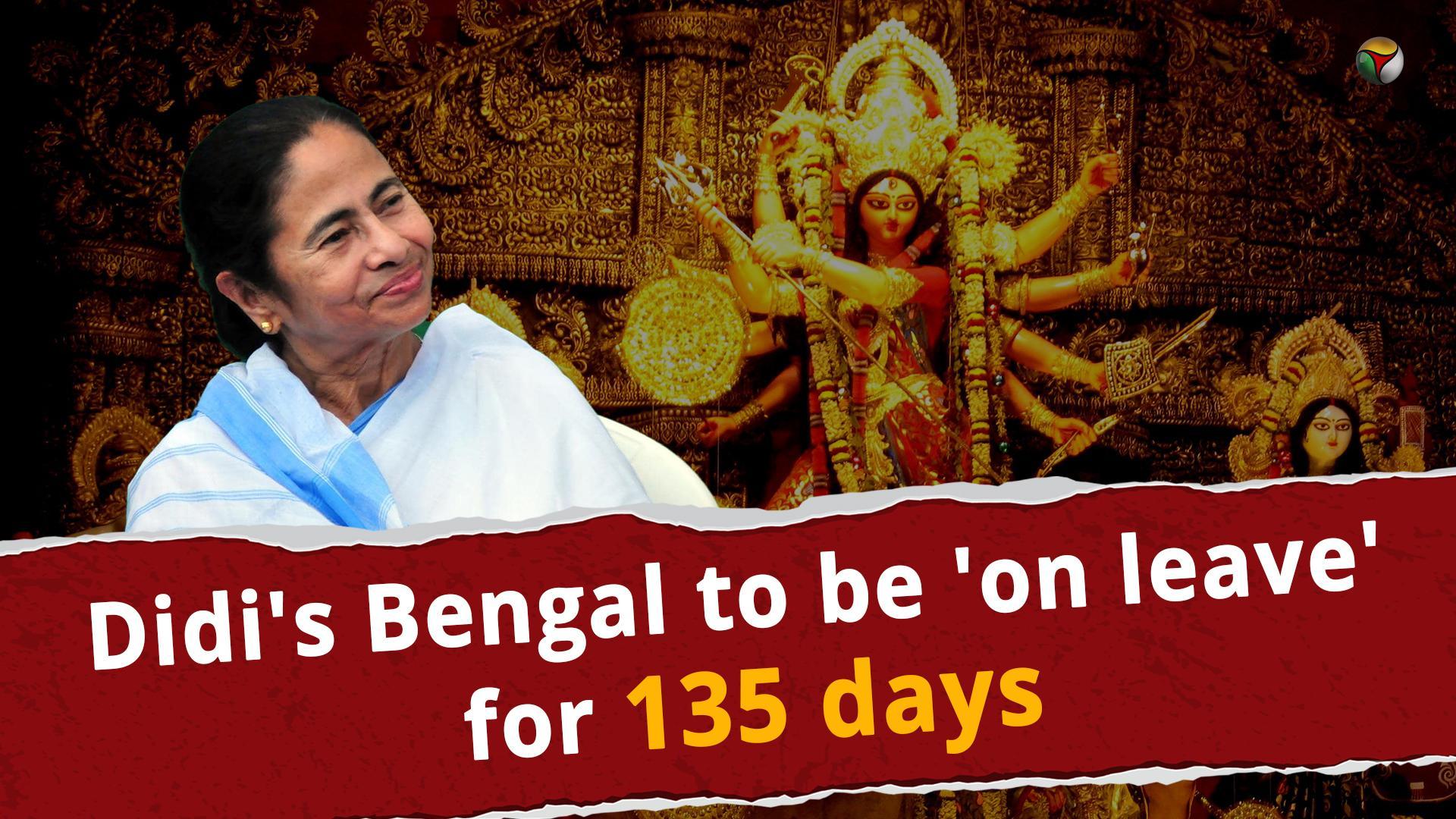
Didi’s Bengal has witnessed a seismic shift in its political landscape following the historic 2026 West Bengal Assembly election. This pivotal moment saw the Bharatiya Janata Party (BJP) surging to power with a staggering 207 seats, marking a monumental end to the Trinamool Congress (TMC) dominance that had defined the state for 15 years. The unexpected loss of Mamata Banerjee in her home constituency is a stark indicator of the TMC’s political downfall and reflects the changing sentiments within West Bengal politics. As the BJP’s victory in Bengal resonates through the political corridors, it signifies not just an electoral win but a deeper transformation in the regional identity, complicating future narratives in the aftermath of Mamata Banerjee’s loss. This shift raises questions about the sustainability of political hegemonies and sets the stage for a new era in Bengal’s complex governance landscape.
The recent developments in Bengal’s political scene have marked a notable turning point, often referred to as the Fall of Didi’s Bengal. The 2026 Assembly election has unveiled the emerging dynamics within the state’s governance framework, leading to discussions centering on the Bharatiya Janata Party’s (BJP) formidable emergence at the expense of the Trinamool Congress (TMC). This transition is not only pivotal for West Bengal politics but also reignites the broader debate about political resilience and accountability in the face of corruption allegations and governance fatigue. As Mamata Banerjee’s significant defeat underscores a shift in public sentiment, it raises a critical inquiry into the future trajectories of regional political parties. Analyzing the intricate web of electoral strategies and socio-political engagement provides insight into this remarkable transformation within Bengal.
The Rise of BJP in Didi’s Bengal
The recent developments in West Bengal politics have showcased the extraordinary rise of the Bharatiya Janata Party (BJP), which has transformed from an outsider to the ruling power in the state. The 2026 Bengal Assembly election marked a pivotal moment in the region’s political landscape, with the BJP securing a staggering 207 out of 294 seats. This result not only reflects a significant change in voter sentiment but also highlights the erosion of support for the All India Trinamool Congress (TMC) led by Mamata Banerjee. As the election outcome unfolded, it became evident that the BJP’s strategy to appeal to various demographics—ranging from Scheduled Castes and OBC Hindus to tribal groups—had resonated deeply with the electorate, catalyzing a widespread shift towards the party and away from the longstanding TMC stronghold that defined West Bengal politics for over a decade.
Furthermore, the BJP’s elevation to power can be attributed to its masterful blend of grassroots organization and cutting-edge political narrative. Unlike past campaigns, the 2026 election strategy focused not just on Hindutva ideology but also on welfare promises that appealed to the hope for governance and stability. With an agenda that included a call for a ‘double-engine government’ to enhance collaboration between the state and central authority, the BJP tapped into a public yearning for seamless administration backed by strong leadership. The TMC’s long-standing governance fatigue combined with corruption allegations and public disapproval over local syndicate control, were key catalysts in the BJP’s triumph over Mamata Banerjee’s regime.
Mamata Banerjee’s Political Downfall
Mamata Banerjee’s defeat in the 2026 elections marks a significant political downfall that reverberates through Didi’s Bengal. Once hailed as a charismatic leader capable of mobilizing the masses against the Left Front, her loss in Bhabanipur to Suvendu Adhikari—her former aide—symbolizes the unravelling of a political dynasty that relied heavily on personal charisma rather than institutional strength. Many voters, who had once rallied behind her in the spirit of ‘Maa, Mati, Manush’, began to view her governance as increasingly disconnected from their needs. Challenges such as rampant corruption, rising crime rates, and allegations of patronage led to disillusionment, particularly among women’s groups and educated youth who had initially supported her reforms.
As public perception shifted, the emotional connection Banerjee relied on began to fray. Incidents like the tragic rape and murder of a trainee doctor not only sparked widespread protests but also underscored an alarming sense of safety and justice degradation in the state under TMC rule. Voters who once saw her as a beacon of hope began to associate her leadership with ineffectiveness, driving many towards the BJP’s promise of order and accountability. Mamata Banerjee’s political downfall serves as a potent reminder of how swiftly public sentiment can fluctuate in Bengal—a state that historically rewards accuracy in governance and punishes perceived failures.
Impact of Electoral Manipulation Allegations
The 2026 West Bengal election not only represents a significant political shift towards the BJP but is also marred by allegations of electoral manipulation that have raised critical questions about the integrity of the democratic process. Reports of the controversial Special Intensive Revision of voter rolls, wherein nearly ninety lakh names were reportedly removed, underlined concerns regarding the fairness of the election. Critics argue that this revision disproportionately impacted minority and migrant communities, creating an environment of distrust that clouds the legitimacy of the new ruling party. The opposition, including the TMC, has vociferously contested the methods employed by electoral authorities, alleging that this manipulation enabled a ‘controlled’ election outcome favoring the BJP.
Such accusations highlight a deeper malaise within Indian electoral politics, particularly in a state like West Bengal, known for its politically conscious electorate. The perception that electoral manipulation played a role in determining the outcome risks setting a dangerous precedent, where public disillusionment with the electoral process could lead to longer-term impacts on voter engagement and trust in democratic institutions. While the BJP’s victory signifies a transition in power dynamics, the underlying controversies surrounding the electoral process and the participation rights of marginalized groups continue to challenge the narrative of a completely fair electoral exercise.
The Future of West Bengal Politics
Looking ahead, the victory of the BJP in West Bengal poses both challenges and opportunities for the future of the state’s politics. As a region with a rich history of political activism and ideological diversity, the rise of the BJP signifies a departure from decades of TMC dominance and the beginning of a new political narrative. The success of the BJP in Bengal can act as a blueprint for other political parties, demonstrating the importance of resonance with local concerns and the need for adaptive strategies in governance. However, this transition also brings with it a distinctive challenge for the BJP—ensuring that its governance doesn’t replicate the hubris associated with the previous regimes that ultimately lost public favor.
The historical context of Bengal politics indicates that no political order remains immutable; rather, it is subject to the changing tides of public sentiment and accountability. The BJP must navigate the historical legacy of Bengal, where public expectations for effective and transparent governance are high. As the party embarks on a new chapter, it faces the critical task of building institutional credibility while avoiding the pitfalls of over-centralization and patronage that led to the downfall of the TMC. How the BJP addresses issues of governance, public welfare, and institutional integrity will be essential in determining whether their political foothold in Didi’s Bengal can endure or if they too will face a similar fate.
Frequently Asked Questions
What led to the TMC’s political downfall in Didi’s Bengal during the 2026 Assembly election?
The Trinamool Congress (TMC) faced a significant political downfall in Didi’s Bengal during the 2026 Assembly election primarily due to a combination of factors. These included widespread corruption allegations, such as the teacher recruitment scam, which alienated the youth and disillusioned voters. Additionally, the increasing perceptions of lawlessness and failure to effectively address public grievances contributed to declining support for Mamata Banerjee. The BJP’s rise, marked by substantial grassroots organization and an appealing governance narrative, was pivotal in reshaping the electoral landscape and leading to the TMC’s defeat in this historic election.
| Key Point | Details |
|---|---|
| Electoral Shift | BJP’s historic win with 207 seats against TMC’s 80, marking a dramatic power reversal. |
| Loss of Didi’s Citadel | Mamata Banerjee lost in Bhabanipur to Suvhendu Adhikari, symbolizing end of TMC’s dominance. |
| Historical Context | Political history of West Bengal characterized by long regimes and sudden upheavals. |
| Rise of Mamata Banerjee | Emerged against Left Front’s authoritarianism with welfare schemes and public support. |
| Corruption Scandals | Allegations of corruption and ‘cut-money culture’ dwindled TMC’s popularity. |
| BJP’s Strategy | Combined nationalism with welfare promises, aiming to unify disenchanted voter bases. |
| Electoral Controversies | Special Intensive Revision of electoral rolls alleged to disenfranchise numerous voters. |
| Historical Lessons | Political complacency breeds failure; parties must remain accountable and transparent. |
Summary
The fall of Didi’s Bengal marks a pivotal moment in the state’s political narrative, signifying not just a shift in power but also a profound transformation in the political landscape of West Bengal. This election, held in 2026, has revealed an electorate that is critically engaged, ready to dismantle long-standing authorities when they become complacent. Mamata Banerjee’s legacy, once celebrated for empowerment and rebellion against the Left Front, now serves as a cautionary tale; it illustrates that even charismatic leadership can falter amid growing public disillusionment and claims of corruption. As the BJP rises to prominence, the implications for West Bengal’s future governance raise important questions about the balance of power, institutional integrity, and regional identity in India’s diverse democratic tapestry.