The energy crisis in India has become increasingly pressing as global tensions disrupt energy supplies and economic stability. Recently, Prime Minister Narendra Modi urged citizens to exercise caution when using petroleum products amidst these rising challenges. This call for conservation reflects a vital need to adapt in a landscape where India’s dependence on imported fuels is strained. Fortunately, India’s significant strides in renewable energy, particularly solar power advancements, put the nation on a promising path toward sustainability. By promoting initiatives such as the CNG transport ecosystem and blending ethanol with petrol, India is actively working to mitigate its energy crisis and secure a resilient energy future.
As the nation grapples with a concerning energy shortage, discussions surrounding the electricity dilemma in India have gained traction. Prime Minister Narendra Modi has highlighted the importance of judicious fuel use while emphasizing the crucial role of renewable resources. With advancements in solar energy and an ambitious push for a sustainable transport network powered by compressed natural gas (CNG), India is embracing alternatives to combat the energy shortfall. The government’s focus on petroleum product conservation is not only aimed at reducing reliance on imports but also at fostering long-term energy independence. Overall, the country’s commitment to expanding renewable energy initiatives plays a central role in navigating this pressing energy challenge.
Navigating the Energy Crisis in India
The energy crisis in India is a pressing concern exacerbated by global geopolitical tensions, especially in West Asia. Prime Minister Narendra Modi’s call for cautious use of petroleum products resonates with the urgent need to stabilize energy consumption. As supply chains for global energy supplies become increasingly disrupted, India finds itself in a precarious position where imported fuels are not as reliably accessible as they once were. This scenario necessitates a reevaluation of energy strategies, pushing the government and citizens alike to prioritize conservation and efficient usage.
In response to these challenges, India is now focusing on maximizing the efficiency of its energy resources. The government’s initiatives, geared towards reducing dependence on imported petroleum products, are becoming crucial. By promoting resource conservation and the transition to renewable energy sources, India aims to minimize the effects of international tensions on its energy framework. This strategic shift will not only help in conserving foreign exchange but also prepare the nation for a future less reliant on precarious international energy markets.
Advancements in Renewable Energy in India
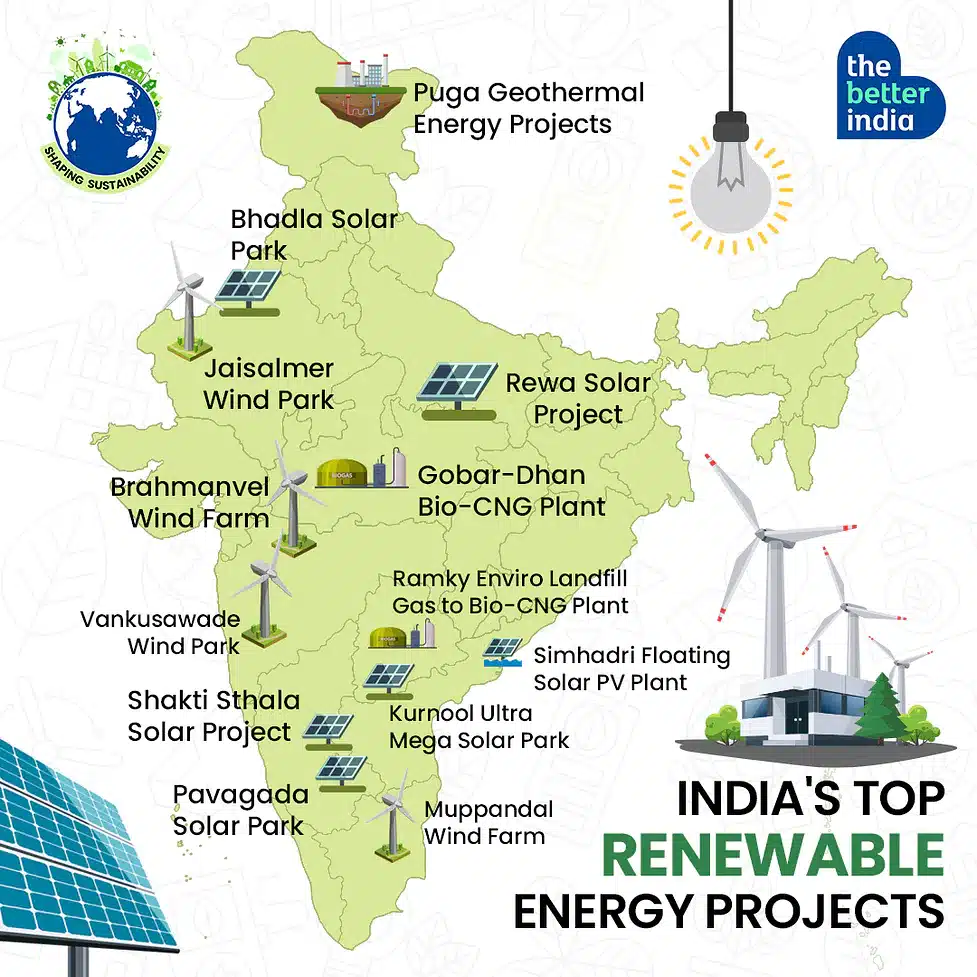
India has made significant strides in renewable energy, particularly solar power, positioning itself among the top countries globally in this sector. The Prime Minister’s emphasis on the remarkable achievements in solar power generation showcases the country’s commitment to a sustainable energy future. As India continues to harness the sun’s power effectively, it is laying the groundwork for a robust energy strategy that aligns with global trends towards sustainability and environmental conservation.
Furthermore, the government’s focus on blending ethanol with petrol reflects a forward-thinking approach to energy production, introducing alternatives that can ease the pressure from traditional fossil fuels. This advancement in renewable energy, alongside the expansion of the piped natural gas network, also signifies India’s ambition to develop a comprehensive energy ecosystem that prioritizes sustainability and reduces emissions.
The Role of CNG in India’s Transport Ecosystem
Compressed Natural Gas (CNG) is rapidly becoming a vital component of India’s transport ecosystem, championed by government initiatives aimed at reducing pollution and dependence on imported fuels. The push towards a CNG-based transportation system highlights the recognition of cleaner energy alternatives within the country. The government is facilitating easier access to CNG infrastructure, thus promoting its use in vehicles, which can substantially lower greenhouse gas emissions and environmental degradation.
The shift to CNG not only enhances energy efficiency in transportation but also contributes to the overall strategy of petroleum product conservation. As cities grapple with air quality issues and the impacts of climate change, transitioning to CNG vehicles offers tangible benefits. This initiative proposes a dual advantage: easing the strain on conventional fuel supplies while also tackling urgent environmental challenges. Hence, the CNG transport ecosystem is an integral part of India’s broader energy strategy.
Importance of Petroleum Product Conservation
Petroleum product conservation is more critical than ever in today’s energy environment, especially as India faces challenges due to global energy supply disruptions. As articulated by Prime Minister Modi, the prudent use of petroleum products is essential not only for economic reasons but to safeguard against international volatility. By urging citizens to utilize these resources cautiously, the government is fostering a culture of responsible consumption that emphasizes sustainability alongside economic stability.
Ensuring that petroleum products are used judiciously can have far-reaching benefits. It helps to conserve foreign reserves, which is essential for maintaining a stable economy, particularly in a context where energy prices are unpredictable. Moreover, as India strengthens its commitment to renewable energy, conserving petroleum becomes a pivotal part of transitioning to an energy-efficient future free from overdependencies that can jeopardize national security and economic progress.
Responding to Global Energy Supply Disruptions
The disruptions in global energy supplies, particularly those triggered by geopolitical tensions in West Asia, pose significant challenges for countries heavily reliant on imports, including India. As highlighted by Prime Minister Modi, the current scenario calls for strategic responses to ensure energy security and resilience. The rise in oil prices and uncertainties surrounding availability make it essential for nations to rethink their energy policies and explore diverse energy sources.
India’s proactive stance in enhancing its renewable energy infrastructure serves as a vital step in mitigating the impacts of such global disruptions. By investing in solar advancements and other alternative energy projects, the country is not only looking to secure its energy needs but also aiming to emerge as a leader in sustainable practices on the world stage. This response underscores the importance of national strategies that prioritize energy independence and resilience in the face of shifting global dynamics.
Future of Energy Policy in India
As India navigates its path through the evolving energy landscape, the future of energy policy appears to be firmly rooted in sustainability and self-reliance. The government’s long-term vision includes a significant pivot towards renewable energy sources, highlighting the role of solar power and other sustainable alternatives in driving future energy initiatives. This direction not only aims to minimize reliance on imported fuels but also seeks to establish India as a global hub for renewable energy technology.
To achieve these ambitious goals, collaborative efforts between the government, private sector, and civil society are essential. Policymakers are increasingly looking at integrating new technologies and innovations to boost energy efficiency and affordability in renewable sectors. Thus, the future of India’s energy policy promises to be dynamic, focusing on reducing carbon footprints while promoting economic growth through cleaner energy alternatives.
Solar Power: A Pillar of India’s Energy Strategy
Solar power has emerged as a cornerstone of India’s energy strategy, reflecting the nation’s commitment to harnessing renewable energy sources. The government has aggressively promoted solar initiatives, leading to remarkable advancements in solar technology and infrastructure. As India invests in solar power projects, the potential to provide clean and sustainable energy for millions of people has never been more attainable.
Additionally, these solar advancements not only contribute to meeting domestic energy needs but also position India as a key player in the global renewable energy market. By tapping into solar energy, the country can reduce its dependence on fossil fuels and mitigate the effects of global energy supply disruptions. The growth of solar power reflects a transformative shift towards a greener future, reinforcing India’s role in combating climate change.
Impact of Global Tensions on Energy Pricing
Global tensions, particularly in regions rich in energy resources, have a direct impact on energy pricing and availability. The recent conflicts in West Asia have raised concerns about supply disruptions, causing fluctuations in energy prices that can destabilize economies reliant on imported fuels. In this context, India faces the dual challenge of navigating these economic pressures while ensuring that its energy needs are met sustainably.
As highlighted by Prime Minister Modi, the unpredictability of international energy markets necessitates a concerted effort toward energy conservation and resource optimization. By employing strategies to mitigate reliance on fluctuating global prices, India can enhance its economic resilience. Promoting domestic energy production through renewables will ultimately help buffer the national economy against the shockwaves of international geopolitical strife.
The Path Towards Energy Independence
Achieving energy independence is a fundamental goal for India, especially in light of the recent global energy supply challenges. The government’s focus on expanding renewable energy infrastructure, particularly through solar and natural gas initiatives, is paving the way for a more self-sufficient energy model. Ensuring that the nation harnesses its vast potential in renewable resources is critical for reducing reliance on imported petroleum products.
The pursuit of energy independence is not only economically beneficial but also a matter of national security. By investing in homegrown energy solutions and enhancing energy diversity, India can shield itself from external disruptions and price volatility. This commitment to self-sufficiency represents a significant step toward laying the foundations for a sustainable and resilient energy future.
Frequently Asked Questions
What steps is India taking to address the energy crisis amid rising global energy supplies disruptions?
India is actively addressing the energy crisis by urging citizens to conserve petroleum products as global energy supplies are affected. Prime Minister Modi emphasized the importance of using imported petroleum products judiciously to manage foreign exchange and mitigate the impacts of geopolitical tensions. Additionally, India is focusing on expanding renewable energy sources, particularly solar power, to reduce dependency on imports. The government has made significant advancements in blending ethanol with petrol and is promoting a CNG transport ecosystem to further enhance energy sustainability.
| Key Points | Details |
|---|---|
| Modi’s Call for Caution | Prime Minister Narendra Modi urged citizens to use petroleum products judiciously amid global energy supply disruptions. |
| Solar Power Advancements | India has made significant progress in solar power adoption and is blending ethanol with petrol. |
| LPG Coverage Success | The government has nearly achieved 100% LPG coverage and is working on expanding piped gas supply. |
| CNG-Based Transport | Promotion of a CNG-based transport system is part of a strategy to reduce dependence on imported fuels. |
| Global Energy Crisis Context | Supply disruptions from the Strait of Hormuz and US sanctions are causing concerns about energy shortages in India. |
| Economic Development Projects | PM Modi inaugurated numerous projects, including road expansions and industrial area developments in Telangana. |
Summary
The energy crisis in India is becoming increasingly apparent as global tensions disrupt energy supplies, prompting Prime Minister Narendra Modi to emphasize the need for cautious energy consumption. With India’s significant strides in solar energy and alternative fuels, the government aims to enhance energy security while navigating the challenges posed by international events. As the country approaches universal LPG coverage and looks to develop piped gas infrastructure, it’s essential that citizens remain mindful of their energy use to mitigate the economic impacts of relying on imported petroleum products. By promoting CNG-based transport and renewable energy, India is taking proactive measures to address its energy needs amidst a turbulent global landscape.