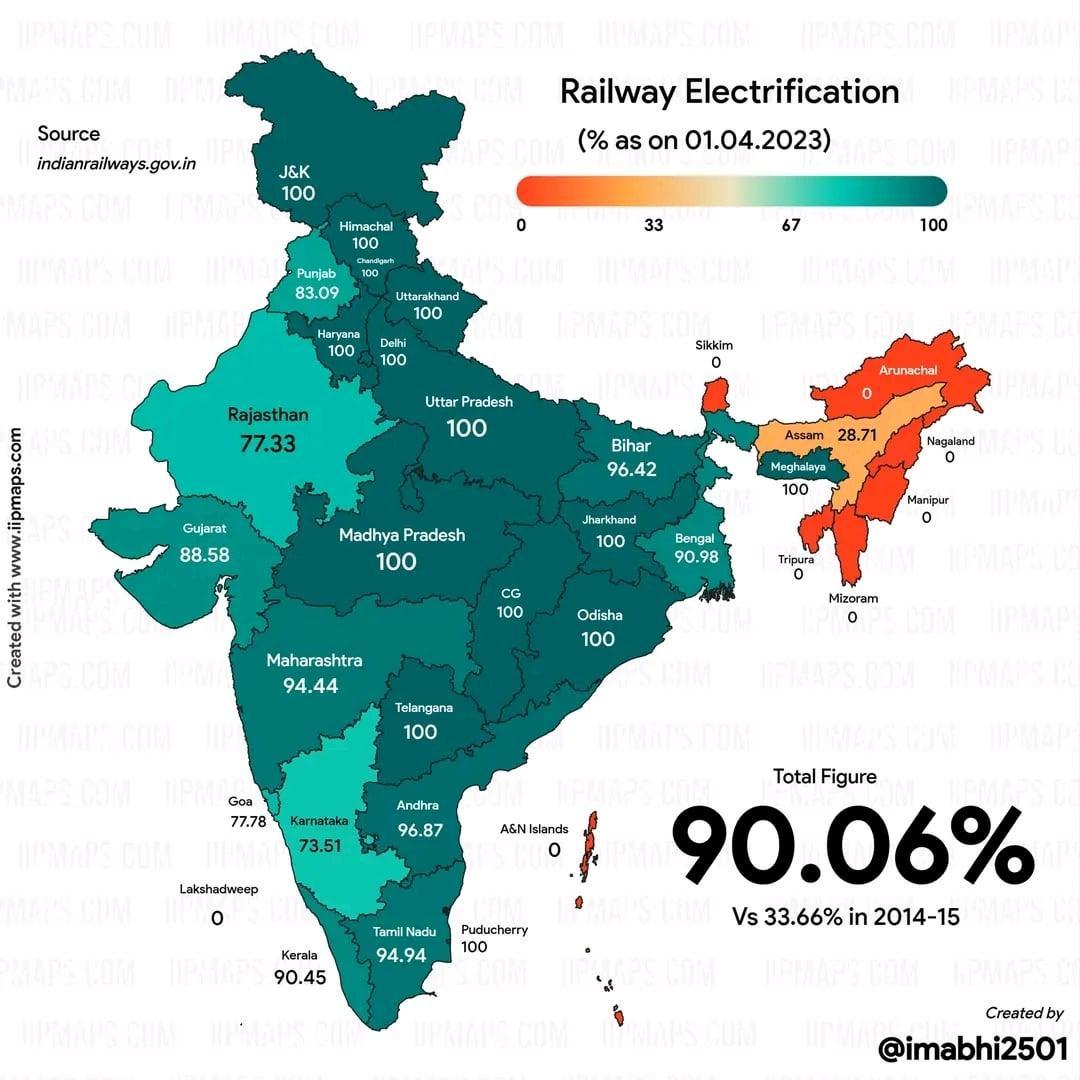
Indian Railways electricity costs have taken a significant hit following a recent Supreme Court ruling that classified the national transporter as a “consumer” under the Electricity Act India. This landmark decision mandates that Indian Railways is now responsible for paying cross-subsidy surcharge (CSS) and other surcharges when acquiring electricity via open access for its operations. As a result, these increased electricity costs will inevitably impact the railways’ operating ratio, posing challenges for financial management. Furthermore, the Maharashtra State Electricity Transmission Company has denied connectivity, compelling Indian Railways to seek a declaration from the Central Electricity Regulatory Commission (CERC) to be recognized as a Deemed Distribution Licensee (DDL) exempt from these surcharges. This complex scenario surrounding electricity pricing presents a crucial aspect of Indian Railways news that warrants close attention from policymakers and stakeholders alike.
The financial implications of energy expenses for Indian Railways are increasingly pertinent, especially in light of the recent legal challenges that categorize the railways as a “consumer” under the prevailing electricity regulations. The additional obligations to handle cross-subsidy surcharges while navigating the intricacies of open access electricity procurement mark a transformative phase for this essential sector. With the implications of the Supreme Court ruling coming to the forefront, stakeholders are observing the evolving landscape of energy tariffs and their potential impact on operational efficiency. As the Maharashtra State Electricity Transmission Company restricts access, Indian Railways is proactively pursuing recognition as a Deemed Distribution Licensee to mitigate these financial burdens. This intricate development not only affects operational logistics but also highlights the pressing need for a reformed approach to electricity pricing within India’s vast transportation network.
Impact of Supreme Court Ruling on Indian Railways
The Supreme Court’s recent ruling has fundamentally changed the operational landscape for Indian Railways. As the court recognized the national transporter as a ‘consumer’ under the Electricity Act, it now must navigate the complexities of increased electricity costs due to the imposition of a cross-subsidy surcharge (CSS). This classification not only obligates the railways to pay additional fees when purchasing electricity through open access, but it also strains their operational budget, which could significantly affect their financial viability and service delivery across the network.
This shift has heightened concerns about the annual operating ratio, a critical measure of efficiency and profitability for Indian Railways. With the added financial burden of surcharges and the denial of connectivity from the Maharashtra State Electricity Transmission Company, the railways must explore alternative strategies and possibly reevaluate their energy procurement methods. The ruling underscores the broader implications of electricity pricing policies on public transportation and the need for a balanced approach that considers the financial health of essential services.
The Role of Cross-Subsidy in Electricity Pricing
Cross-subsidy is a financial mechanism widely used in electricity pricing, where the rates paid by different categories of consumers help subsidize costs for others. In the context of Indian Railways, the recent ruling that mandates the payment of a cross-subsidy surcharge introduces an added layer of complexity in its financial operations. This situation arises from the need to protect other consumer groups while ensuring that essential services like railways can sustain operations without excessive financial strain. As such, the implications of this surcharge could lead to increased fares or reduced service offerings if not managed carefully.
Moreover, the introduction of such surcharges can spark debates among stakeholders regarding the fairness and sustainability of the current electricity pricing model in India. As various entities navigate these changes, including policymakers and regulatory bodies, it becomes imperative to strike a balance that fosters a supportive environment for critical infrastructure like Indian Railways while ensuring that all consumers pay their fair share. The ongoing discussions around these issues are likely to influence future regulatory frameworks and policies pertaining to the electricity sector.
Challenges Faced in Electricity Procurement by Indian Railways
The procurement of electricity is a vital logistical challenge for Indian Railways, particularly in light of the Supreme Court ruling and the subsequent financial implications it brings. The decision not only categorizes Indian Railways as a consumer but also complicates its ability to access electricity through open networks efficiently. This complexity is highlighted by the refusal of the Maharashtra State Electricity Transmission Company to provide necessary connectivity, which could hinder the railways’ reliability and efficiency in electricity usage.
As Indian Railways seeks to navigate these logistical hurdles, the need for clarity from regulatory bodies such as the Central Electricity Regulatory Commission (CERC) becomes crucial. Requesting a declaration to be recognized as a Deemed Distribution Licensee (DDL) is a strategic move that could lead to exemptions from certain surcharges, potentially easing the financial burden. This situation reflects the need for a supportive regulatory framework that considers the unique operational context of national transport services and the long-term implications for service delivery.
Future Implications for Energy Policy in India
The recent Supreme Court ruling and subsequent developments concerning Indian Railways open the door for reconsideration and potential reform within India’s energy policy framework. Recognizing the railways as a consumer could suggest a shift in how public transport entities interact with electricity markets, raising questions about the sustainability of current pricing structures and subsidies. Policymakers must now assess the implications this ruling holds not just for the railways, but for broader energy policy initiatives across the nation.
Moreover, the need to balance economic sustainability with service efficiency will drive discussions about alternative energy sources, innovative procurement strategies, and investment in renewable energies. With Indian Railways being a crucial player in transportation, decisions made in the coming months will likely impact India’s energy landscape, prompting a reevaluation of how energy policies can support both consumers and critical infrastructure.
Understanding the Electricity Act in the Context of Indian Railways
The Electricity Act of 2003 stands as a pivotal piece of legislation that governs the electricity sector in India, and its implications for entities like Indian Railways have become increasingly significant. With the recent classification of the railways as a consumer under this act, it must now adhere to several provisions that dictate how electricity is procured and priced. This shift necessitates a comprehensive understanding of the regulatory environment surrounding the Electricity Act, especially regarding cross-subsidy surcharges.
Understanding these legal frameworks and their implications for pricing can help navigate the challenges arising from the Supreme Court ruling. As stakeholders consider the role of regulation in ensuring fair electricity access, it becomes essential to engage with the key components of the Electricity Act, such as open access provisions, to foster an equitable energy market that supports the operational needs of essential services like Indian Railways.
Regulatory Responses to Energy Sector Challenges
In response to the challenges posed by the Supreme Court ruling, regulatory bodies play a crucial role in shaping the future landscape of energy consumption in India. The Central Electricity Regulatory Commission (CERC) will have to navigate the complex needs of Indian Railways as it seeks recognition as a Deemed Distribution Licensee (DDL). The outcomes of this engagement will not only affect the railway’s finances but could also set precedent for how similar entities interact with electricity markets in the future.
Furthermore, the evolution of regulatory responses may bring about necessary adjustments to the operational model of Indian Railways to adapt to the new reality of electricity pricing. The management of cross-subsidy surcharges could compel stakeholders to develop innovative solutions to mitigate costs while ensuring the provision of reliable railway services. Ultimately, how these regulatory frameworks evolve will be closely monitored by industry experts and policymakers, as they hold the power to redefine energy consumption across various sectors.
Electricity Pricing and Its Effect on Public Transportation
Electricity pricing has a significant impact on public transportation systems, particularly for entities like Indian Railways. The introduction of cross-subsidy surcharges and other supplementary charges directly influences operating costs, potentially leading to increased fares for passengers. With the Supreme Court ruling designating railways as consumers, a rise in electricity expenses places additional pressure on maintaining affordable transit options for the public, which is crucial for economic inclusivity.
The financial ramifications of these changes could also trigger discussions regarding the long-term sustainability of public transport in India, propelling a need for strategic policy reform. Addressing electricity costs without compromising service quality will be imperative if Indian Railways aims to continue serving millions of passengers effectively. The interconnectedness of electricity pricing and public transportation thus highlights the necessity for balanced regulatory measures that support both economic viability and accessibility.
Strategies for Mitigating Increased Electricity Costs
In light of the heightened electricity costs following the Supreme Court ruling, Indian Railways must develop robust strategies to mitigate these financial burdens. Exploring alternative energy resources, such as solar or wind power, could provide sustainable options that lessen dependency on conventional electricity sources while also contributing to India’s renewable energy goals. Implementing energy-efficient technologies within railway operations can further aid in reducing overall electricity consumption and costs.
Additionally, fostering collaboration with state electricity boards to negotiate better pricing structures or exemptions related to surcharges could be a viable approach. Engaging in proactive dialogue with regulatory bodies about the impact of electricity policies on public transport could also yield favorable outcomes, ensuring that Indian Railways retains its operational integrity while navigating the changing landscape of energy pricing in India.
The Future of Energy Access for Indian Railways
Looking ahead, the future of energy access for Indian Railways is contingent upon navigating the implications of recent judicial decisions and regulatory frameworks. As the sector evolves, a comprehensive approach that embraces innovation and sustainability will be vital. An emphasis on renewable energy sources can pave the way for a more resilient energy model that supports long-term operational goals while reducing the carbon footprint of rail transport in India.
Ultimately, ensuring energy access for Indian Railways will require multifaceted solutions that combine regulatory reforms, strategic partnerships, and advancements in technology. Engaging with stakeholders across the energy sector will be crucial in developing frameworks that not only cater to the unique needs of Indian Railways but also align with broader national objectives in energy management and public service.
Frequently Asked Questions
What are the implications of the Supreme Court ruling on Indian Railways electricity costs?
The Supreme Court ruling has significant implications for Indian Railways electricity costs as it classified the railways as a ‘consumer’ under the Electricity Act. This means Indian Railways will now incur cross-subsidy surcharges (CSS) and other additional costs when utilizing open access for electricity purchases. Consequently, these increased electricity costs could adversely impact the operating ratio and financial stability of Indian Railways.
| Key Point | Explanation |
|---|---|
| Supreme Court Ruling | Indian Railways is designated as a ‘consumer’ under the Electricity Act. |
| Responsibility for Payments | Indian Railways must pay cross-subsidy surcharges and additional surcharges when purchasing electricity. |
| Impact on Operating Ratio | These additional costs will negatively affect the operating ratio of the railways. |
| Request to CERC | Indian Railways is seeking a declaration from the CERC to be recognized as a Deemed Distribution Licensee. |
| Connectivity Denial | The Maharashtra State Electricity Transmission Company denied Indian Railways connectivity. |
Summary
Indian Railways electricity costs have surged due to a recent Supreme Court ruling which officially classifies the organization as a ‘consumer’ under the Electricity Act. This designation now obligates the railways to bear the financial burden of cross-subsidy surcharges and additional costs when acquiring electricity through open access channels for operational needs. The impact of these changes is significant, as they threaten to worsen the railways’ operating ratio, which is a critical measure of financial efficiency. Furthermore, amid challenges such as the denial of connectivity by Maharashtra State Electricity Transmission Company, Indian Railways has sought assistance from the Central Electricity Regulatory Commission, aiming for a declaration to be acknowledged as a Deemed Distribution Licensee to mitigate these surcharges. This evolving situation underscores the increasing financial pressures on Indian Railways as they navigate the complexities of electricity costs.