The recent recovery of a body from a flooded Meghalaya coal mine has shed light on a tragic incident in the East Jaintia Hills. On May 10, 2026, authorities retrieved an unidentified corpse from an abandoned water-filled coal mine shaft after local residents reported the disturbing find. The operation was carried out by police and rescue teams, including members of the State Disaster Response Force (SDRF), highlighting the ongoing challenges surrounding safety in coal mining regions. East Jaintia Hills Superintendent of Police Pankaj Kumar Rasgania stated that this incident raises questions about the circumstances surrounding the death, even as he ruled out illegal coal mining Meghalaya as a contributing factor. As Meghalaya coal mine news continues to circulate, this incident adds to a troubling narrative of coal mining accidents in the area that have raised concerns over safety measures and enforcement.
In the wake of the latest developments in Meghalaya, the focus is drawn to the unfortunate recovery of a body within an abandoned coal mining site. Authorities are investigating the circumstances surrounding this incident in the East Jaintia Hills, where safety protocols in mining operations have come under scrutiny. Despite ruling out any involvement with illegal coal extraction, the presence of the body in such a treacherous environment raises serious alarms regarding mining safety regulations. The coal mining accident newsfortifies a growing discourse on the risks associated with disused mining shafts, prompting calls for more stringent oversight. As investigations continue, the community remains anxious about the implications of such events in the region.
Recovery of Body in Meghalaya Coal Mine: Latest Update
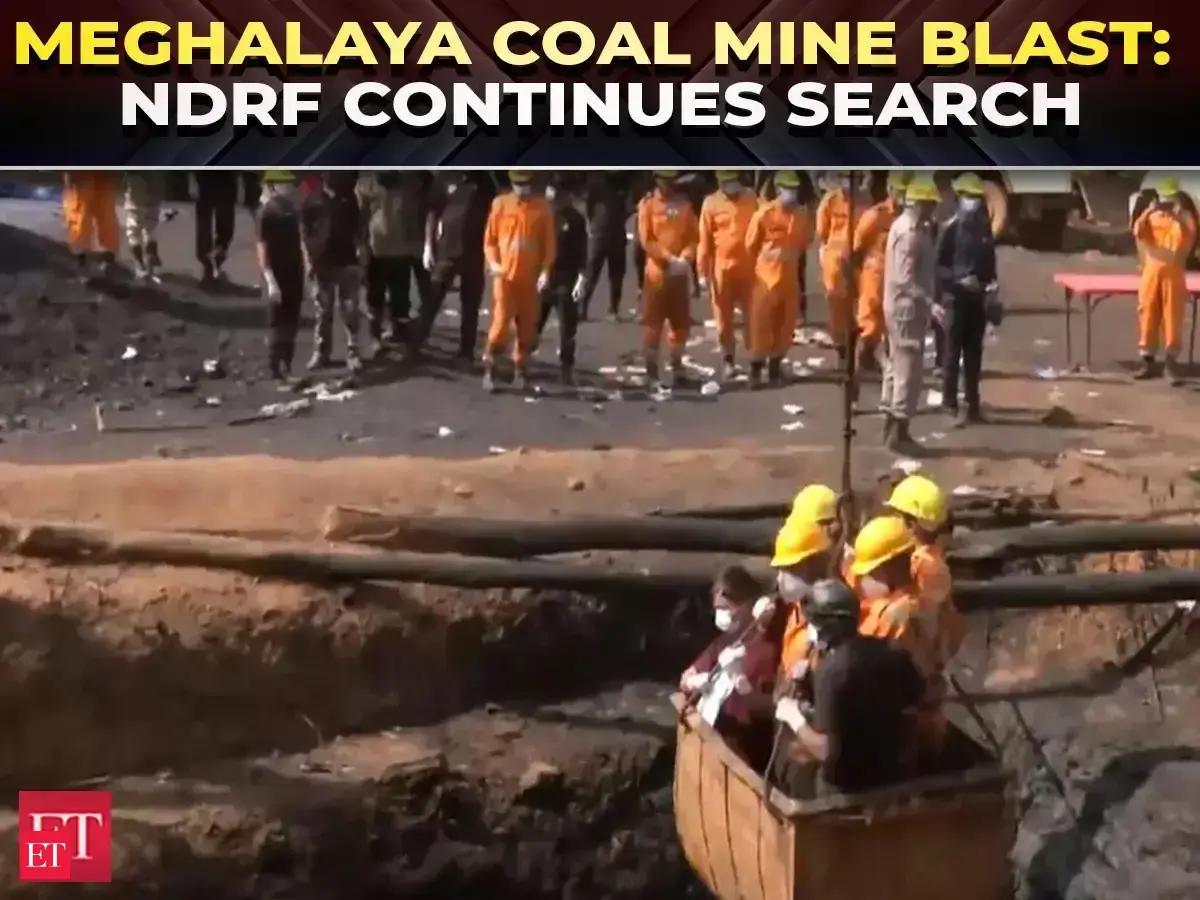
On May 10, 2026, police and rescue workers successfully recovered the body of an unidentified individual from a flooded coal mine shaft in the East Jaintia Hills district of Meghalaya. This recovery operation was initiated after local residents reported a corpse floating in the water-filled pit. With the assistance of the State Disaster Response Force (SDRF), the recovery team faced numerous challenges, including the depth of the shaft and the hazardous conditions due to the waterlogged environment.
According to East Jaintia Hills Superintendent of Police Pankaj Kumar Rasgania, the body is believed to have been submerged for several days. Investigations are currently underway to ascertain the circumstances leading to this tragic incident. The authorities have sent the body for a post-mortem examination and are focused on determining the identity of the deceased. The mine from where the body was recovered had been long abandoned, dispelling initial fears of ongoing illegal mining activities in the area.
Understanding the Context of the East Jaintia Hills Incident
The incident in East Jaintia Hills has drawn attention to the broader issue of coal mining activities in Meghalaya, particularly concerning illegal mining practices. In recent months, the region has witnessed a surge in fatal accidents associated with illegal coal extraction. For instance, a catastrophic explosion in February resulted in the deaths of at least 30 individuals at an alleged illegal mining site, raising serious questions about regulatory oversight and safety protocols in such operations.
Despite the evident dangers, illegal coal mining remains a pervasive problem in Meghalaya, particularly in the East Jaintia Hills district. Local authorities are under significant pressure to contain these activities; however, enforcement of legal restrictions has proven to be a complex challenge. The Meghalaya High Court’s call for accountability in the wake of repeated incidents emphasizes the necessity for stricter enforcement of mining laws to prevent future tragedies and ensure the safety of local communities.
Authorities Rule Out Illegal Mining in Body Recovery Case
Following the recovery of the body from the coal mine, local police have been prompt in addressing public concerns regarding illegal mining activities. Superintendent Rasgania has explicitly stated that the site where the body was found is an abandoned mine, emphasizing that no illegal coal mining was taking place at the time of the discovery. This declaration is crucial in alleviating worries that could arise amidst ongoing scrutiny over illegal operations in the region.
The authorities’ assertion points to a more significant issue regarding the management and maintenance of abandoned mining sites in Meghalaya. Many abandoned coal mines have become hazardous due to water accumulation that poses risks not only to potential trespassers but also to the overall environment. As the investigation continues, it highlights the need for regulatory measures to secure these sites and prevent similar incidents in the future.
The Aftermath of the Coal Mine Incident: Community Reactions
The recovery of the body has elicited varied reactions within the local community and beyond. Many residents express a mix of concern and fear regarding the fate of those who may wander into abandoned mining sites, underscoring a need for greater awareness and safety measures. Community leaders are calling for more proactive steps from both the local government and mining companies to ensure that these sites are properly sealed or monitored to prevent unauthorized access.
Moreover, this incident has reignited conversations surrounding the ethical implications and environmental impact of coal mining practices in Meghalaya. As the region grapples with the repercussions of its mining history, it is essential for community stakeholders to engage in dialogues about sustainable alternatives and the future of the local economy without relying heavily on coal.
Coal Mining Accidents: A Pattern in Meghalaya’s History
The tragic event in East Jaintia Hills forms part of a troubling pattern of coal mining accidents in Meghalaya. Over the years, several incidents have highlighted the deadly consequences associated with unsafe mining practices, particularly in unregulated operations. As awareness about these dangers grows, there is an urgent call for reform in the mining sector to prioritize worker safety and community wellbeing.
Authorities have noted that while the coal mining industry is crucial to the local economy, the continuation of such practices without strict regulation leads to inevitable accidents and loss of lives. Legal measures are being discussed to mitigate these risks and ensure that those engaged in coal mining adhere to the highest safety standards. The community’s vigilance and advocacy for change are vital to shaping a safer future.
Exploring the Illegal Coal Mining Crisis in Meghalaya
The issue of illegal coal mining in Meghalaya has drawn significant attention, especially following accidents that have cost numerous lives. The East Jaintia Hills region, in particular, has been notorious for such activities, despite various interventions from authorities. The allure of quick profits often leads to compromised safety standards, making illegal coal mining a perilous venture for workers.
Regulatory bodies are increasingly under pressure to take decisive actions against illegal mining operators. However, the challenge rests not just on enforcing laws but also on addressing the socio-economic factors that drive individuals to engage in these risky activities. Investing in community education and alternative livelihoods could play a crucial role in combating illegal coal mining in the long run.
Legal Implications Surrounding Meghalaya Coal Mining Practices
As the recovery of the body from the flooded coal mine becomes a point of investigation, the legal ramifications of coal mining practices in Meghalaya are under scrutiny. Past incidents, including the recent explosion in February, have prompted calls for stricter legislation to deter illegal operations. Stakeholders are advocating for a framework that not only penalizes violators but also ensures that safe practices are established and followed in all mining operations.
Regulatory reforms are essential to protect workers and the environment in mining districts. With increasing public awareness, there is a possibility for a shift towards safer mining practices. Engaging legal experts, environmentalists, and community leaders in these discussions could foster a more holistic approach to governance in the mining sector, promoting long-term sustainability.
Safety Measures and Precautions in Mining Operations
The dangers associated with coal mining necessitate robust safety measures and protocols to prevent accidents like those seen in Meghalaya’s East Jaintia Hills. Following the tragic discovery of a body in a flooded mine, authorities are being urged to evaluate existing safety practices critically. Enhancing training for workers and conducting regular safety audits could mitigate risks and reinforce a culture of safety in the mining industry.
Communities also play a vital role in ensuring safety in their environments. Public awareness campaigns can educate residents about the dangers of abandoned mining sites and the importance of reporting any hazardous conditions to the authorities. Collaboration between mining companies and local communities can lead to improved safety standards that protect both workers and residents.
Future of Coal Mining in Meghalaya: Challenges Ahead
The future of coal mining in Meghalaya faces several challenges, particularly in light of increasing scrutiny over illegal mining practices and the consequences that follow. As the state grapples with recurring accidents, including the recent tragedy in East Jaintia Hills, it is clear that significant changes are needed in how mining operations are conducted. The community’s push for sustainable mining practices may reshape the industry and its role in the local economy.
Stakeholders are beginning to recognize the importance of transitioning to safer and more sustainable mining methods. This could involve adopting advanced technologies and refining regulatory frameworks to mitigate environmental impact while ensuring economic viability. The focus on sustainability and safety may ultimately dictate the future of coal mining in Meghalaya, steering the community towards a more responsible approach to resource extraction.
Frequently Asked Questions
What recent news has emerged about the Meghalaya coal mine recovery efforts?
In recent Meghalaya coal mine news, rescue teams recovered an unidentified body from a flooded mine shaft in the East Jaintia Hills district. Local residents alerted authorities to the presence of a corpse floating in the abandoned mine, leading to a challenging recovery operation.
What challenges did rescue teams face during the body recovery in Meghalaya’s East Jaintia Hills?
During the recovery operation in Meghalaya’s East Jaintia Hills, police and rescue personnel faced significant challenges due to the depth of the coal mine shaft and its waterlogged condition. These factors complicated the retrieval of the body found in the coal mine.
Has illegal coal mining been identified as a cause of the recent recovery in the Meghalaya coal mine incident?
Authorities have ruled out illegal coal mining as a cause in the latest coal mining accident news. The East Jaintia Hills Superintendent of Police confirmed that the mine where the body was found has been abandoned for a long time, and no illegal extraction activities were taking place there.
What is being done to investigate the circumstances surrounding the body found in the Meghalaya coal mine?
An investigation is currently underway to ascertain the circumstances surrounding the unidentified body recovered from the coal mine in Meghalaya. The police are working to identify the deceased and understand how the individual ended up in the abandoned shaft.
How has the issue of illegal coal mining affected safety in Meghalaya, particularly in the East Jaintia Hills?
Illegal coal mining in Meghalaya, especially in the East Jaintia Hills, has resulted in several tragic incidents, including a recent explosion that killed at least 30 people. This ongoing issue has drawn heightened scrutiny and prompted the Meghalaya High Court to call for accountability regarding mining safety.
What steps can be taken to improve safety in coal mining operations in Meghalaya?
To improve safety in coal mining operations in Meghalaya, it is crucial to enforce stricter regulations against illegal mining, ensure regular monitoring of mining sites, and implement better safety protocols. Engaging local communities in prevention efforts is also essential to reduce risks associated with coal mining accidents.
| Key Points |
|---|
| Unidentified body recovered from a coal mine in Meghalaya’s East Jaintia Hills. |
| The recovery operation was difficult due to the depth and waterlogged condition of the shaft. |
| The body is believed to have been there for a few days; identity and details pending investigation. |
| Police ruled out illegal mining activities, confirming the mine is abandoned and filled with water. |
| Following previous fatalities in the region, scrutiny over coal mining practices has increased. |
Summary
Meghalaya coal mine body recovery has brought to light a tragic incident involving an unidentified individual found in an abandoned mine shaft in East Jaintia Hills. The recovery operation, which faced significant challenges due to the mine’s waterlogged condition, underscores the ongoing issues surrounding safety in coal mining operations in Meghalaya. With police ruling out illegal mining at this location, authorities are focused on establishing the identity of the deceased and investigating the circumstances leading to this tragedy. This incident is a stark reminder of the dangers linked to both illegal and abandoned mining sites in the region.